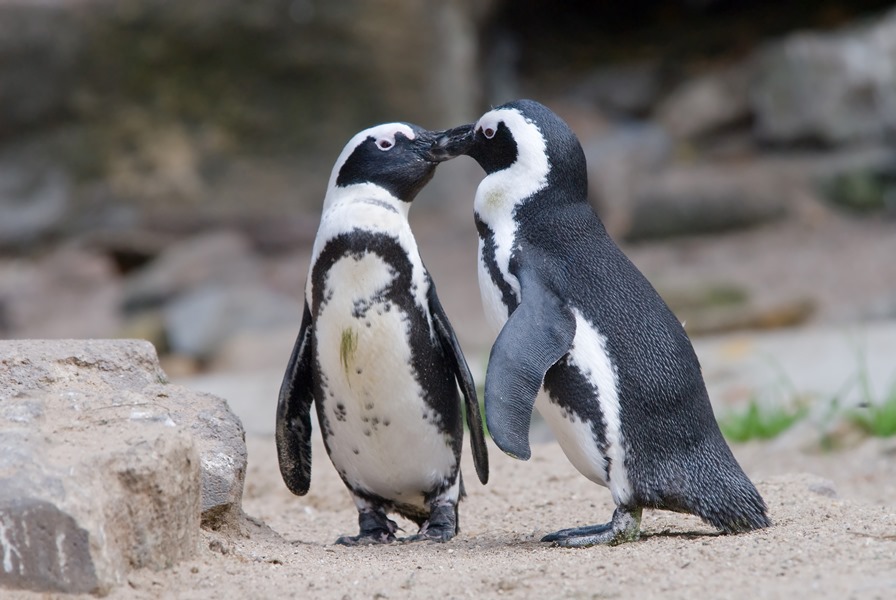
Penguin release: African Penguin Awareness Day 2015 (SANCCOB)

On 17 October 2015, SANCCOB and its conservation partners across the globe celebrated African Penguin Awareness Day, dedicated to raising worldwide awareness about the plight of the endangered African penguin – the only penguin endemic to the African content. Only 2% of the African penguin population remain in the wild today.

To commemorate the special day, SANCCOB and SANParks released 14 rehabilitated African penguins at Seaforth Beach (Simon’s Town, Cape Town) and hosted the annual Penguin Festival at Boulders Beach.

Of the 14 that were released: nine were admitted from Simon’s Town, four from Stony Point (Betty’s Bay) and one from Fish Hoek.

Thank you for helping to conserve and raise much-needed awareness about the endangered African penguin.

What you can do to help to conserve African penguins
• Adopt and name an African penguin by visiting http://www.sanccob.co.za
• Report injured penguins and/or oiled birds to SANCCOB by calling (021) 557 6155 (normal work hours) / 078 638 3731 (after hours & weekends)
• Donate to SANCCOB online at http://www.sanccob.co.za/donate or see what items are needed on SANCCOB’s Wish List http://www.sanccob.co.za/donate/wish-list
• Visit SANCCOB’s online shop for penguin goodies at http://www.sanccob.co.za/shop-online
• Raise funds for SANCCOB by simply swiping your MySchool MyVillage MyPlanet card: http://www.sanccob.co.za/donate/myschool-myvill­age-myplanet
• Volunteer at SANCCOB by emailing volunteers@sanccob.co.za

About SANCCOB: SANCCOB (the Southern African Foundation for the Conservation of Coastal Birds) is a leading marine-orientated, non-profit organization which has treated more than 95 000 oiled, ill, injured or abandoned endangered African penguins and other threatened seabirds since being established in 1968.
Find out more about SANCCOB’s seabird conservation work by visiting http://www.sanccob.co.za

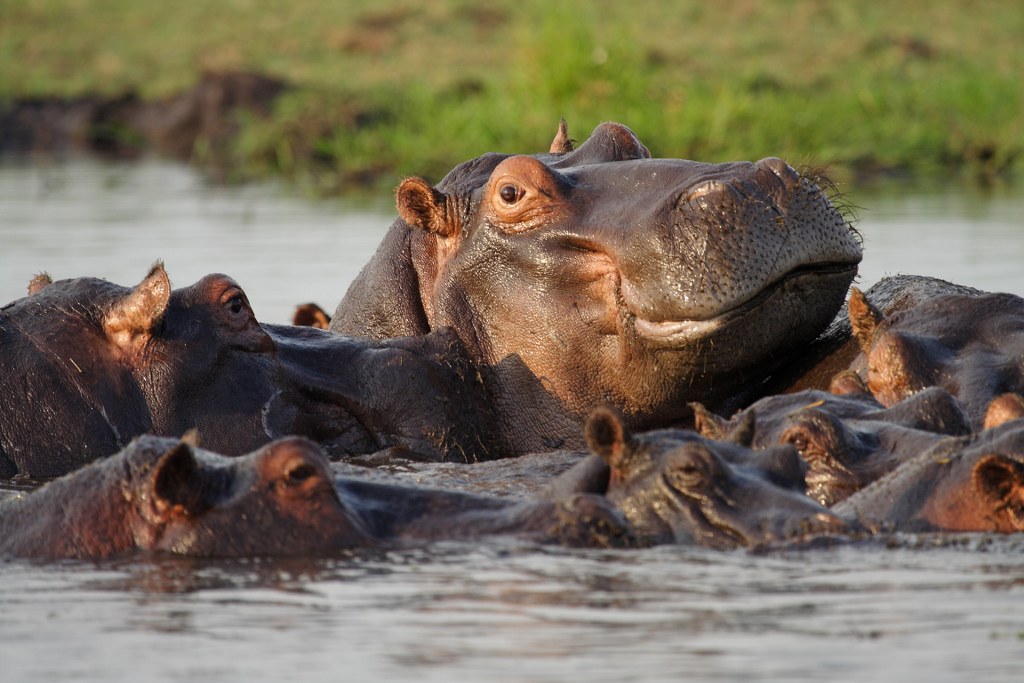
Thula Thula Video of the Month: Rhino versus Hippo

The Zulu name Thula Thula literally means peace and tranquility…

Thula Thula, with its centuries of cultural and wildlife heritage, takes pride in tracing back it’s origin to the private hunting grounds of King Shaka, founder of the Zulu Empire.

shutterstock_50281177_hippos_1024x683

The first historic meeting between Shaka and his father (Senzangakhona), which set the stage for the creation of the Zulu Nation, took place at the Nseleni River at Thula Thula.

Family owned and operated, Thula Thula is administered to the highest ethical standards, in keeping with modern conservation methods for the protection and enhancement of it´s indigenous and endangered species…

Watch the Thula Thula video of the month: rhino versus hippo:

Tsogo Sun’s Sandton Sun Open for Business!

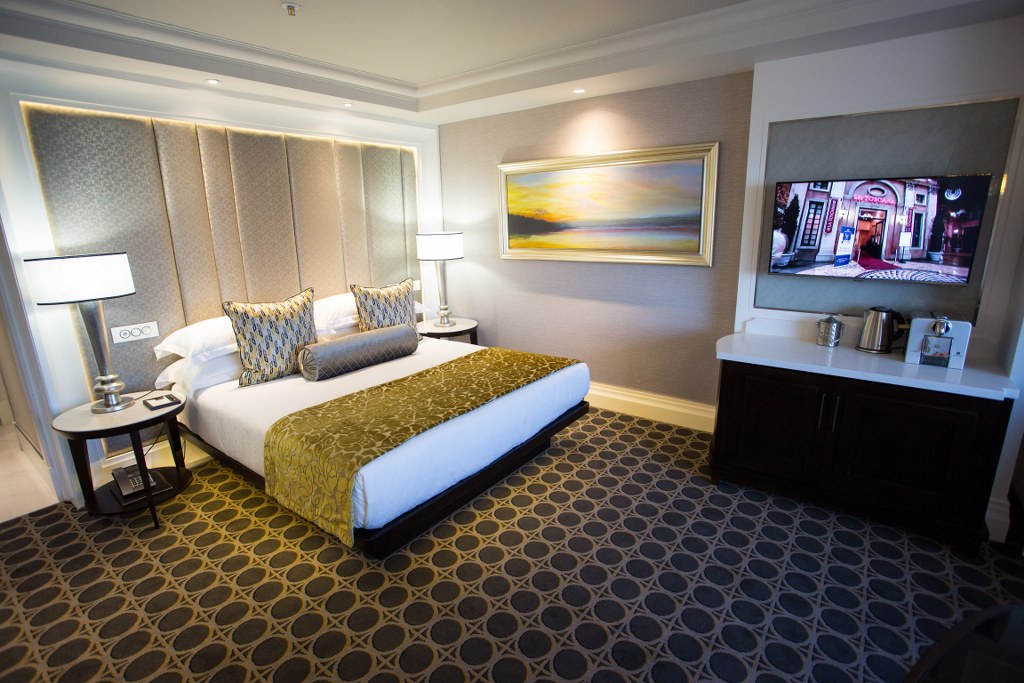
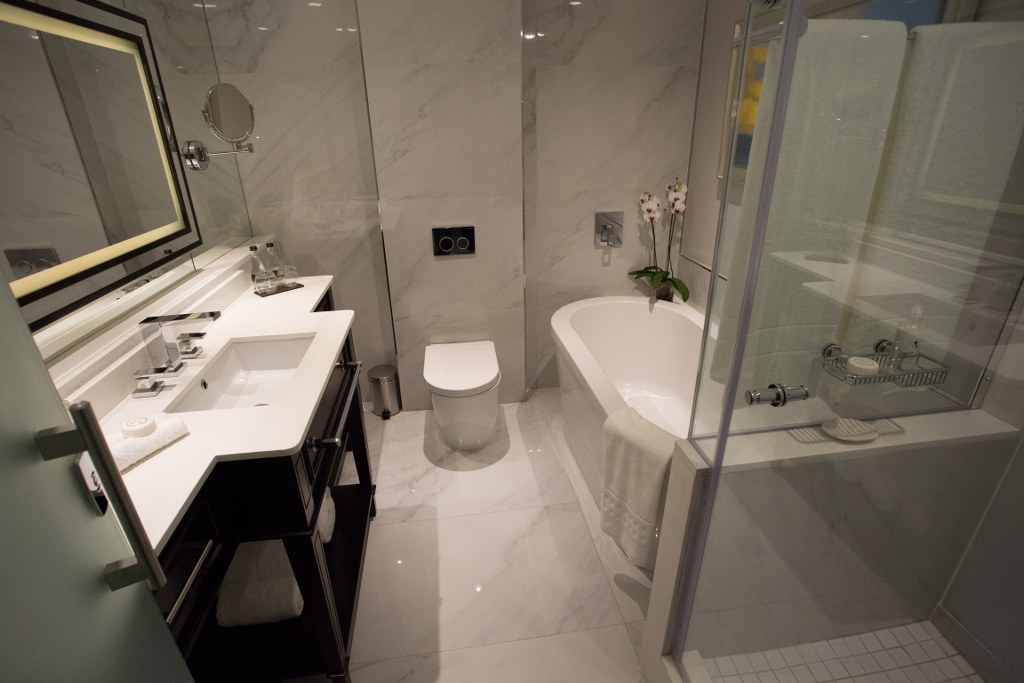
After undergoing an extensive refurbishment, the iconic Sandton Sun is now open for business.

Ideally located in the heart of Sandton, Johannesburg’s most affluent business and shopping district, the hotel takes prominent place on the bustling urban skyline with direct access to both the world renowned Sandton Convention Centre and upmarket Sandton City shopping centre.

The 326 newly refurbished rooms include every modern convenience to make your stay a luxurious one. Three new meeting rooms complete the refurbishment. Each, fully equipped with ceiling mounted projectors and screens, controlled lights and temperature settings.

Tsogosun mid-11_1024x683

The San restaurant and deck is the place to be seen for business or after-work drinks. Or, take time out at the spa, conveniently open seven days a week with extended hours.

Indulge in a luxurious urban experience at the new Sandton Sun!

We Have a New Family Member!

DSC_0432_1200x800

As of the end of August 2015, it is estimated that well over 600 rhino have been poached in South Africa this year. It is not enough to simply be aware of the facts. Thompsons Africa are passionate about playing our part in actively aiding in the fight against rhino poaching. With this in mind, in addition to our support of the Wildlands Conservation Trust as a Wildlands Rhino Ambassador, today we are proud to introduce you to a new member of the Thompsons Africa family….. little Gertjie!

Gertjie and Lammie
Gertjie and Lammie

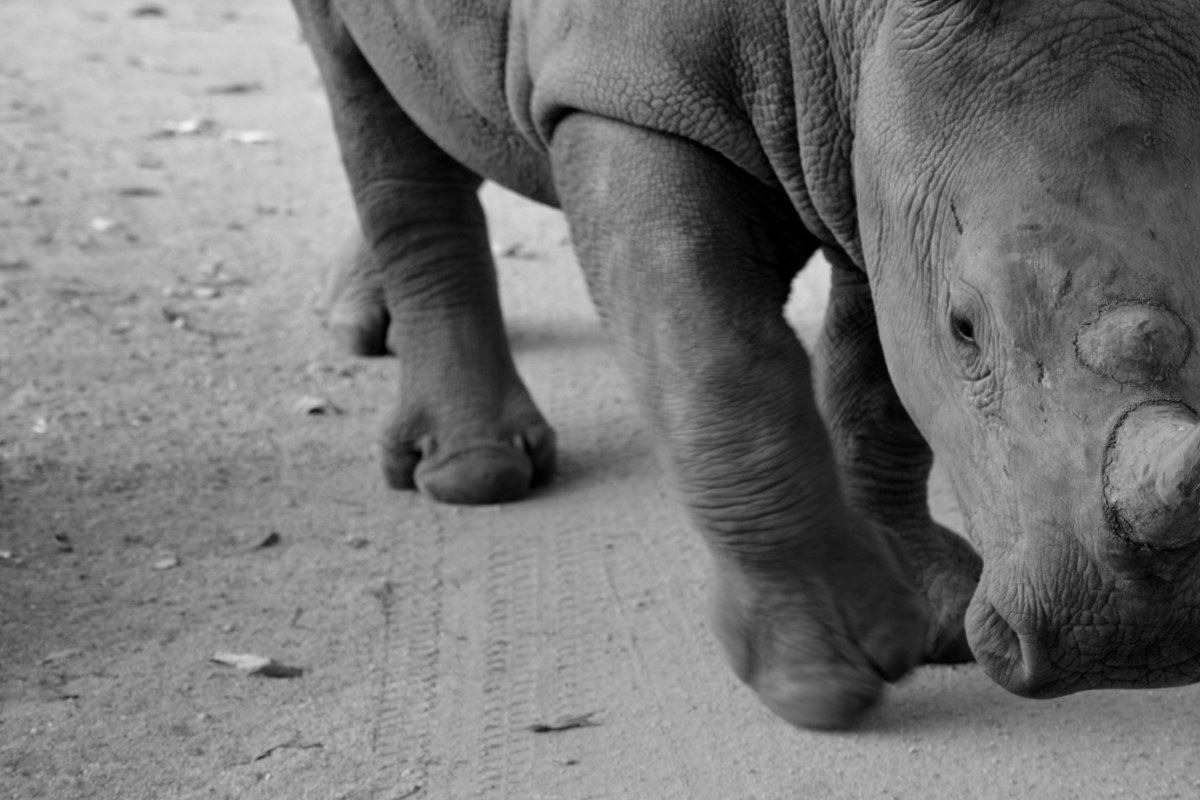
An orphaned rhino, Gertjie is cared for by our partners at the Hoedspruit Endangered Species Centre. Gertjie is a male white rhinoceros (ceratotherium simum) born on the 19th of February 2014. On arrival at Hoedspruit Endangered Species Centre, he weighed just 100kgs and at the beginning of 2015 weighed in at over 800kgs and continues to add weight daily! The funds donated by Thompsons Africa towards the fostering of Gertjie will go towards his food and general upkeep, maintaining his living arrangements, medical expenses and the cost of his security.

Would you like to know more about how you can make a difference and foster a rhino? Drop me an email – viki.haasbroek@thompsonsafrica.co.za.

An African Safari

If you’ve never personally experienced an African Safari, chances are you have many questions around what to expect.  A safari from lodge to lodge or area to area can differ quite a bit but there are some general guidelines that apply to a safari no matter where you plan to enjoy the experience.

A TYPICAL DAY ON SAFARI

  • Start the day with an early morning tea-or-coffee wake-up (between 05h00 and 06h00 depending on the season), then meet in the central area for a light meal of cereal, fruit, biscuits and juice.
  • Set off on your game viewing activity, with a short stop in the wilderness for a snack and coffee.
  • Return to camp at about 10h30 for a hearty brunch at 11h00. Take the afternoon off for a siesta or a dip in the pool. Afternoon tea is served at around 15h30, followed by the option of a late afternoon game-viewing experience. Stop for sundowners and snacks, before returning to the camp in time for a three-course dinner at 20h00.

(This is a guide only and varies from camp to camp)

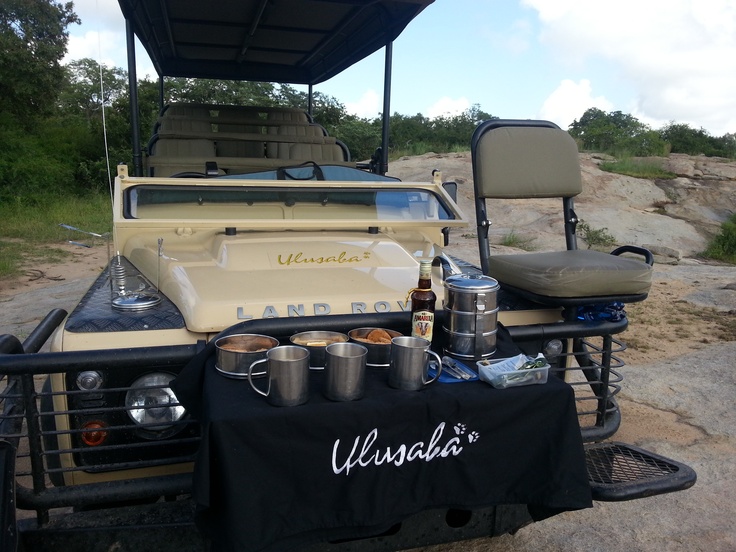
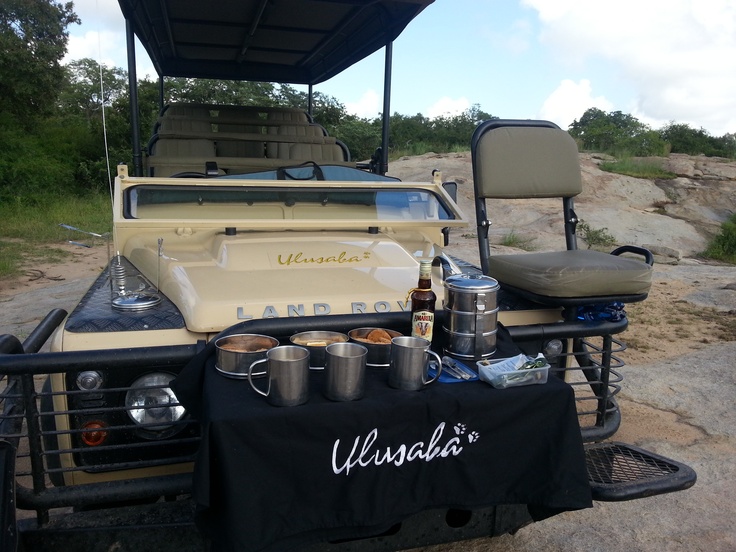
Morning coffee on safari with Ulusaba

WHAT TO PACK FOR YOUR SAFARI

  • Informal dress is recommended. Neutral colours are best.
  • Windbreaker or warm jacket for winter and night safaris.
  • Comfortable walking shoes.
  • Swimming costume.
  • Binoculars, camera and video camera, chargers and memory devices.
  • Sunhats and sunglasses.
  • Sunscreen and lip balm.
Sanbona Wildlife Reserve safari experience

WHEN IS THE BEST TIME TO VISIT?

Both the winter and summer months have their benefits.

  • Winter (May to August) – the foliage is less dense and the game more visible as they seek out the scattered waterholes.
  • Summer (September to April) – the animals have their young, the vegetation is appealingly lush and the late afternoon African storms are spectacular.

LR_On Safari_pg58_Zimbabwe Safari

The Sabi Sand Game Reserve

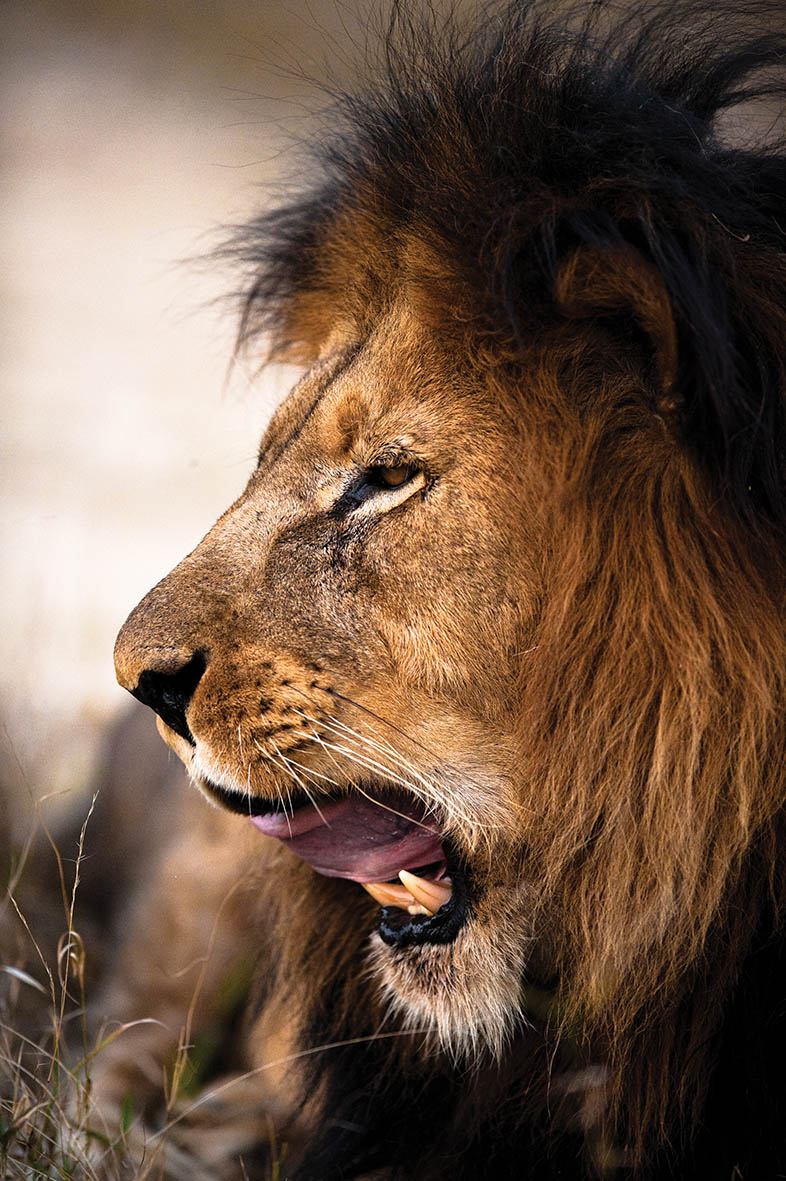
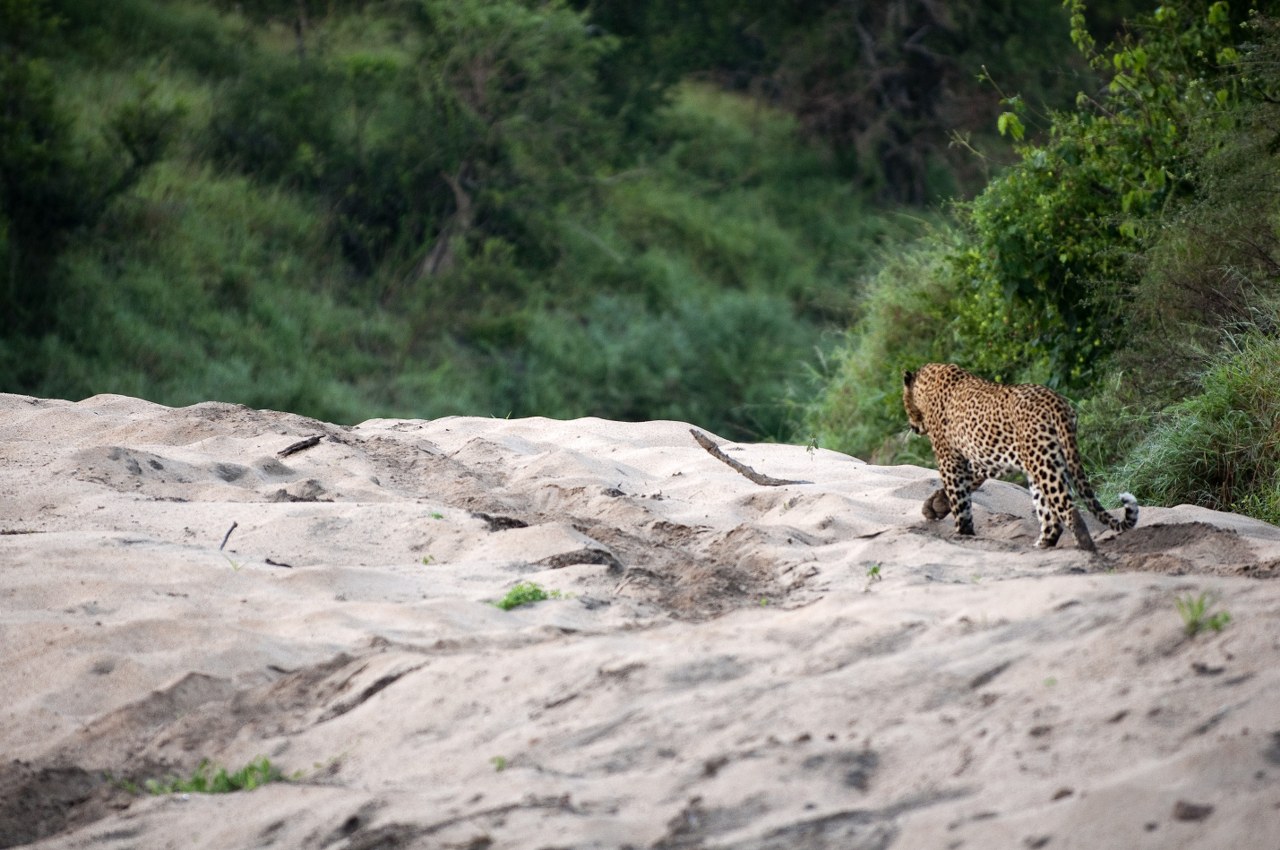
The renowned Sabi Sand is one of the oldest and largest proclaimed private reserves in South Africa. It is well known for exciting leopard sightings – this fact alone being testimony to the incredible wildlife experience that this healthy, game-rich area has to offer.

Lion Sands River Lodge - Leopard
Lion Sands River Lodge – Leopard

History of the Sabi Sand Reserve

Already proclaimed in 1898, the original Sabie Reserve was a forerunner to the massive Kruger National Park. Former land owners, excised from the area when the 1926 National Parks Act was passed, created the Sabi Private Game Reserve adjacent to Kruger National Park in 1934. Six families who formed part of these pioneering land owners still own land in the Sabi Sand Game Reserve which was formally established as an association in 1948.

Location of the Game Reserve

Located in the Mpumalanga Province of South Africa, the Sabi Sand Game Reserve takes its name from the Sabi River and the Sand River which flow through the wilderness area. The Reserve spans across 65 000 hectares (650 square kilometers) of land.

Wildlife in the Sabi Sand Game Reserve

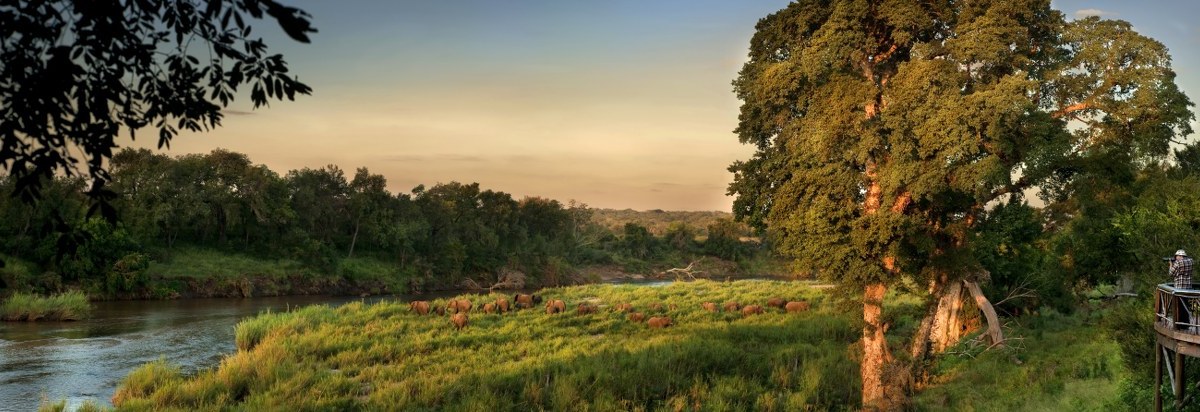
In addition to the Big Five, the Sabi Sand Game Reserve is home to 145+ mammal species, 500+ bird species, 30+ amphibian species, 110+ reptile species and 45+ fish species.

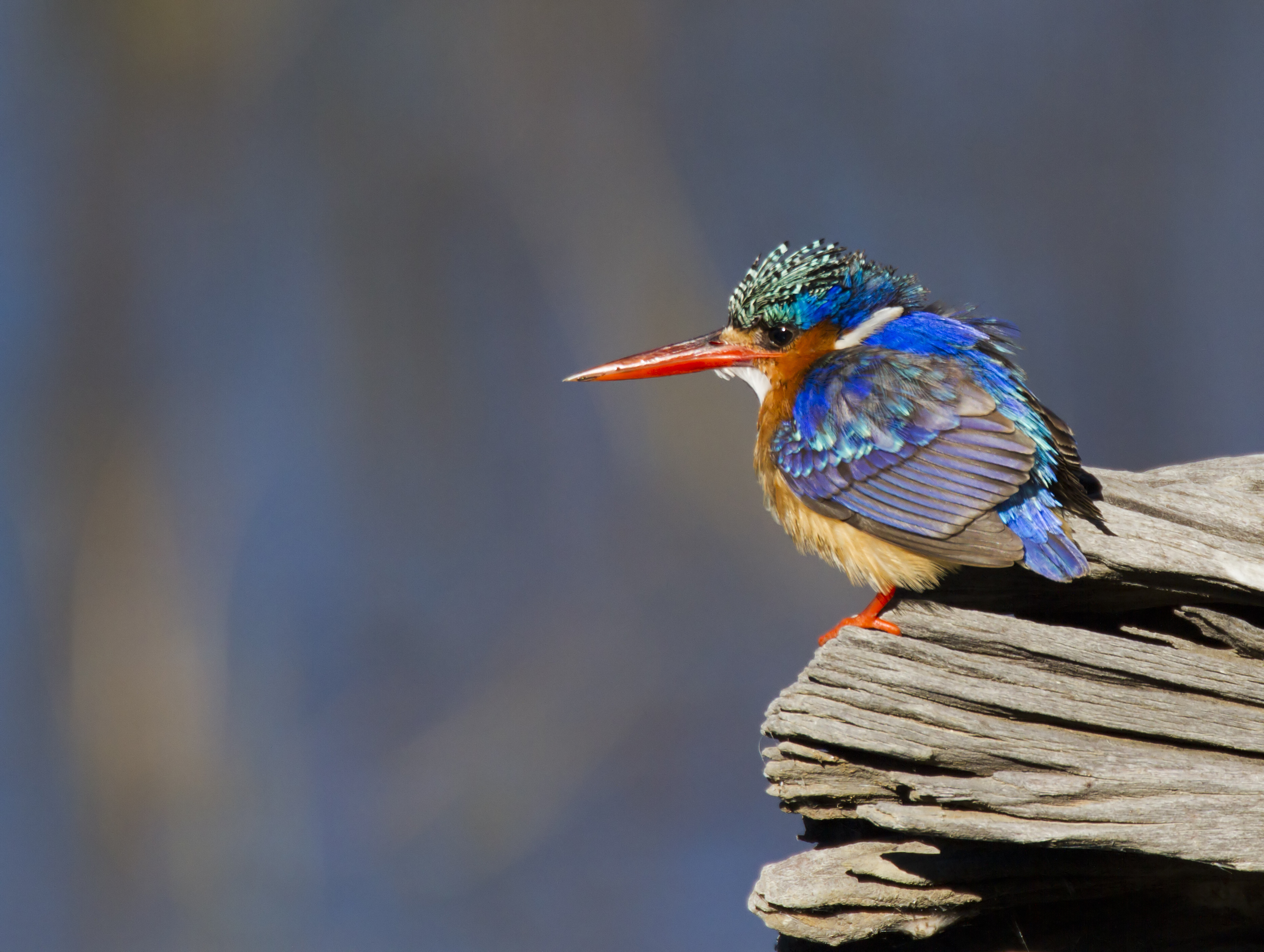
Kingfisher
Kingfisher

Fences

Due to the threat of foot and mouth disease and the ever present threat of hunting, fences were erected between the Kruger National Park and the Sabi Sand Reserve in 1961. The eastern border fence was removed after negotiations in 1993 allowing wildlife to roam freely between the two parks.

The Big Five ‘Born’

The name ‘Big Five’ was originally a name given by hunters to the five largest and most dangerous African mammals: rhinoceros, elephant, buffalo, lion, and leopard. In the 1970’s, when the birth of the luxury safari was gaining momentum, marketers ‘rebranded’ the concept of the Big Five and today, the Big Five are the most sought after wildlife to see while on a safari…., the ULTIMATE goal of any safari experience.

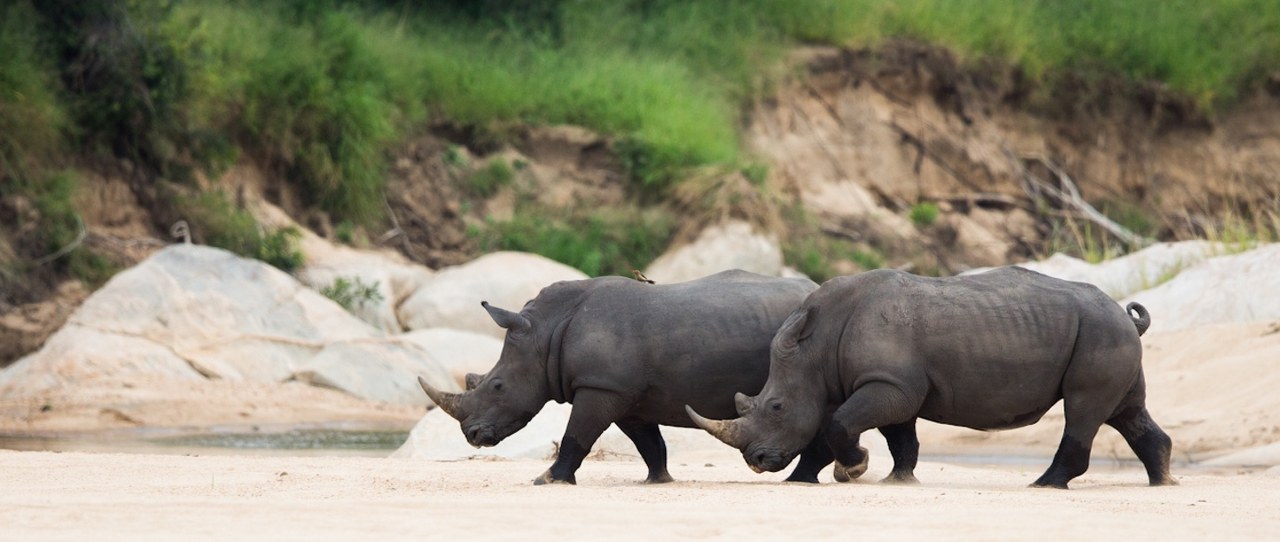
Rhino
Rhino

On Safari in the Sabi Sand Game Reserve

Accommodation varies from the absolute thrill of a luxury tented camp to the graciousness of award-winning deluxe lodges with the most sensational décor, health spas and gourmet cuisine.

Ulusaba Private Game Reserve - Sabi Sand Private Game Reserve
Ulusaba Private Game Reserve – Sabi Sand Private Game Reserve

Coffee Shop Tops

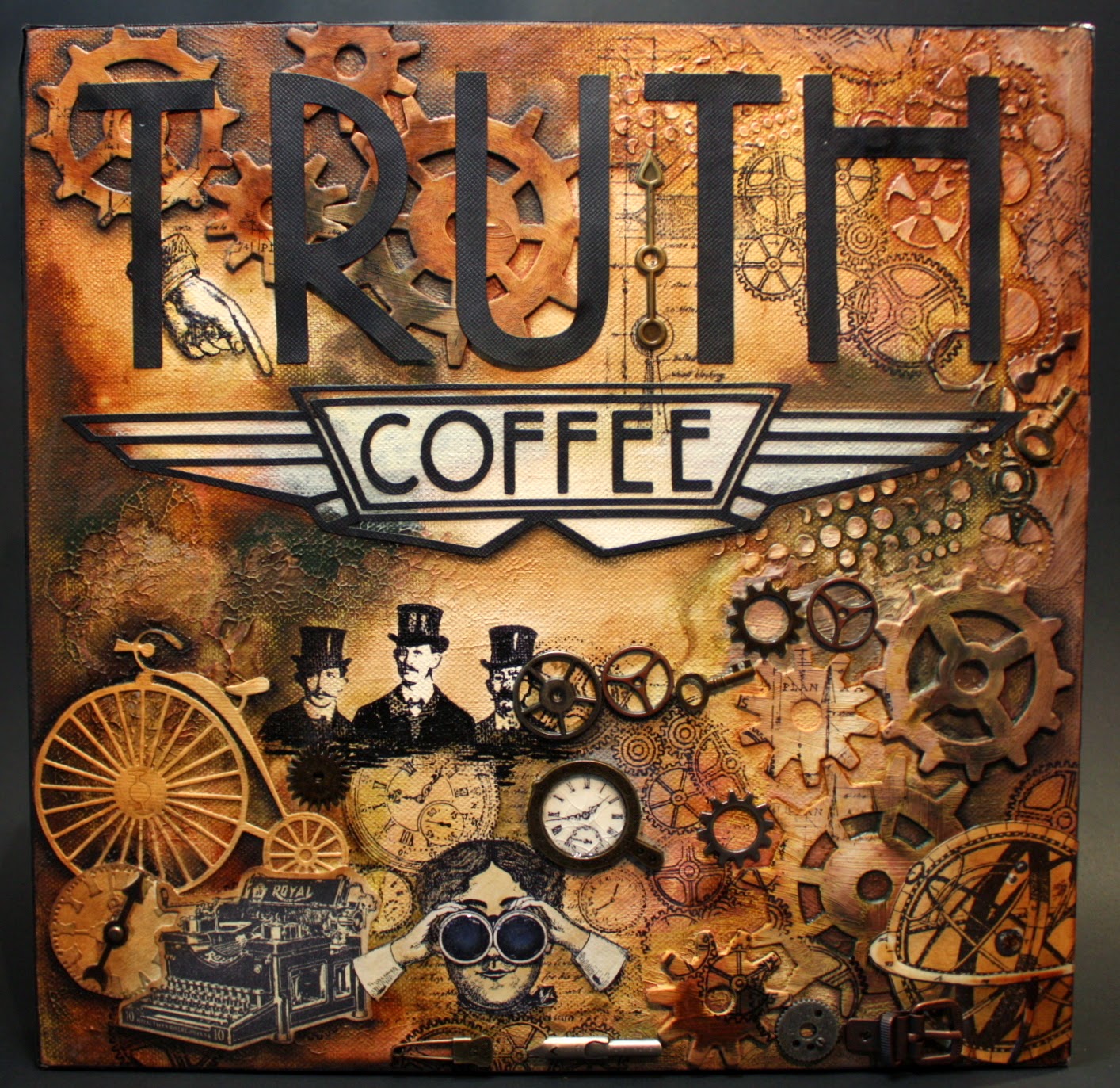
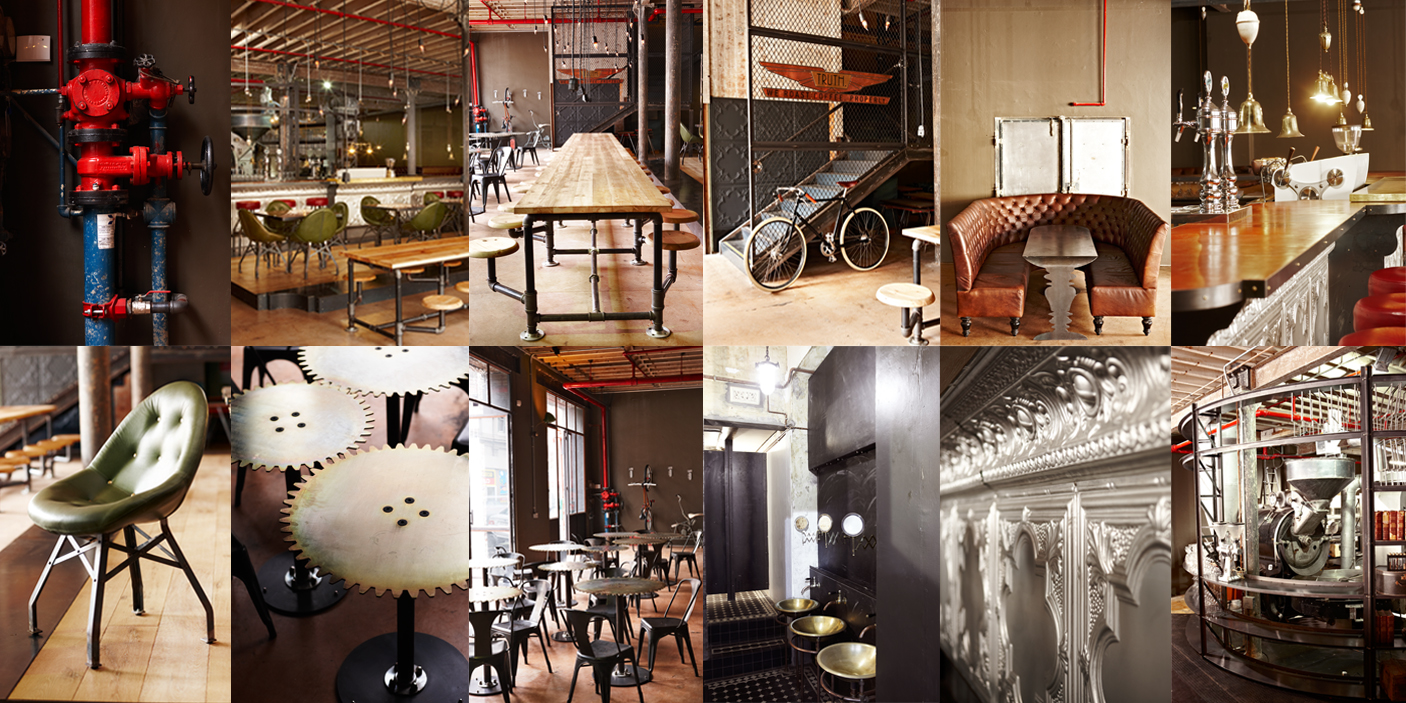
Telegraph UK has voted Truth Coffee, South Africa as World’s Best Coffee Shop!

Truth Coffee Shop 3

Supported by local top South African hotels like The Plettenberg and The Cellars-Hohenort, Truth Coffee has been hailed as the World’  s Best Coffee Shop.  Located in Buitenkant Street, Cape Town, Truth Coffee offers a coffee shop, wholesale sales to local companies and hotels and a Barista School.

Truth Coffee Shop 2

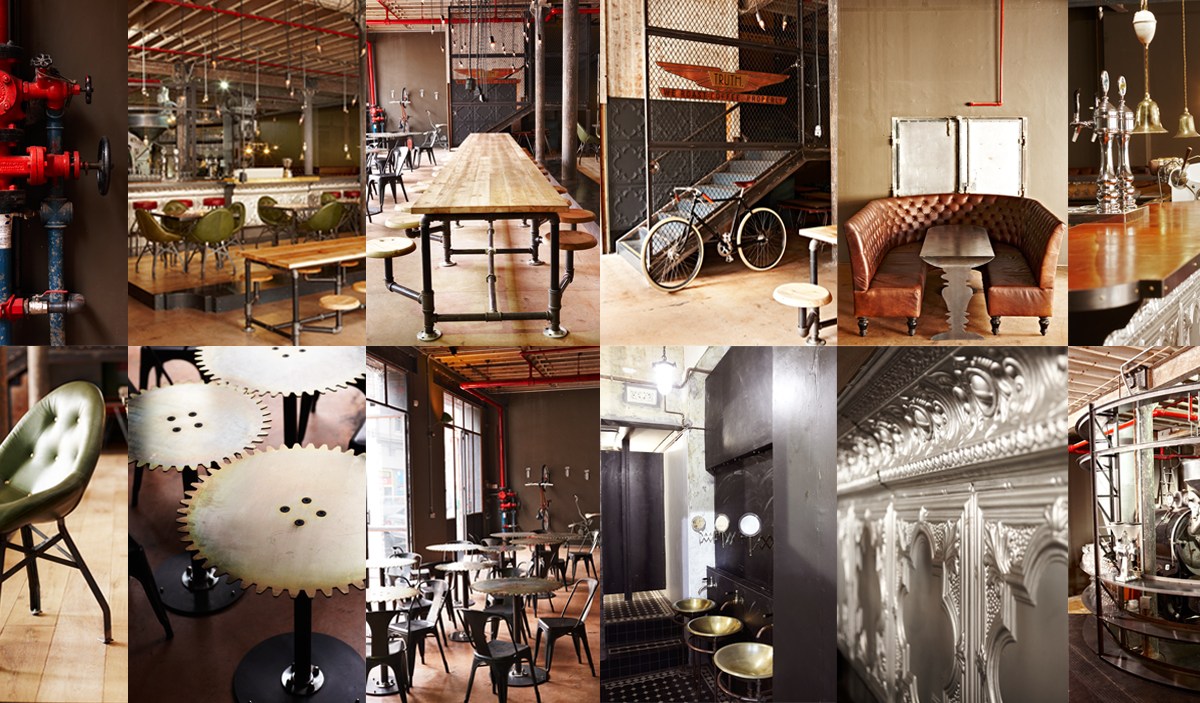
‘There are few cafes in the world as stunning as Truth, a ‘steampunk inspired’ artisan coffee shop that is filled from top to bottom with metal piping and quirky old machinery. But people don’t just flock there for the decor – the coffee is all hand-roasted in a vintage cast iron drum, and the company supplies many of South Africa’s top hotels.’ – Telegraph UK


Durban Bunnies

Kwazulu-Natal, or more specifically, Durban, is well known for its sensational curries… Varying in heat tolerance levels, arguing over who makes the best curry is bound to end in a few arguments….

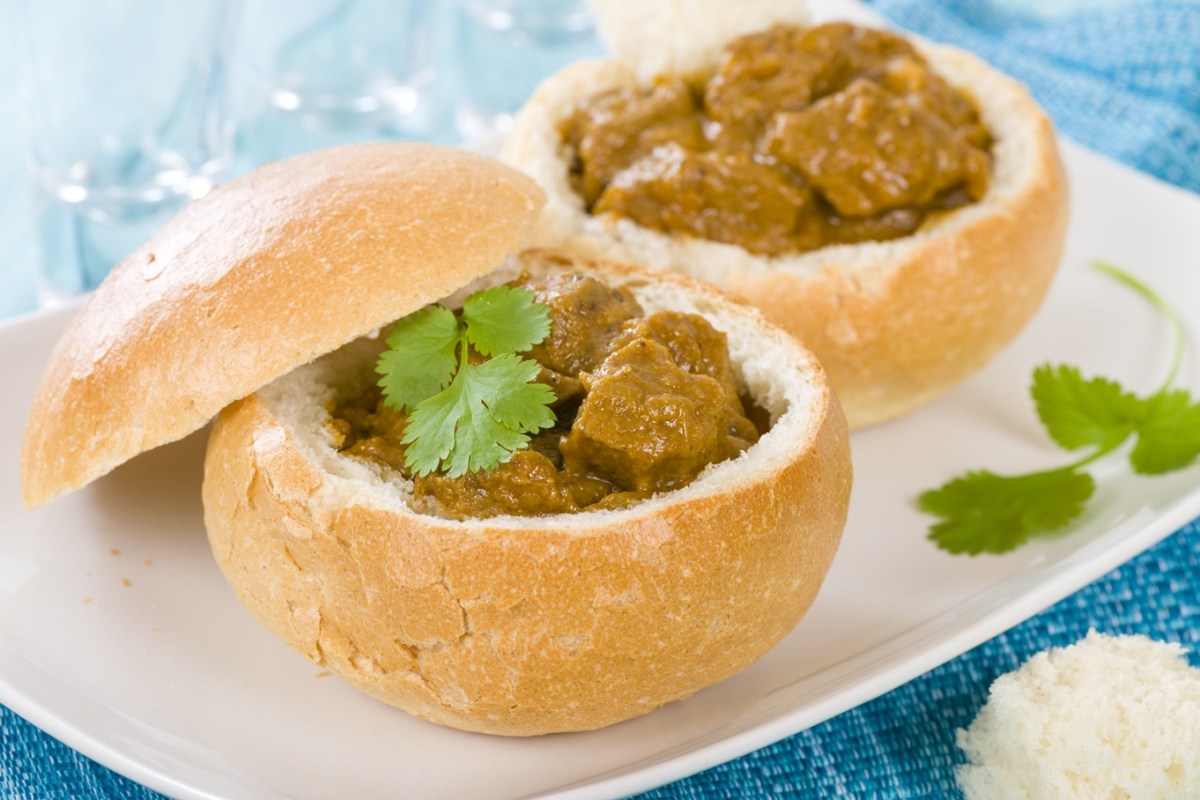
And then there was the ‘bunny’!  A hollowed out quarter, half or full loaf of white bread is filled with your choice of mutton, lamb, chicken or bean curry.  Traditionally eaten using the fingers, the gravy from the curry filling soaks into the walls of the hollowed out bread…. delicious!

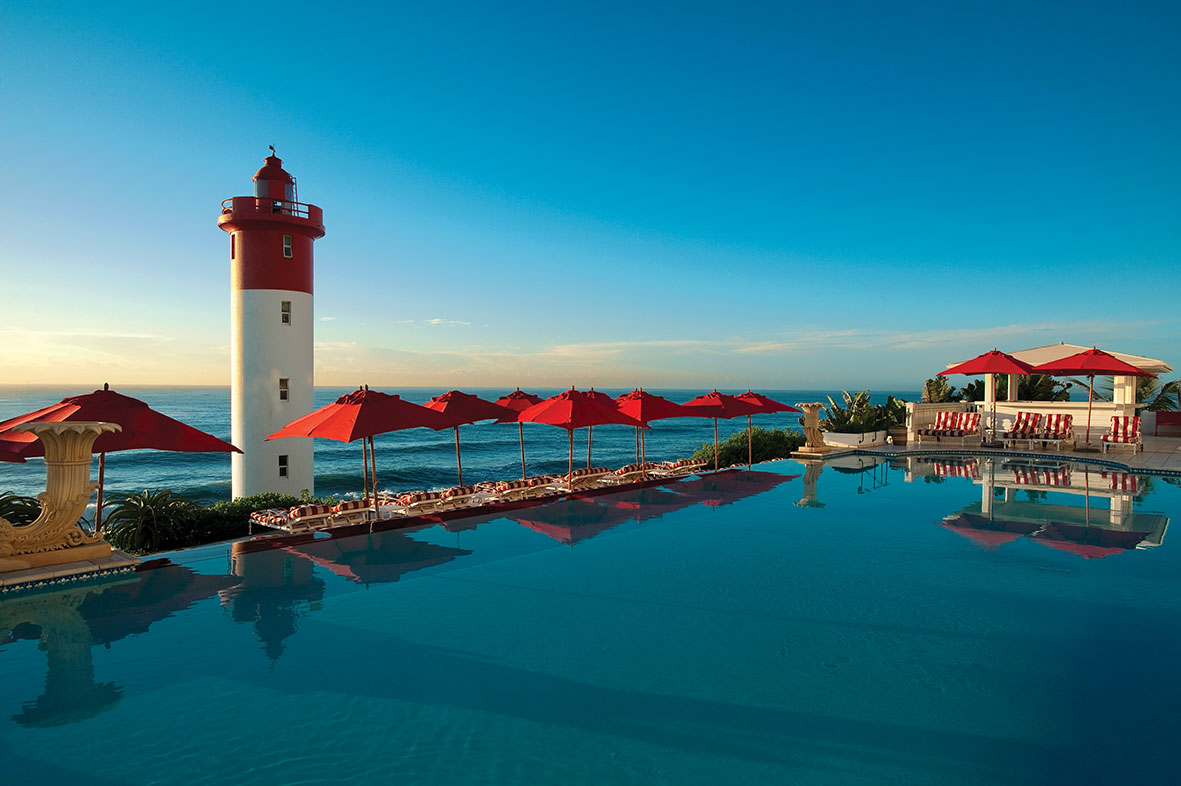
Try out the Oyster Box Hotels Chicken and Prawn Bunny:

Ingredients:

1kg cubed chicken breast fillets
500g prawns de-shelled
50g garlic paste
20g ginger paste
4tbsp sunflower oil
100g butter
30g paprika
2 tomatoes pureed
20g cumin powder
30g garam masala
50ml pureed tomato
100g onion paste
40g mixed masala
20g dhania powder (coriander powder)
1 sprig of curry leaves
50g chopped dhania (coriander)
1 loaf of white bread

Method:

1 Heat the oil in a deep sauce pan.
2 Add the onion, ginger, garlic, paprika, cumin powder, garam masala, dhania powder and the mixed masala. Cook until fragrant.
3 Add the chicken and cook for a further four minutes.
4 Add the tomato puree and cook for eight minutes.
5 Add the prawns and curry leaves and allow it to reduce to a sauce consistency.
6 Season with salt.
7 Add clarified butter to finish the dish
8 Slice the loaf of bread into halves, hollow out the soft interior and spoon the curry mixture into the hollowed-out bread.
9 Garnish with fresh coriander and serve with sambals.
10 Optional to serve with crayfish on the side.

LR_Preferred_Durban_pg72_Oyster Box_1

The Best Wine in the World is From South Africa!

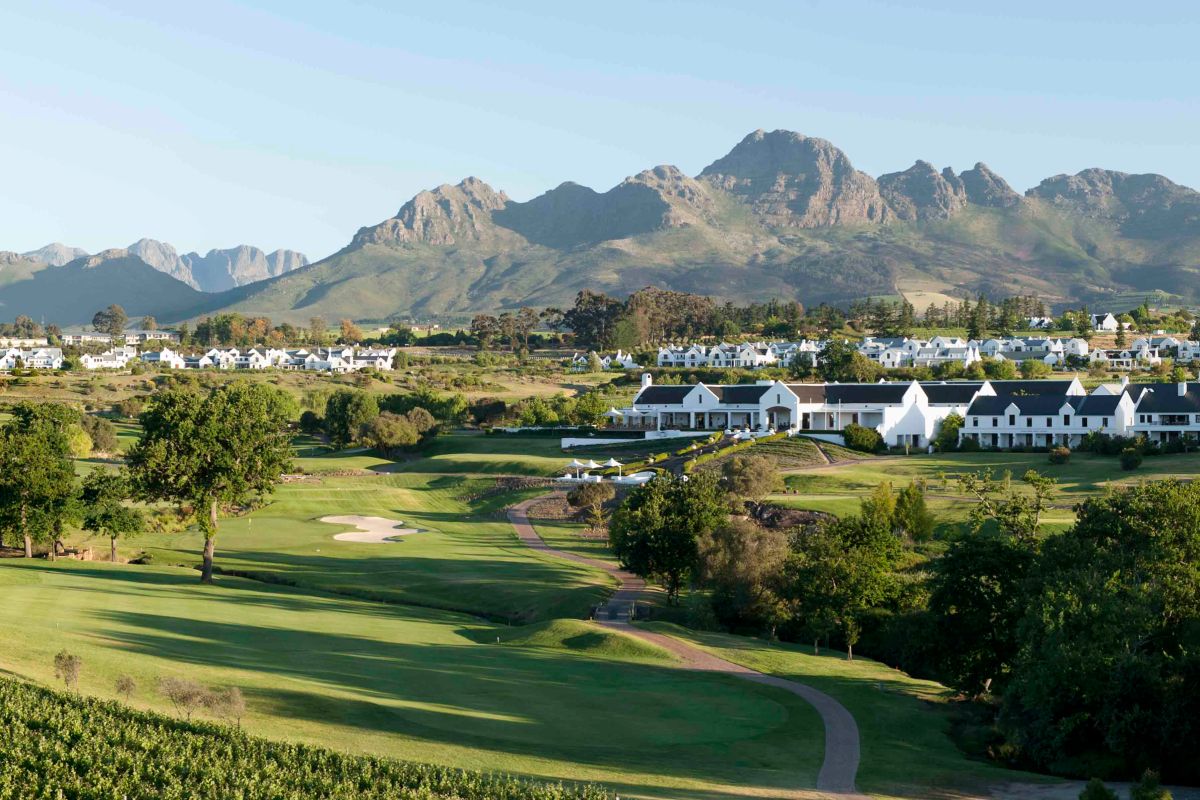
At the 2015 Concours Mondial de Bruxelles competition, it was a Chenin Blanc 2013 from the Kleine Zalze Family Reserve that was named ‘best wine in the world’!  Voted for by a panel of 299 experts, the wine was crafted from different soils (Granite, Oakleaf and Duplex) and each contributed to the best quality level of fruit and palate structure. The grapes were harvested from Bush vine vineyards and from three different wards in Stellenbosch.  At the core of the Kleine Zalze philosophy is a strategy of nurturing and developing all the components involved in the process: the vineyards, the cellar, and the people.

Kleine Zalze is an inspiring example of true South African entrepreneurship!  To have been voted the winner by the Concours Mondial de Bruxelles, considered the ‘wine world championship’ is a incredible accolade.  Congratulations to Kleine Zalze, owner Kobus Basson and all of his colleagues at Kleine Zalze.