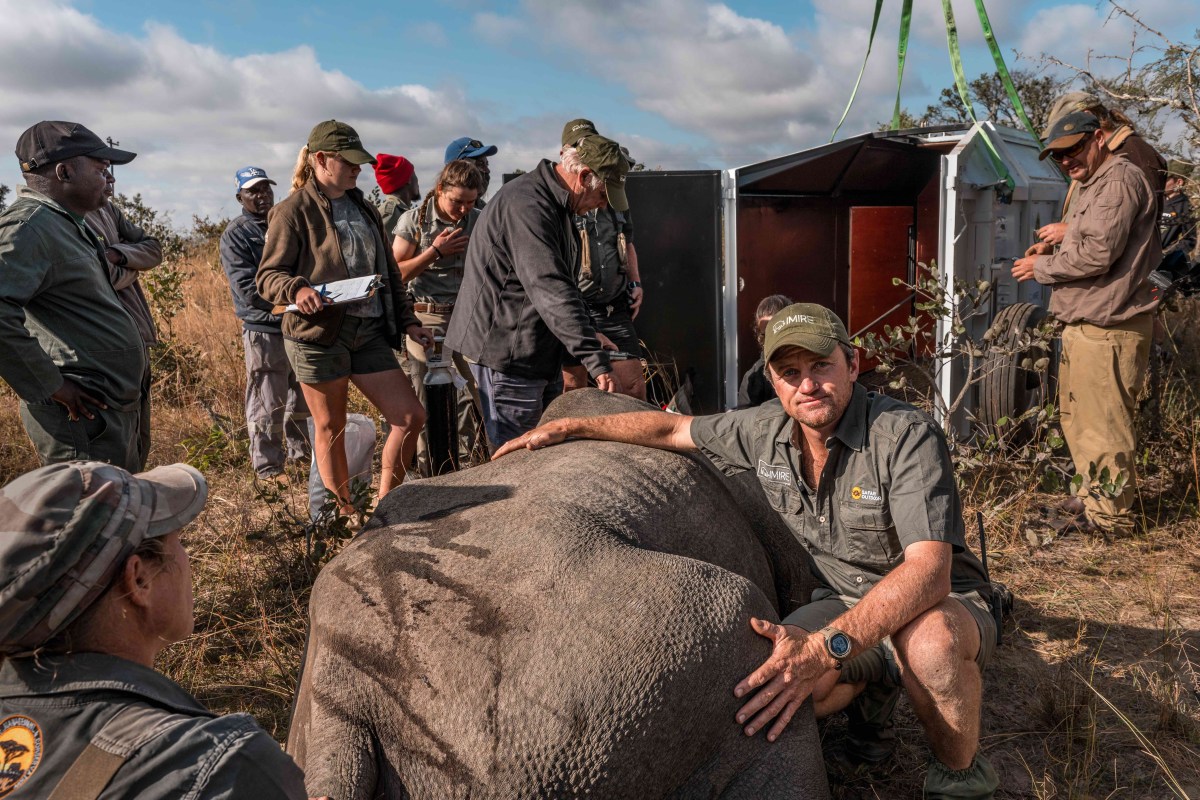
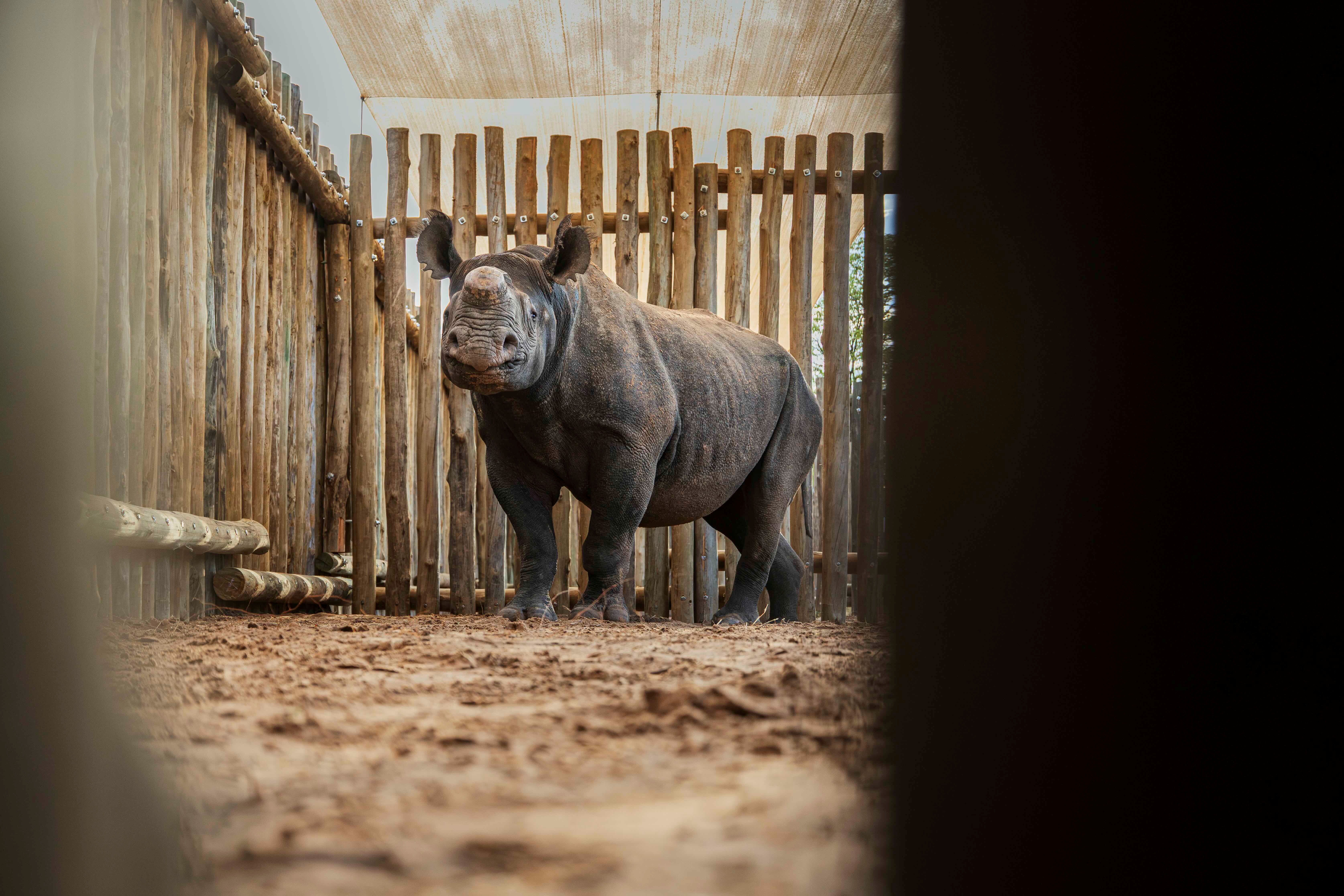
There are moments in conservation that feel truly historic and the return of black rhino to Matusadona National Park is undoubtedly one of them. Just last week, a group of critically endangered black rhino was reintroduced to Matusadona, marking the return of a species that once defined this landscape.
More than 20 years ago, rampant poaching led to the disappearance of rhino from the park, with the last remaining animals removed to safer locations in a desperate effort to protect them. Today, thanks to decades of dedicated conservation work, their descendants have ‘come home’.
‘Words cannot describe the feeling of watching these rhino touch ground once again in Matusadona. It is a moment filled with pride, hope, and belief in the power of long-term partnership and shared vision. Today is not only about the rhino themselves, but about the extraordinary dedication shown over the past 25 years by rangers, conservationists, partners and local communities who helped safeguard these animals for their eventual return to their rightful home range.’ – Reilly Travers, Conservancy Manager of Imire Rhino and Wildlife Conservancy
The reintroduction is a powerful symbol of Matusadona’s remarkable recovery. Since African Parks and ZimParks entered into a long-term co-management agreement in 2019, the park has undergone an extraordinary transformation. Wildlife populations are rebounding, protection and law enforcement have been strengthened and species such as wild dog, sable and now black rhino are once again part of the ecological diversity for which Matusadona was once renowned.
For your clients staying with us at Changa, this is an exciting reminder that they are witnessing a conservation success story in real time. While rhino sightings are not yet part of the safari experience, their return represents something even more significant: a future in which Matusadona once again thrives as one of Africa’s great wilderness areas.
Every game drive, boat excursion and guided walk takes place within a landscape that is being carefully restored, protected and re-wilded… for years to come.
Article compliments of The Hide & Changa Safari Camps
There are safari days that are good… and then there are days that stay with you forever.
On a recent personal family trip to Hluhluwe, we experienced one of those unforgettable days.
Travelling as a group of eight, spanning generations and including my son’s girlfriend visiting South Africa for the very first time from Denmark, we set off just after 07h00 with our guide, Mtoko, from On Safari Africa. By 16h00, we had experienced one of the most unexpectedly memorable game drives possible.
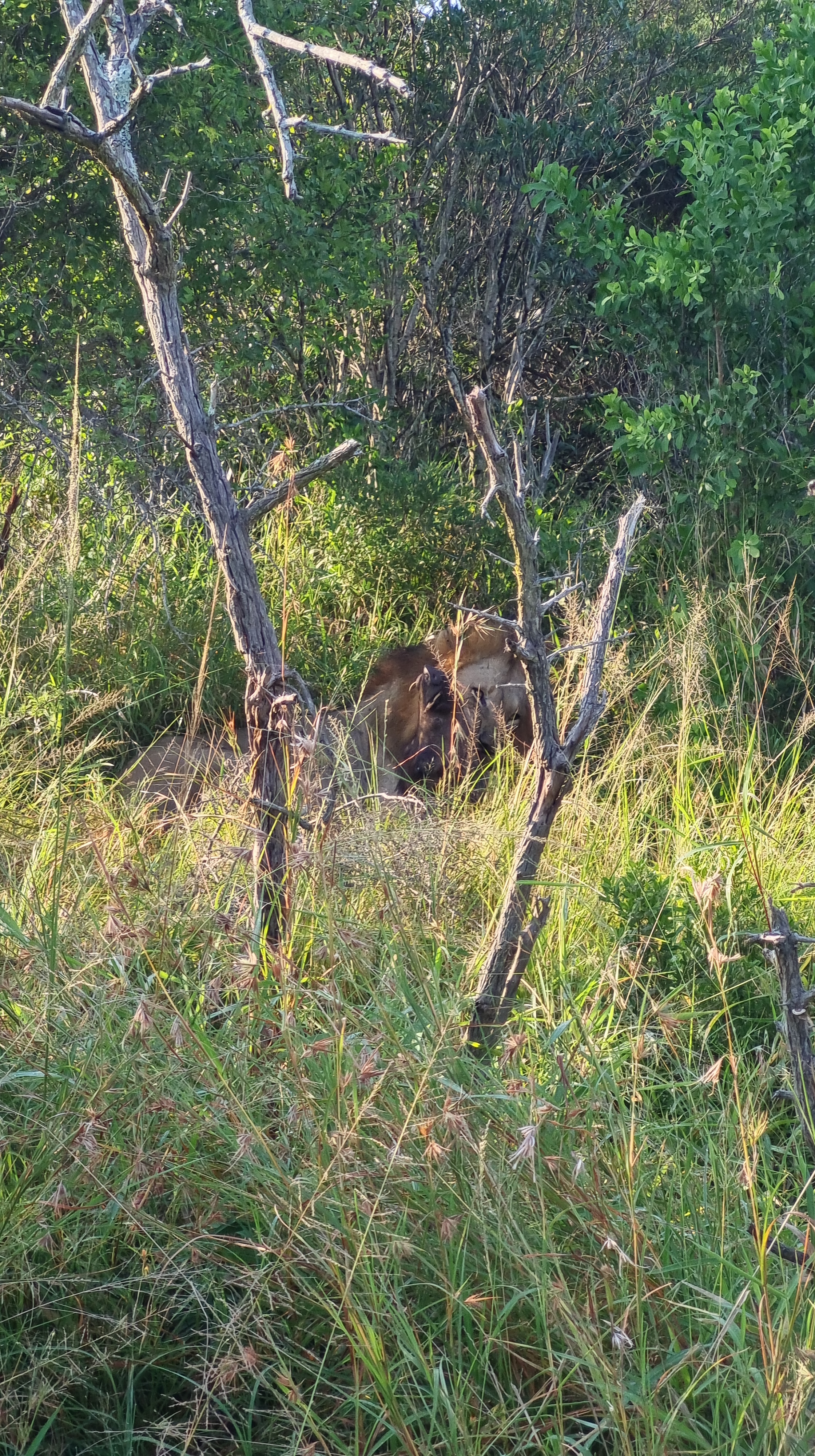
It didn’t take long for Hluhluwe to start delivering. One of our earliest major sightings was unforgettable: two male lions on a kill. The rawness of the moment, combined with the stillness of the surrounding bush, was a powerful reminder of the rhythm of life in the wild.
That certainly set the tone for the day. Poor old Mtoko (our guide) must have felt quite a bit of pressure from that point on (especially when we jokingly informed him we couldn’t leave until we’d seen a leopard…). But he certainly delivered!
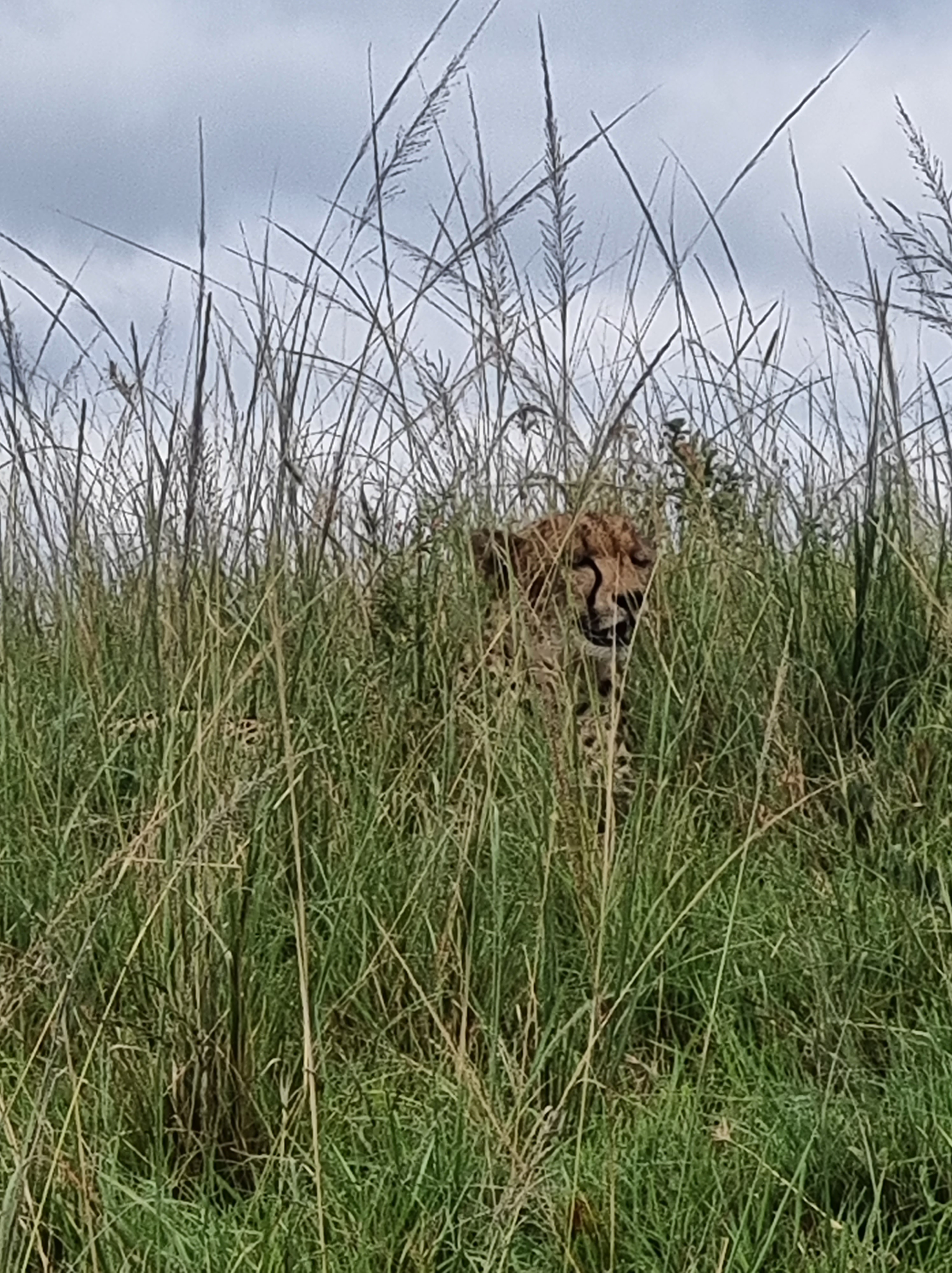
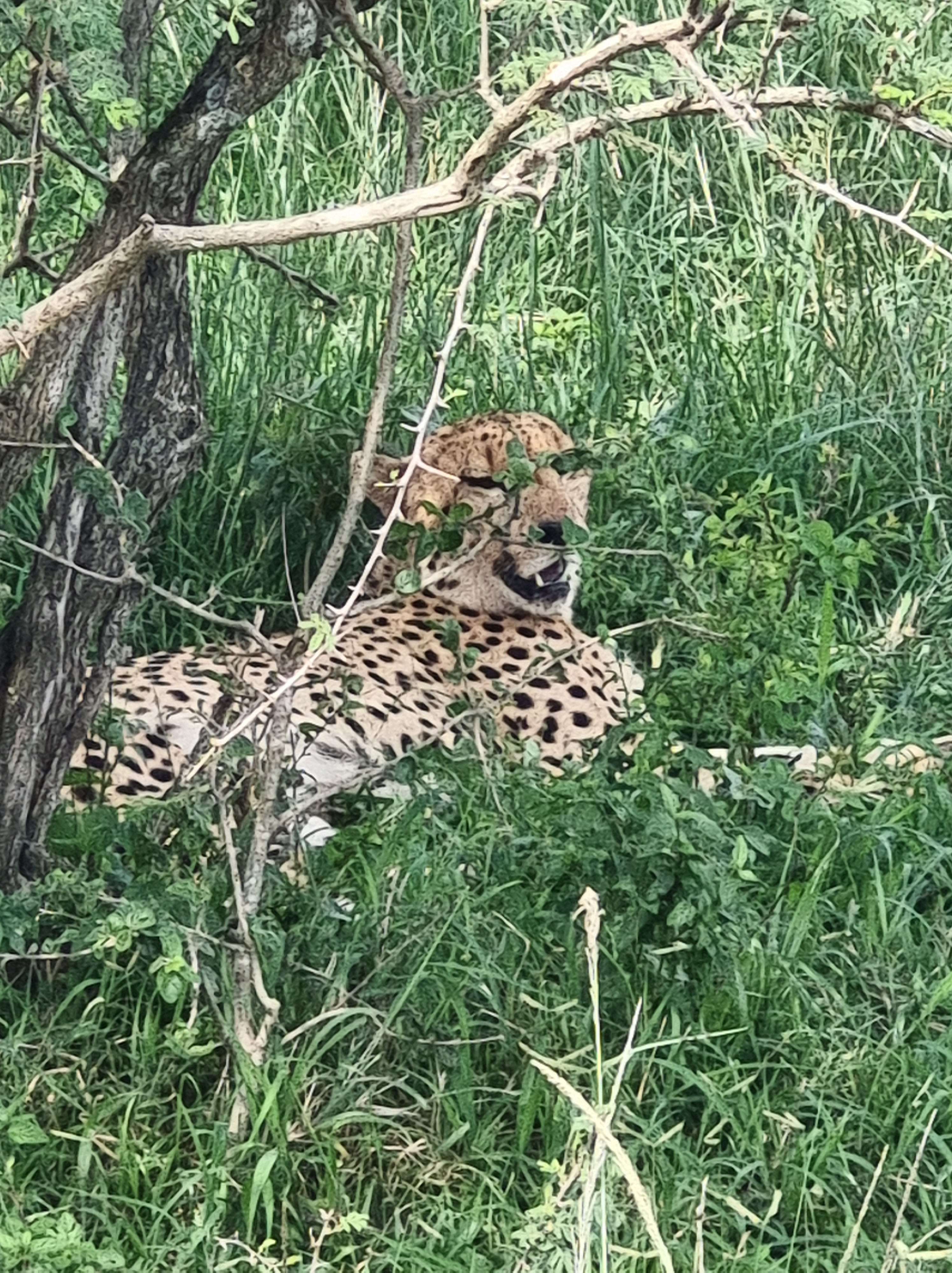
Cheetah sightings are always special – but three in one day? First, a lone cheetah walked calmly past our vehicle, completely unbothered by our presence. Later, we came across three more cheetahs resting in the sun, offering a rare and relaxed view of these usually elusive cats. Even Mtoko was genuinely excited (although perhaps because some of the leopard pressure was eased at that point).
The elephant sightings alone would have made the day worthwhile.
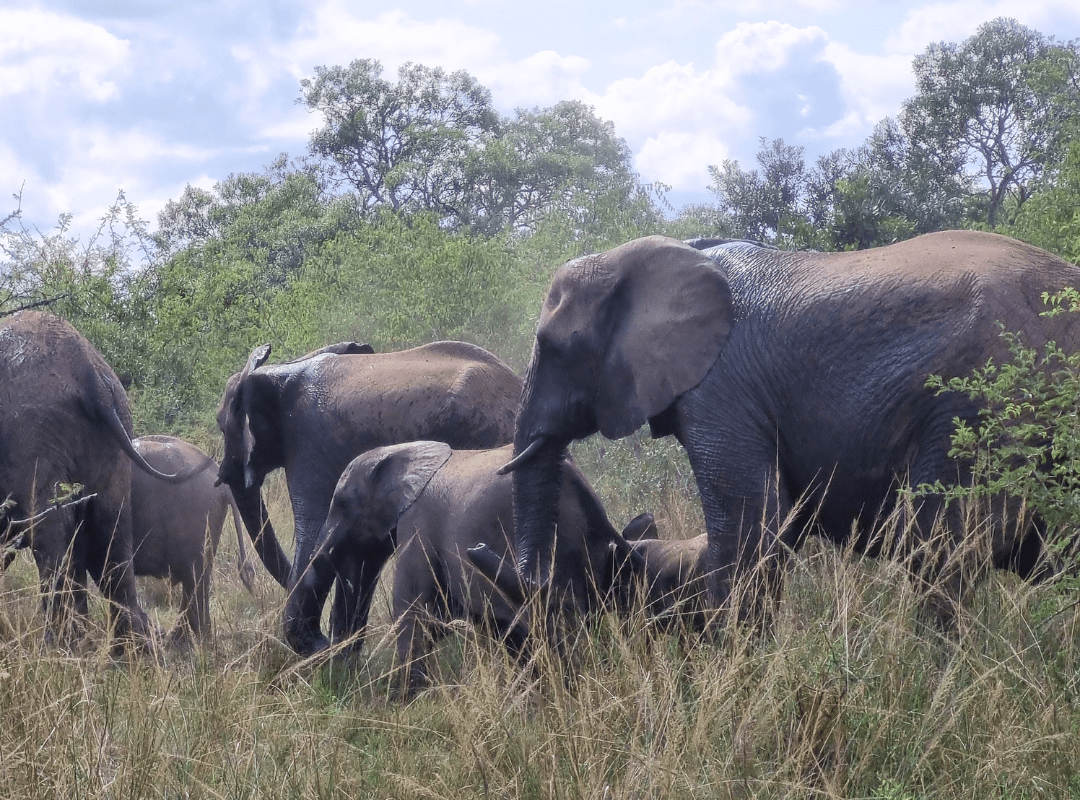
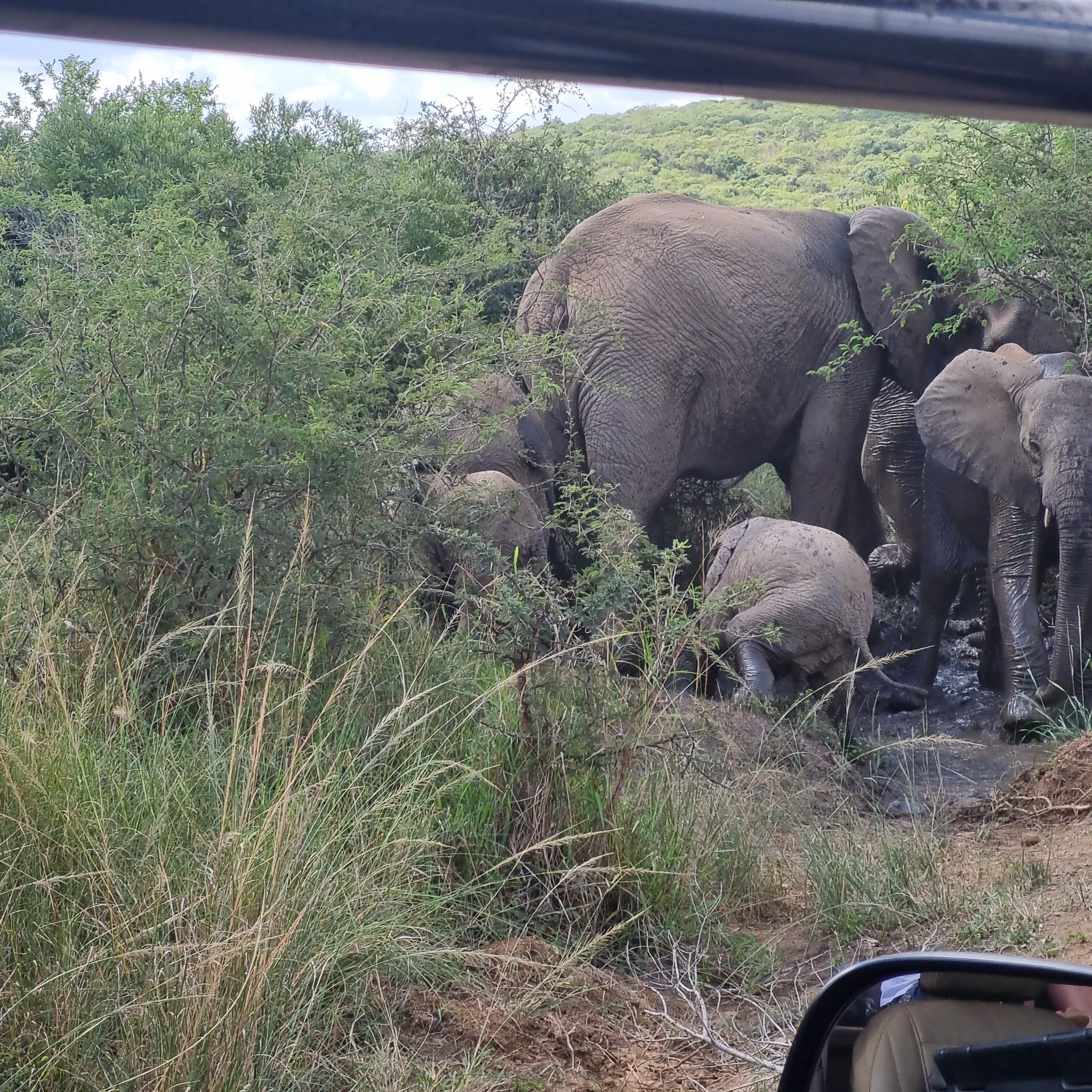
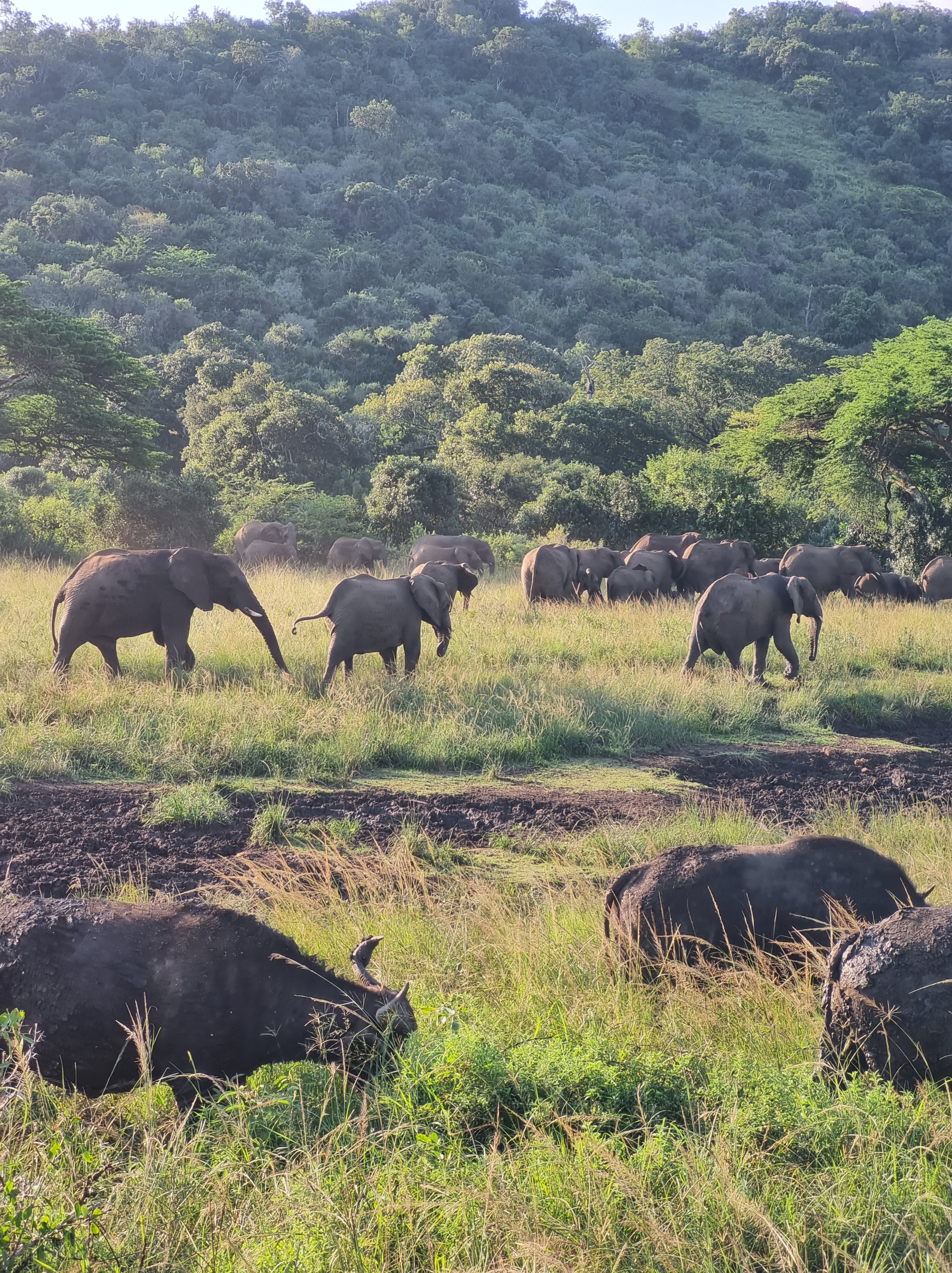
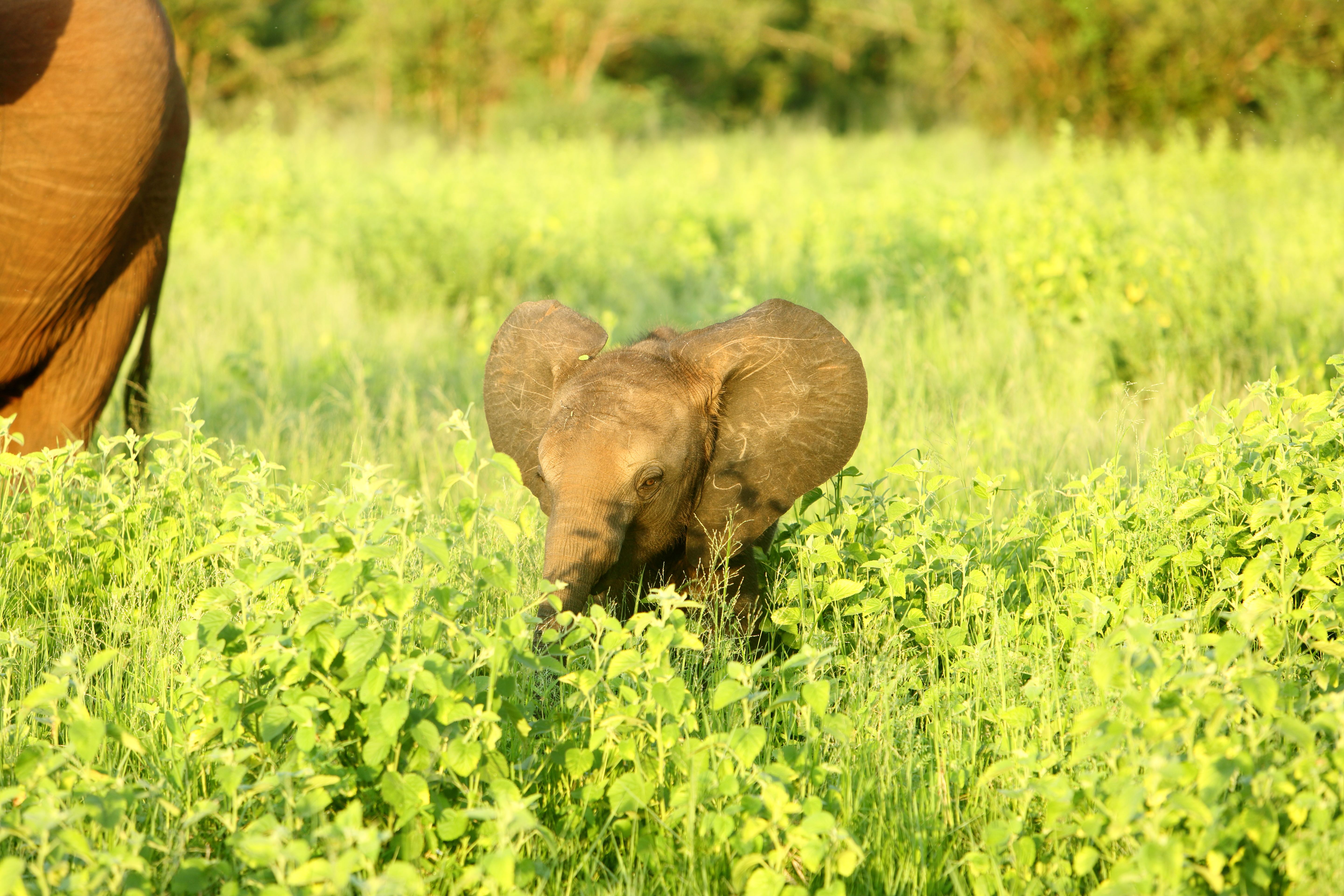
We spent time with a small breeding herd, including two babies, in a peaceful, almost intimate setting. After lingering at a small mud hole, the elephants began covering themselves in dust, coating their skin in a fine layer as protection from the sun, while the younger ones stayed close and the adults moved protectively around them. It was a quiet, captivating moment, and a highlight in itself.
But the real drama unfolded later at a mud hole.
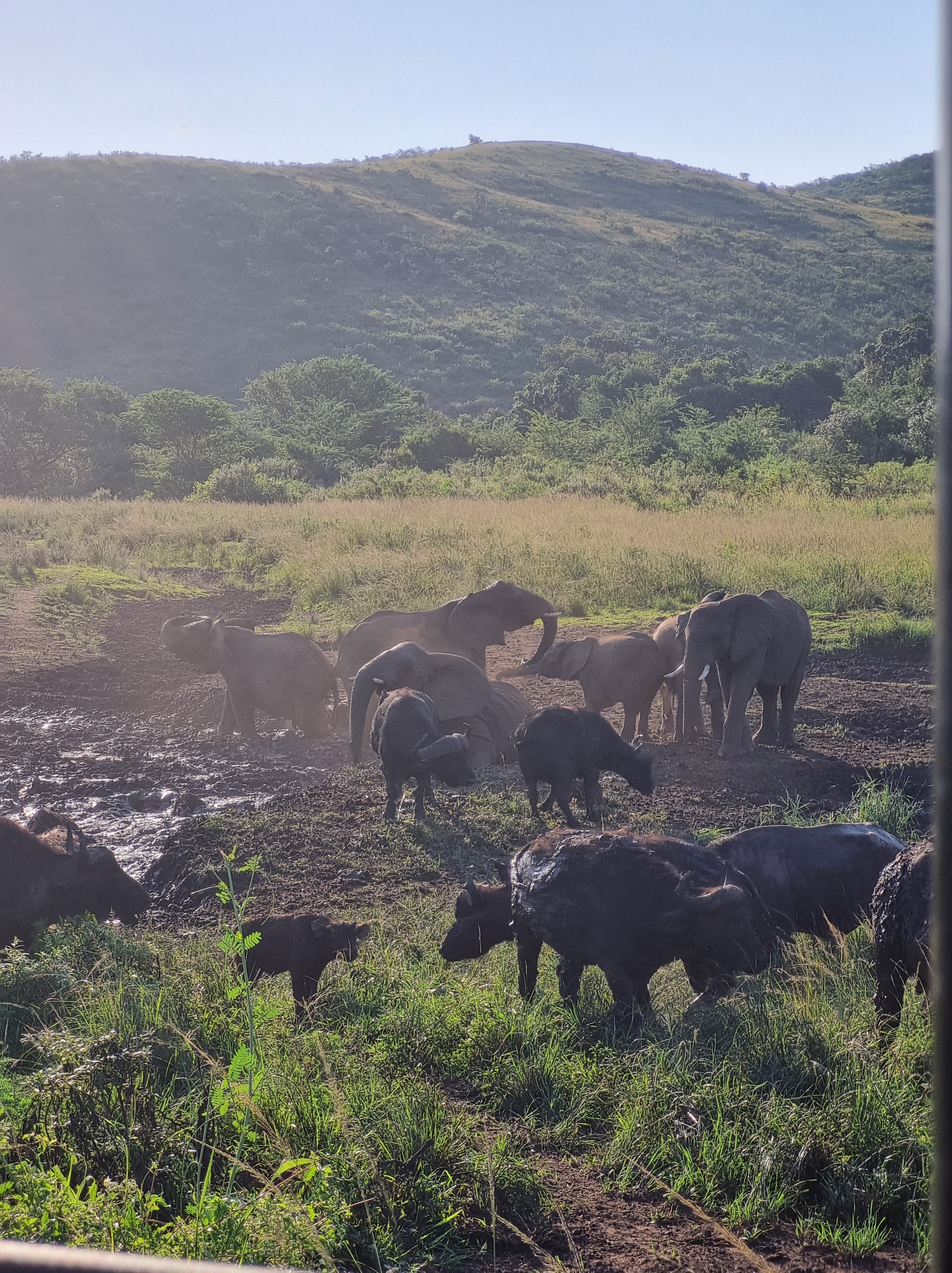
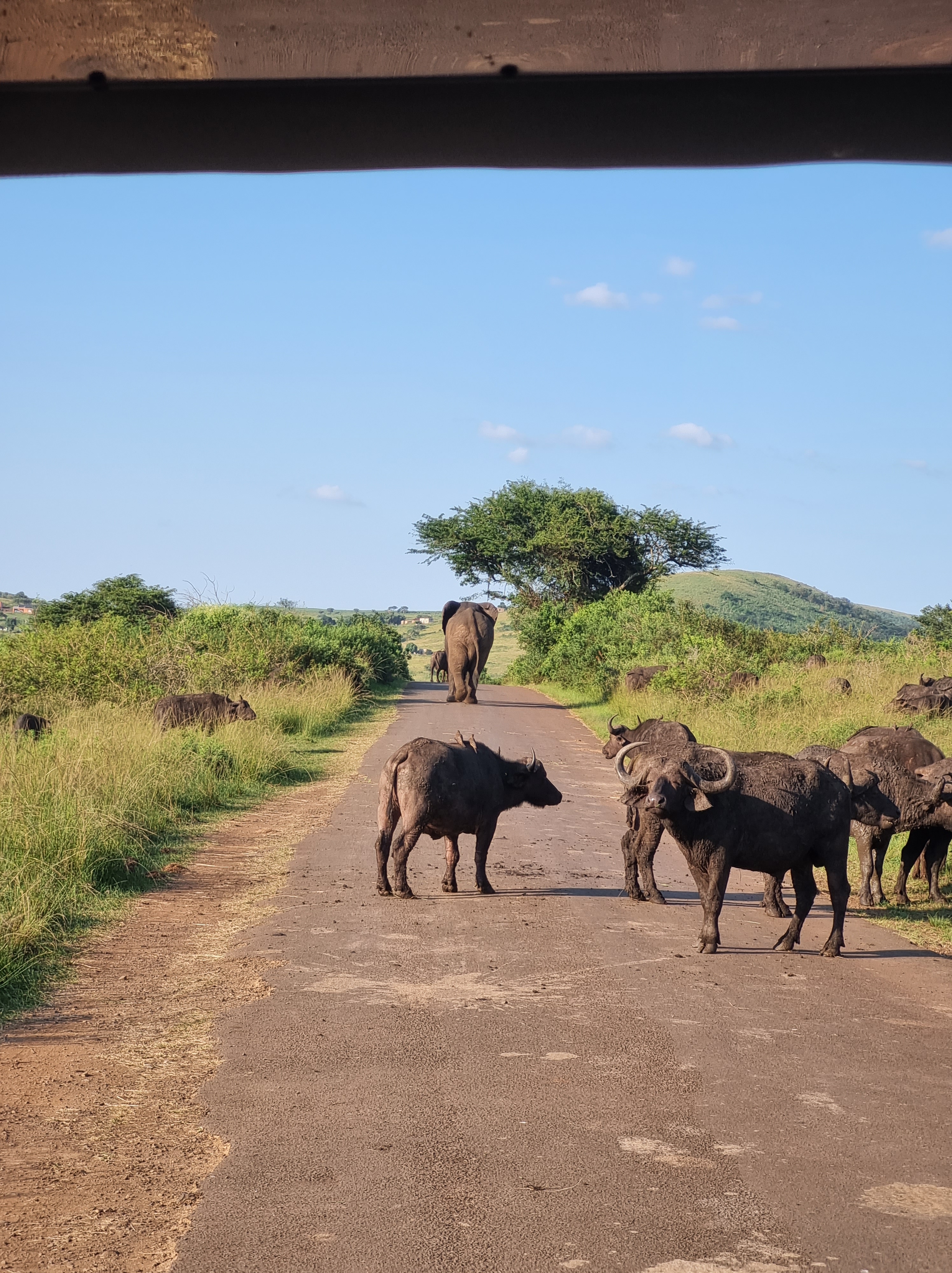
A large gathering of wildlife, mostly buffalo, and a few wildebeest and zebra, had already claimed the space when a massive herd of elephants arrived. Among them was a dominant bull in musth, and his presence changed everything. Within moments, the entire scene shifted. The elephants surged forward, and in a powerful display of dominance, the existing herds scattered. It really was an example of nature asserting itself in the most dramatic way.
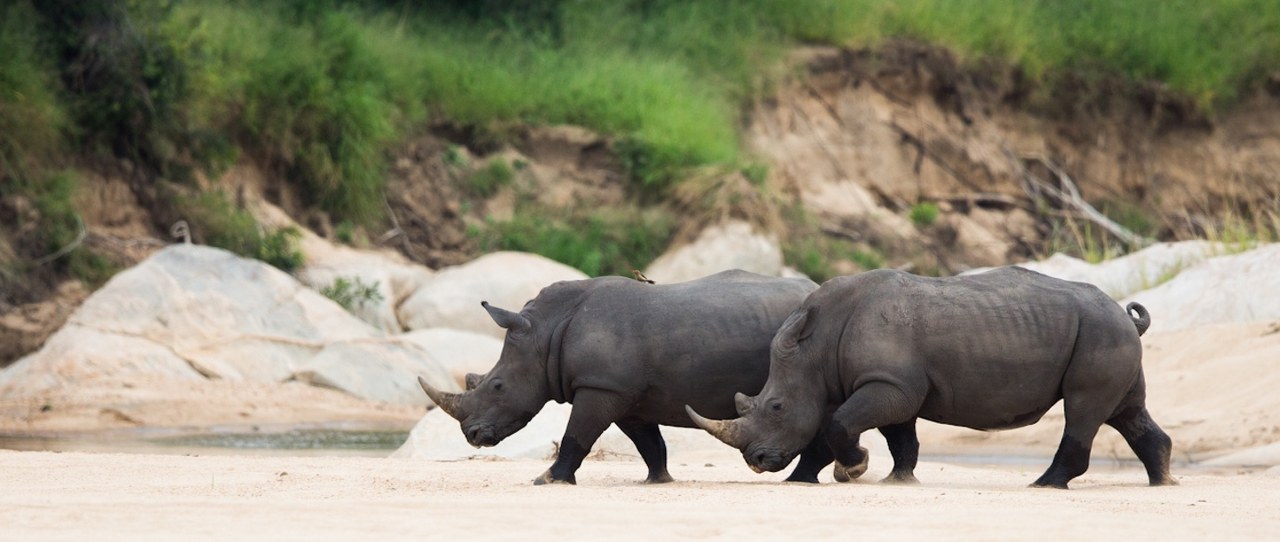
Hluhluwe is, of course, renowned for its rhino, and it didn’t disappoint. We encountered a crash of rhino that, surprisingly, seemed almost playful, interacting, moving together, and allowing for extended viewing.
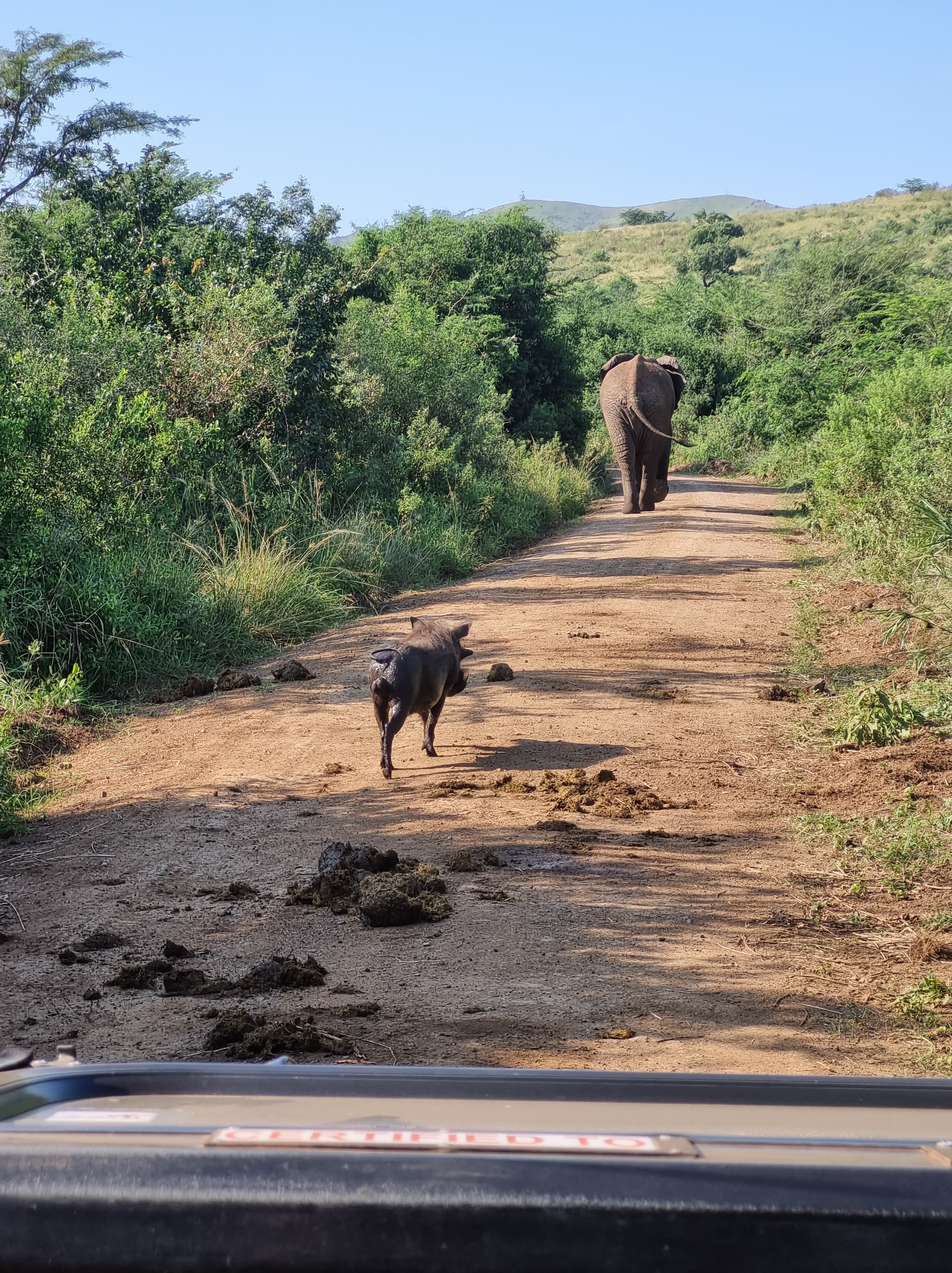
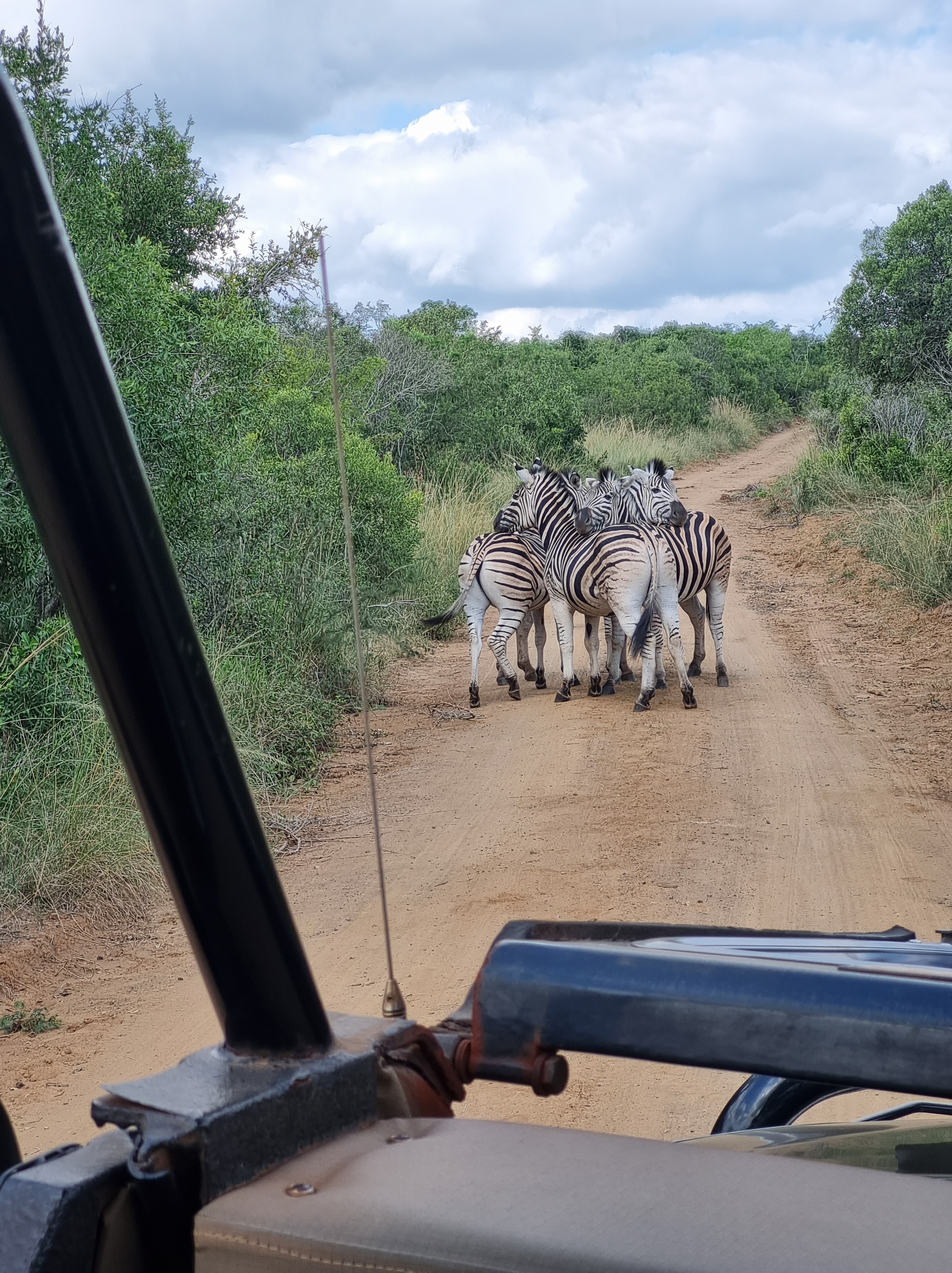
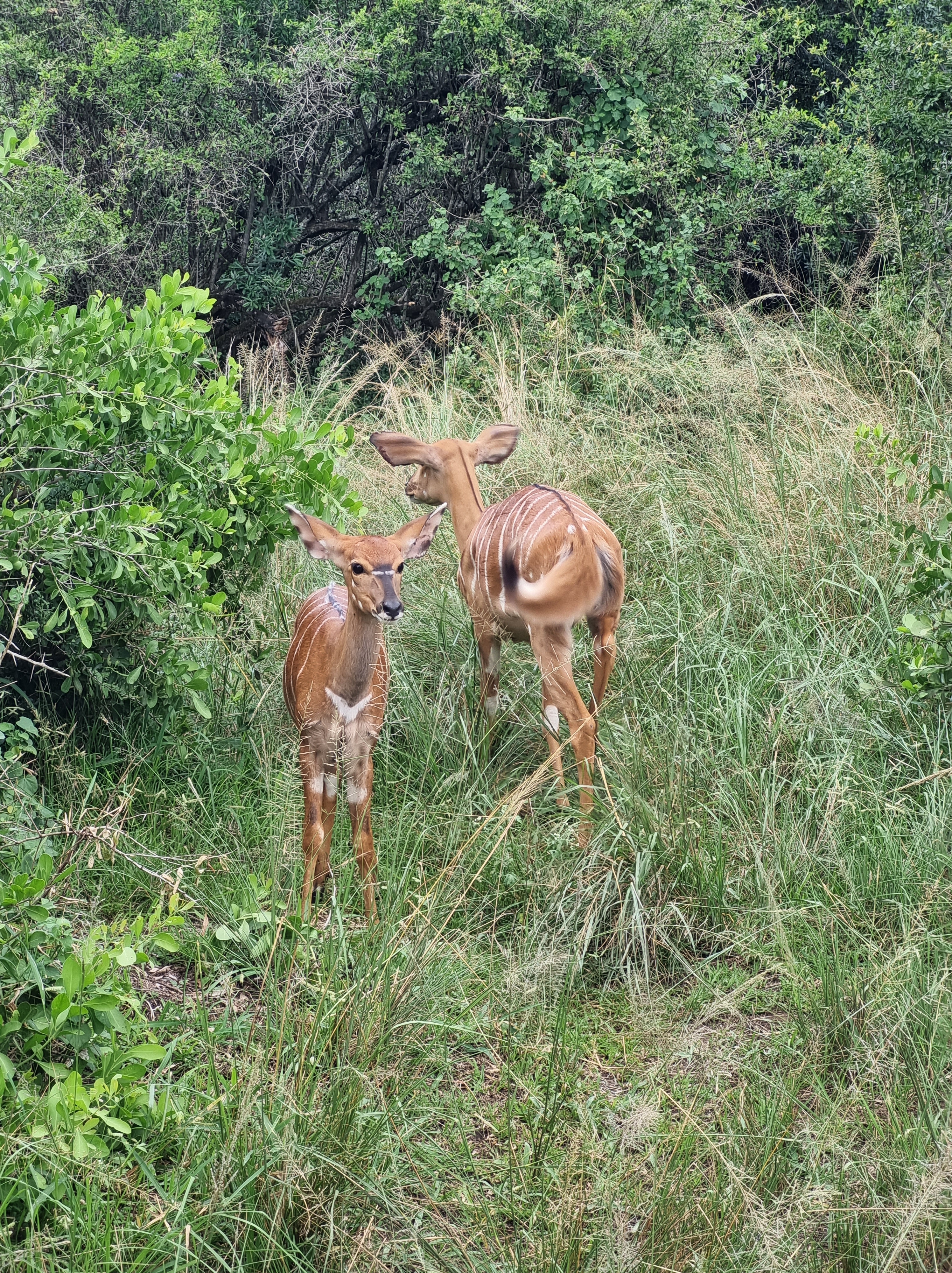
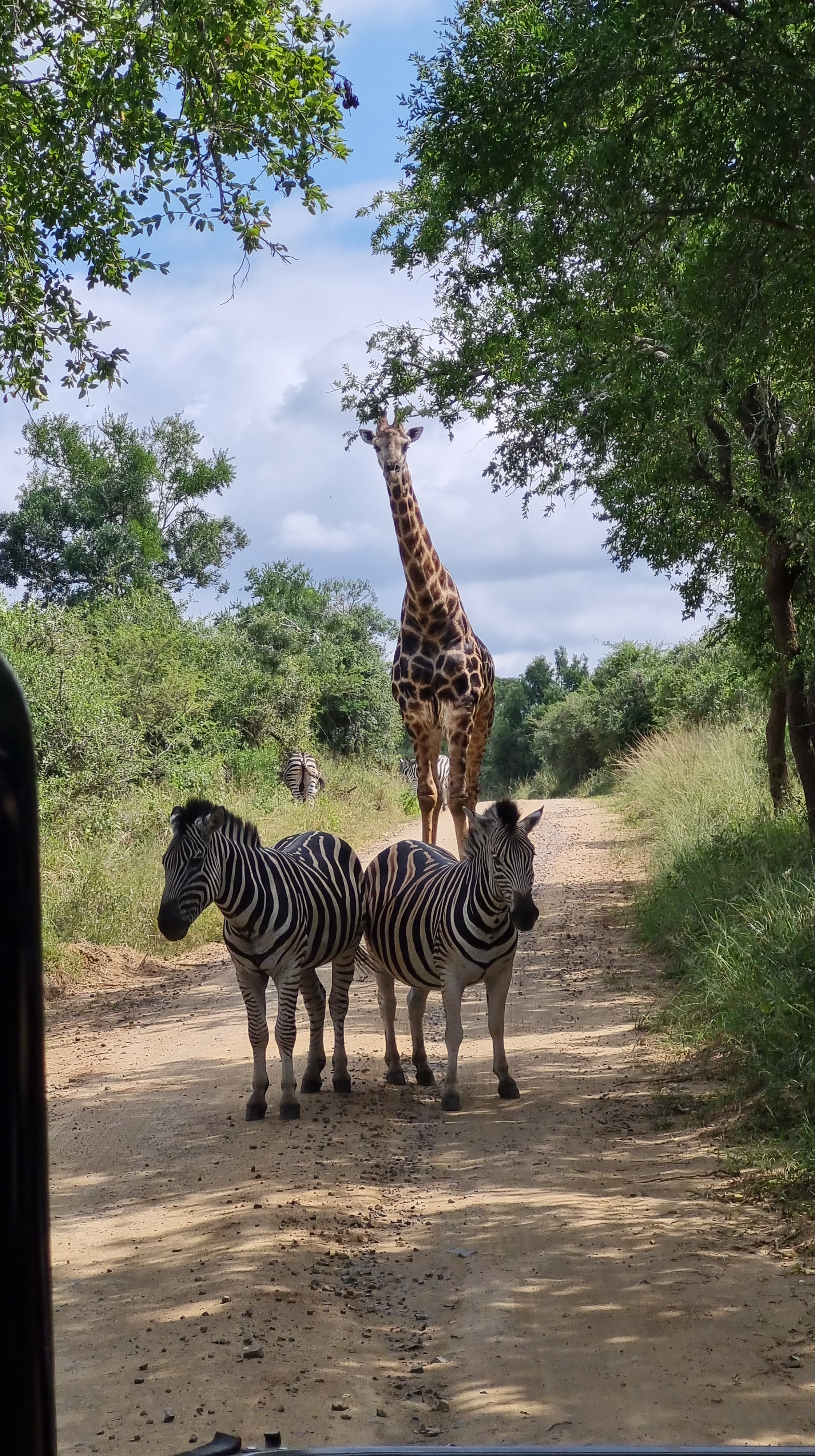
We also enjoyed classic sightings of nyala, impala, giraffe, zebra, warthog and more, each adding to the richness of the day.
One of the joys of a guided safari is what you learn along the way. Mtoko shared a fascinating insight about elephants: they often have one tusk that is more worn than the other, as they favour it, almost like a dominant hand, when stripping bark or digging. It’s small details like this that deepen your appreciation for every sighting and highlight the importance of a great guide.
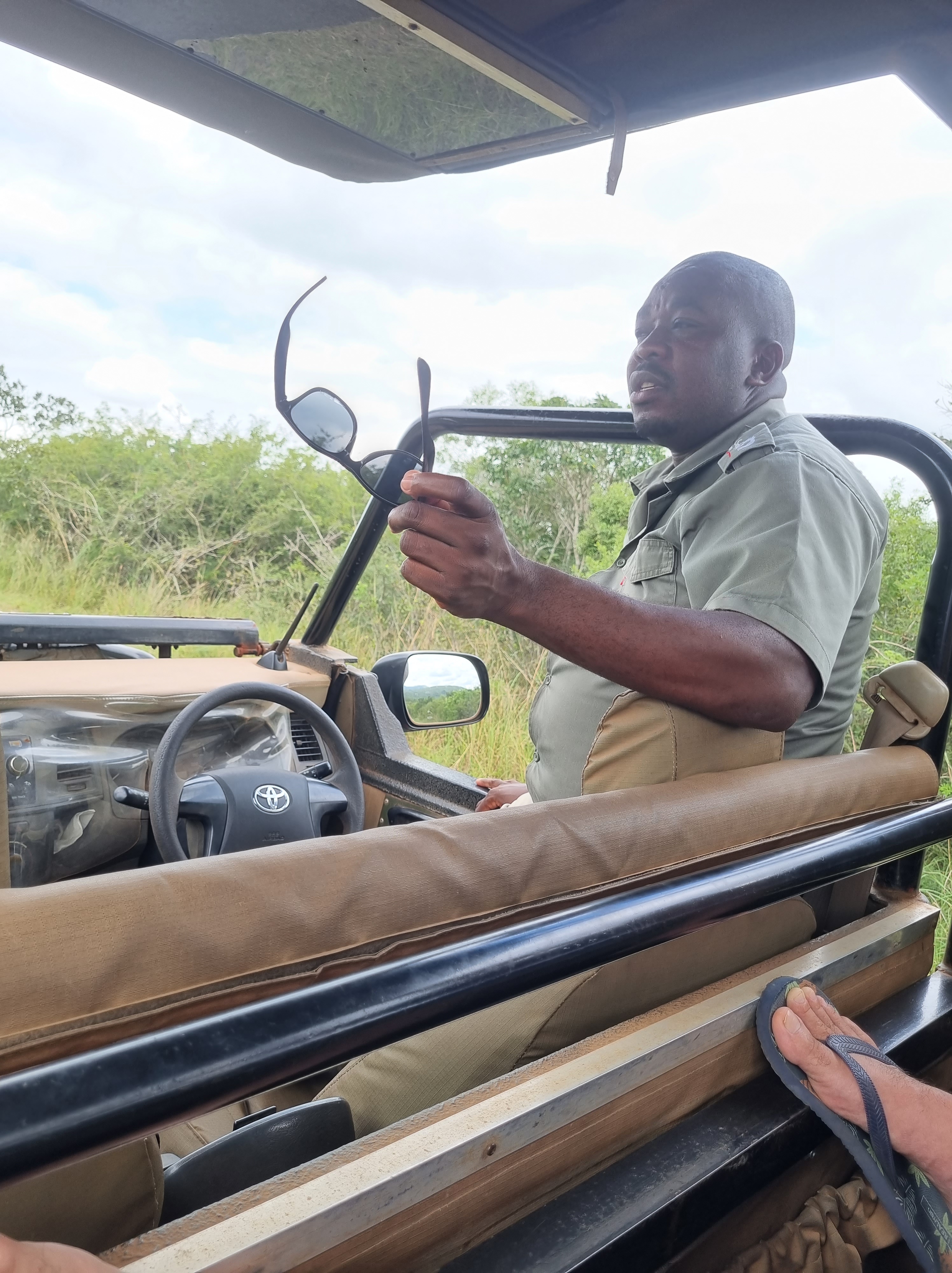
Mtoko from On Safari Africa, played a huge role in shaping the experience, balancing expert tracking, deep knowledge, and an instinct for being in the right place at the right time. Just as importantly, he knew when to pause, when to move on, and how to read both the animals, the moment, and us. And as I mentioned previously, he did his best to live up to our very big expectations… 😊
Hluhluwe is often overshadowed by bigger, more famous reserves, but days like this are a reminder of just how rewarding it can be. Diverse landscapes, exceptional wildlife density, and fewer crowds combine to create something truly special.
From lions on a kill to elephants in full force, from cheetahs at ease to rhino at ‘play’, this was more than just a safari. And as we drove out of the park that afternoon, tired, yes, one thing was certain – there are some safari days you don’t forget!
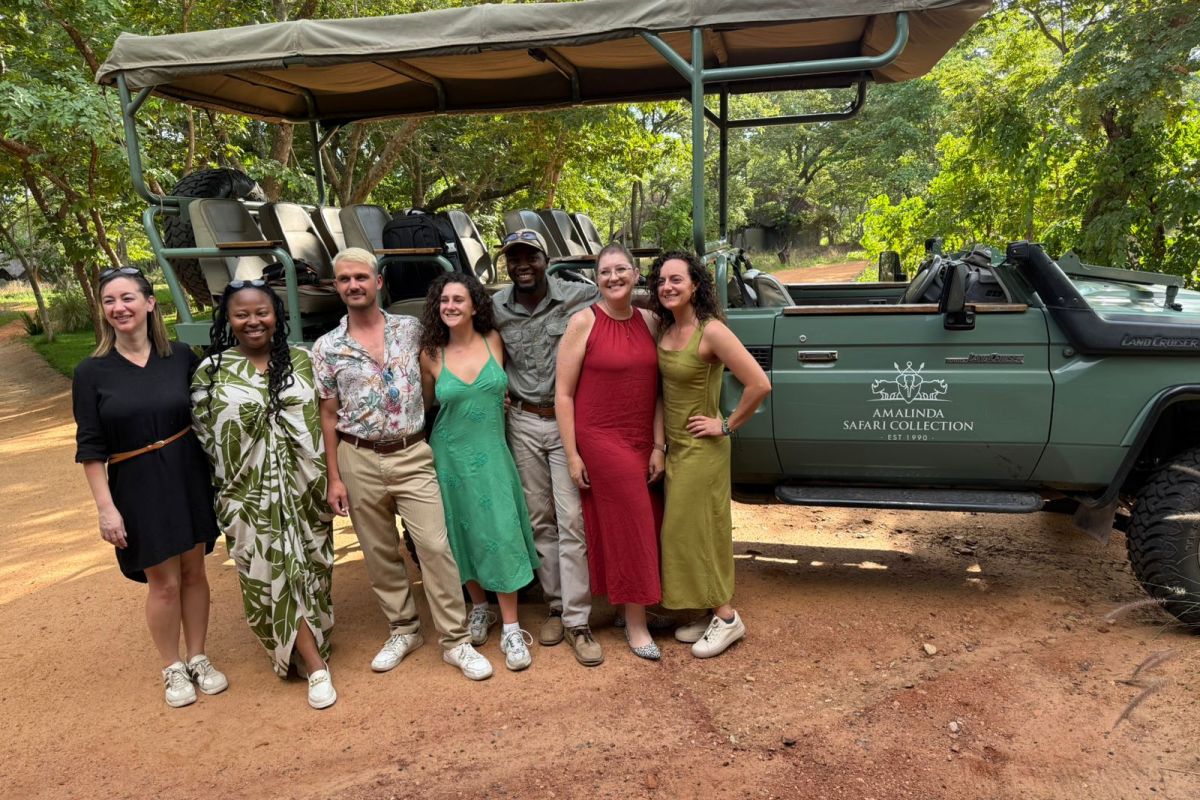
Immerse yourself in Amanda’s journey through Zimbabwe 🇿🇼 – from walking alongside rhino in Matopos, to the wildlife-rich plains of Hwange, and the awe-inspiring power of Victoria Falls. A destination that delivers depth, diversity, and truly unforgettable moments.
Day 1 – 2 | Matopos National Park – Amalinda Lodge
The journey began before sunrise, fuelled by excitement and zero sleep. After transiting through OR Tambo, we flew into Bulawayo – immediately met by heat, dry landscapes, and a very different pace. Security was tight, luggage took a beating (tip: wrap your suitcase), but spirits were high.
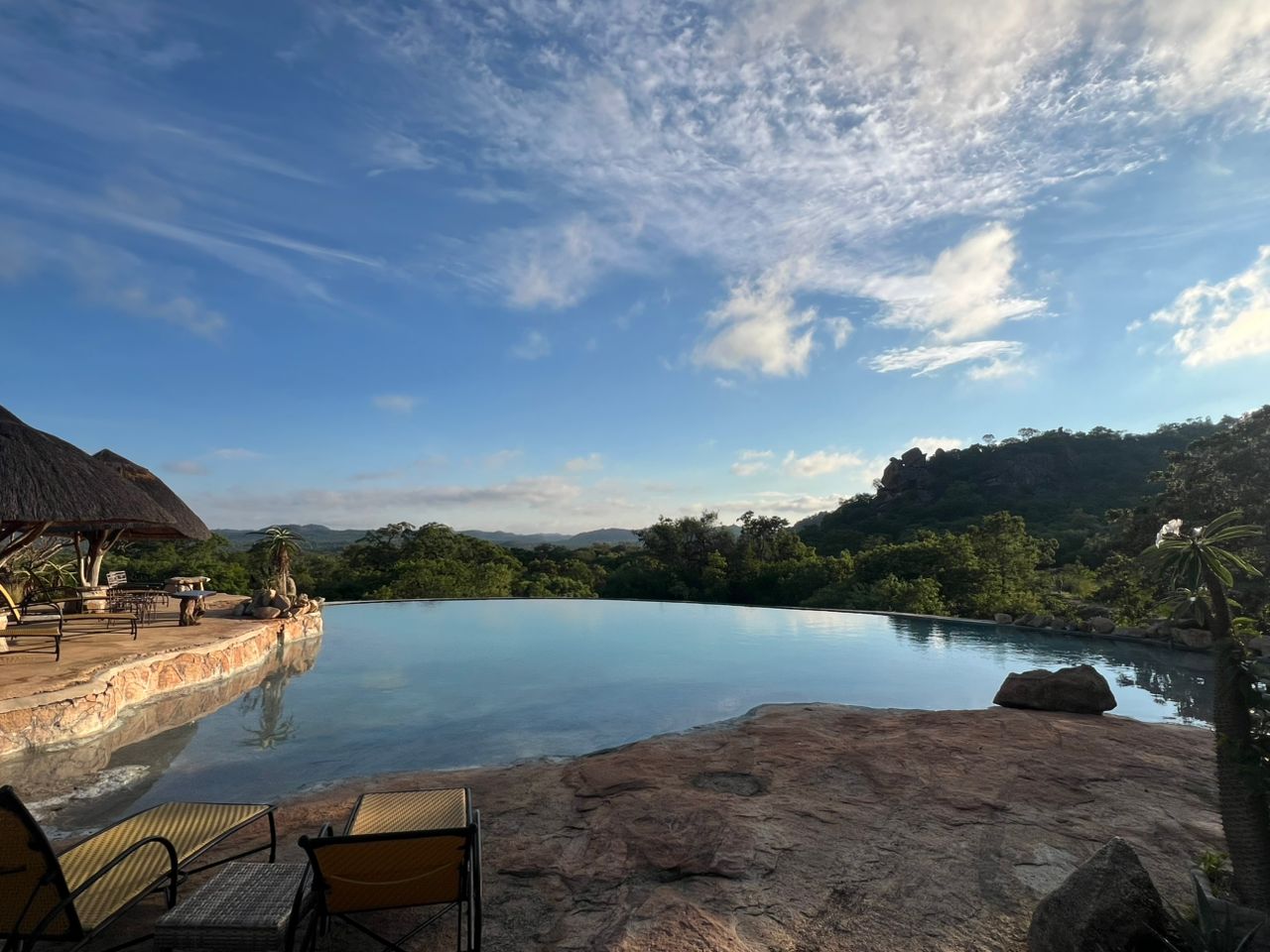
A scenic drive led us to Amalinda Lodge, a luxury property built into ancient rock formations. Wildlife greeted us on arrival, including a zebra–donkey hybrid (“zonkey”). The lodge is intimate, earthy, and deeply African, though not mobility-friendly due to stairs throughout.
Rooms are unique cave-style sanctuaries with outdoor-feel bathrooms and serene garden spaces. Lunch by the iconic rock pool, a site inspection (highlight: honeymoon suite with outdoor shower & outdoor viewing deck), and an afternoon at leisure set the tone. Evenings were spent around the fire with exceptional food and heartfelt hospitality.
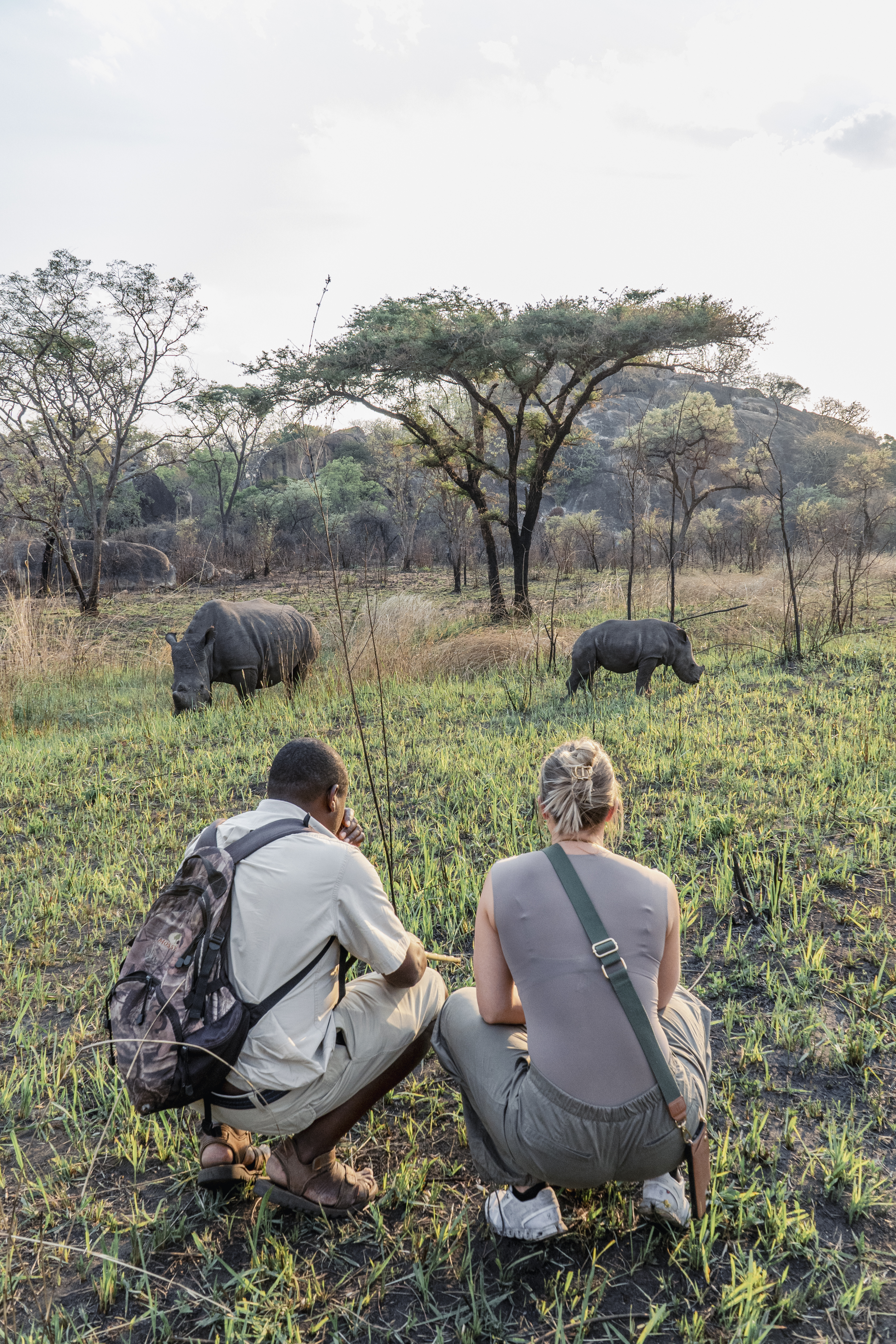
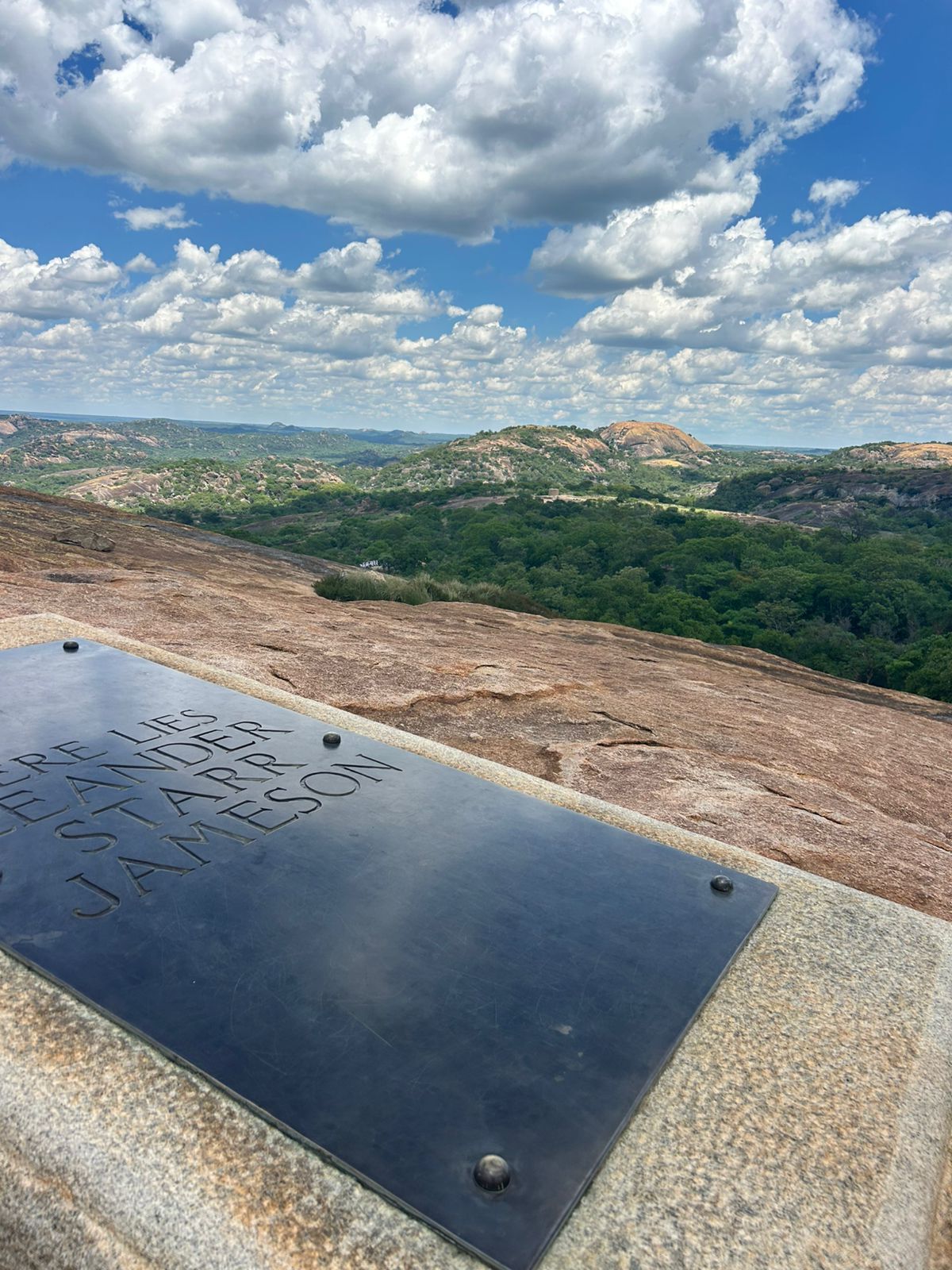
Day two delivered a standout experience: rhino tracking on foot. We encountered three rhinos at close range during a territorial confrontation – raw, intense, and unforgettable. This was followed by visits to Rhodes’ Tomb, historic monuments, and ancient rock art paintings, offering powerful insight into Zimbabwe’s layered history, indigenous knowledge, and spirituality. A fitting farewell dinner ended our time in the mountains.
Day 3 – 4 | Hwange National Park – Amalinda Concession
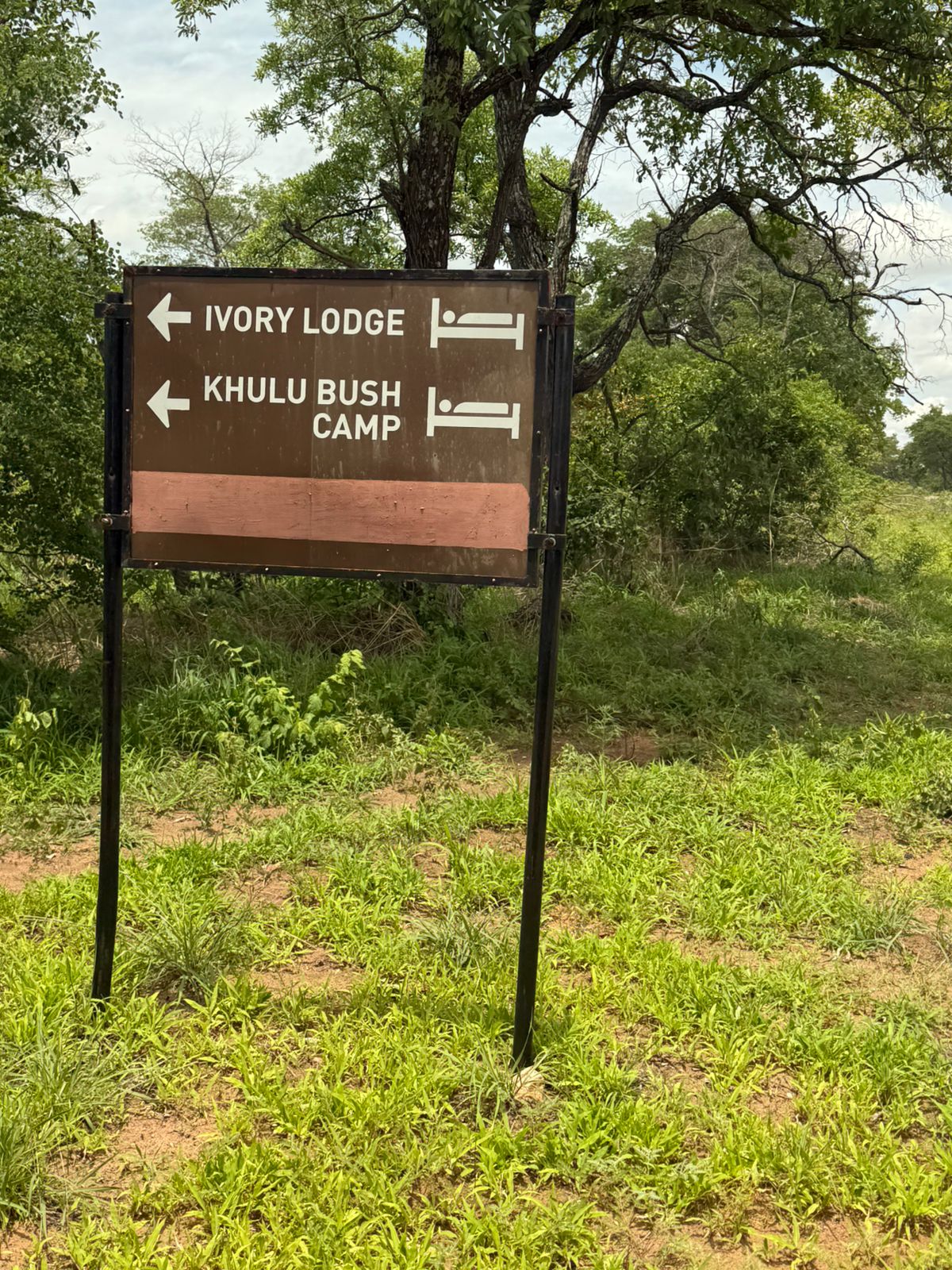
A scenic road transfer took us to Hwange National Park. Along the way, we inspected Ivory Lodge (family-friendly tents overlooking a waterhole) and Tuskers Camp (unfenced Big Five camping). Both offer strong alternatives for different client profiles.
We settled into Sable Valley, an elegant yet relaxed safari lodge with stunning waterhole views. Lunch was hosted at Khulu Bush Camp, where warm, passionate staff and intimate rooms, including a tree-built suite, left a lasting impression.
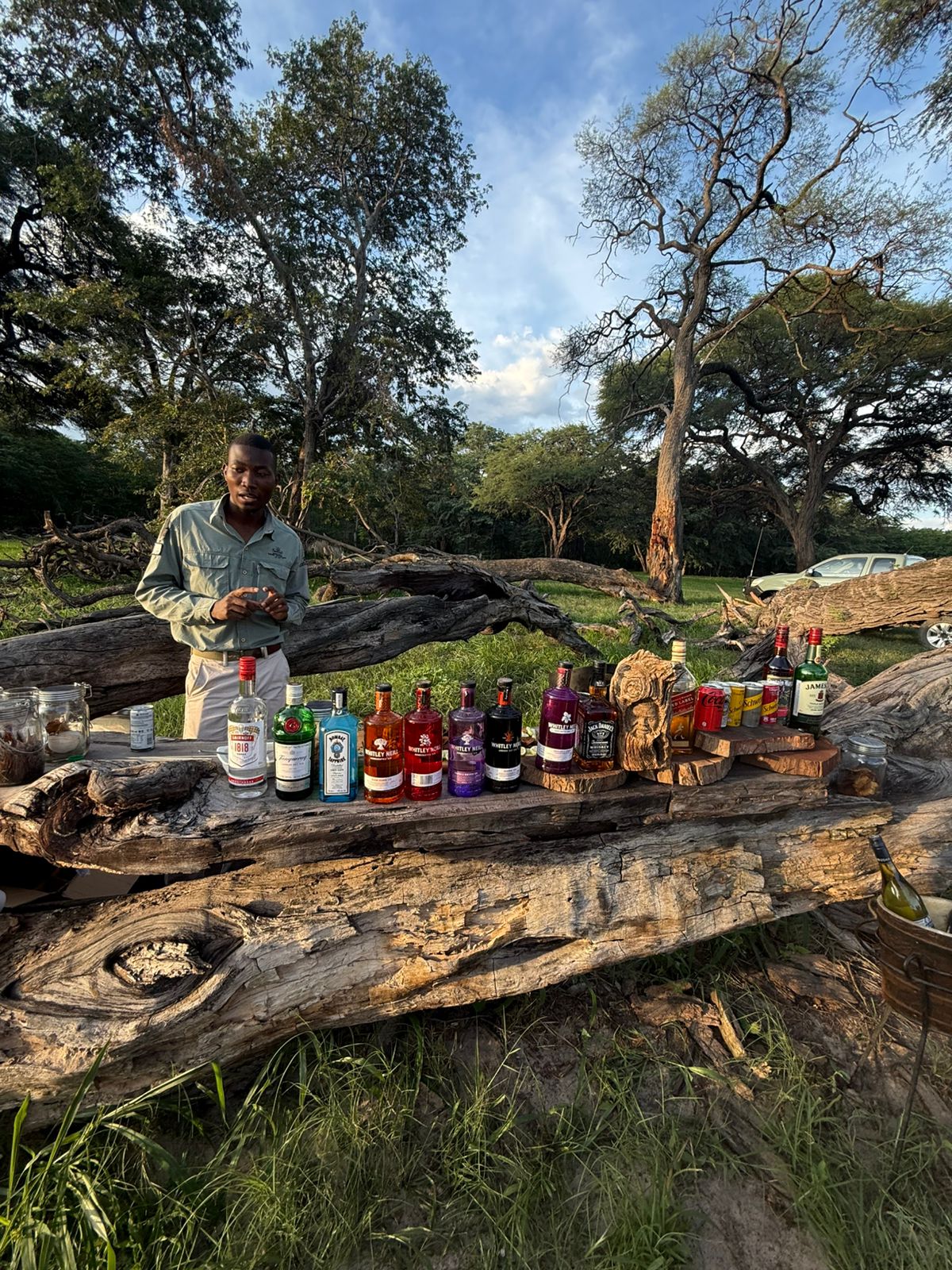
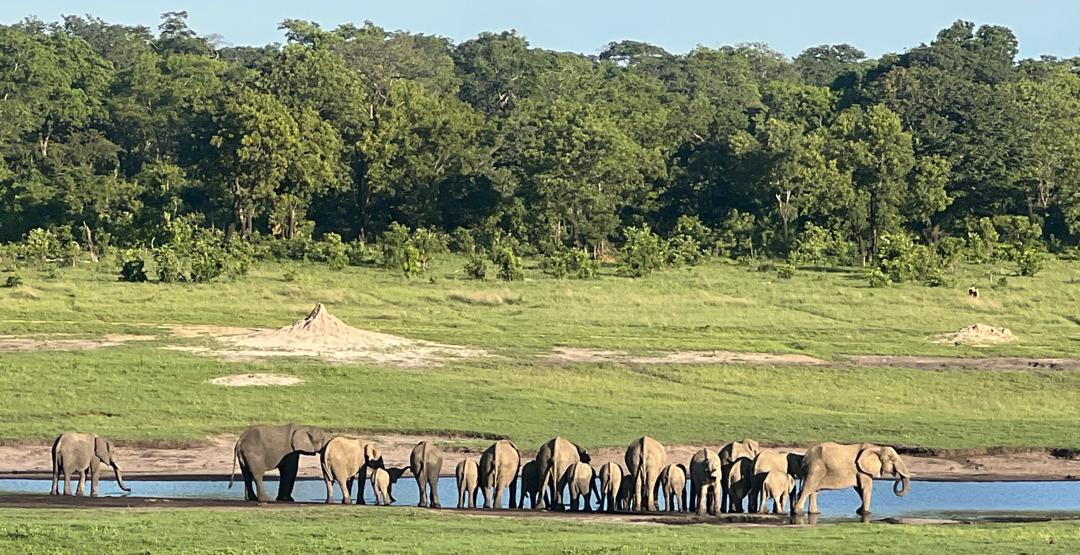
Game drives in Hwange were exceptional: large elephant herds, massive buffalo numbers, abundant birdlife, and glowing sunsets. The bush was green, alive, and generous. Day four slowed the pace with a gentle morning drive, site inspection, hide time, cocktails, and uninterrupted wildlife viewing.
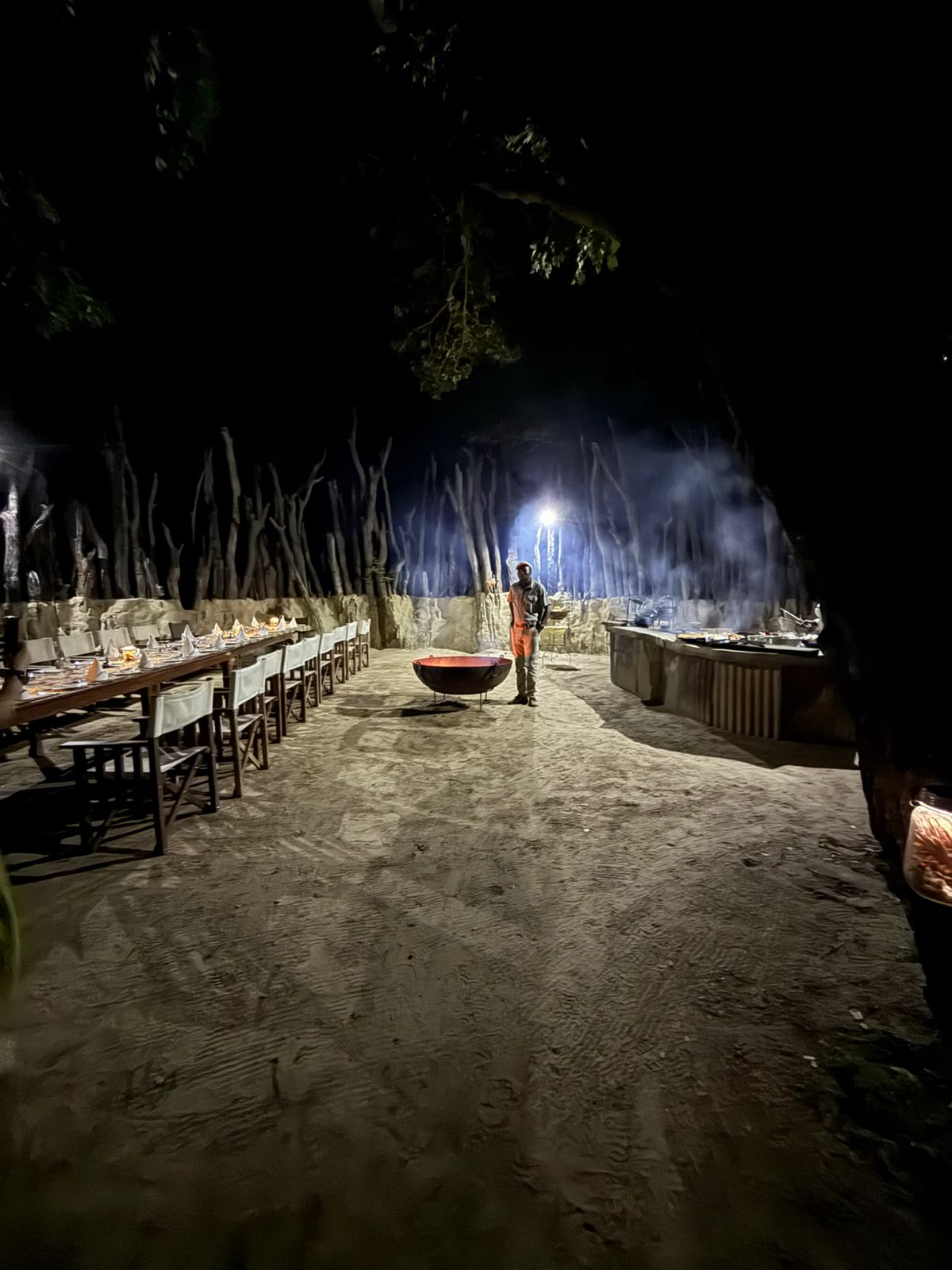
That evening, we were surprised with a private wilderness boma hosted by the lodge owners. With lions nearby, elephants grazing close, and baboons calling as the sun set, it was thrilling and unforgettable. The night ended with a farewell boma dinner, traditional dancing, drumming, and storytelling – a perfect last night in Hwange.
Day 5 – 6 | Victoria Falls Safari Lodge
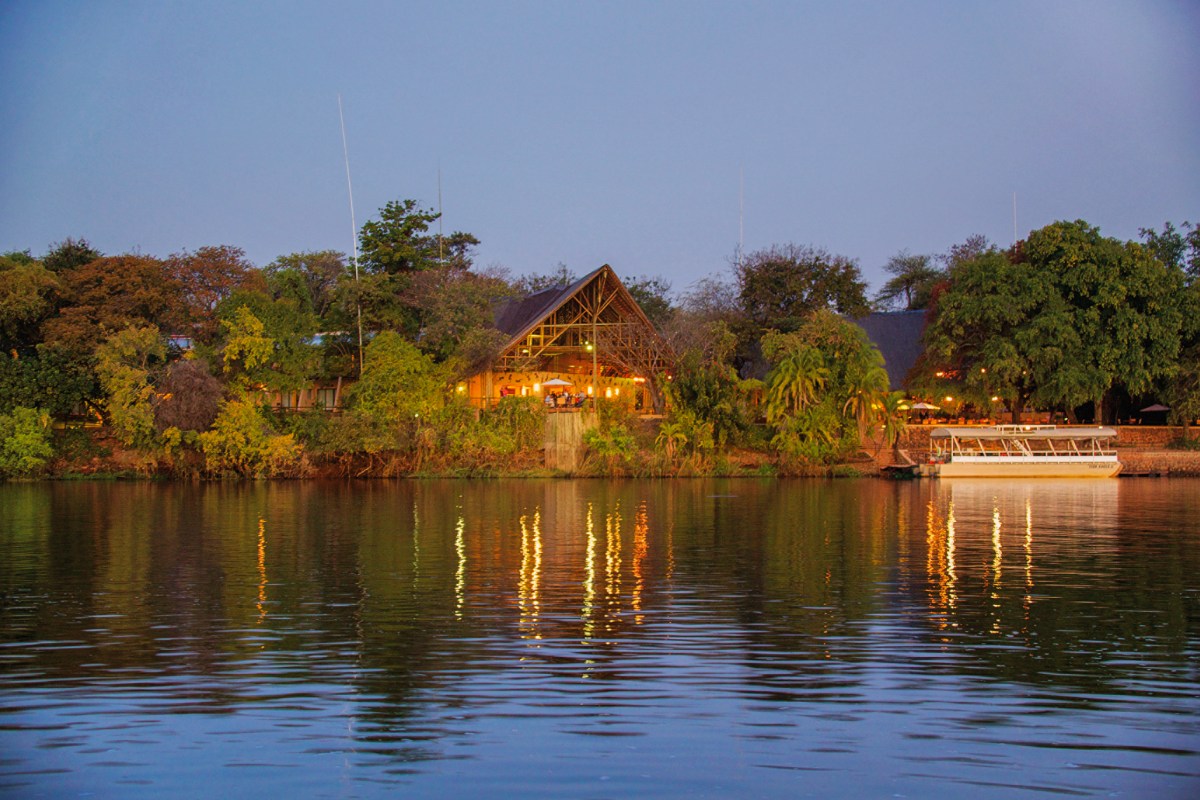
Our journey to Victoria Falls was blessed with a final Hwange gift: wild dogs – a rare and spectacular sighting. Arrival at Victoria Falls Safari Lodge Estate introduced us to multiple properties, including The Club (modern, elegant), Lokuthula (self-catering, budget-friendly), and Safari Lodge itself – mature, classic, and wildlife-focused.
A sunset Zambezi River cruise followed, offering views of Zambia, distant falls mist, wildlife along the banks, and vibrant skies. The drinks impressed more than the food, but the experience remained memorable.
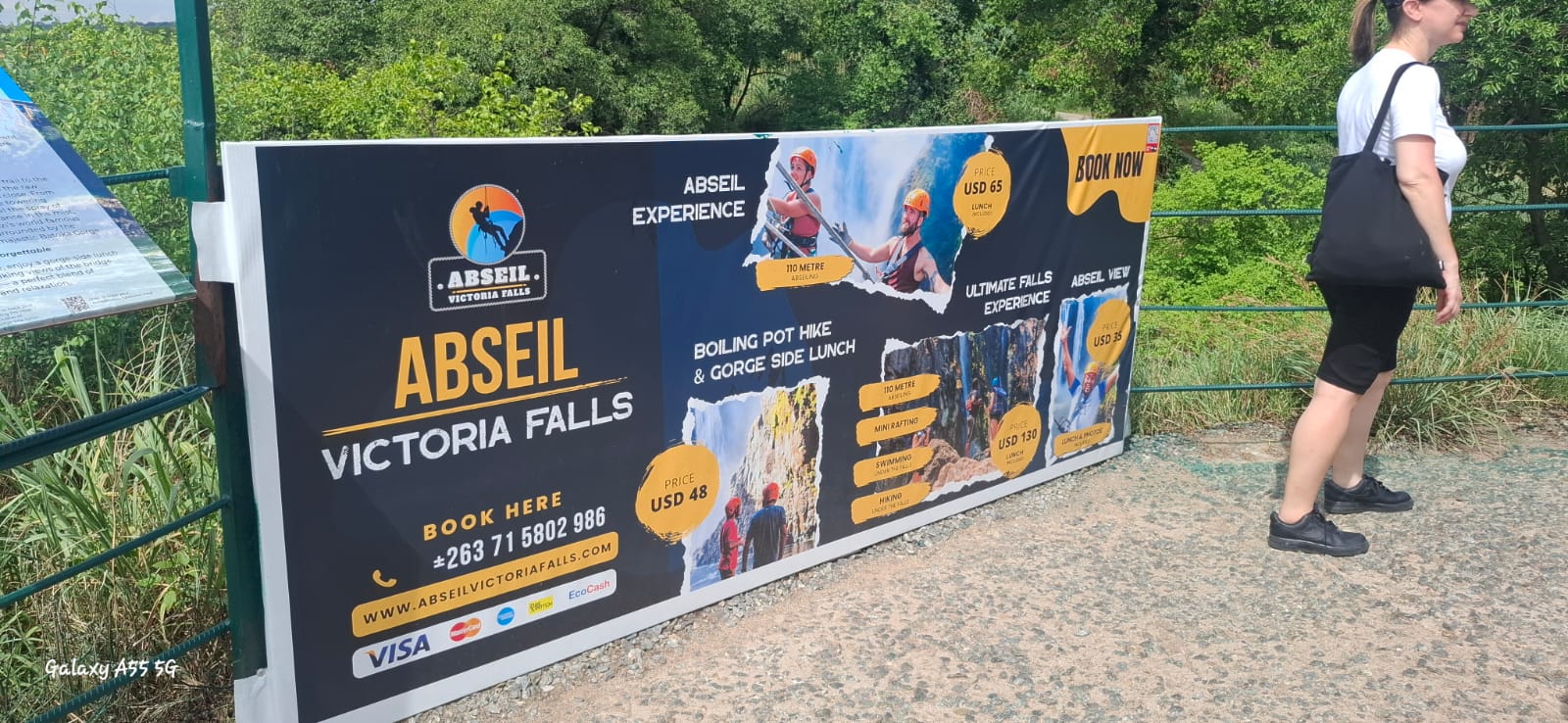
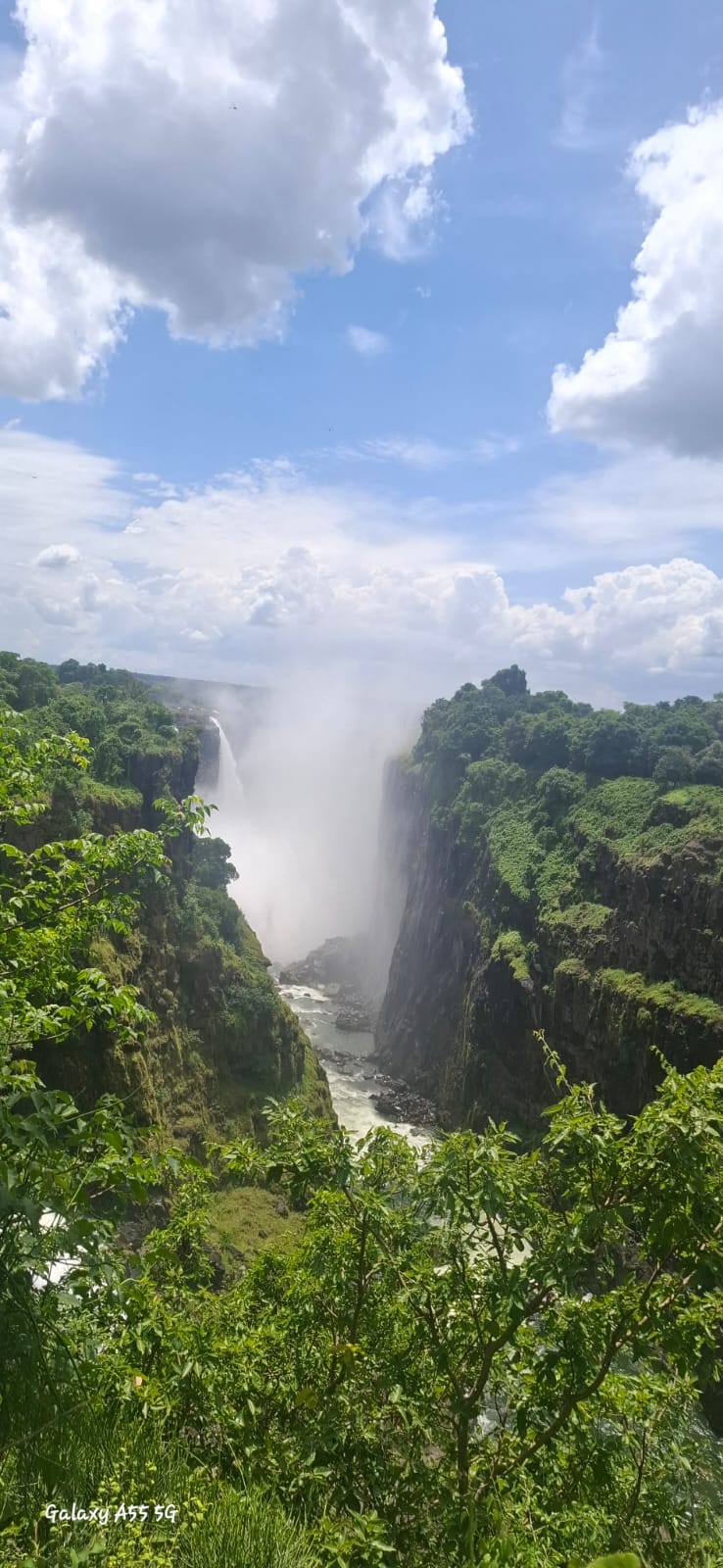
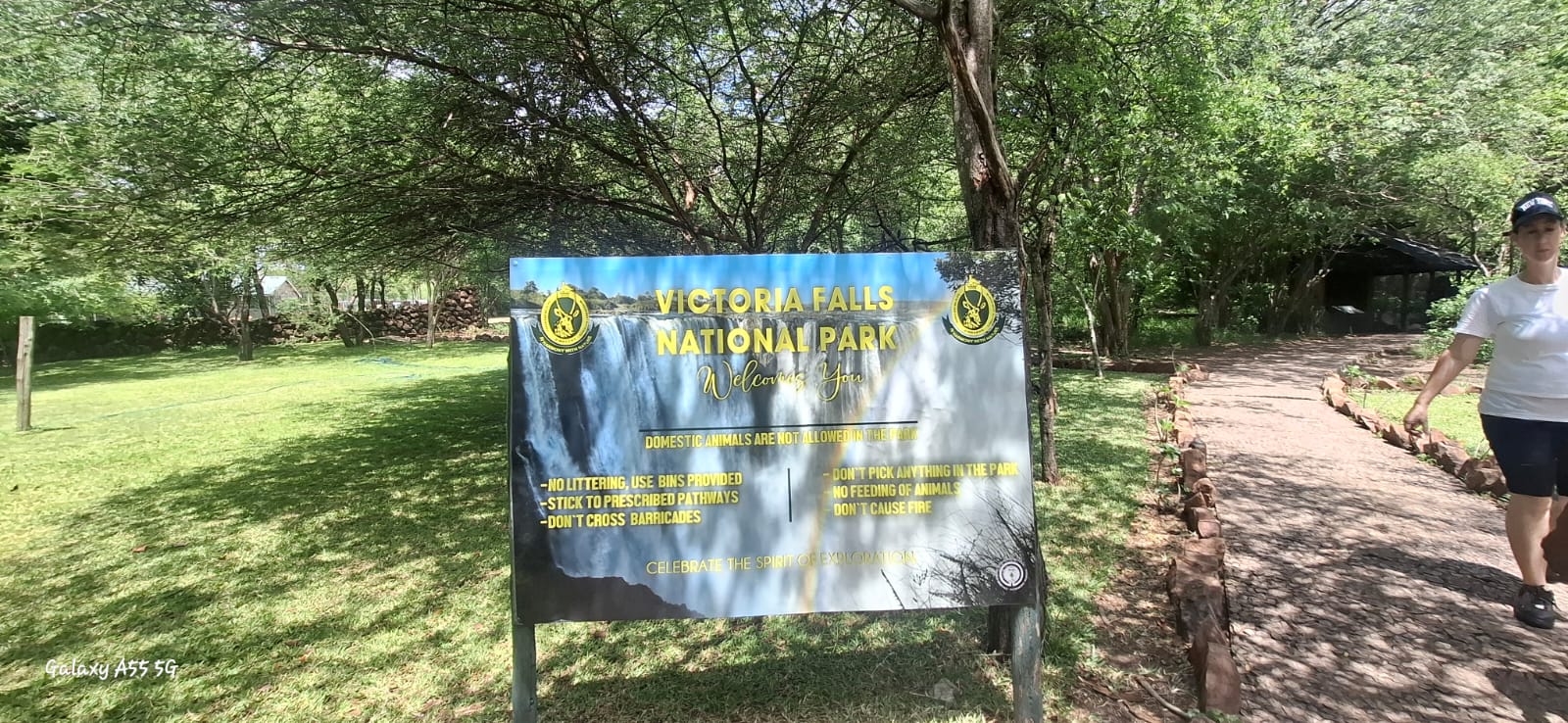
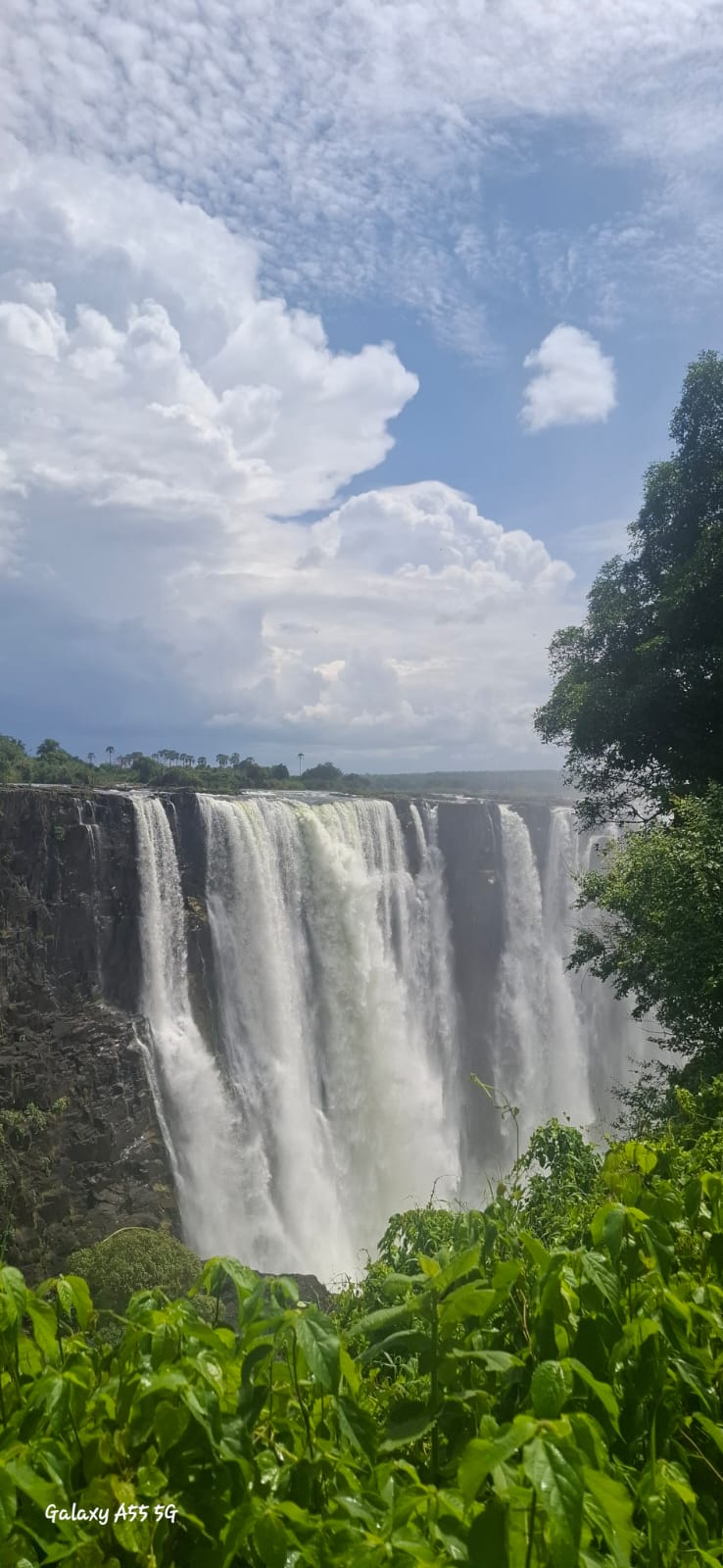
Day six was packed with highlights. A guided tour of Victoria Falls exceeded all expectations – powerful, immersive, and humbling. We embraced the spray, explored viewpoints in reverse to avoid crowds, and soaked in the magnitude of Mosi-oa-Tunya.
A Safari Spa treatment provided much-needed relaxation before heading to the Vulture Culture Experience – a conservation-focused, eye-opening insight into the critical role vultures play in ecosystems. Lunch followed (excellent, as always), capped with yet another wild dog sighting.
That evening, the iconic Boma Dinner & Drum Show delivered a vibrant cultural farewell – singing, dancing, traditional food, Mopane worms (certificate earned!), and deeply personal moments as my clan names were sung. It is ideal for first-time visitors seeking culture, rhythm, and connection.
Day 7 | Departure
Our final morning included a debrief with Zotara and the Victoria Falls Safari Collection – an open, constructive exchange of feedback and insights. Transfers to the airport followed, with heartfelt goodbyes and reflection.
Despite delayed flights, frantic airport sprints, and turbulence, perspective prevailed. This was an educational of a lifetime — professionally enriching, culturally grounding, and deeply affirming.
I returned home exhausted, fulfilled, and grateful.
Zimbabwe owes me nothing. What an experience.
Contact our team today to check availability and book your ideal package. Email:info@thompsonsafrica.com Tel: +27 31 275 3500
From September 2025, the ‘new’ Chobe Safari Lodge will reveal a full upgrade:
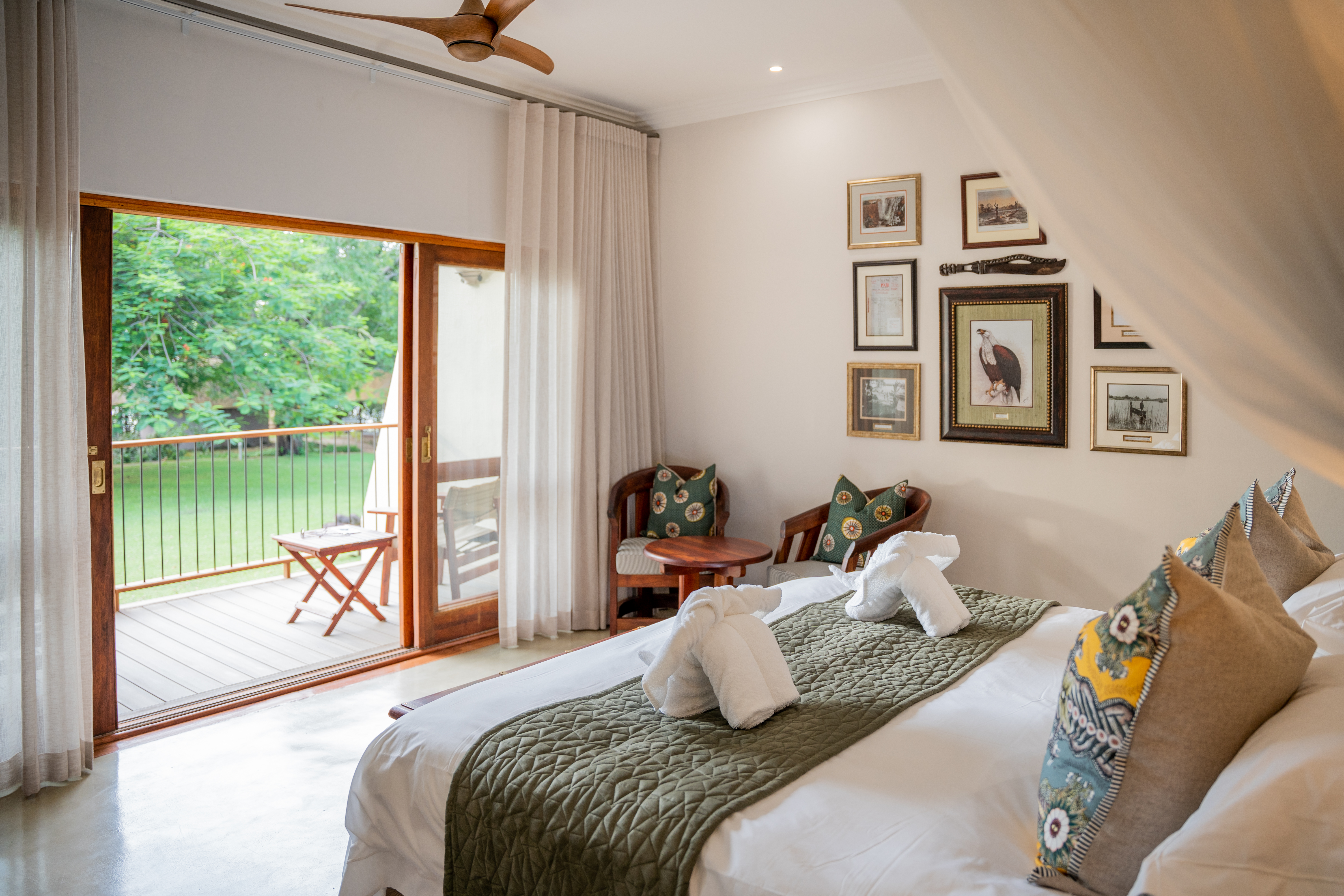
Explorer River Suites – Two gorgeous, two-bedroom duplex suites with spacious lounges and river-facing balconies, perfect for honeymooners or couples who want more space and privacy.
Luxury River Rooms – Fully refurbished and ready by late 2025.
Packages from 2 – 6 nights – With discounts for longer stays (The 2 and 3 night packages work out better than nightly rates).
Activities That Sell Themselves
Every stay includes a choice of incredible activities:
Boat Safari
Game Drive (morning or afternoon)
Fishing
Quadripoint Bridge Tour
Spa Treatment
Sundowner at Treetops
Guests can also upgrade to Enhanced Activities like photographic boat safaris, scenic flights, or even swap two included activities for a Victoria Falls excursion at no extra cost in some cases!
Dining Experiences Worth the Trip Alone
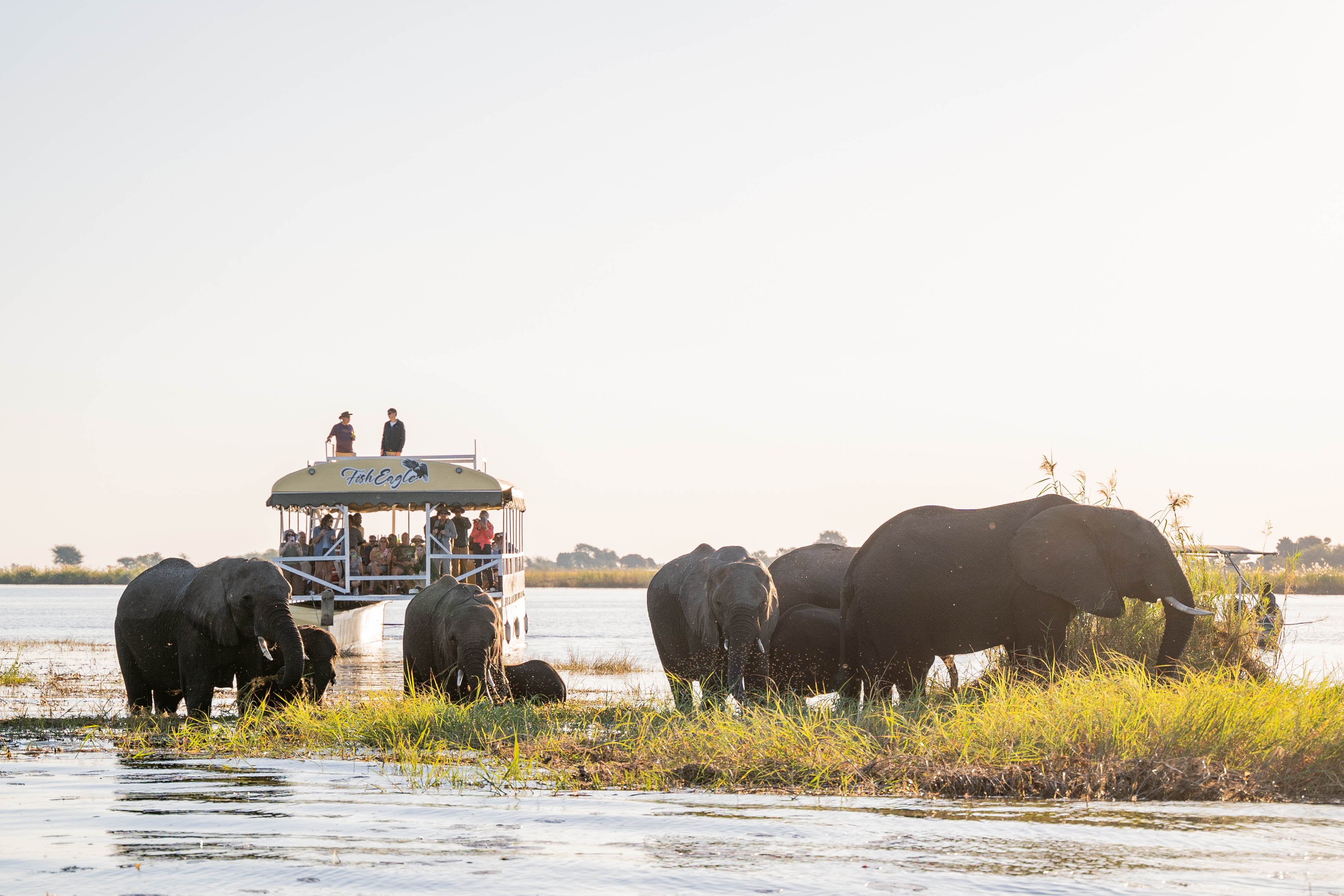
Riverside Restaurant – Live cooking stations, themed evenings, and Botswana’s first climate-controlled salad and dessert bars with Chobe River views.
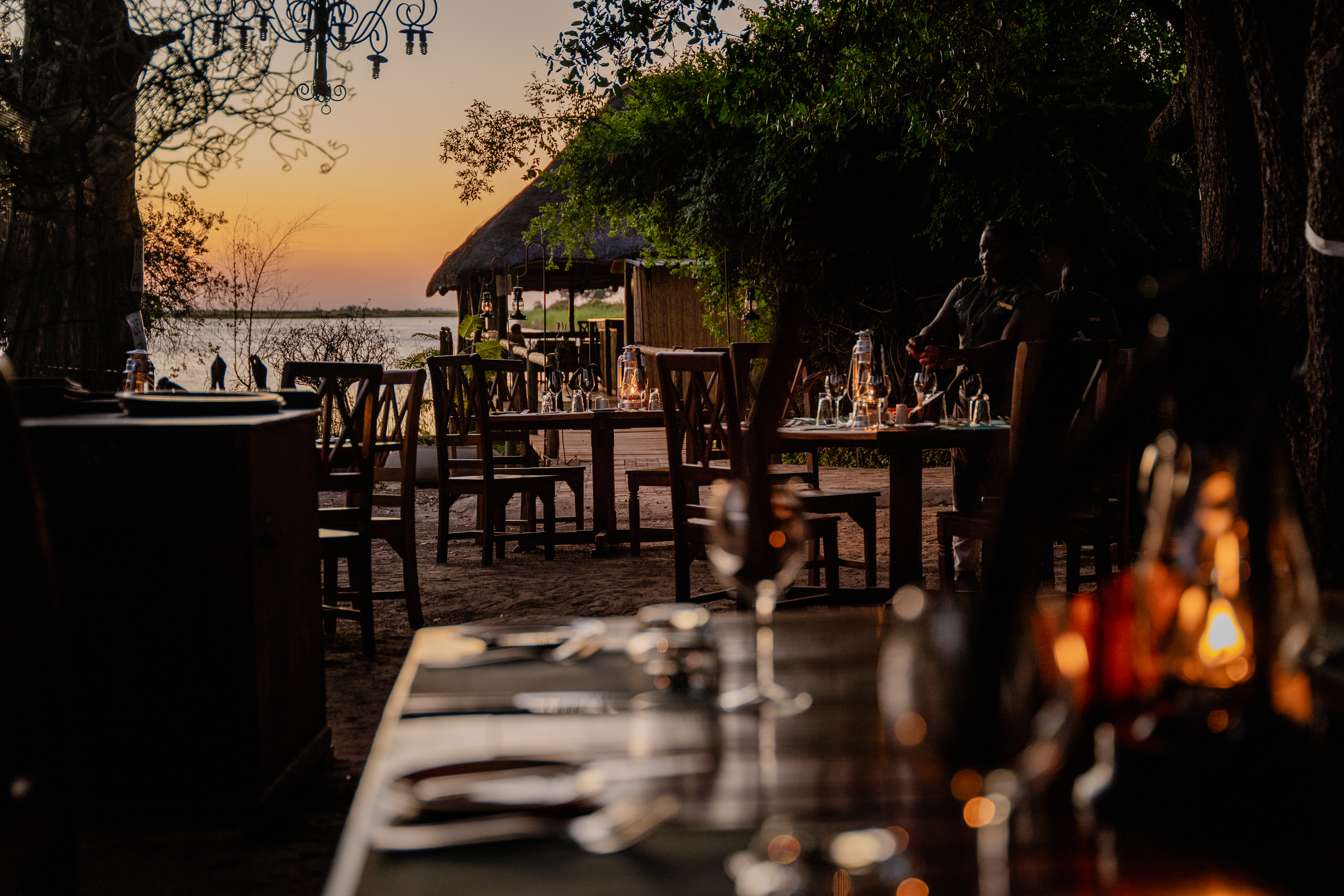
Sedudu Outdoor Dining – Dinner under the stars, showcasing local flavours and traditions – a truly Botswana experience.
Cattle Post Steak House – Premium Botswana beef paired with a fantastic wine list.
High Tea at the Pavilion – Complimentary daily from 1hh30pm to 17h30pm.
More Than Just a Place to Sleep
Explorers Lounge – A treasure trove of Botswana history and travel stories.
Elephant Centre – Interactive displays celebrating Africa’s giants.
Bush Walk & Treetops Lookout – A guided nature trail ending in panoramic floodplain views.
Sustainability in Action
From freshly baked bread and pastries to pure, filtered water from their own bottling plant, Chobe Safari Lodge is reducing food miles and waste without compromising on quality.
Read more about how Chobe Safari Lodge is making a difference HERE.
Reasons to Book
All rates now include park fees and bed levy.
Multi-night packages offer better value than nightly rates – perfect for 2+ nights.
Secret Season ‘Pay 3, Stay 4’ special from Dec to Mar (excl. holiday season).
Chobe Safari Lodge has transformed into a true destination, not just a gateway to Chobe National Park. With upgraded rooms, more dining and activity choices, and an effortless booking process, it’s set to become one of Botswana’s must-stay properties.
Ready to experience the new Chobe Safari Lodge for yourself? Secure your stay now and be among the first to enjoy the upgraded suites, expanded dining options, and unforgettable activities along the Chobe River. Whether it’s a romantic escape, a family adventure, or a luxury safari stopover, Chobe Safari Lodge is ready to welcome your guests with style.
Contact our team today to check availability and book your ideal package. Email:info@thompsonsafrica.com Tel: +27 31 275 3500
Every year on May 23rd, World Turtle Day shines a spotlight on the plight of turtles and tortoises across the globe. This day, launched by the American Tortoise Rescue in 2000, is dedicated to raising awareness about these ancient creatures, their rapidly vanishing habitats, and the urgent need for conservation.
Southern Africa is home to several turtle species, including the endangered Leatherback and Loggerhead turtles, which nest along the pristine shores of KwaZulu-Natal. These majestic reptiles have traversed our oceans for over 100 million years, but today face unprecedented threats — from plastic pollution and coastal development to climate change and illegal trade.
Why World Turtle Day Matters
World Turtle Day isn’t just about turtles — it’s about protecting the delicate balance of marine and terrestrial ecosystems. Turtles are keystone species: their survival affects everything from seagrass health to jellyfish populations. Their wellbeing is a mirror reflecting the overall health of our planet.
At Thompsons Africa, this aligns deeply with our ‘Travel with Purpose’ strategy. As custodians of unforgettable African experiences, we recognise our responsibility to protect the environment and wildlife that make this continent magical. We believe in travel that sustains, educates, and uplifts — and we actively support initiatives that preserve biodiversity and promote ethical wildlife tourism.
Our Commitment in Action
Whether it’s choosing eco-certified accommodation, promoting marine conservation tours, or guiding guests to tread gently in fragile habitats, we embed purpose in every itinerary. By raising awareness of endangered species like turtles, we invite our guests to become partners in protection, turning their journeys into opportunities for positive impact.
On this World Turtle Day, remember that every travel choice has a ripple effect. Together, we can ensure that future generations inherit not just stories, but thriving oceans, wild beaches, and turtles still gliding through them.
Our St Lucia Turtle Tour offers a unique opportunity to witness these magnificent animals when they come onto the beach to lay their eggs (operates November to March annually).
Spend an evening with us searching for the enormous and extremely endangered Leatherback and Loggerhead turtles, when they come onto the beach to lay their eggs. This unique and fascinating tour enters the reserve either in the afternoon or evening (depending on low tide). The tour departs from St Lucia and starts with a game drive through the Eastern Shores Game Reserve. At Cape Vidal drive onto a pristine beach where the search for turtle begins, driving up the beach for 25 km to Leven Point. From there is an opportunity to walk further up to the beach. A light meal is served during the evening. Once off the beach, game drive back to St Lucia using a spotlight searching for nocturnal animals. Animals such as rhino, buffalo, leopard and many others may be seen.
Departs Daily on request from 16h30 Duration 6 – 7 Hours (Operates Nov – Mar only)
YOUR EXPERIENCE HIGHLIGHTS:
Evening beach drive and walk
Leatherback and Loggerhead viewing
Evening game drive through Eastern Shores Game Reserve
No two safari experiences are ever the same. And why would you want them to be? There is a thrill in the unexpected, the wild, raw nature of it all. So too is there no ‘right’ or ‘wrong’ time to indulge in a safari.
Traditionally, the green season (between the months of December and March), or the rainy season, is considered to be a quieter time in the safari industry. The perception is that there are less wildlife sightings due to animals being more dispersed rather than concentrated around scarce water sources. At African Bush Camps, they are acutely aware that it does not mean the animals are not there! Hence their ‘rebranding’ of the ‘Green Season’ to the ‘Secret Season’.
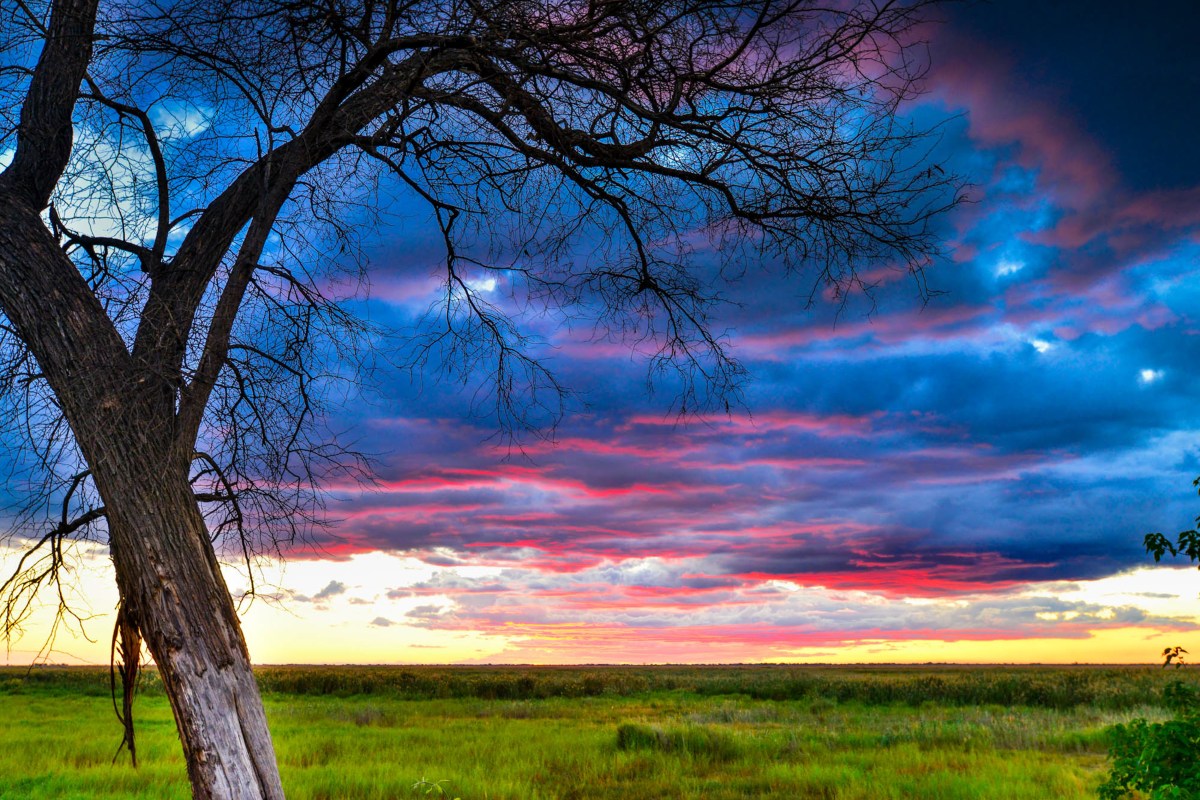
Imagine lush, green bush contrasted against a bright blue sky? Yes, rain can be expected but its generally in the form of afternoon thunderstorms which clear to blue skies! The thunderstorms are an attraction in themselves as they move over dramatic landscapes.
And then there’s the colours…. an abundance of bird species are in their very best breeding plumage, putting on an incredible display of colour.
Photographers? Rains bring vegetation alive with vivid colours and settles the dust and clears the air which is great for photography.
Brochure featured African Bush Camp properties are:
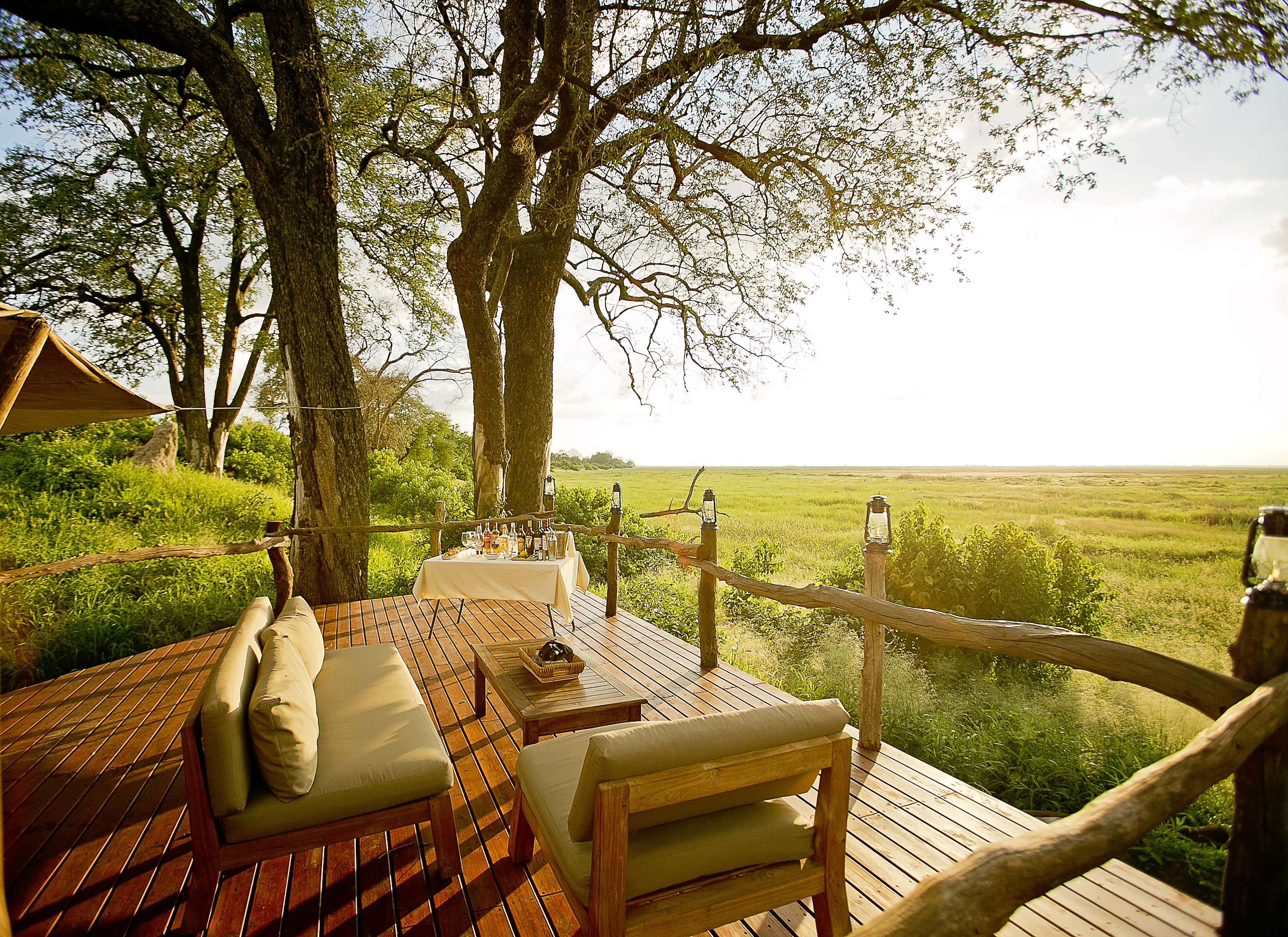
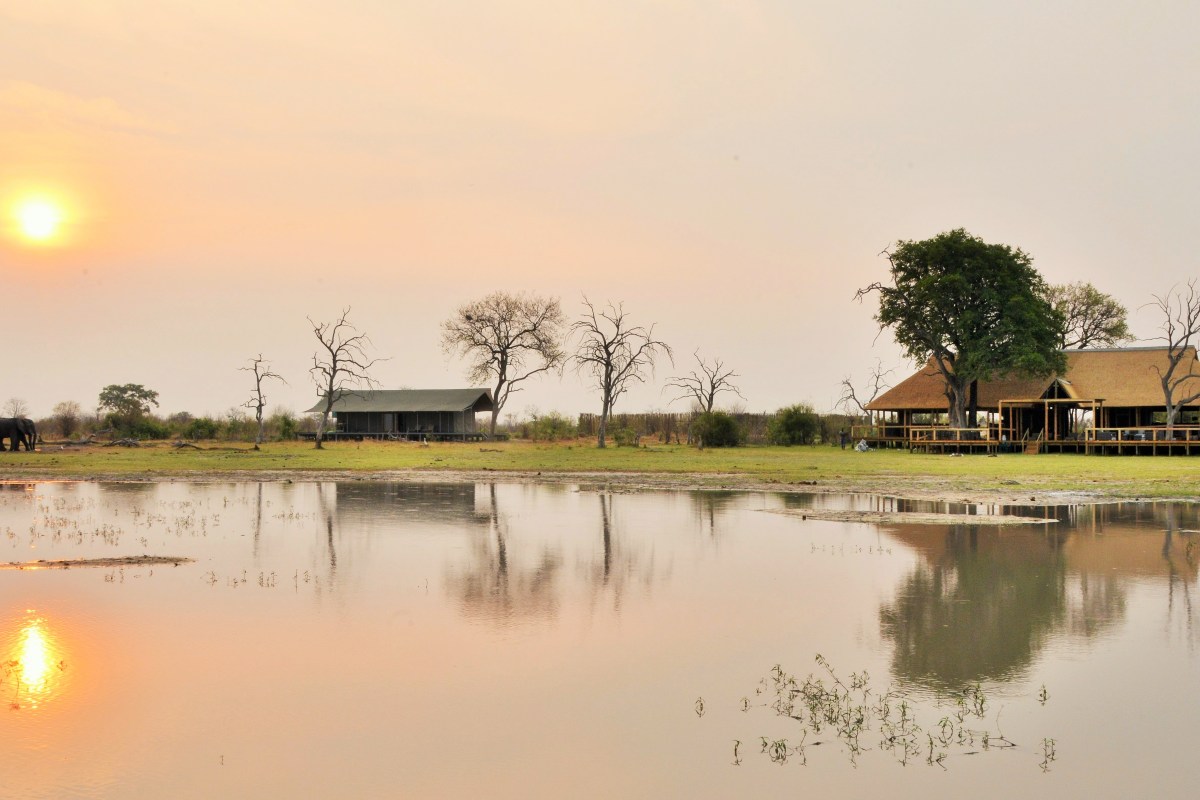
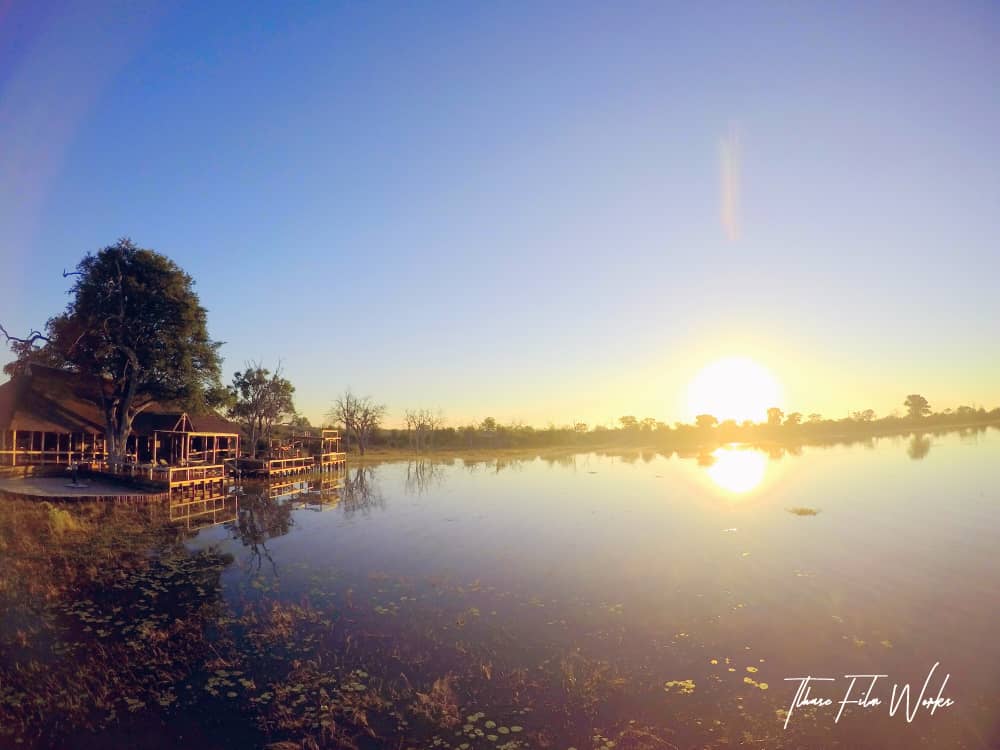
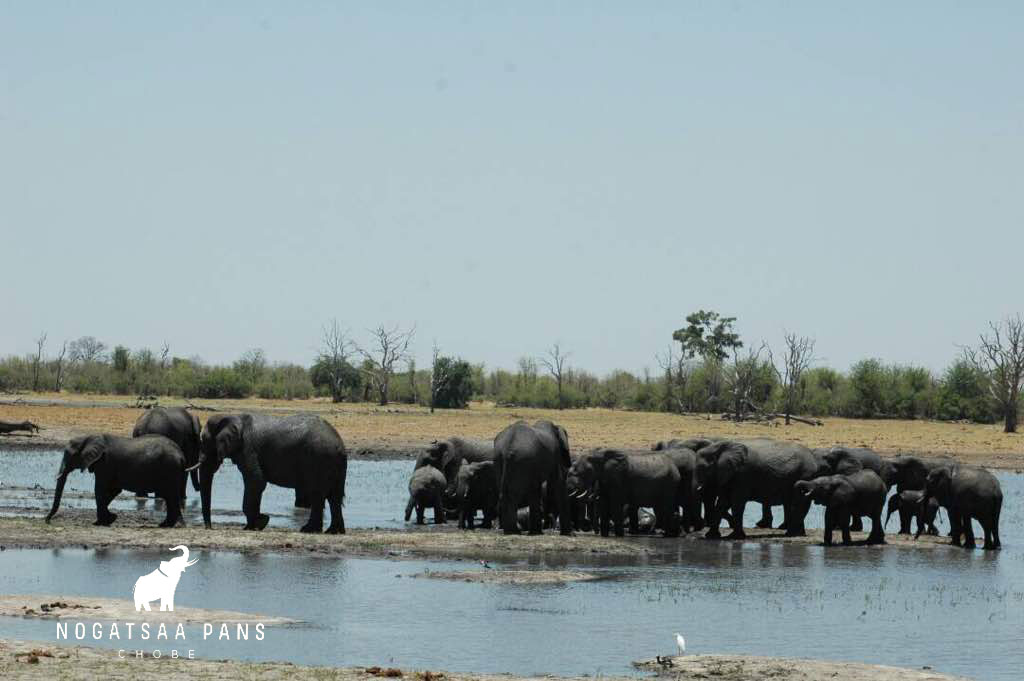
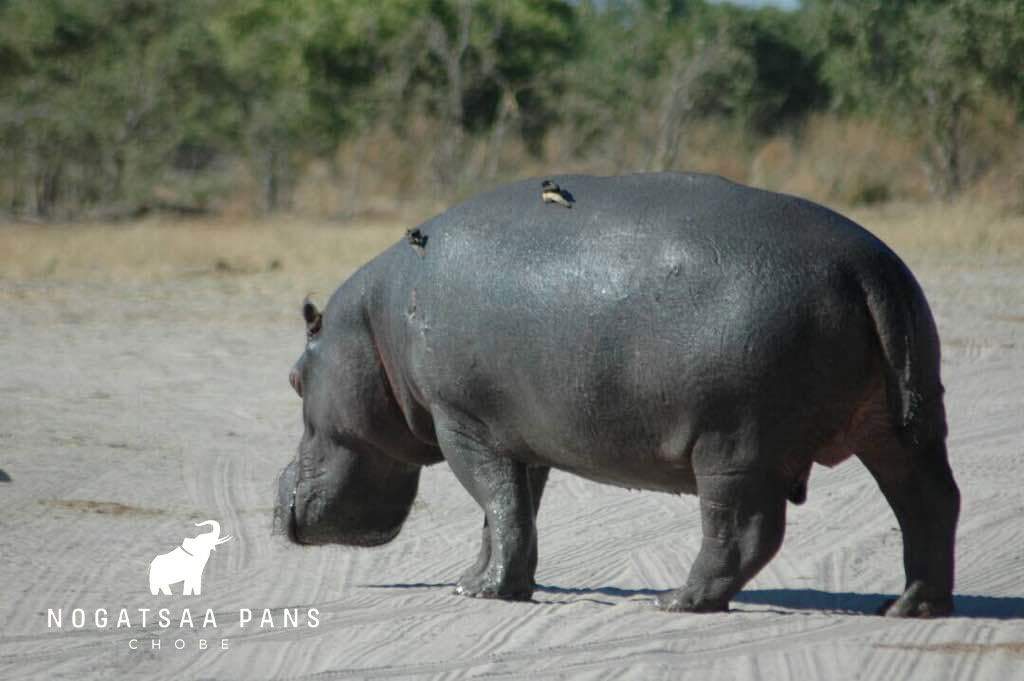
There is nothing quite like sitting quietly watching as the animals of Africa come down to a waterhole to drink. So what better position for a safari lodge than to overlook an active waterhole? There is always something to look at, from the resident hippo’s to the elephants and if you’re really lucky, the predators will put on a show for you.
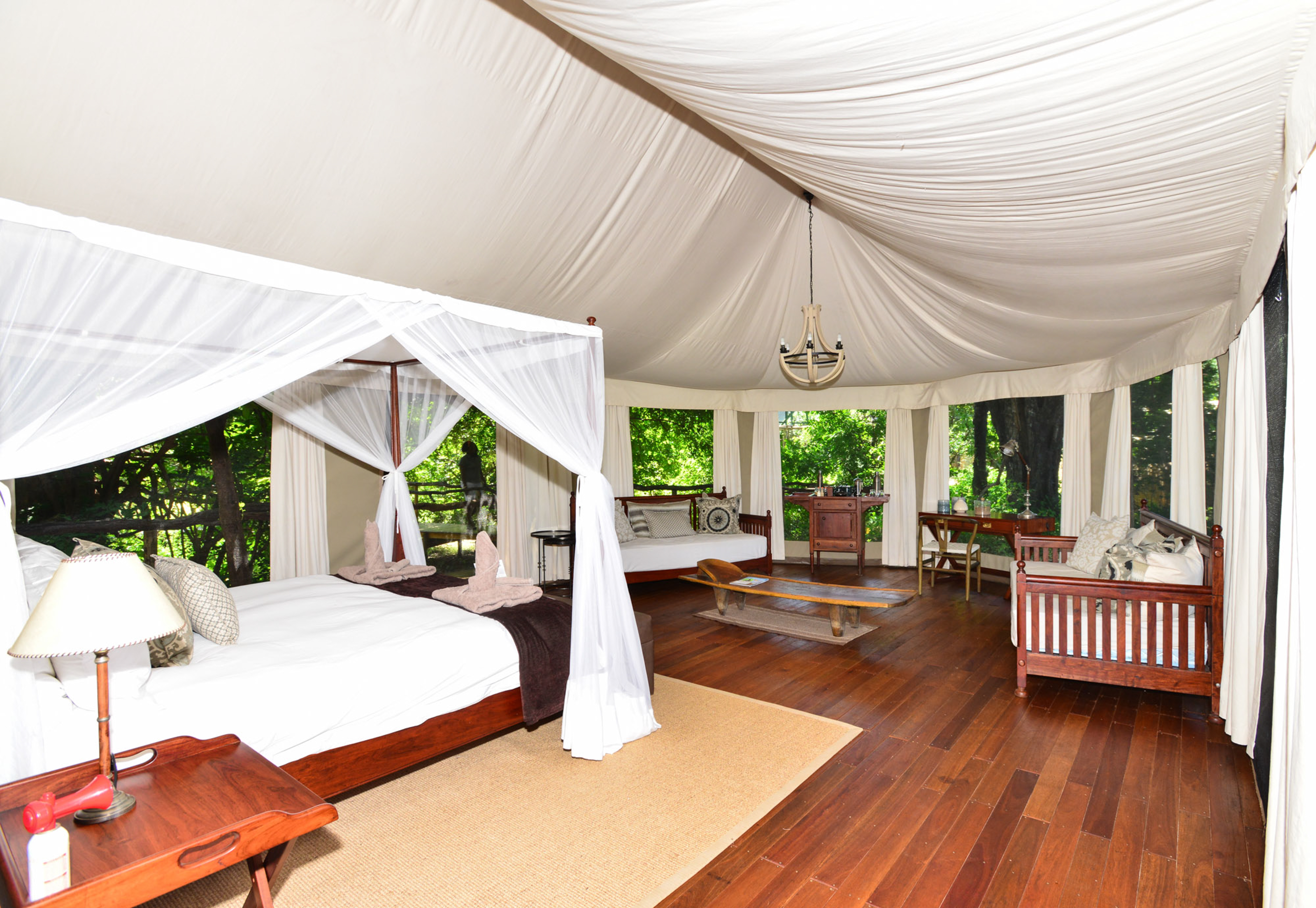
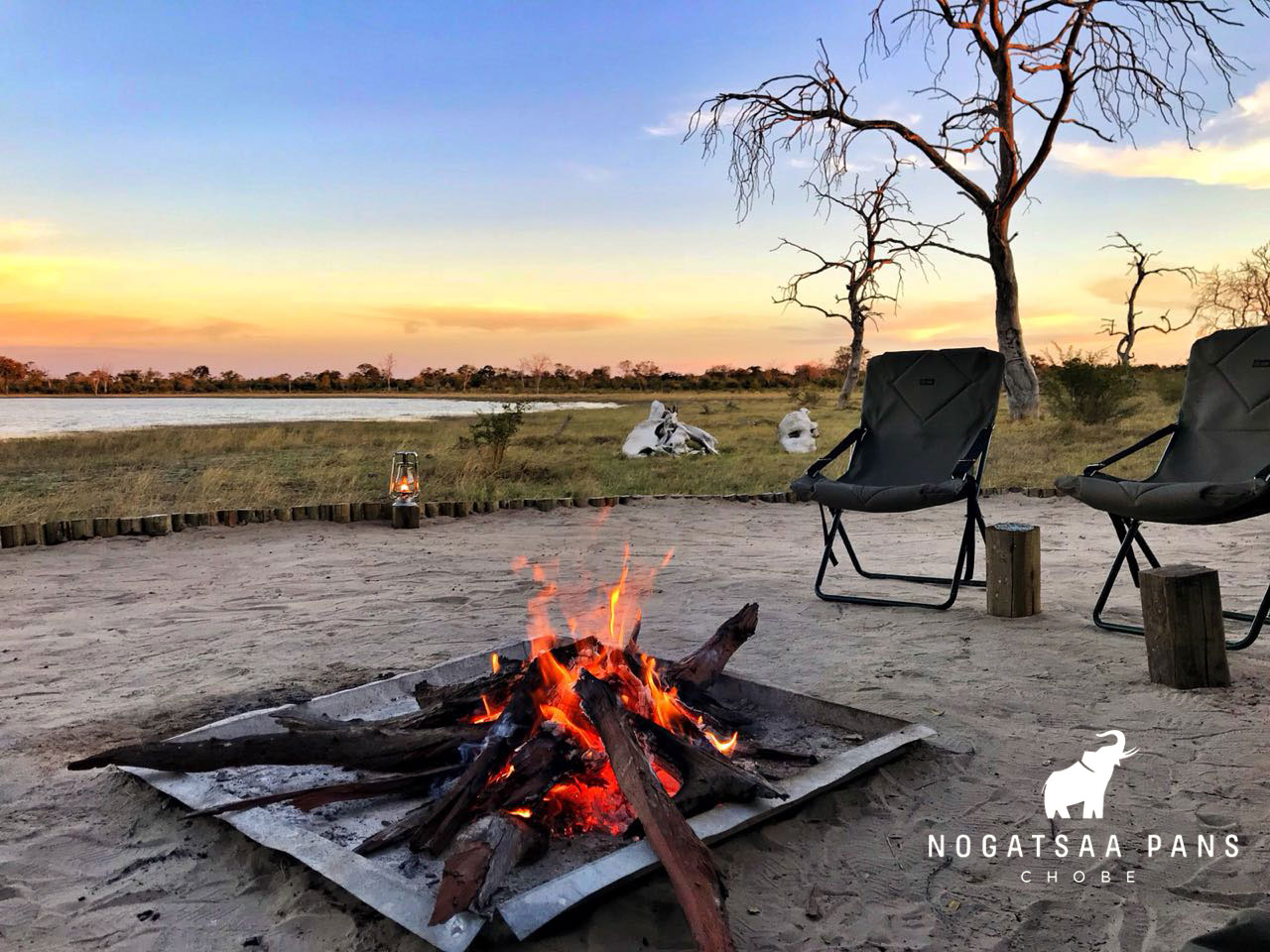
The nights at Nogatsaa are not to be outdone by the spectacular game activities of the day, boasting the ‘chills down the spine’ night sounds of the African Bush and unforgettable stargazing with the Botswana night sky becoming a cosmic show.
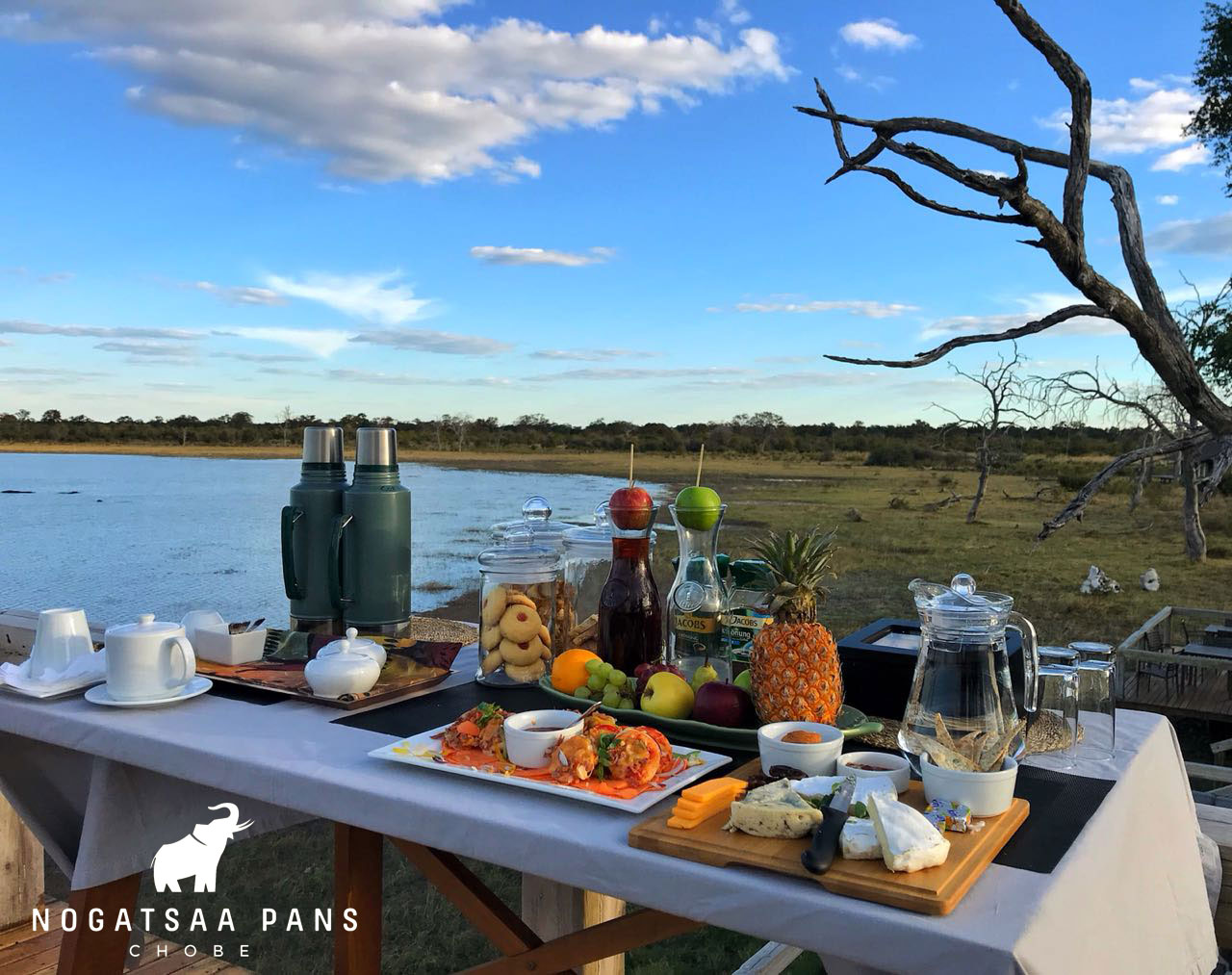
Nogatsaa Pans Lodge has it all to ensure you leave Botswana with a true ‘in-the-bush’ African experience. Designed with minimal impact on the environment and great care taken to leave a small carbon footprint, Nogatsaa Pans’ service excellence, synonymous with Ghoha Hills Lodge, is extended in the hospitality offered at Nogatsaa Pans Lodge – with total commitment to comfort and wellbeing.
The fascinating safaris and experiences of Ghoha Hills and Nogatsaa Pans awakens all your senses and is irresistible to those who appreciate excellent service, great hosting, fine fare, romance and adventure.
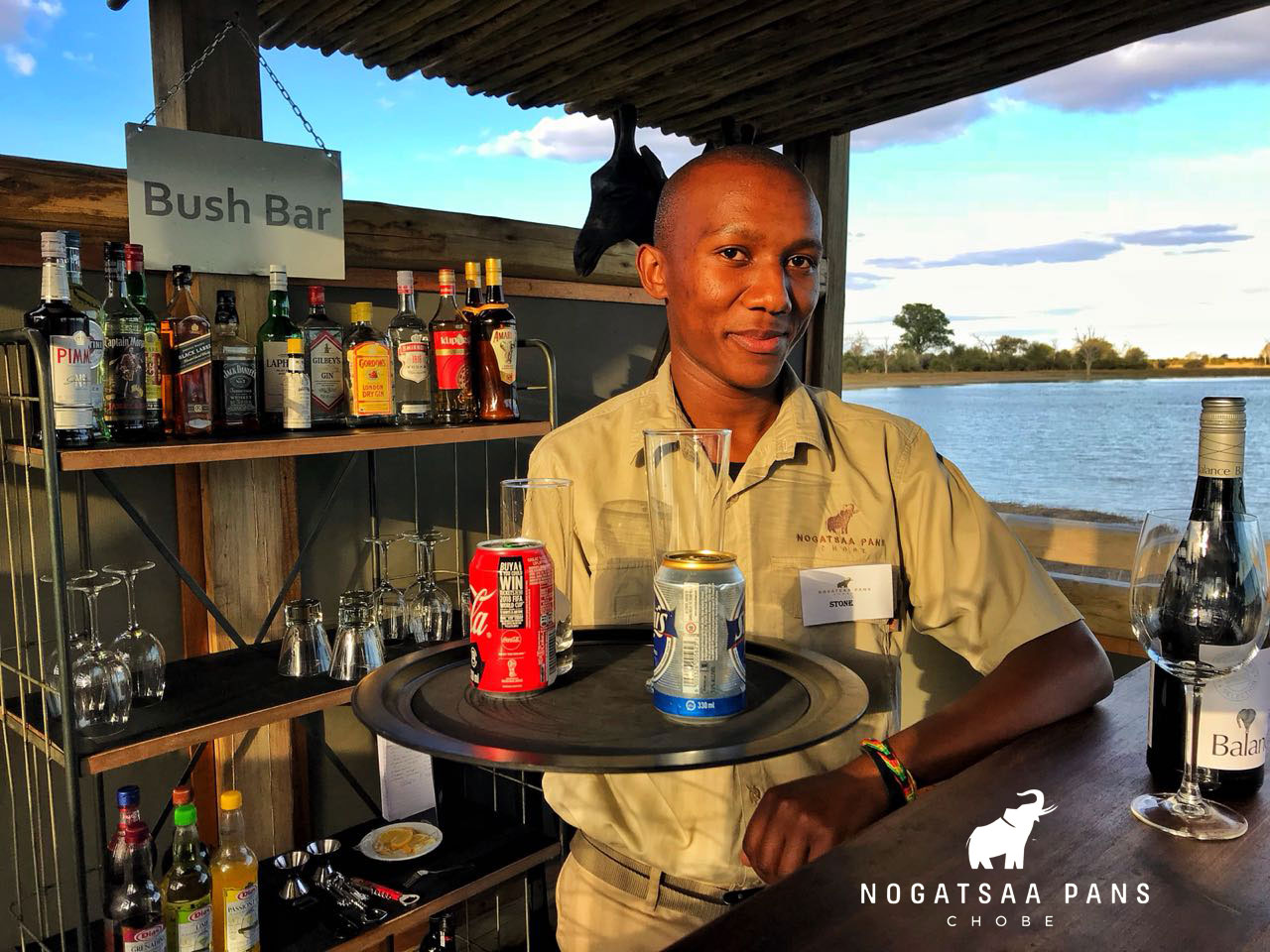
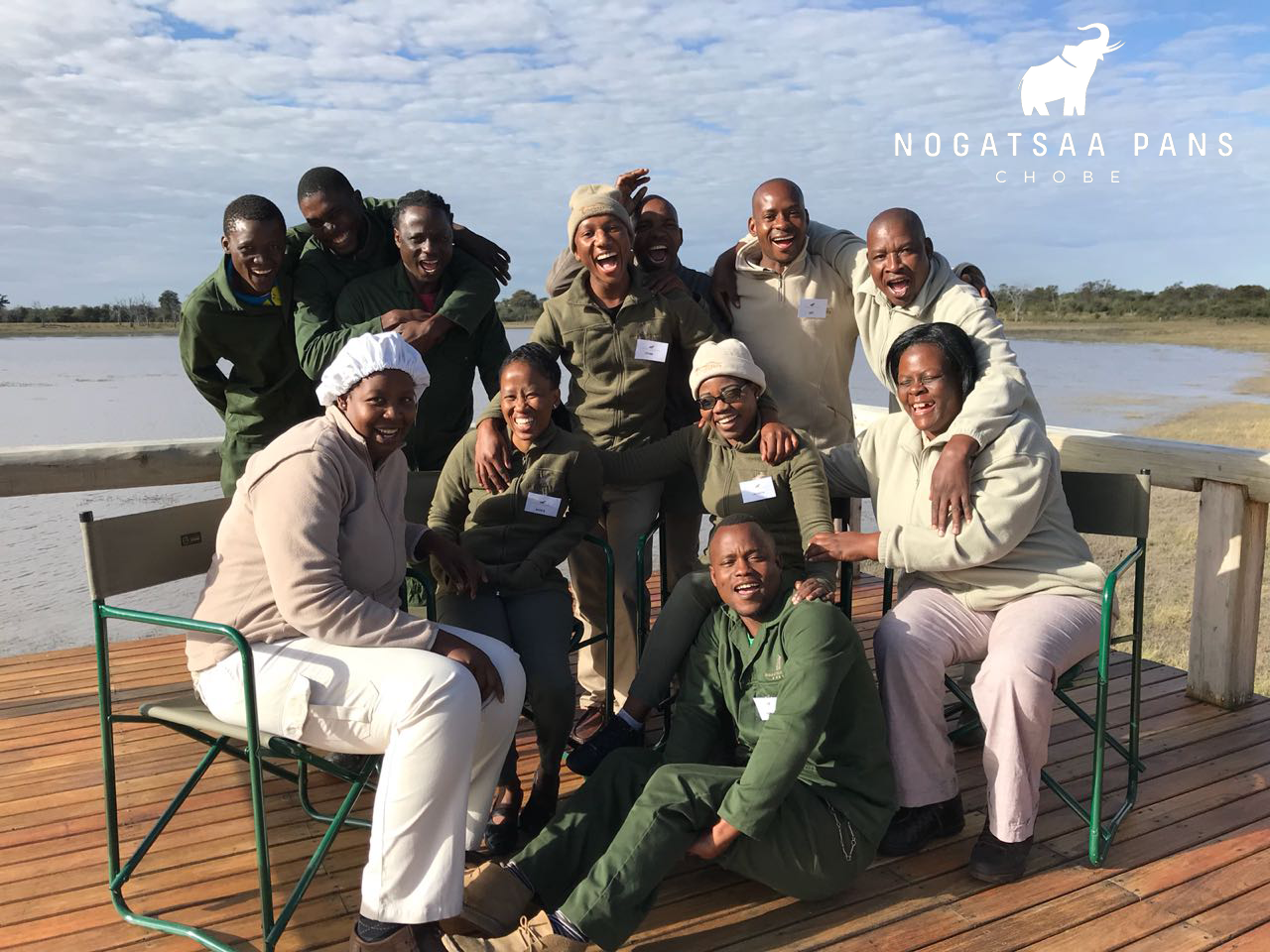
Nogatsaa Pans staff recently underwent leadership and teamwork training, ensuring guests will experience the highest quality service excellence at every touch point.
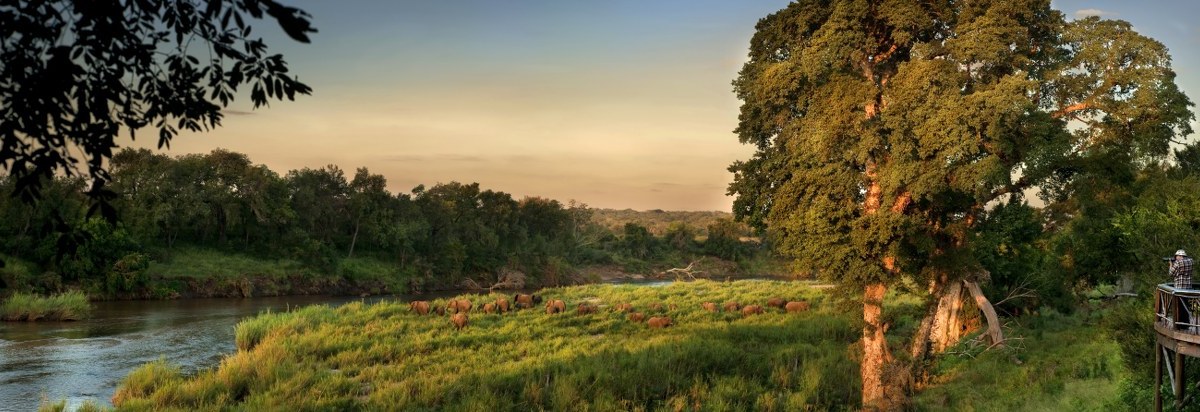
The renowned Sabi Sand is one of the oldest and largest proclaimed private reserves in South Africa. It is well known for exciting leopard sightings – this fact alone being testimony to the incredible wildlife experience that this healthy, game-rich area has to offer.
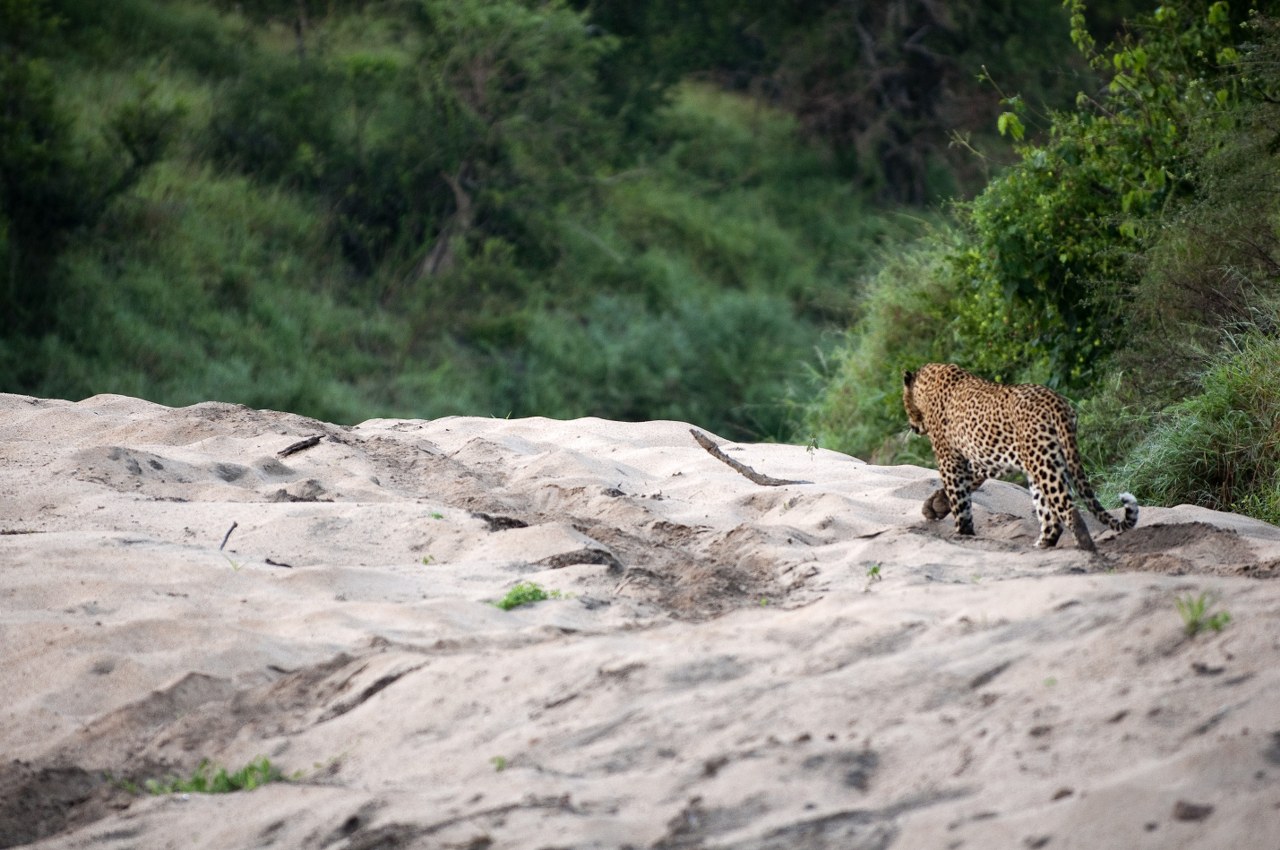
Lion Sands River Lodge – Leopard
History of the Sabi Sand Reserve
Already proclaimed in 1898, the original Sabie Reserve was a forerunner to the massive Kruger National Park. Former land owners, excised from the area when the 1926 National Parks Act was passed, created the Sabi Private Game Reserve adjacent to Kruger National Park in 1934. Six families who formed part of these pioneering land owners still own land in the Sabi Sand Game Reserve which was formally established as an association in 1948.
Location of the Game Reserve
Located in the Mpumalanga Province of South Africa, the Sabi Sand Game Reserve takes its name from the Sabi River and the Sand River which flow through the wilderness area. The Reserve spans across 65 000 hectares (650 square kilometers) of land.
Wildlife in the Sabi Sand Game Reserve
In addition to the Big Five, the Sabi Sand Game Reserve is home to 145+ mammal species, 500+ bird species, 30+ amphibian species, 110+ reptile species and 45+ fish species.
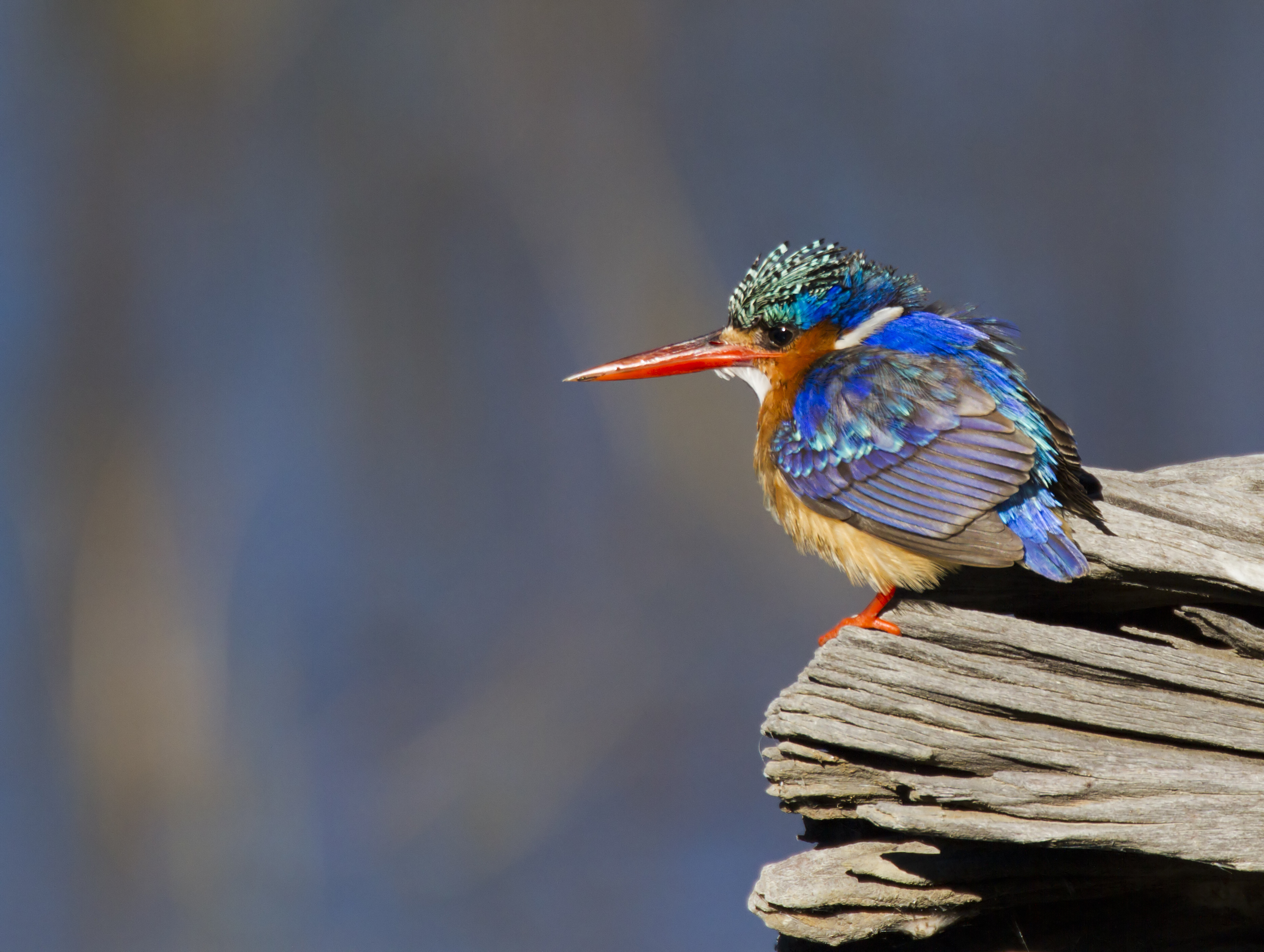
Kingfisher
Fences
Due to the threat of foot and mouth disease and the ever present threat of hunting, fences were erected between the Kruger National Park and the Sabi Sand Reserve in 1961. The eastern border fence was removed after negotiations in 1993 allowing wildlife to roam freely between the two parks.
The Big Five ‘Born’
The name ‘Big Five’ was originally a name given by hunters to the five largest and most dangerous African mammals: rhinoceros, elephant, buffalo, lion, and leopard. In the 1970’s, when the birth of the luxury safari was gaining momentum, marketers ‘rebranded’ the concept of the Big Five and today, the Big Five are the most sought after wildlife to see while on a safari…., the ULTIMATE goal of any safari experience.
Rhino
On Safari in the Sabi Sand Game Reserve
Accommodation varies from the absolute thrill of a luxury tented camp to the graciousness of award-winning deluxe lodges with the most sensational décor, health spas and gourmet cuisine.
Ulusaba Private Game Reserve – Sabi Sand Private Game Reserve




 thompsonsafricadbn