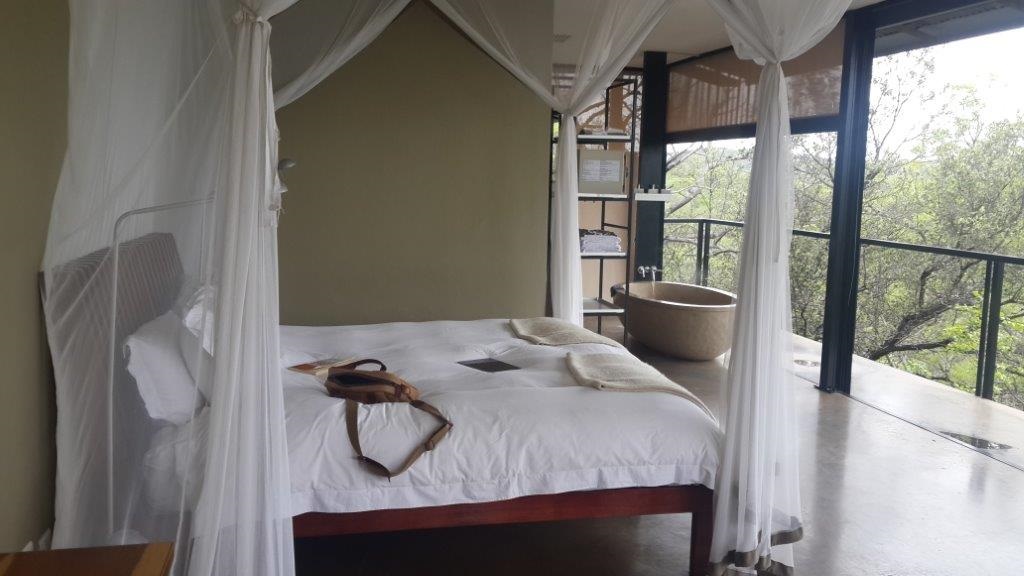
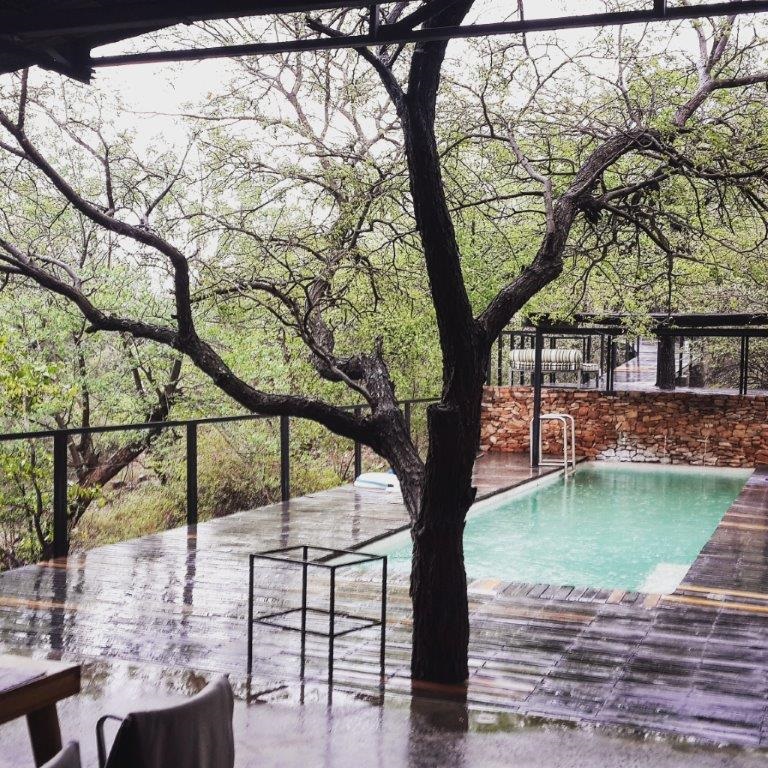
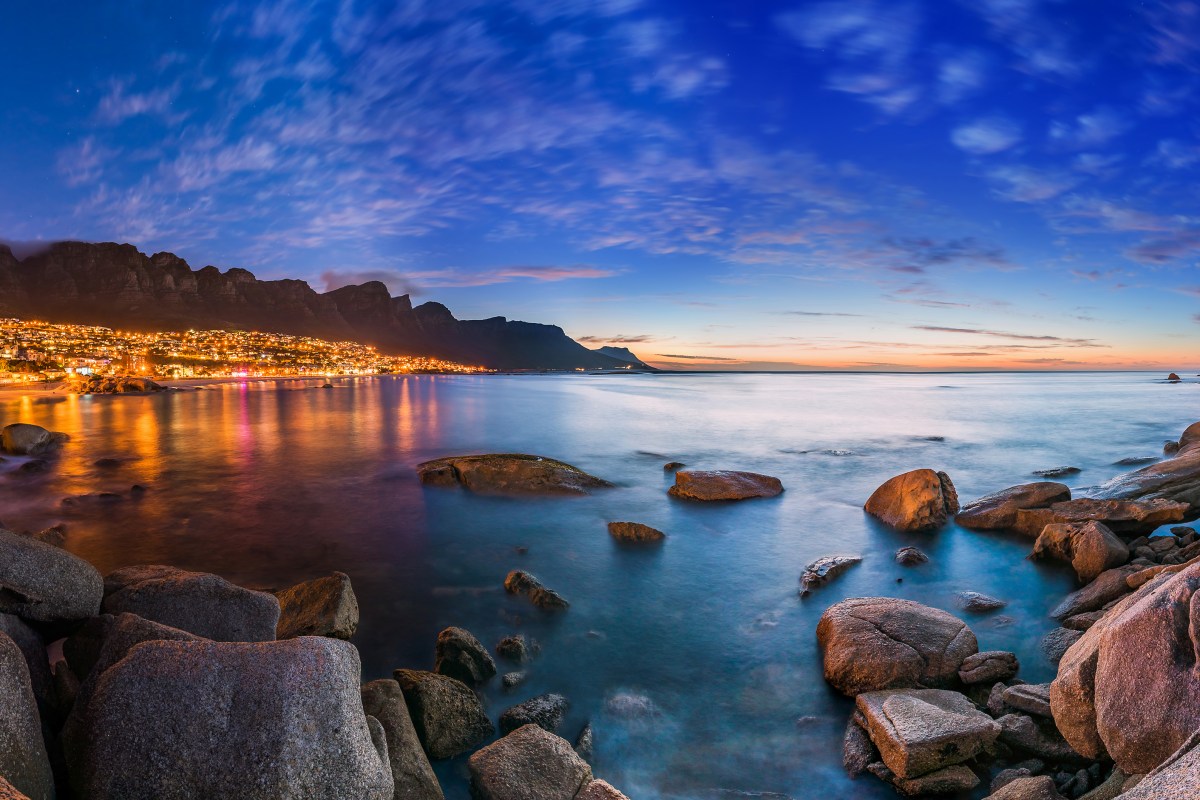
Our Guest Service Officers ROCK Goway!

One of our longstanding Canadian customers, Goway, arranged a trip of a lifetime from Cape to Cairo on luxury rail for a VIP group with a few pre nights at The Twelve Apostles Hotel and Spa.

Some guests missed their incoming flights and another guests’ luggage was damaged badly on her journey to South Africa.

What follows is the report and images submitted by one of our amazing GSO colleagues, Burton Solomon….  Thank you GSO Team!!!

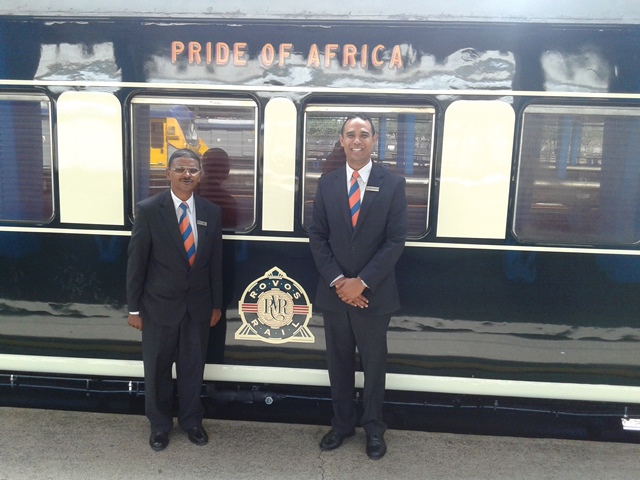
Our GSO team (Guest Service Officer team) reacted quickly and professionally before the guests departed on Rovos and handled the departure Meet and Greet with PERFECTION…..

Fuad and I met Mr & Mrs Hodge in the reception area whilst they were checking out.

We introduced ourselves and explained the reason for our visit.

Mr & Mrs Hodge thanked us for our assistance.

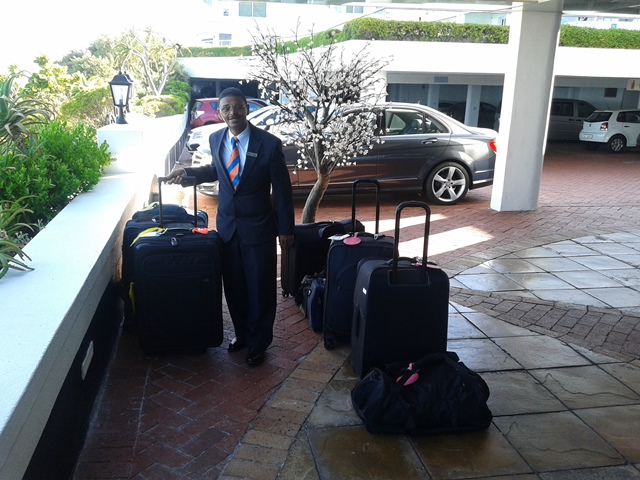
The group all checked out, left their bags with us and then went for breakfast.

Img 1

I introduced myself to the Mega coach driver and double checked if the correct signage was up in the window and if there was enough cold water. Everything was in order.

After breakfast Mr & Mrs Hodge came outside to talk with us whilst the rest of the group were still having breakfast.

Mr Hodge asked several questions about the GSO department saying he looked forward to experiencing our service but it was cancelled because a family member arranged to fetch them at the airport.

I explained that we have been meeting and greeting their guests for the past few years and that it is such an honour to meet the two of them. I thanked for all the business he has been giving us. After elaborating some more on what the job function is of the GSO he explained how much he appreciates this service.

After guests were done with their breakfast I stood at the door of the coach and greeted each one.

I then joined guests on the coach from The Twelve Apostles Hotel and Spa to Cape Town station. Mr Hodge made an announcement saying that I was here to make sure everyone leaves Cape Town, guests had a good laugh.

Whilst driving I offered guests some cold water.

Mr Hodge got up and came to sit with me at the back of the coach. He had so much to talk about. Explained how he started the business and how he met Mrs Hodge, etc.

When we arrived at Cape Town Station we proceeded to the Rovos Rail lounge. We double checked all the bags offloaded and tagged. Bags were then taken to the train whilst guests relaxed in the Rovos Rail lounge enjoying some refreshments.

Before going into the lounge Mrs Hodge advised that the broken bag which was supposed to be delivered had still not arrived and she would like for me to follow up on it. She said she’s not sure how I would get the bag to them but would like for me to please sort it out.

We quickly called the baggage handlers to follow up. They were very upset because they had been to the Twelve Apostles twice and on both occasions guests were not at the hotel. He said that they will not give the bag unless they receive their bag. It has to be a straight exchange. I said that we now needed that bag as guests were leaving Cape Town. They said unfortunately all drivers were busy and it’s not their fault that the guest will not receive the bag in time.

I told him that we would quickly come and collect the bag from them and deliver their bag later in the day but they refused. After a lot of begging the manager finally agreed that we could collect the bag.

We literally had 40min before the train departs so I contacted Leon at the airport to collect the bag at the baggage office and wait in the ‘drop & go’ area whilst Fuad drove to collect the bag. I arranged with the train manager to make sure the guests bag is in the room so that guests could unpack.

After everyone was done having refreshments guests had to make their way to the train. At that time Fuad had already returned with the bag. When Mrs Hodge saw the bag her face lit up and she couldn’t stop smiling.

We escorted guests all the way to the train.

All went well with the departure.

I did explain to Mrs Hodge that had Fuad not been back in time with the bag we would have driven through to their next stop (Worcester) to deliver the bag.

Mr Hodge mentioned that he is in the process of creating a blog and in it he would really like to make mention of the Thompsons Africa GSO department.

Botswana with Thompsons Africa and Desert & Delta Safaris

It was an early start for our team as we had to be at Durban airport by 5am for the flight to Johannesburg and then to Maun. Craig Drysdale, Elizabeth Edwards, Michelle Lazarus, Louise Kleyntjens, Andrew Camp and Graeme Watson were all participants on this fam, very kindly arranged with Desert & Delta with assistance from Air Botswana as well.


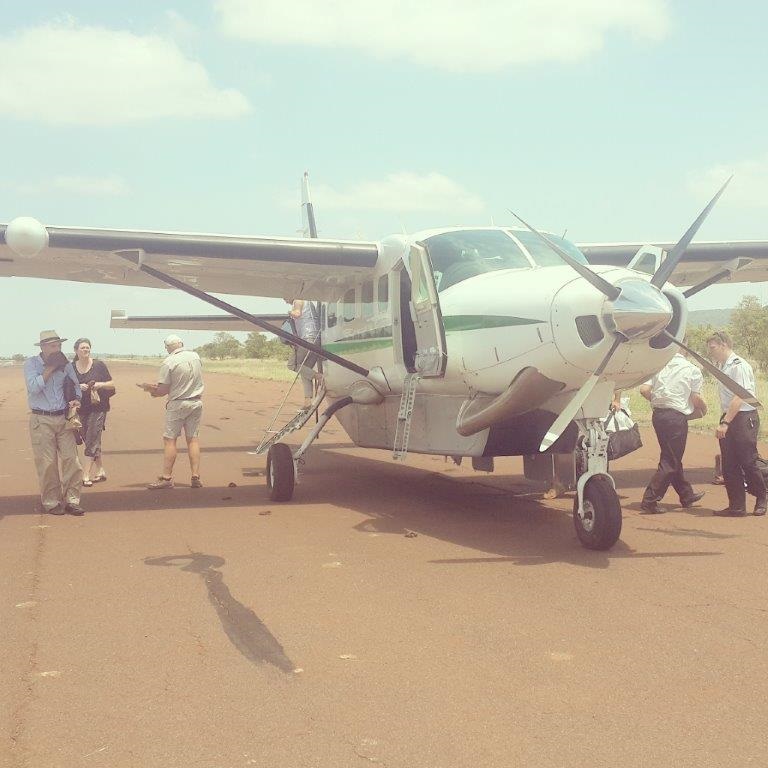
This was our plane. Air Botswana usually uses the ATR twin turboprops – a very comfortable aircraft and they have a full meal service and bar on board. The first thing that strikes you as you fly over Botswana is the vastness of the country, and how flat the landscape is.
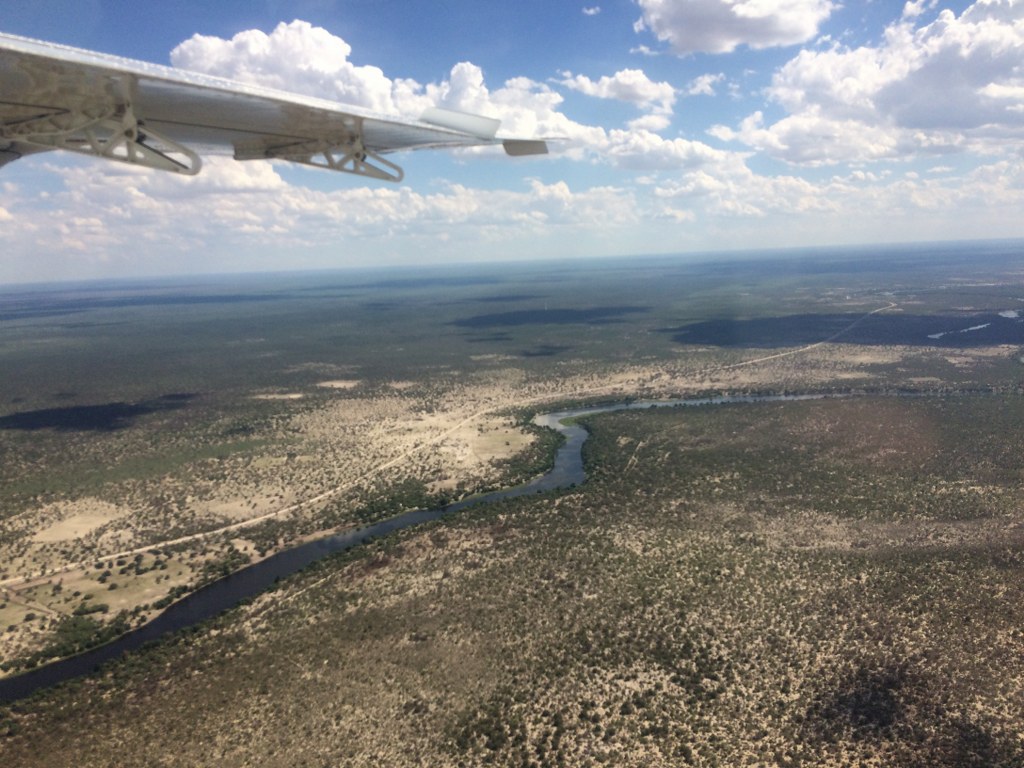
2015-12-14 14.57.36_1024x768

As we cleared customs, we met Stuart from Desert and Delta, who was to be our group leader for the next five days. The amazing staff at Desert and Delta should be very proud of themselves. Not only are they experts on Botswana in general, but have an amazing knowledge of the fauna and flora of the land. They are very passionate about their jobs and this does show.


All of us about the board the short hop to Leroo Le Tau from Maun (around 40 minutes). The plane was very comfortable although was quite a bumpy ride in places – mainly due to the very hot weather, which was in excess of 35 degrees celcius.


We then arrived at Leroo Le Tau airstrip where we were met and transferred to the lodge which was around 20 minutes away by safari vehicle.
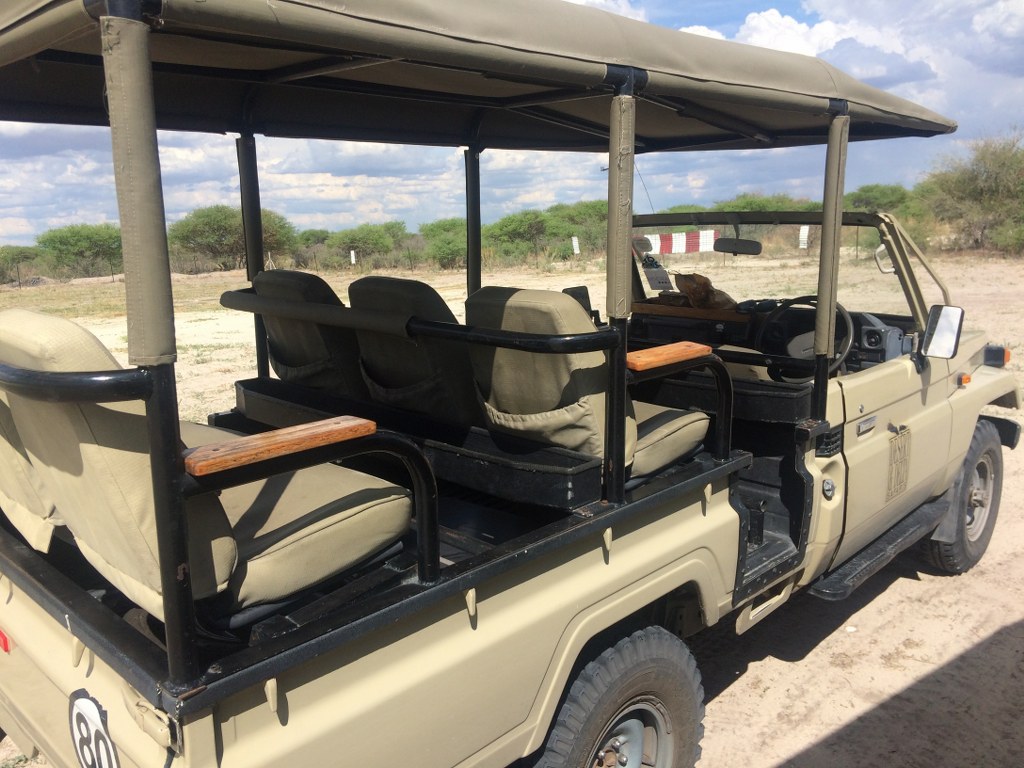
2015-12-14 15.21.52_1024x768

Text from the website of Leroo Le Tau:

‘Leroo La Tau is situated on the western bank of the Boteti River, northwest of Khumaga Village and about 140 kilometres southeast of Maun. The eastern bank of the Boteti forms the boundary of the Makgadikgadi Pans National Park, which stretches away from the riverbank towards its interior of scrubland and mineral-rich grasslands.

THE LODGE & ACCOMMODATION

The lodge features twelve luxurious thatched and glass-fronted suites with en-suite bathrooms, each unit raised on a wooden platform. The main lounge and dining area, with its inviting wooden and thatch finish, allows you to relax at the bar while listening to the wide variety of night sounds so characteristic of the African bush. Alternatively you can lounge around the swimming pool or enjoy the panoramic river vista from the game-viewing hide built into the bank of the river.

ACTIVITIES & WILDLIFE SIGHTINGS

The lodge offers guided day and night game drives. Depending on the water level, boat activities are also provided. Optional cultural excursions can be arranged to Khumaga Village, as can guided nature walks in the area surrounding the lodge.

Leroo La Tau translates as ‘lion’s paw’ but, although the surrounding area features abundant Lion, Zebra and Wildebeest, it also boasts Chobe Bushbuck, Leopard, Cheetah, Brown and Spotted Hyena, Impala, Kudu, Jackal, Porcupine, Genet and Caracal, to name but a few.

Owing to their remote location within the Makgadikgadi Pans National Park, the Makgadikgadi Pans themselves are not visited on daily scheduled activities from Leroo La Tau.’

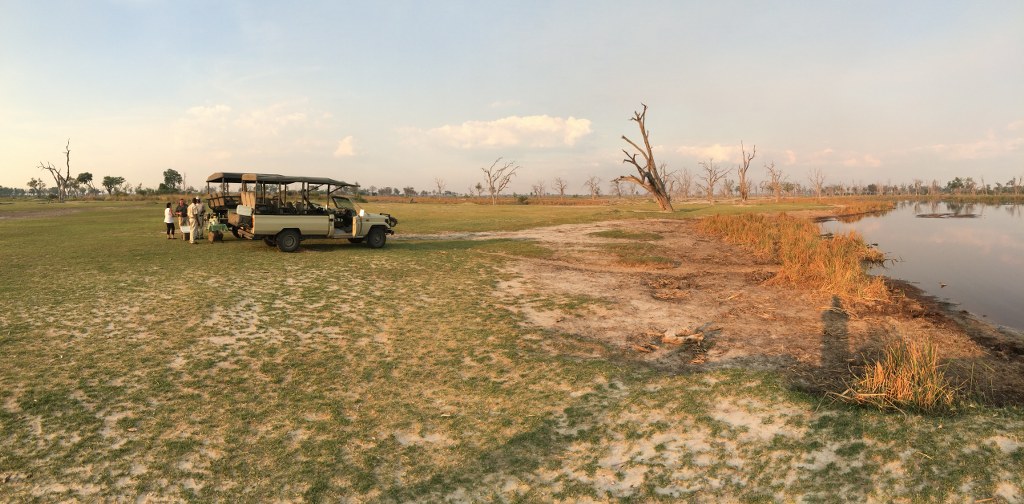
We headed out on the game drive, and the drinks stop had one of the most amazing views any of us had seen. In fact all the drinks stops were perfect as they seem to know just where the most scenic spots are.
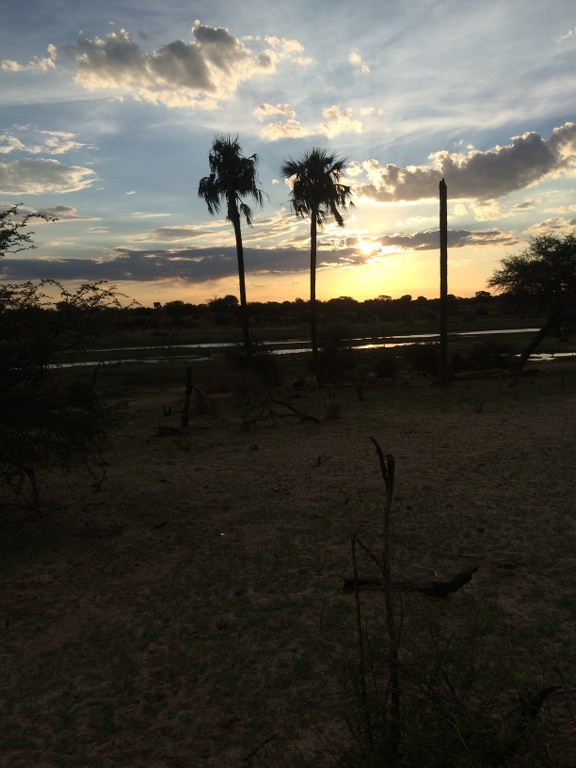
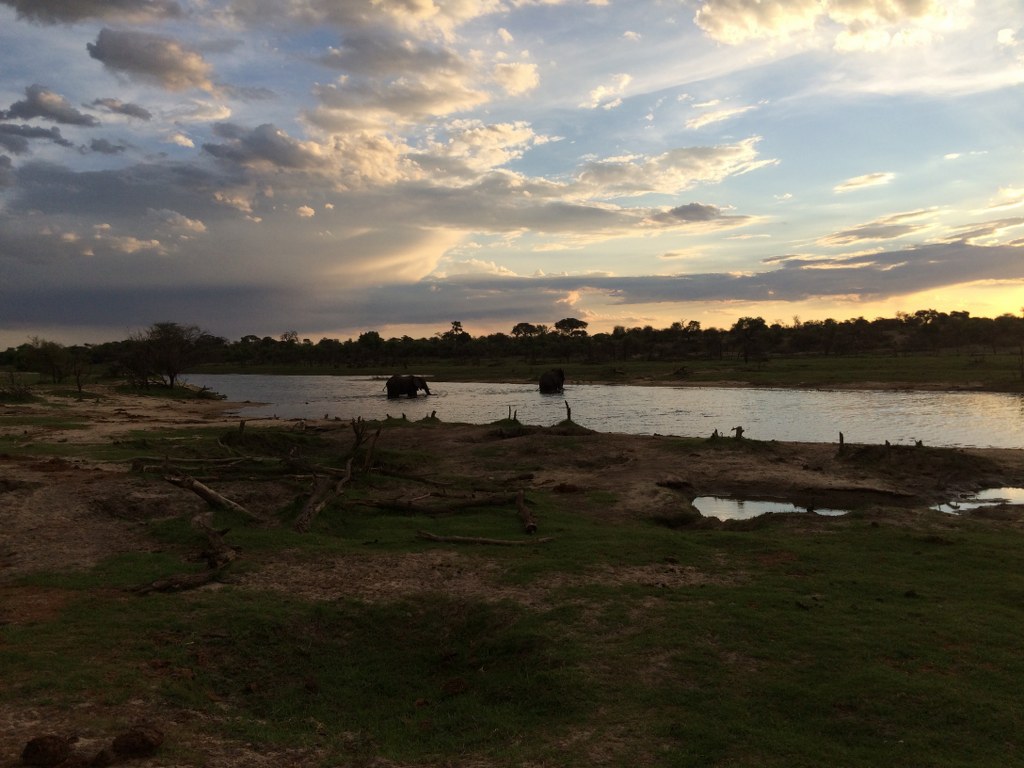
2015-12-14 18.31.35_576x7682015-12-14 18.33.57_1024x768

Later that night we were very pleasantly surprised by a private bush dinner, where the staff amazed us with their group singing. In fact every night as a feature of all the camps, the staff perform songs for the guests, and we are told is there is even friendly rivalry as to who has the best choir!


After a fantastic evening at Leroo La Tau and morning game drive with our first sighing of lion, today we bid farewell and headed on to Camp Moremi.


Enroute to the Airport we left earlier to do an orientation tour of the nearby Village. The village was where our fantastic guide Calvin grew up. We visited the local medical centre where everyone receives free medical assistance and the traditional court Kgotla. Calvin gave us an in-depth insight to how the locals host meetings headed by the Chief/ Headman and how the crimes and anything regarding the community is handled between the Kgotla and High court. We saw how hands on the president of the country is and how he is involved with the locals and often visits the communities.


Leaving Leroo La Tau airstrip for the next 30 minute flying across to Camp Moremi. Situated on the edge of the Xakanaxa Lagoon in an area well known for its spectacular game-viewing opportunities. We were welcomed by our guides Stel and KT and headed off by road to Camp Moremi where once again we were welcomed by phenomenal lodge staff.


After been allocated to our rooms and a quick refreshment we headed out on our afternoon game drive and sundowners – to one of the most stunning sunsets we got to experience in Botswana.

Dinner was served on the lawn under the clear skies with plated started and buffet mains/desserts.   Ending with a relaxed evening around the Bon-fire area with great company.

Comments

– Camp Moremi and Xakanaxa Camp are both located near to each other, this could be an option for larger groups travelling that can be split between the two properties. Even though the lodges may be different in look and style they offer the same gaming experience.

– Camp Moremi and Xakanaxa Camp offer both Land / Water activities.

– Being a traveller with dietary requirements each of camps showed personal attention to this and ensuring that each of my meals were catered for.

– The phenomenal staff at all the camps stood out in their personalities, humbleness and their passion for their work really reflected in everything they do.


The Desert and Delta lodges are all beautifully maintained!  At Camp Moremi (as is the case in all of the camps we visited), the main lodge areas have a vast area of lawn, beautifully kept, which is in such contrast to the surrounding bush.  It makes for a peaceful “oasis” feeling and in the intense heat, adds to the allure of the swimming pool.


The water was very low everywhere, but, from the vantage point of the viewing deck you have an expansive view of the Xakanaxa Lagoon – a perfect spot for sundowners.


This morning up early in time for a light breakfast before departing on our early morning game drive.


It was interesting to learn and understand some of the unique aspects of safari in Botswana, and, what makes this such a desirable destination:


A massive 38% of Botswana’s total land area consists of national parks, reserves and wildlife management areas.  The government manages both the national parks as well as the community-owned reserves.  The Government protected wildlife reserves of the north are surrounded by a series of massive, unfenced, private community “concessions”.  The low density tourism policy restricts the numbers of visitors to each of these exclusive areas, meaning there are concessions of 2,300 square kilometres, with just, for example, 2 camps of 8 rooms each, allowing only a handful of visitors an exclusive safari experience.  This in line with the government’s policy of low impact high yield tourism.


The road infrastructure is unsophisticated – made up of sand and dirt tracks – it means that travelling in many parts of the country has the feeling of an immense untamed wilderness.


Natural riches (diamonds!), a low human population density, a visionary government and the highest GDP per capita on the African continent have combined to make Botswana one of the most rewarding country in Africa in which to experience a big game safari.


We proceeded to Camp Xakanaxa for Bruch and to do a site inspection:


Camp Xakanaxa is right next door to Camp Moremi, on the banks of the Khwai River on the Xakanaxa Lagoon, in the heart of the Moremi Game Reserve.  Although these lodges are neighbours, they are completely private from each other.  Xakanaxa (during this very dry time that we visited), is right on the water.  It is a combination camp offering year-round Okavango Delta land and water safari experiences.


ACCOMMODATION

The camp accommodates twenty-four guests in twelve spacious all-canvas, classic Meru-style luxury safari tents, with en suite showers, hand basins and toilet facilities. Situated around the fringe of the lagoon, every tent has a private viewing deck with comfortable loungers. Camp Xakanaxa is one of the few camps in Botswana which still offers the essence of a classic tented camp.


THE CAMP

In camp, a relaxed and friendly atmosphere together with personalised and caring service evokes a feeling of coming home.

The stylish main buildings extend over the Khwai River and are set on raised platforms to maximise the views over the surrounding lagoons and islands. The elegant lounge and dining rooms, built of local timber, reed and thatch, feature a small library, expansive sundeck, plunge pool and sala with day bed. The fire-deck extends over the Khwai River and creates an enchanting environment in which to relax after dinner. There is also a larger pool with elevated sun deck in the expansive grounds.


From our site inspection we returned to Camp Moremi for some “down time” – much needed in the unrelenting heat!


We departed on our afternoon / evening game drive, with a stop for sundowners overlooking a waterhole with hippo and a most spectacular sunset and view.  Desert and Delta went to so much trouble for the sundowner experience.  The location chosen was always perfect and we enjoyed a fantastic selection of drinks and snacks.


Back to the lodge in time for supper, then around the campfire and off to bed!


Thank you to D&D for hosting us – it has given me a fantastic insight and understanding of the logistics and joy of visiting Botswana.


Depart Camp Moremi for Camp Okavango

It was truly sad to leave Camp Moremi after a two night stay where we bid farewell to our hosts Eric the camp Manager and his amazing team who were amazing hosts.  We were truly spoilt to have had Walter Smith spend time with us at Camp Moremi.  Walter is passionate about his product and the knowledge he shared with the team left us with a better understanding of this amazing destination Botswana.


Camp Okavango

Flying time from Camp Moremi to Camp OKavango is 5 minutes.  Camp O as it is fondly referred to is the ‘Flag Ship’ of the Desert and Delta portfolio.  The camp is currently closed, is a construction site and currently being rebuilt (due to re open in April 2016).


Camp Okavango is situated on the remote Nxaraga Island in the heart of the permanent Okavango Delta.  All game viewing activities offered at Camp Okavango are conducted by professional guides who will navigate guests through a variety on tranquil waterways while they have the opportunity to explore the Okavango by canoe (mokoro) and motorboat.  Guests will be able to explore the surrounding island where they can partake on guided nature walks.  Fishing for bream and tiger fishing is also offered (seasonal)


We were given the opportunity to walk around the site as well as view a mock up room the honeymoon suite.  The newly built accommodation offers each tent built on raised teak platform, ensuite facilities, sliding glass doors which open onto private viewing deck.  New to Camp O is a family suite.


A 5 minute walk from Camp Okavango to the airstrip for our 15 minute flight to Camp Xugana Island lodge.  Arrive Xugana Airstrip where we were once again warmly greeted and transferred by boat approximately 20 minutes from the airstrip to the camp.  Xugana is a ‘Little Jewel’ situated on the remote and enchanting Xugana Lagoon, the most spectacular permanent waterside in the entire Okavango Delta.


We were allocated our room keys and seated for midday brunch.  Today’s activity included a walking safari.  This activity is offered to guests at sunrise, and as we needed to experience this activity out hosts arranged a shortened version in order we could experience.


We were transferred to a neighboring Island ‘Palm Island’ by motorboat which was just so exciting traveling through the waterways of the Delta.  We arrived at Palm Island (in the midday heat) where the day unfolded into a true safari adventure.  We had walked about half an hour where our guide GB got us close and ‘personal’ with lions, about 200 meters distance from where we were standing. (unfortunately too close for my liking and became a bit nervous) the guiding throughout the camps at all times was exceptional and professional, most guides having been born and raised in the wilds of Botswana.


Head back to the lodge by motorboat where on arrival we were taken by complete surprise to be served sundowners on a private ‘raft, that was set up exclusively for the team in the middle of the lagoon.


Dinner was served in the al fresco dining area which overlooks the expanse of the pristine water that makes up the permanent Delta.


What a wonderful way to end this exciting safari adventure.


Xugana Lagoon is widely recognised as the most spectacular permanent water site in the entire Okavango Delta, which itself is Africa’s largest and most awe-inspiring oasis. The Okavango River rises in the highlands of Angola yet never reaches the sea; instead its immense waters empty over the sands of the Kalahari, where the great thirst of the desert is quenched in a wilderness of freshwater lagoons, channels and islands


Xugana Island Lodge is situated on a private concession and takes full advantage of this magnificent site. An expansive deck and al fresco dining area overlooks the vast, pristine body of water that makes up the permanent Okavango Delta. The lounge, bar and dining areas are set back under the Ebony and African Mangosteen tree canopy in open-sided thatched structures, and the swimming pool, located within the mature gardens in the centre of the island, is a perfect place to relax. The lodge accommodates only sixteen guests in large, raised, reed and thatch lagoon-facing chalets, with en-suite facilities and private viewing decks optimally placed on the shaded fringe of the island.

Xugana Island Lodge is a pure water paradise and gives you the chance to experience a true Okavango Delta safari. All activities are conducted by experienced professional guides. Explore the crystal-clear waterways by mokoro (traditional dugout canoe) or motorboat, and enjoy the magnificent variety of bird, plant and reptile species found in the area. Birding is absolutely spectacular, especially during the summer months when the migrant birds come to breed. Your experienced guide will also take you on a guided nature walk on surrounding islands in the concession, giving you the chance to experience nature up close and personal. Fishing for bream and tiger fish is also offered as an activity at the lodge. Xugana Island Lodge is a water-based camp and game drive activities, using safari vehicles, are not possible.


Diary for the day:

Wake up call at 6am, followed by breakfast at 6.30am on the lagoon facing deck under the large canopy of trees. Beautiful to watch the sunrise from this vantage point.
1hr boat cruise to Hippo Pools, very exciting winding through narrow channels and into large lagoons on the motorised boats and back into large lagoons with large pods of Hippos and a few large croc sightings. Amazing bird life. Then visited the Heronry where baby Herons wobble in their thick nests while a baby croc lies in wait , mouth agape. A monitor lizard slithers across the island looking for eggs.


1 hr boat ride back through the channels to the airstrip for our 30 minute charter flight to Savute Safari lodge but first a 20 minute Mokoro experience for those who are interested.


The accommodation was comfortable, spacious and all amenities in room, except air con, but they do have ceiling fans and standing fans in room. Excellent guiding, superb food and staff at Xugana Island Lodge. A refreshing water based camp and nice break from the bumpy land game drives. Highly recommended to end itineraries here so that guest can wind down from the busy, bumpy and hot game drives in Botswana.


Animals/Reptiles/Birds spotted while at Xugana….. Lion on the island walk, Lechwe, Sitatunga (only found in the Delta), Elephant, Zebra, Wildebeest, Baboon, Sable, Antelope, Hippo, Giraffe, Crocs, Mongoose, Monitor Lizard, Clawless Otter, Storks, Pied Kingfisher and other varieties, Grey Ibus, Fish Eagle, Carmine Bea Eaters, Cormorant, Crane.

Land at Suvute international airstrip. 25 mins drive to Savute Safari lodge (http://www.desertdelta.com/botswana-safari-lodges/savute-safari-lodge.html ) through Semi desert scrub and trees.

Stretching from the Linyanti River all the way to Savute Marsh, the winding waterways of the Savute Channel have pumped life into the western section of Chobe National Park for many thousands of generations. However, this fickle and unpredictable channel, which has a fascinating history of flooding and drying up, independently of good rainy seasons and flood levels elsewhere, has mystified local inhabitants, geologists and others for many years.


To ensure a private and relaxing environment, Savute Safari Lodge accommodates just twenty-four guests in twelve thatched chalets built of local timber. The chalets, which have been elegantly furnished in calm neutral tones to blend with the natural environment, feature expansive private decks, a combined bedroom and lounge area and en suite facilities. Sink into one of the numerous comfortable leather, wood or wicker sofas in the lounge – and library – or sip a cocktail in the stylish bar. All these facilities are situated in a beautiful two-storey thatch-and-timber main building. Savute Safari Lodge offers a shaded viewing deck, an al fresco dining area and swimming pool with spectacular pool loungers – ideal for watching the varied wildlife – including the resident Elephants – as they make their way to the Channel to drink, bathe and play.


Activities are organised around game drives throughout the Savute area in open 4×4 safari vehicles. Many trips will incorporate a visit to the Savute Marsh to give you a chance to see the historic presence of the Savute Channel at the marsh against a backdrop of teeming wildlife. Guests can also enjoy a visit to the ancient San rock paintings at Gubatsa Hills – a small hilly outcrop which forms a prominent landmark in the otherwise flat landscape. Savute boasts the second-largest summer Zebra migration in Africa; its timing is determined by the rains, but usually occurs between November and December and again between February and April, when the Zebras move from the rivers in the north in search of the rain-ripe grasslands and full waterholes in the southwest of the park. The migration is always followed by large numbers of predators – the Zebra migration is a must for visitors.


This lodge is within the Chobe National Park, in the Western section within a private concession. All 12 chalets overlook the Savute channel with permanent pumped waterholes in Summer.


Time to relax around the pool briefly with a beer while watching elephants come and go from the waterhole. 3pm is tea time just before the afternoon game drive leaving at 3.30pm. The game drive onto the Savute Marsh yields great game sightings. Our location for sundowner drinks is spectacular and provides a myriad of colours as the sun sets. We return to the lodge at 7pm for dinner on the deck overlooking the floodlit waterhole with elephants, Buffalo and Impala awaiting our arrival – amazing! Dinner is delicious and followed by the Savute choir/staff who are fantastic. Throughout the night we are woken up by elephants trumpeting which is just so incredible, you realise you are sharing their space in the wild.


5am wake up call for our final drive. We grab a quick coffee on the deck overlooking the waterhole and are gobsmacked to see a pack of wild dog challenging 4 elephants for a space at the waterhole in front of the lodge. Incredible.

Our game drive gives up the goods, amazing up close and personal time with a large Savute pride of lion, a mating couple and females on a Wildebeest hunt.


On our way back to the lodge we spot the elusive Leopard. A perfect way to end our trip.

Thanks Desert & Delta for showing us your incredible operation in Botswana!
All Eyes On…Botswana

For an all-round safari experience of a lifetime, visit Botswana. It’s not the magnificent Okavango Delta alone and its diversity of habitats, but the opportunity to gaze at it from different angles by air, water and land.

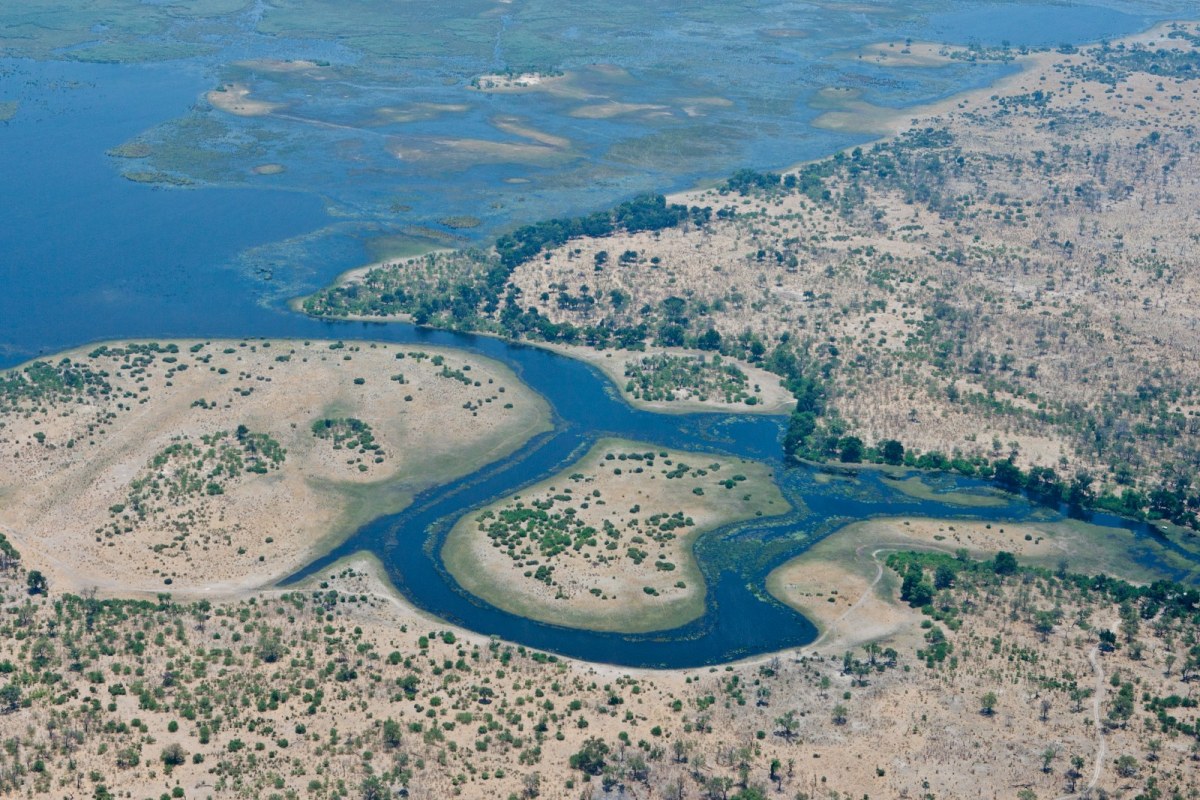
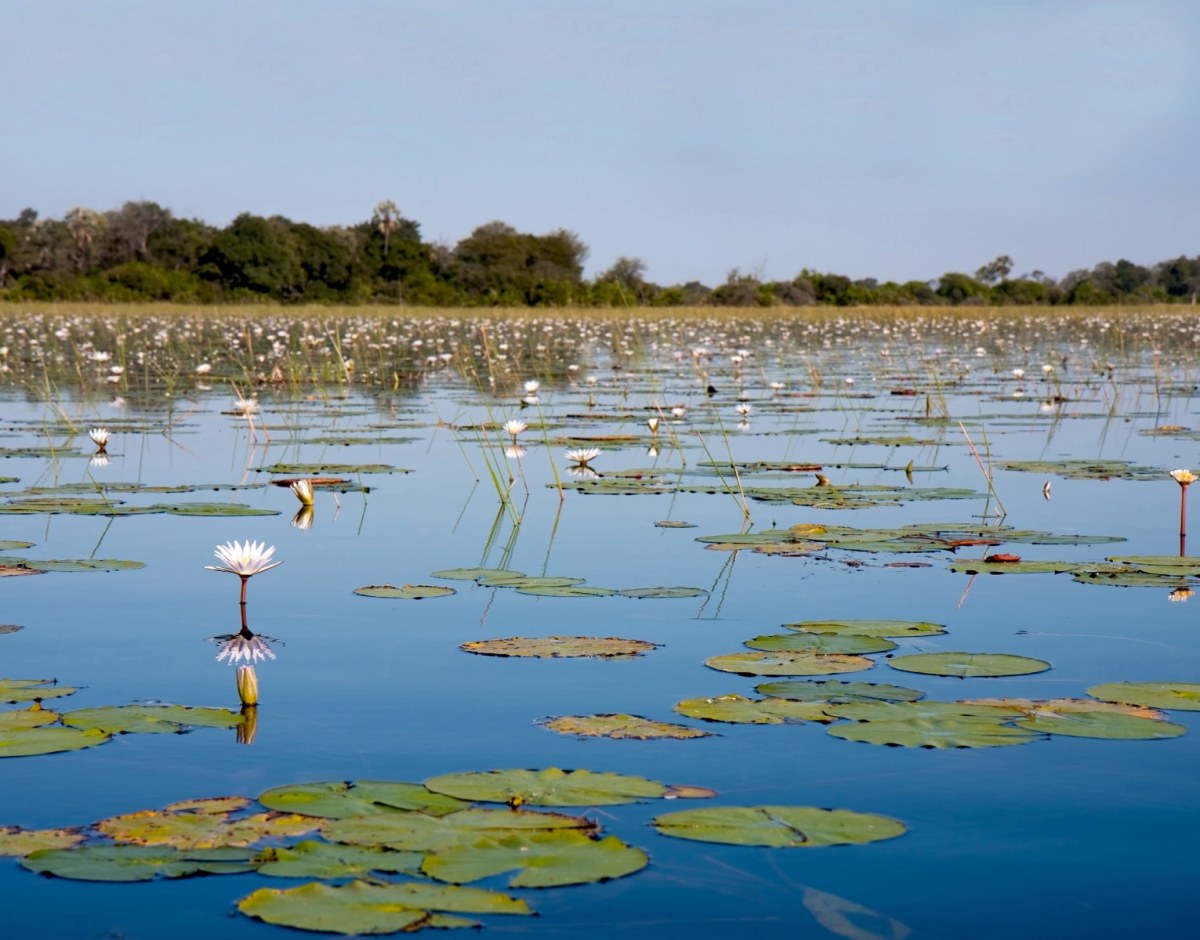
251081341_Okavango Delta Botswana_1200x1200

The legendary inland waterway, the Okavango Delta, slices sinuously through a large part of Botswana, creating an area of unimaginable natural splendour. Millions of litres of water reach miraculously into this part of the Kalahari Desert, infinitely enriching an environment that supports an incredible diversity of mammal, fish and bird life.

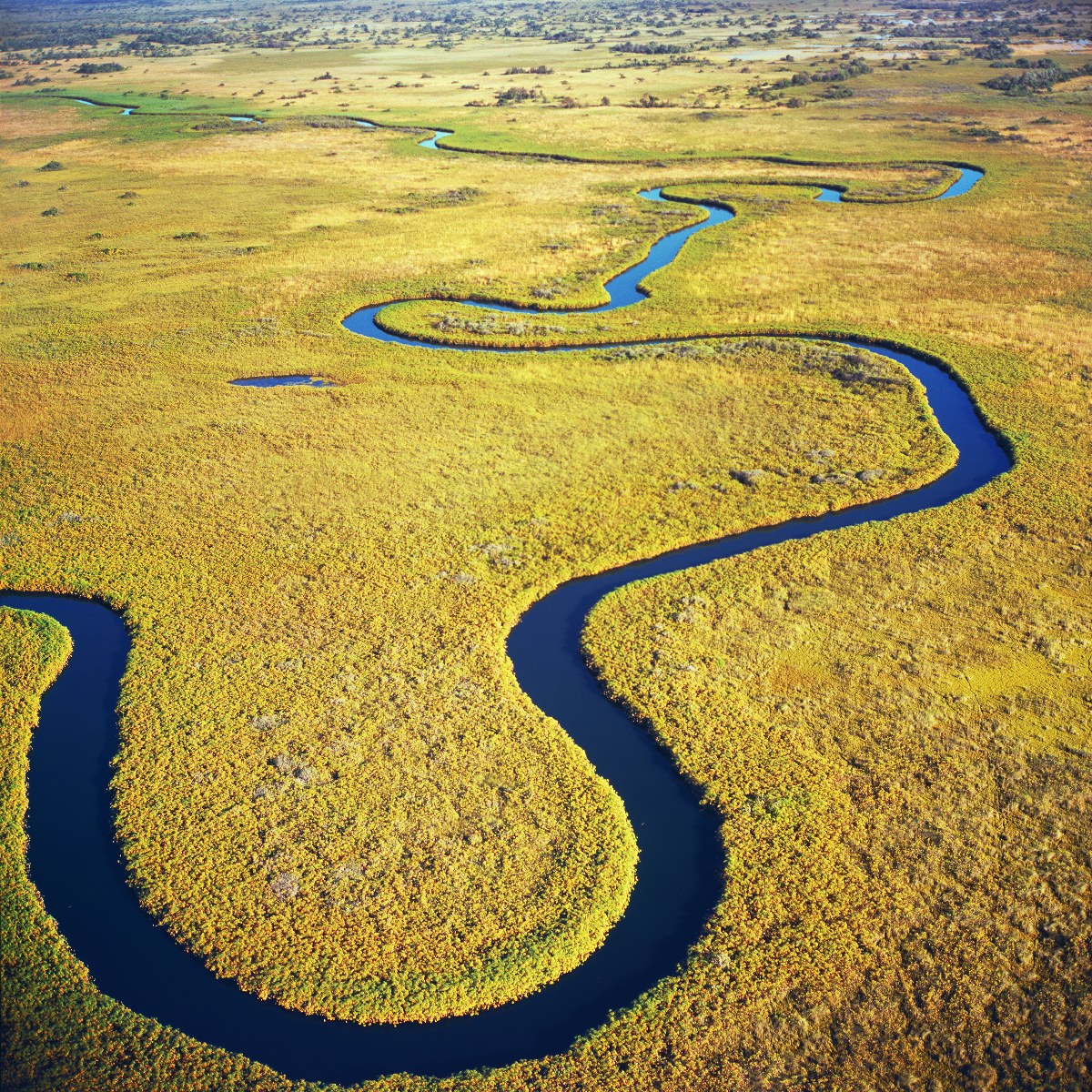
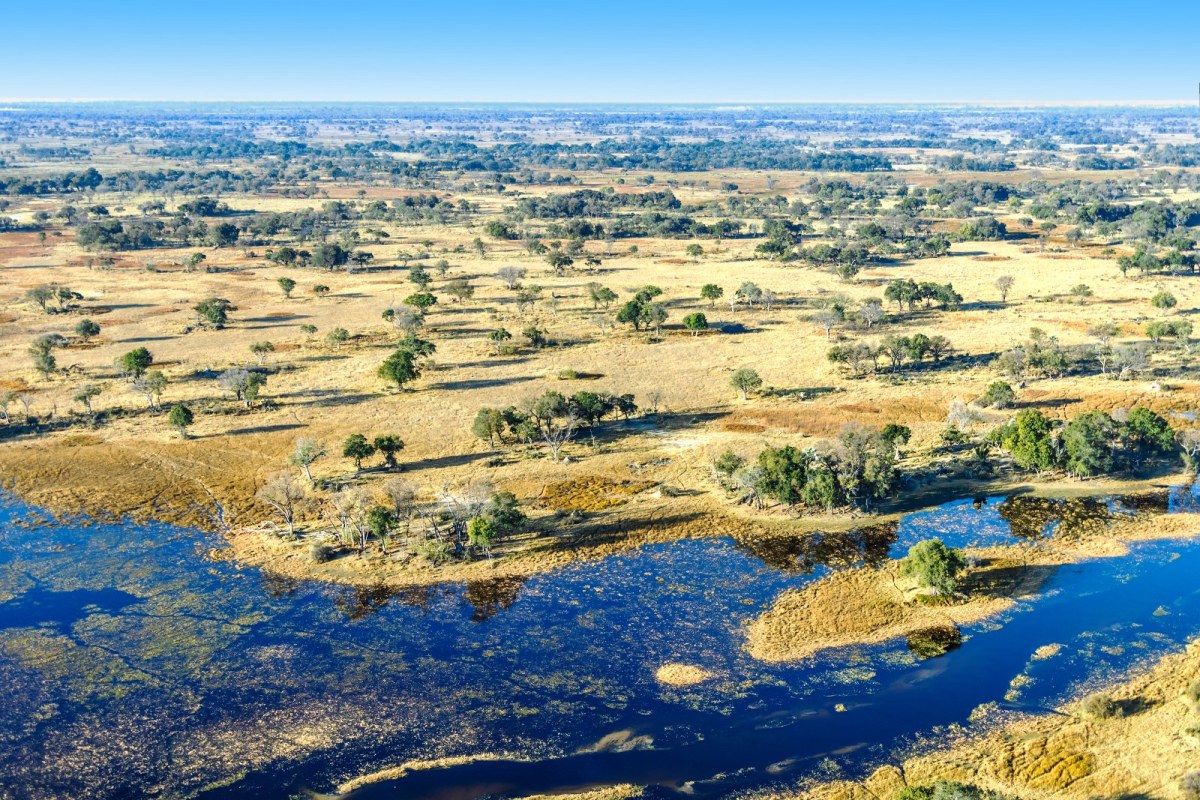
ss_53456341_okovanga delta_1531x1200

To fly over the Delta in a light aircraft is scenically arresting and awe-inspiring for the tracking and viewing of game. It is also, in certain cases, the only way to reach the more remote camps! Some camps are water based, others offer both wet and dry game viewing. Meander slowly through the watery courses in a traditional canoe or Mokoro, or travel over land in an open safari vehicle.

235356880_Okavango Delta Botswana_1600x1067134048372_Mokoro Botswana_797x1200

Botswana may be best known for its Delta, but the country also boasts two of Africa’s finest game reserves: Moremi, renowned for its huge herds of elephant, buffalo, giraffe and antelope; and Chobe, further north, thought to have the highest concentration of elephants in the world. For a thrilling end to a memorable day, take a sunset cruise at Chobe, and watch hundreds of dusty elephants ponderously cavorting with each other at the river’s edge as they quench their thirst.


The Linyanti Region lies within Chobe and here, in the dry season, the concentration of game is such that the visitor will see buffalo by the thousand, followed by sizeable prides of lion. The Savuti Channel, also a part of Chobe, stakes its own unique claim – here the legendary Bushmen left the unique mark of their native paintings on their ancient home.


Further Bushman artwork is marvellously preserved in the Makagadikgadi Salt Pans of the Kalahari in the southern part of Botswana. The scenery and game viewing in this remote region is altogether different from the lush waterways and grasslands of the Delta. Here, on the sand dunes and in the vast dry pans, quad bikes are the order of the day.


MUST DO:

  • Watch in awe as thousands of elephant converge on the Chobe River.
  • See the wild dogs, as you view the game in the Moremi Wildlife Reserve.
  • View the abundance of lions in Savuti.
  • Enjoy the prolific bird life in the world-famous Okavango Delta, as you are gently poled along in a mokoro.
  • Take a game or nature walk in the Delta.

All Eyes On…Cape Town

Is any place on Earth as enchanting, as spectacular, as Cape Town?

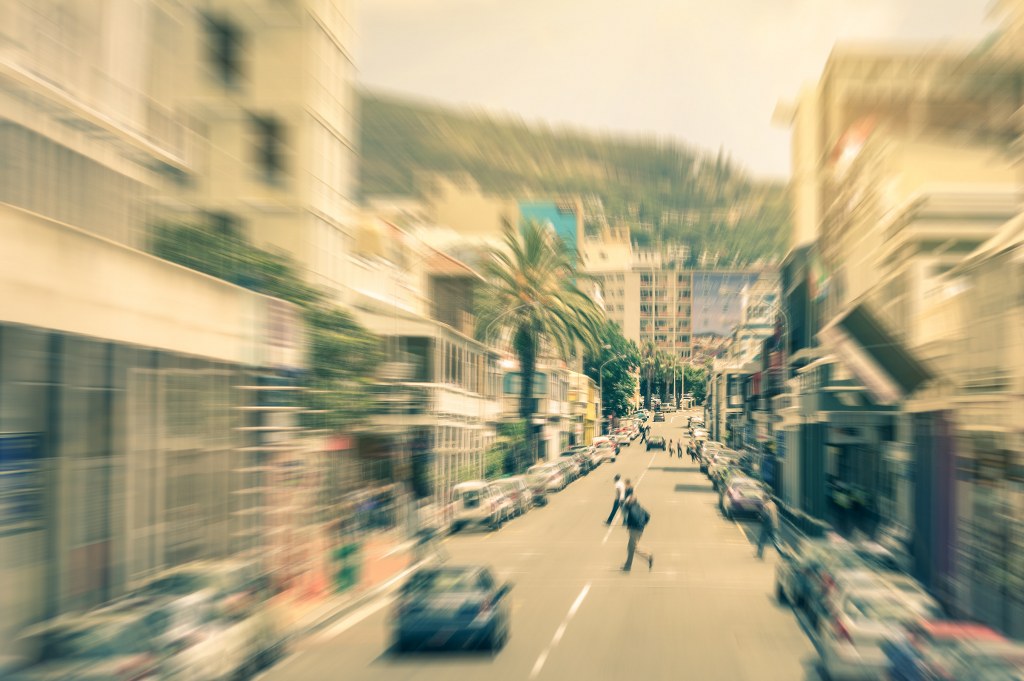
Long Street_Cape Town_231188854_1024x681No wonder the world regularly votes it one of the world’s most beautiful cities, set at the tip of a green and historically fascinating province.

Cape Town has it all – a fascinating mix of up-to-the-minute vibrancy, memorable history and culture, and spectacular natural beauty – all rubbing shoulders under the iconic magic of Table Mountain. The architecture alone is notable: Cape Malay, centuries-old Dutch and British, sleek modern skyscrapers, 21st century apartments and office buildings. Imbibe the timeless wonder of the ‘Mother City’ and the bustle of flower sellers, buskers and craft markets.

shutterstock_354201692_1024x570

Close at hand are the Houses of Parliament. So too is the sensational Victoria & Alfred Waterfront, the lively happening centre of the city, with its boutiques, its fun and activities, the Two Oceans Aquarium, and countless great restaurants, from which you can watch the coming and going of the finest ships, cruise liners and ultra-luxurious yachts from every part of the world.

ss_99001814_cape town_waterfront_1024x405

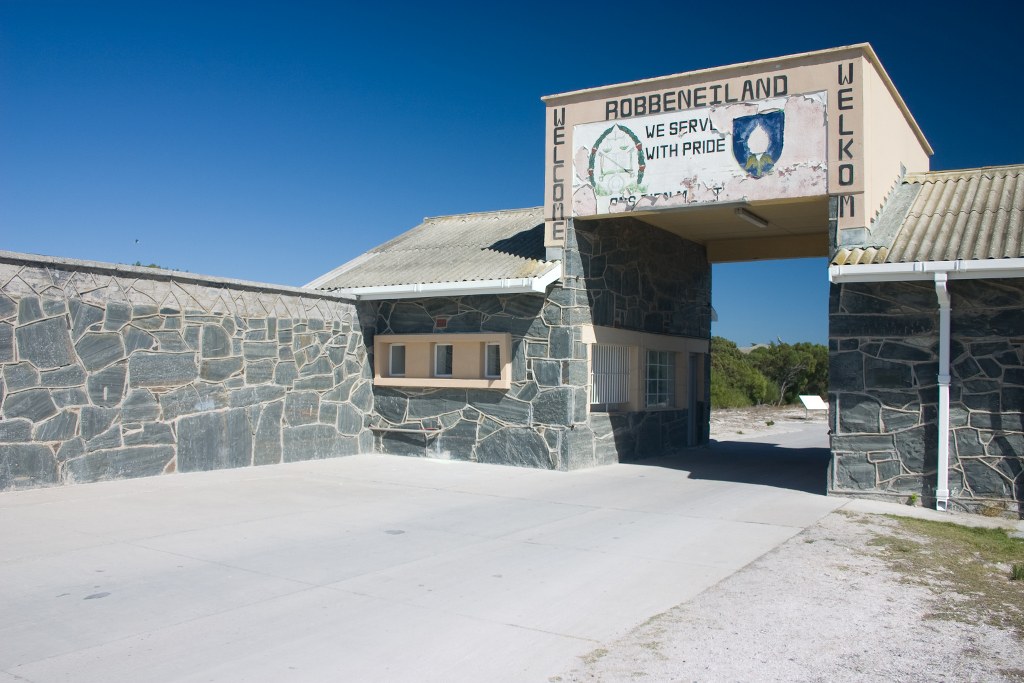
An easy boat ride from Cape Town is the famous Robben Island, with the one-time prison cell of the universally beloved former President of South Africa, Nelson Mandela.

shutterstock_32050087_robben island_1024x683

The Western Cape is an extravaganza of experiences: whale watching at Hermanus, quiet strolls through the beautiful botanic gardens of Kirstenbosch, wine tasting at any of the legendary wine estates. If you’re reaching for the stars, visit the sleepy Karoo village of Sutherland, with its scintillating, starry night sky and its 11 world class telescopes.

ss_93102847_franschhoek_1024x683

Take a break! Take time out with the sun-worshippers on the magnificent beaches of Clifton, Llandudno or Camps Bay, followed by a chilled sundowner cocktail at a classy beachside pub or lounge. There’s no end to the charm of the Cape lifestyle.
shutterstock_359456141_1024x683

MUST DO:

  • Take the aerial route on a cable car to the top of Table Mountain, for unimaginable, panoramic views of Cape Town.
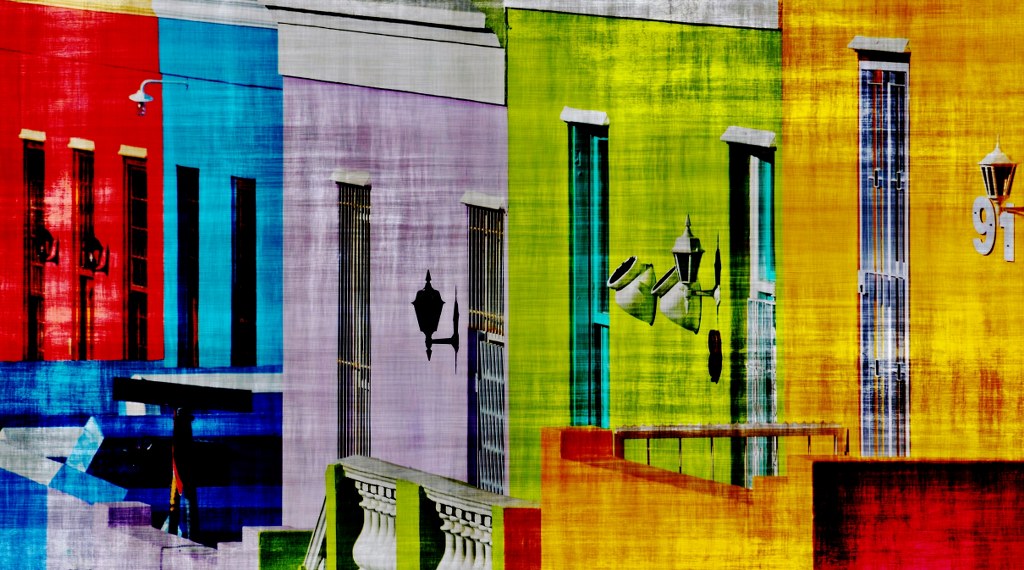
  • Recapture something of the kaleidoscopic history of South Africa in the many museums: Bo Kaap, District Six Museum, Groot Constantia and the Military Museum.
  • Don’t miss the penguin colony at Boulders.
  • Enjoy the incomparable beauty of the winelands tour through Constantia, Stellenbosch, Franschhoek and Paarl.
  • Take a ferry to the famous Robben Island.
  • Visit the Castle of Good Hope the pentagonal fort with its moats and bastions, originally built to defend the Dutch settlement.
  • Hear the ‘noon day gun’, fired daily from the top of Signal Hill.

Festivities South African Style

Because we’re located in the Southern Hemisphere, South Africans celebrate year end festivities in Summer.  Summer heralds hot, sunny days and some spectacular afternoon thunderstorms….

So what does a South African year end festivity look like?  They are generally characterised by two main ‘ingredients’…. Beach and Braai!

The word braaivleis is Afrikaans for ‘roasted meat’.

The word braai (pronounced ‘bry’, rhyming with the word ‘cry’ and plural braais) is Afrikaans for ‘barbecue’ or ‘roast’.  It originated with the Afrikaner people, but has since been adopted by South Africans of many ethnic backgrounds.  The word vleis is Afrikaans for ‘meat’.

And then there are the beaches….  I’ll let the pictures do the talking!

Victoria Falls International Airport OPEN!

The new Victoria Falls International Airport terminal was made operational and opened to passengers on Wednesday, 2 December 2015.  David Chawota of the Civil Aviation Authority of Zimbabwe (CAAZ) confirmed that the airport has been made operational in advance of the official opening on Sunday the 13th of December.  The airport will accommodate 1,5 million passengers a year with Air Zimbabwe, SAA, BA Comair, Flyafrica and Fastjet already operating to the airport. It is anticipated that Quatar Airways will also launch flights.

IMG_3496IMG_3494

Amelia Schoeman, Executive Operations Manager for Thompsons Africa recently travelled to Botswana and Victoria Falls and enjoyed the new airport first hand.  ‘I enjoyed my interaction with the wonderfully warm and friendly staff at a new restaurant onsite and felt that the airport as a whole offers a fresh, new modern experience’.

#whywouldn’tyou

There are a myriad of reasons to visit South Africa.  There are also some pretty interesting and fun facts! So, #whywouldntyou ??

Cape Town’s Table Mountain is believed to be one of the oldest mountains in the world.

The Cape Floral Kingdom has 9,600 plant species, 70% of which are not found anywhere else in the world.


Table Mountain with its more than 1,500 species of plants has more than the entire United Kingdom.

The longest wine route in the world??? Route 62 in South Africa of course!

The Kruger National Park supports the greatest variety of wildlife species on the African continent.

Boulders Beach Penguin Colony is found in Simons Town, South Africa.

Boulders Penguins_224045017_718x768

Disney’s Animal Kingdom Lodge Features the largest South African Wine List in the United States.

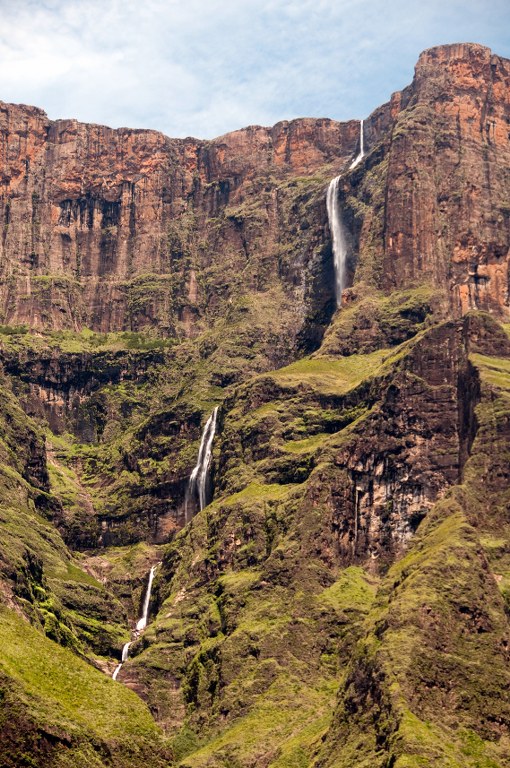
The Tugela Falls is the second highest waterfall in the world with water that falls down 948 metres!

Tugela Falls_56426971_510x768

Blyde River Canyon is the third largest canyon in the world after the Grand Canyon in the United States and the Fish River Canyon in Namibia.

10% of the world’s flowering species are found in South Africa. South Africa has the third highest level of biodiversity in the world. South Africa is home to the world’s smallest succulent plants (less than 9.9 mm) and the largest (the baobab tree, around 20 metres tall).

Nelson Mandela and Archbishop Desmond Tutu both have houses on Vilakazi Street in Soweto. The only street in the world to house two Nobel Peace prize winners!

South Africa has deserts, mountains, escarpments, plateaus, grasslands, bush, wetlands and subtropical forests.

The world’s largest cut diamond, the ‘Star of Africa I,’ or ‘Cullinan I,’ is the largest-cut fine-quality colorless diamond in the world. It was cut from the 3,106-carat Cullinan diamond found in South Africa in 1905.

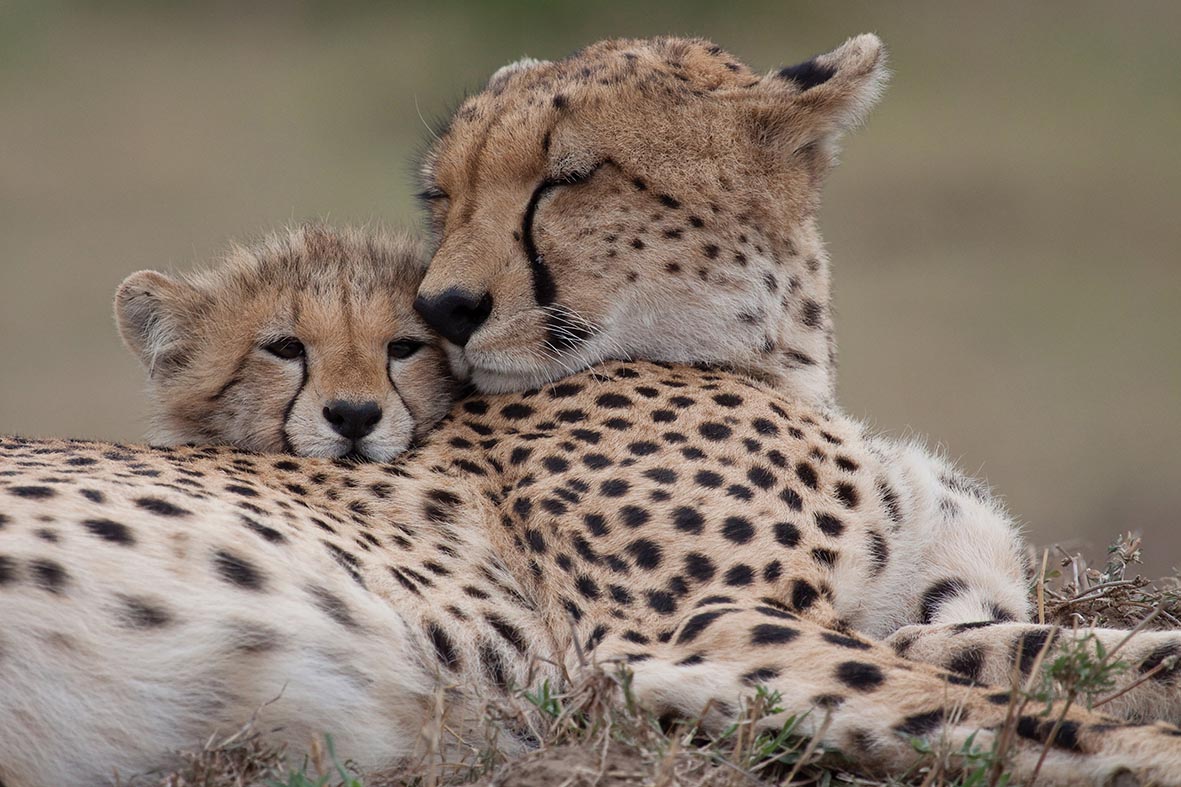
Three of the five fastest land animals are found in South Africa, the cheetah (101.3 kilometres per hour), the wildebeest and the lion.
LR_On Safari_pg55_Cheetah Plains Photographic Safari

South Africa has three capitals: Pretoria (executive), Cape Town (legislative), and Bloemfontein (judicial).

Approximately 900 bird species are found in South Africa alone, which represents 10% of the world’s total bird species.

South Africa has the highest commercial bungi jump in the world (710 feet). At 216 metres, the Bloukrans Bridge is situated in the Western Cape of South Africa.

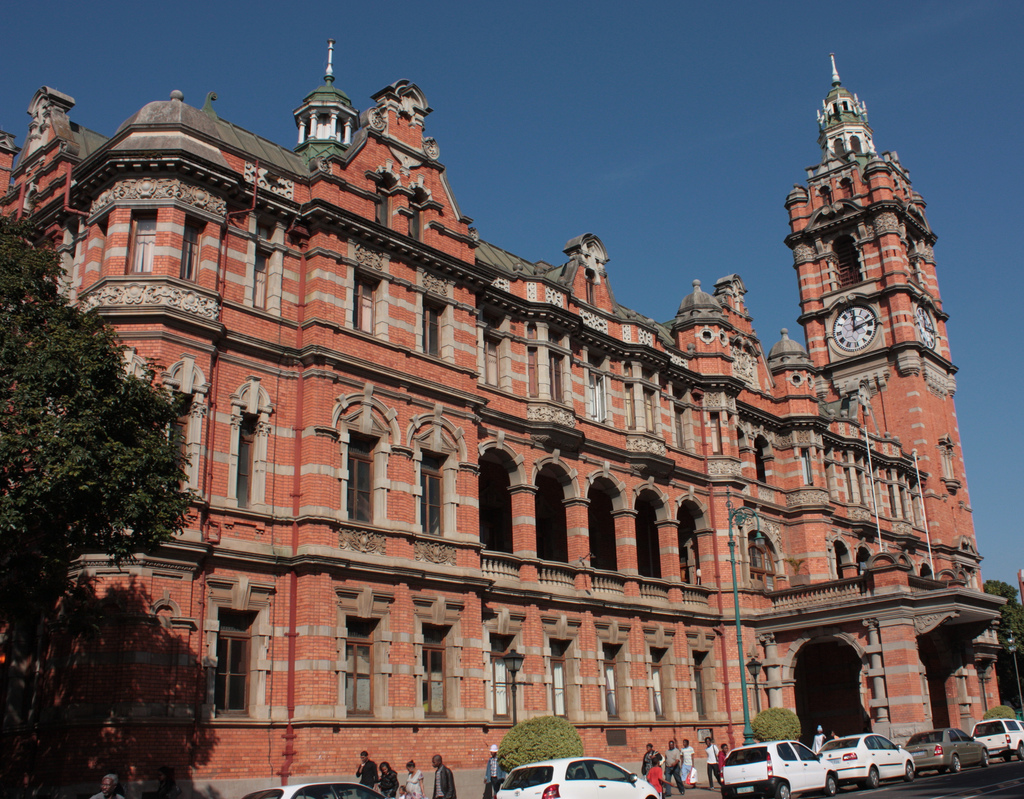
The City Hall in Pietermaritzburg, South Africa, is said to be the largest red-brick building in the Southern Hemisphere.

City Hall Pietermaritzburg

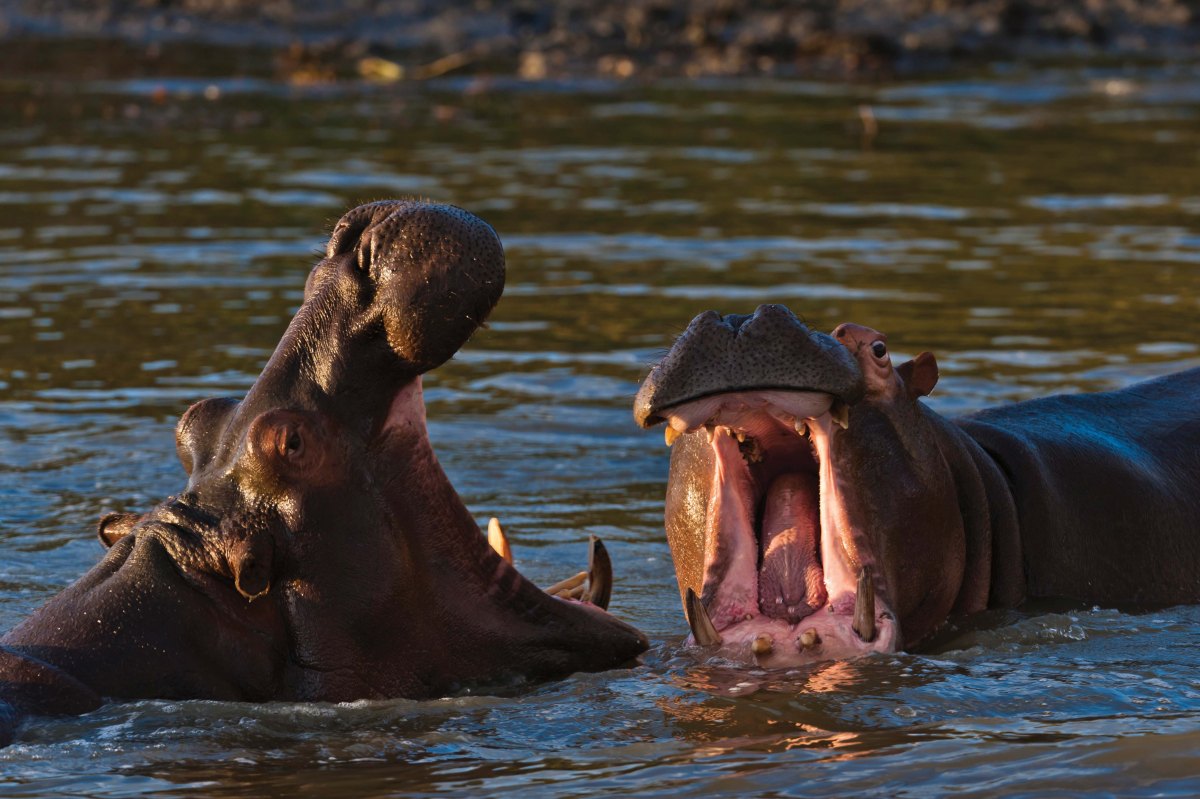
Hippos can stay underwater for up to 5 minutes without coming up for air. When sleeping in the water, their bodies automatically bob up to the top of the water so that they can take a breath, and then they sink back to the bottom.

on_safari_hippos

Wildlands Conservation Trust News – Decemeber 2015

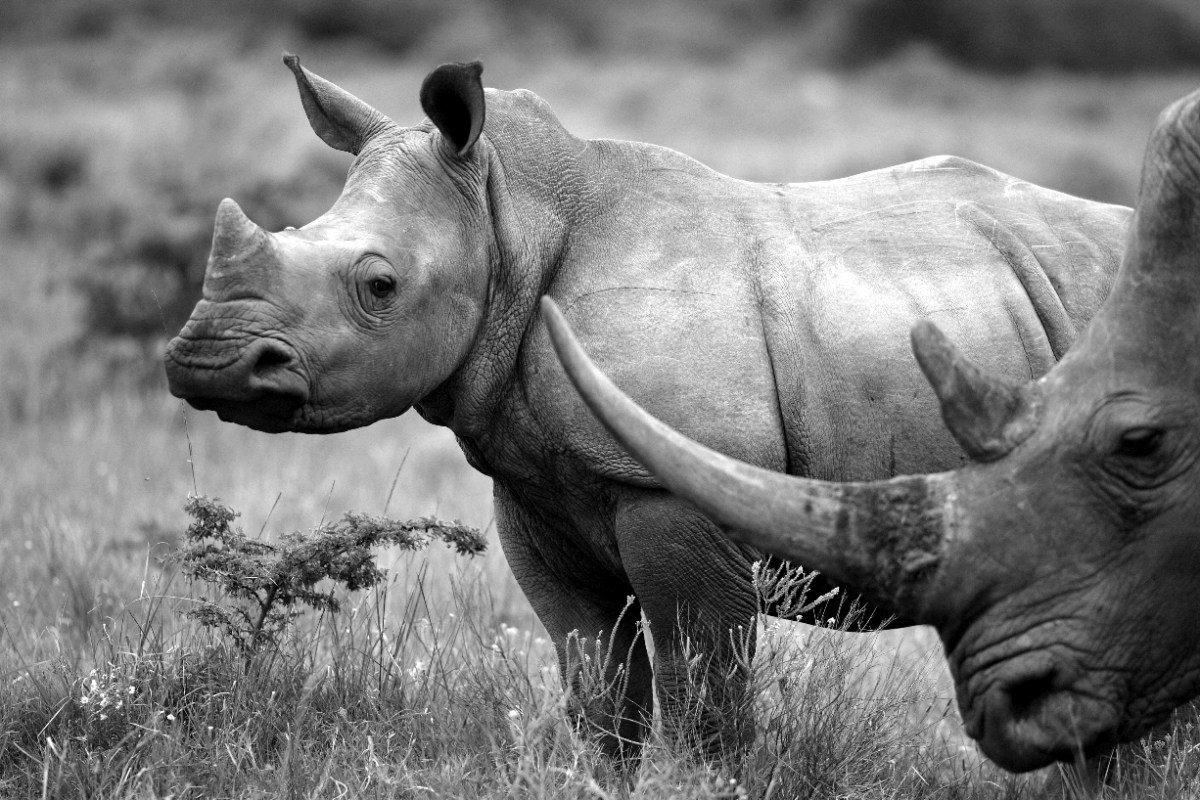
UPDATE ON THE RHINO POACHING CRISIS – DECEMBER 2015


With one month of the year left, we have now moved into the phase that most conservation managers dread. While most are winding down for the Christmas season, reserves with Rhino populations are now gearing up for what has become the busiest time of the year with respect to poaching incursions. With still no indication from the Department of Environmental Affairs regarding the national number of Rhino poached, we would guestimate that we are sitting around 1250 Rhino lost to poaching this year. In contrast, the KwaZulu-Natal province has had an extremely good month, as only 3 Rhino were poached during the entire month of November, bringing the provincial total to 105, although still the highest ever recorded for the province.
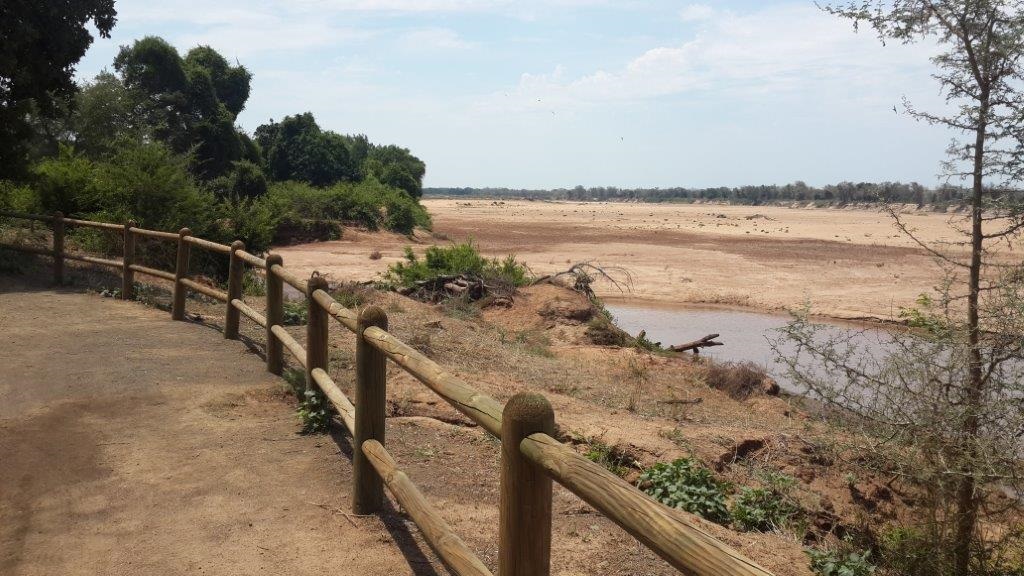
 

What has been interesting is that KwaZulu-Natal, and particularly Zululand, has become a focus of Operation Rhino 6. KwaZulu-Natal has become a national priority node, with significant SAPS and HAWKS capacity being deployed into Zululand. This has resulted in significant arrests of key individuals, many before they undertook poaching activities. This has resulted in these key individuals as well as firearms removed from the system, which has definitely played a role in reducing the Rhino losses in November. The battles are being won!


LATEST NEWS – RECENT COURT JUDGEMENT ON THE 2009 MORATORIUM ON RHINO TRADE


In late November, a Pretoria High Court Judge over-turned a 2009 moratorium on domestic Rhino horn trade. This has brought about significant discussion about the implications of this decision – how will it affect our Rhino? Will it reduce poaching? Will people start ‘’farming’’ Rhino?

Please see the article below by Anton Crone, published in the Daily Maverick:


A judgement lifting the 2009 moratorium on domestic rhino horn trade was made in the Pretoria High Court last week. The judgement is considered a victory in pro-trade circles, but it may well lead to their defeat. Applicants for the removal of the moratorium were rhino owners John Hume and Johan Kruger. The argument they won was that the Minister of Environmental Affairs, Edna Molewa “failed to comply with her obligation to properly notify the public about the proposed ban or to give members of the public a chance to make meaningful submissions.”


Hume also moved that, because he is the largest rhino breeder in South Africa, the Minister was obliged to give him personal notice of the moratorium, and that failure to do so renders the moratorium reviewable, and subject to be set aside. The Minister indeed did not follow proper procedure, and the judge rightfully set aside the moratorium based on this technicality. But Judge Francis Legodi did not disagree with the Minister’s reasons for imposing the moratorium. He maintains that the moratorium is rational, reasonable, lawful and constitutional. In his judgement he states that, had it not been for the finding with regard to non-compliance with consultative process and participation of the members of the public, he would have found no unlawfulness in the introduction of the moratorium.


Rhino may owners have embarrassed the Minister, but they have also brought attention to the sound principles of her moratorium. Soon after the judgement, the Minister announced her decision to appeal, effectively suspending the execution of the judgement. Because of their actions, it is likely that they and other pro-traders will receive less support from the government in their efforts to lift International trade ban. And ultimately it is becoming clearer just how dubious their motivations are.

It is safe to assume that rhino owners are motivated by the international black market value of rhino horn, which is said to be as much as US$65,000 per kilogram. But, whether rhino horn is traded domestically or not, there is no legal entry for South Africa into the international market. As John Sellar, former Chief of Enforcement for the Convention on International Trade and Endangered Species (CITES) explains, the Ministry of Environmental Affairs “cannot issue the necessary CITES documents for them to be transported for a primarily commercial purpose to, for example, China or Vietnam; which seem to be the countries most smugglers are heading towards for the moment.” Even with legalisation of domestic trade, there would certainly be strict regulations and control. As Adam Weiz of WildAid quipped, “Hume is not going to set up a roadside stall selling rhino horn anytime soon.”


The only truly profitable course for traders would be to sell to the gangs running illegal poaching and smuggling networks. As Izak du Toit, a lawyer for a rhino owner, said: “We would sell to the poachers to prevent them from killing rhinos.” But at what price? If rhino owners intend to make a sizeable profit from selling horn, poaching rhinos might well be a more economical option. Fuelled by a legal domestic market where laundering of horn is simpler, it could in fact escalate the poaching crisis.


Opponents to trade may feel they are being forced in a certain direction. By overturning the ban, rhino owners might want to influence how nations vote at the CITES convention in Johannesburg in September 2016, where it is widely believed South Africa will seek authorisation for international trade in rhino horn. But this is extremely unlikely as the majority of voting nations are against lifting the ban on international trade. John Sellar, former Chief of Enforcement for CITES, says, “The impression I get is that most nations are extremely nervous about allowing such trade and vast numbers within non-governmental organizations will undoubtedly actively lobby against it.”


Sellar goes on to say that they risk alienating potential supporters, in and outside South Africa. “You will, for sure, encourage opponents to be more vociferous and you might even inspire those currently sitting on the fence to turn against you, on the basis that they’ll feel they are being forced in a certain direction.”


This appears to be a no-win situation for pro-traders. But it does not mean rhinos will be any any better off. Intensive farming of rhinos for profit will ultimately lead to domestication. A potentially legal course for rhino farmers is to profit from hunting operations. This perpetuates the avenue for laundering illegal rhino horn, and increases the potential for canned hunting of rhinos. This barbaric practice has drawn worldwide condemnation with the film exposé Blood Lions which highlights the horrors of captive lion breeding and hunting. The parallels between captive rhino and lion breeding cannot be ignored.


Protagonist of the film, conservationist Ian Michler says, “What this means for rhino as a wild species as we all know is that intensive farming for profit will ultimately lead to domestication. Blood Lions exposes the horrors and fraudulent conservation myths behind the farming model – we cannot have this entire process repeat itself with another iconic African species.”


Welfare conditions of animals kept in such facilities are deeply concerning. Canned hunting is unethical, and has not been proven to reduce hunting pressure on wild lions. The marketing of breeding facilities and hunting operations confuses the conservation message and priorities, and results in a misdirection of funding that impacts negatively on wildlife. Captive rhino breeding and canned hunting would make matters far worse. Promoting South Africa as an authentic, wild and rewarding destination is vital to tourism. The industry would suffer greatly if the perception of the country is one of a domestic feedlot where captive animals are slaughtered by unethical hunters.

Rhino owners like Hume have speculated on an investment that will almost certainly never see a proper return. It was a very dangerous plan from the get go, and its time to accept the losses and move on. If a rhino owner’s true motivation is to preserve the species, then the best course would be to sell or donate their rhinos to governments and organisations best equipped to protect the species in the wild. It would motivate the South African government and conservationists to focus their efforts, and send a clear message to criminals, and the world, that South Africans are not divided, that we are aligned in protecting our wildlife for prosperity.

INTERESTING INFORMATION


Click here to find out more information about the Blood Lions campaign: http://www.bloodlions.org/

The Outpost Lodge – by Janine Southwood

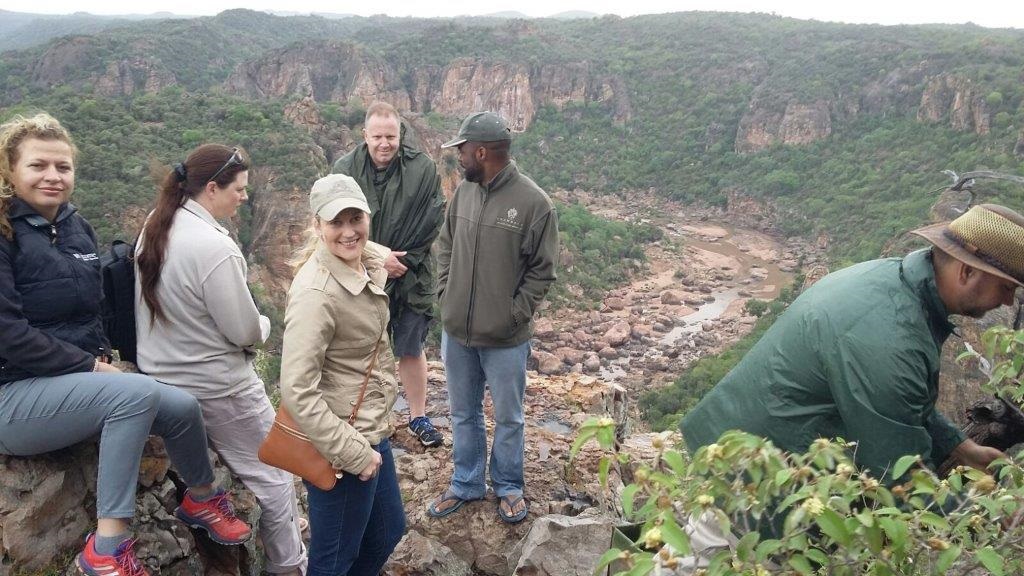
Thompsons Africa was invited to join a list of top luxury operators to experience two nights at The Outpost Lodge.   After a 2 hour charter plane flight from Lanseria Airport, we landed into the Punda Maria airstrip, just 15 minutes from Punda Maria Restcamp.  The Outpost Lodge is located in the western corner in the Northern Sector of Kruger National Park, not far from the Limpopo River.  The lodge itself is set up high overlooking the Luvuvhu River.  En route to The Outpost we stopped at Crooks Corner – this location got its name many, many years ago due to its perfect location for an unsavoury character to hide out and run from the law – this small ‘hideout’ is where 3 countries (Mozambique, Zimbabwe and South Africa ) meet making it easier to hop across borders without being stamped. It is very much a ‘no man’s land’ filled with baobabs, fever trees and a river full of hippos and crocs.


The Outpost 9The Outpost 3The Outpost 4

The Outpost is set amongst a very tranquil and scenic region. The only sound you hear is truly the sound of nature.  There are 12 very spacious rooms with amazing views overlooking the spectacular terrain. Rooms are decorated in very natural colours blending into the environment . Everything is 100% at your own pace, true to ‘African time’.   Food was up to 5 star lodge standard and just outstanding.   Our first night welcomed an amazing African thunder storm and lots of rain, which is definitely a requirement on Krugers’ wishlist.

The Outpost 2The Outpost 7The Outpost 1

The staff were top noch! They were exceptionally friendly and always went out of their way to ensure our stay was FIRST CLASS. Overall, a great experience!

Cape Town: Scenic and Theatrical

Themba Ndayi, Customer Success Manager for Africa and the Middle East, has been in Cape Town together with his wife Pearl.  He’s shared some pics with me and I thought it was a great opportunity to show you a snippet of a great day and night experience for your next Cape Town trip!

Themba and Pearl experienced a Thompsons Africa day tour before enjoying an evening at Richards Supper Stage & Bistro.

Peninsula Tour

Cruise along Millionaire’s Paradise from Clifton to Camps Bay and on to Llandudno before an up-close-and-personal Seal Island cruise. Wind along Chapman’s Peak Drive with lunch (own account) at Cape of Good Hope Section of the Table Mountain National Park before meandering back along the coast, visiting Simon’s Town and the penguin colony at Boulder’s Beach. End at Kirstenbosch Botanical Gardens in Summer or in Winter, Groot Constantia for a wine tasting and cellar tour.

  • Seal Island Cruise (optional and for own account)
  • Chapman’s Peak Drive
  • Cape Point
  • Simon’s Town
  • Penguin Colony at Boulder’s Beach (own account)
  • Kirstenbosch Botanical Gardens (Summer months)
  • Groot Constantia wine tasting and cellar tour (Winter months)


Richards Supper Stage & Bistro

The one and only ‘Cape show’, ‘Kaapse Stories from the Mother City’, is played at this vibrant Cape themed dinner theatre venue in Seapoint, transporting the audience into the colourful and exciting world of the Cape, paired with a great spectrum of the wonderful culinary delights that Cape Town has to offer.

Local theatre legend, ‘Basil Apollis’ directs the show and Richard Loring, the acclaimed producer of South Africa’s most famous musical, ‘African Footprint’, produces the show.

With the view of ‘Robben Island’ and the Cape Town stadium, you are seated at sociable dinner tables to enjoy the interactively played dinner show.  You are also invited to visit the Richard Loring memorabilia bar before and after the show to witness 50 years of Richard’s history in South African show business.

With the unique humour, intoxicating rhythms and soulful songs that celebrate the challenges and triumphs of the people of Cape Town, this quality entertainment experiences gives you an inspiring insight into the ‘Rainbow Nation’ of Cape Town told through the stories of the Kleintjies family.

The show is loved by locals and visitors alike and a translated synopsis of the show into 11 different languages is provided so nothing ‘gets lost in translation’.

Enjoy a 4-course meal comprising of a starter, salad course, main meal (buffet) and dessert and a glass of sparkling wine on arrival.