Talk About Lucky! Unique Sightings at Jock Safari Lodge

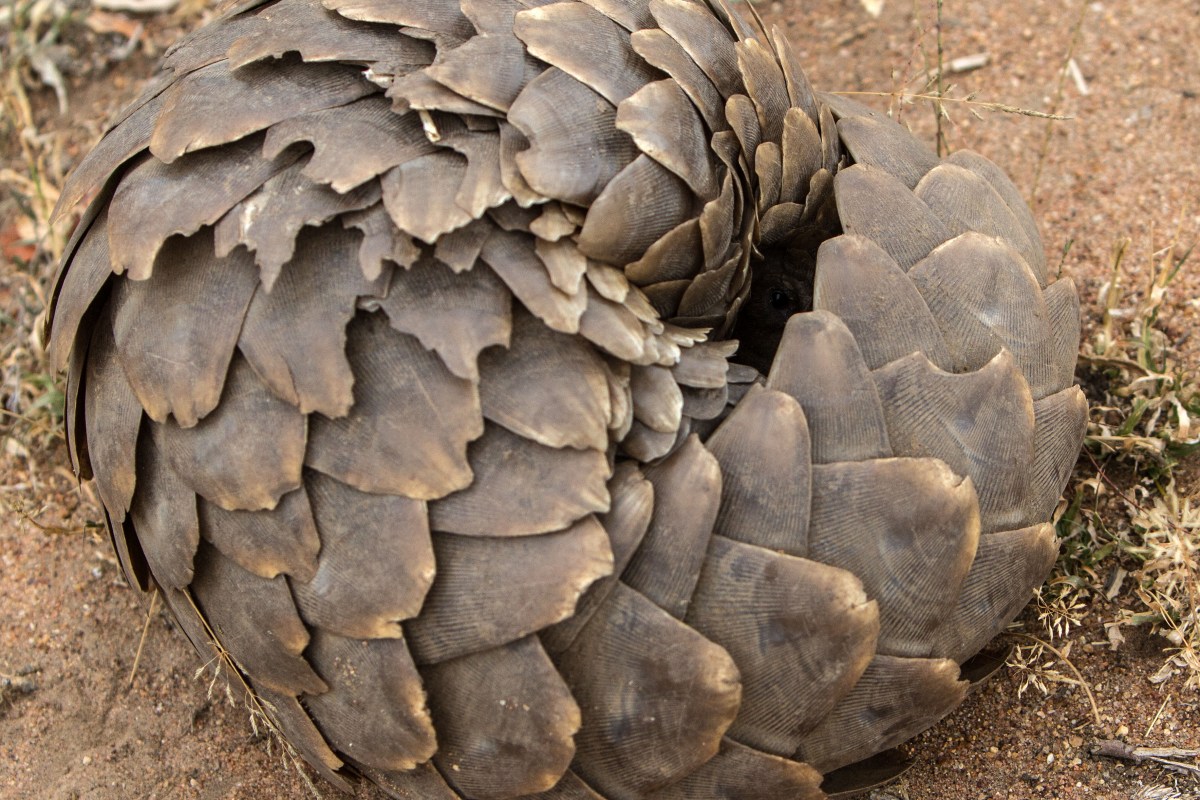
It’s been said that to see a pangolin is as lucky as seeing a unicorn!  At Jock Safari Lodge guests have been privileged with the amount of ‘unicorn’ sightings they’ve had lately.

Pangolin-675014092.jpg

It’s Jock’s unique location within the Kruger National Park that allow the pangolin sightings to be more frequent by comparison to other areas.  Jock sits in the original heart of the Kruger National Park.  The wildlife within this region have survived undisturbed with no impact from mankind.  Its an area of unbroken landscape where the wildlife have always been encouraged to thrive which gives credit as to why they are so fortunate to encounter so many other endangered species within their concession.  Sightings of wild dog, cheetah and ground hornbill are not uncommon.
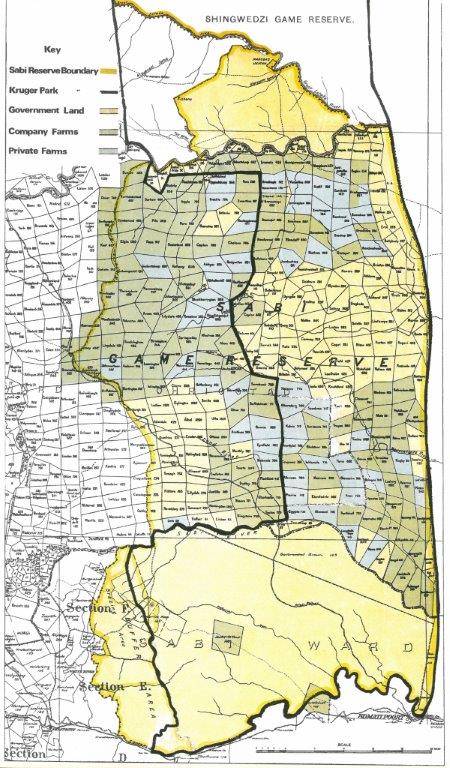
SABI GAME RESERVE from REPORT OF GAME  RESERVES COMMISSION 1918.jpg

The pangolin has been listed as critically endangered, typically hunted and poached for their meat and their scales which are believed to have medicinal qualities.  They are the only mammals wholly-covered in scales which they use to protect themselves from predators in the wild.  If under threat, a pangolin will immediately curl into a tight ball and will use their sharp-scaled tails to defend themselves.  The pangolin has no teeth and use their sticky tongues (which can sometimes reach lengths greater than the animal’s body) to pick up food.
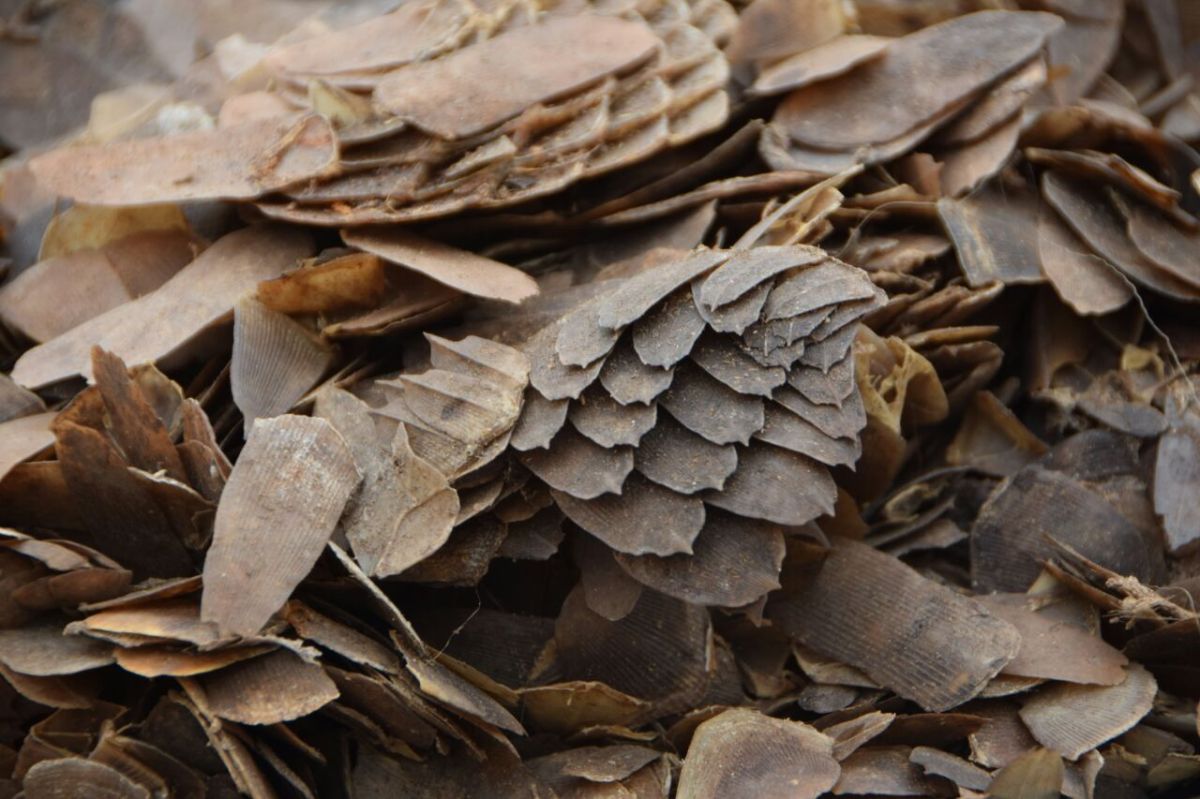
Pangolin_scale_burn_in_Cameroon._Credit-_Kenneth_Cameron_-_USFWS_(2)_(32575640450).jpg

This particular time of the year is ideal for game viewing.  A dry season within the Kruger, Jock’s position across the Biyamiti River (Shangaan for ‘Place of many Trees’) makes it ideal for inviting a variety of wildlife into the concession to rest and take in this precious resource.


Manis_temminckii_(29600162001)

WATCH

ABOUT JOCK SAFARI LODGE

Kruger National Park. Mpumalanga. South Africa.

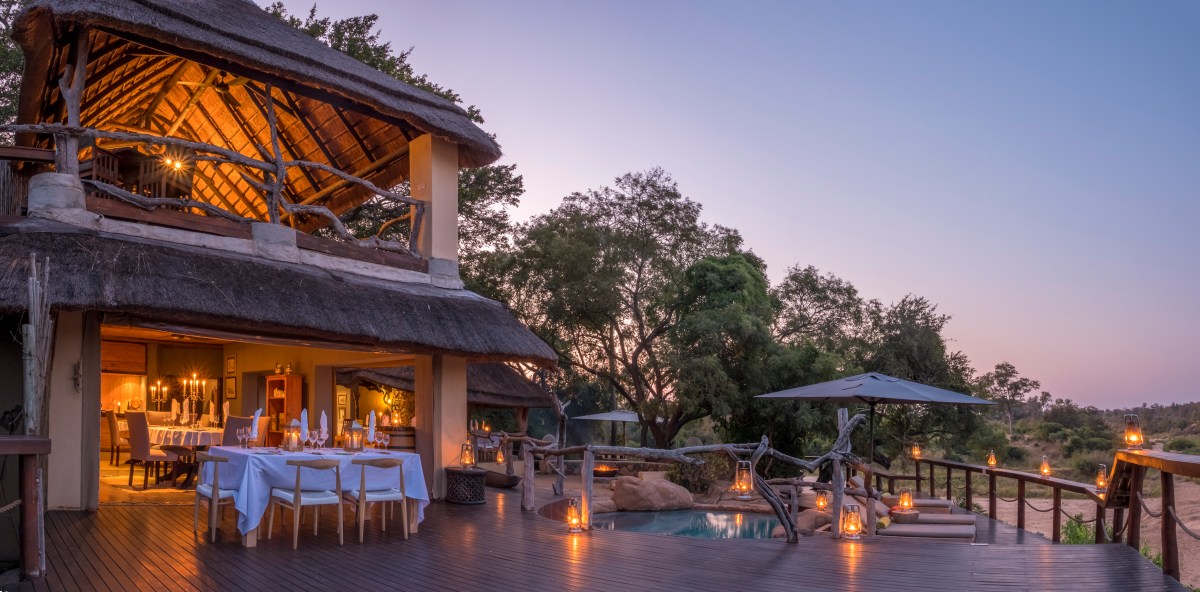
Perfectly positioned in the southern area of the Kruger National Park, Jock Safari Lodge rests at the confluence of the Mitomeni and Biyamiti rivers.
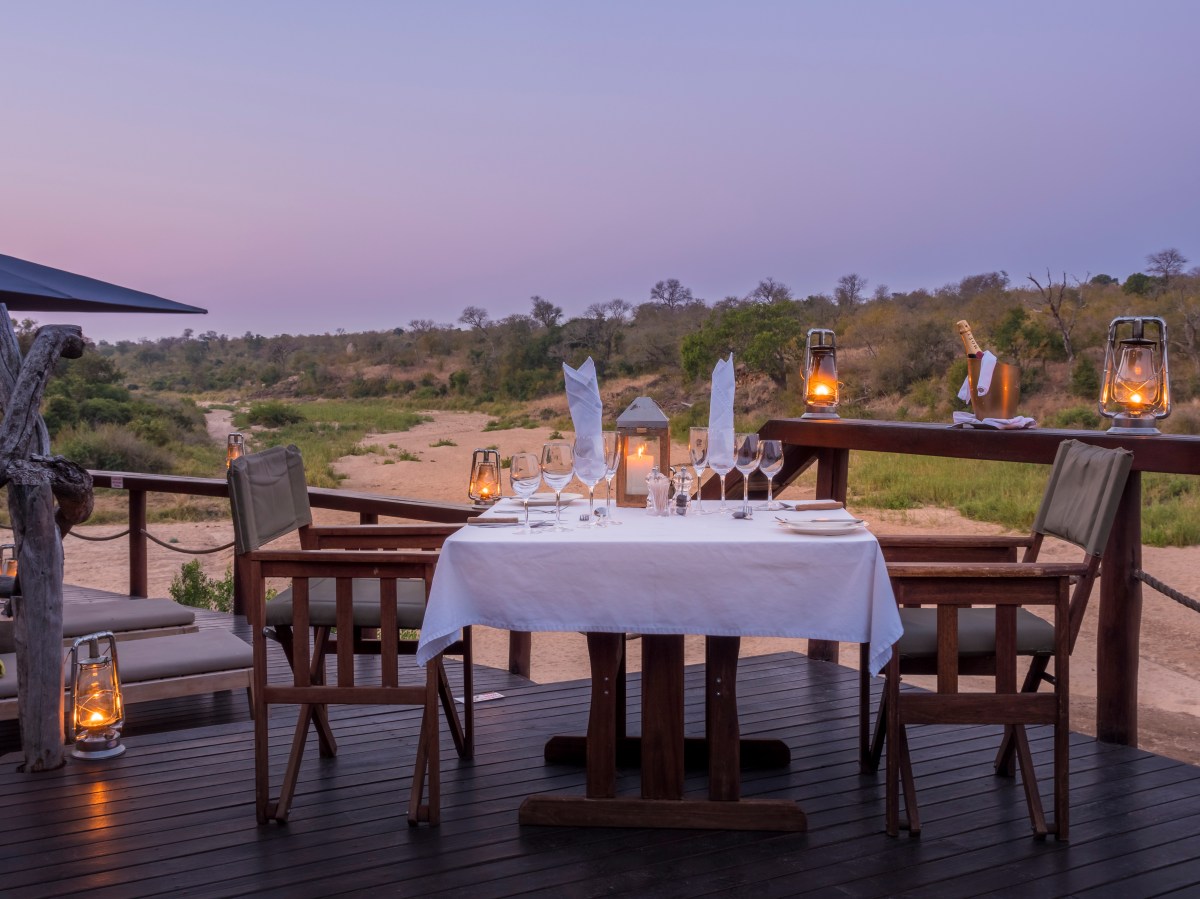
GH5_254716-HDR.jpgSteeped in settler history, Jock Safari Lodge offers two luxury lodges reflecting the elegance of a bygone era. Activities such as daily guided game drives and walking safaris led by professional rangers offer close encounters with Africa’s wildlife.

GH5_250819-HDR-Pano.jpgRead more about Jock Safari Lodge http://console.virtualpaper.com/thompsons-africa/south-africa-2019/#120/

SPECIAL OFFERS

Visit our Specials page https://zone.thompsonsafrica.com/specials and search ‘Jock Safari Lodge’ to view all current special offers at Jock Safari Lodge.
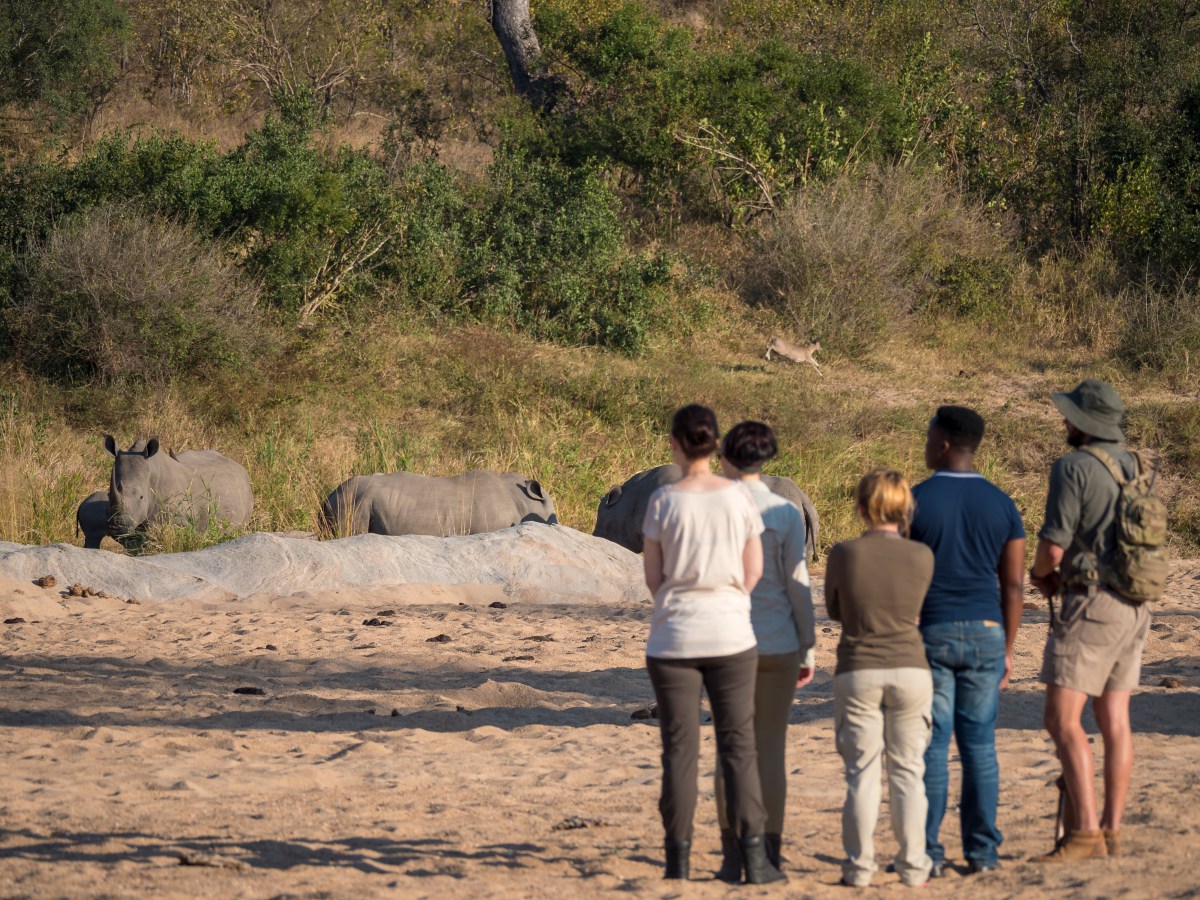

Kruger National Park. Mpumalanga. South Africa.


#Vilankulo Livre De Plastico

Bahia Mar Boutique Hotel – Preserving, Protecting, Recycling

dorado body.jpg

main.jpg

Bahia Mar Hotel, based in Vilanculos, Mozambique, is reducing the purchase of ‘single use’ and other plastics and with a committed recycling policy, the hotel is an active protagonist in the conservation of this unique area.

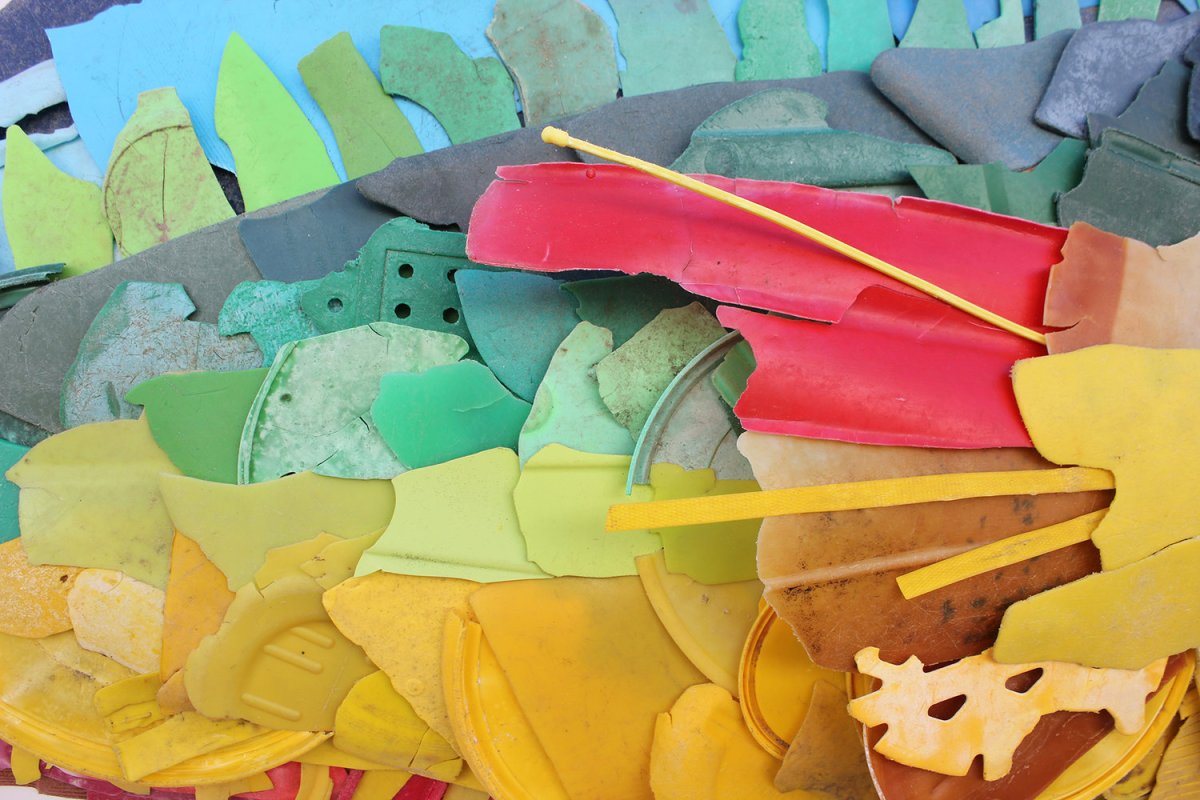
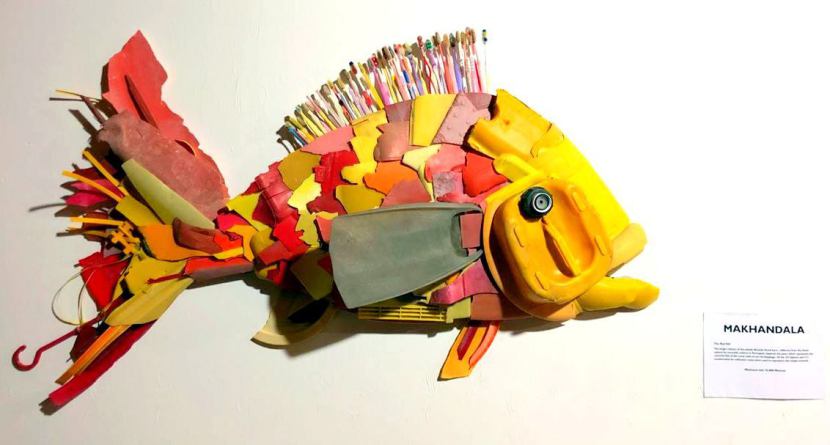
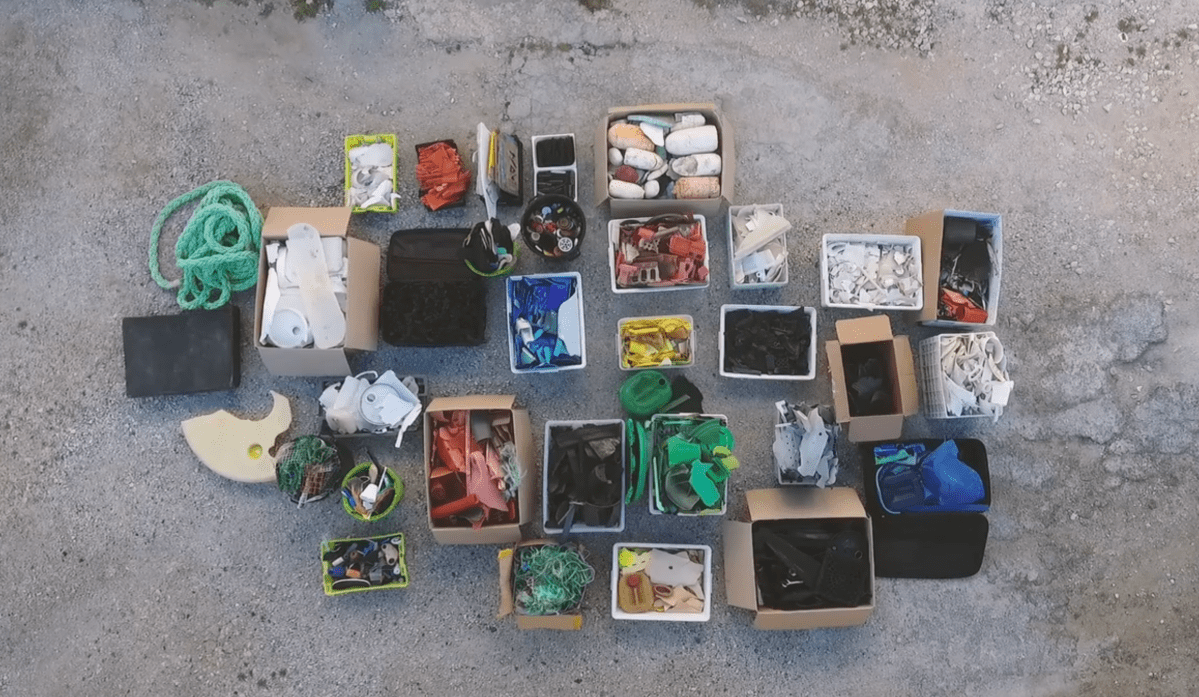
Believing community education can be pivotal to preservation, Bahia Mar brought plastics artist Xico Gaivota from Portugal to inspire and educate the villagers. This special man, who is creating masterpieces from plastic which he finds on the beach,  shared both his commitment to the environment and his skill with the local people, encouraging the collection and recycling of the debris which washes up on the beaches into saleable art work.

Xicogaivota.png

Once a full time fisherman, now an environmental activist, Xico Gaivota spent a month sharing his talent at Bahia Mar culminating with an exhibition of his unique pieces on 14 August 2018.

vlcsnap-2018-08-03-15h23m20s012-2.jpg

Read more about his time at Bahia Mar and the action of his pieces https://www.bahiamarclub.com/single-post/2018/09/10/Xico-Gaivota-in-Vilankulo

IMG_1342.jpg

Bahia Mar is a first time feature in our Thompsons Africa brochure http://console.virtualpaper.com/thompsons-africa/southern-africa-2019/#94/ and if conservation and art are your passions, I can’t think of a more beautiful to indulge in both while enjoying an unspoiled, luxurious destination!

957476.jpg

IMG_7301.jpg

For more information or to make a booking, contact a Thompsons Africa consultant today info@thompsonsafrica.co.za


BIG ‘Little G’

Happy World Rhino Day!

World Rhino Day is celebrated on September 22 every year. This special day provides the opportunity for everyone to celebrate rhinos in their own unique ways.

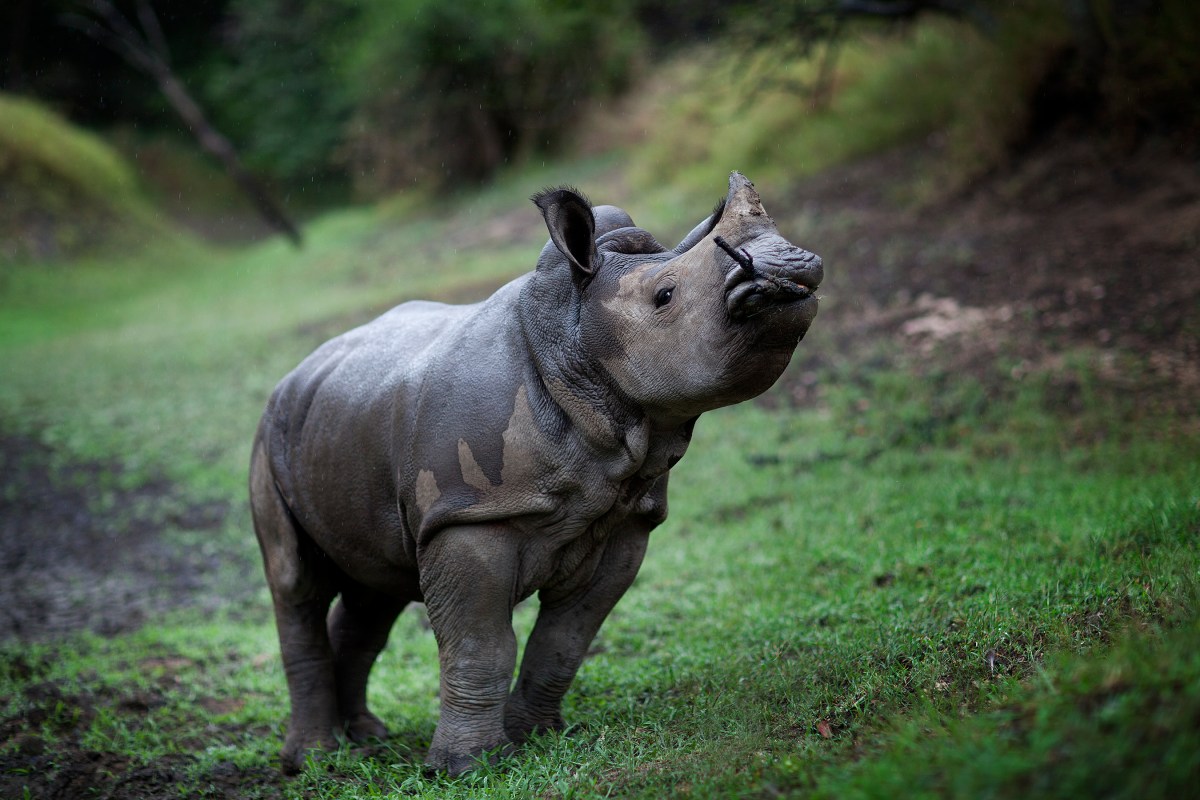
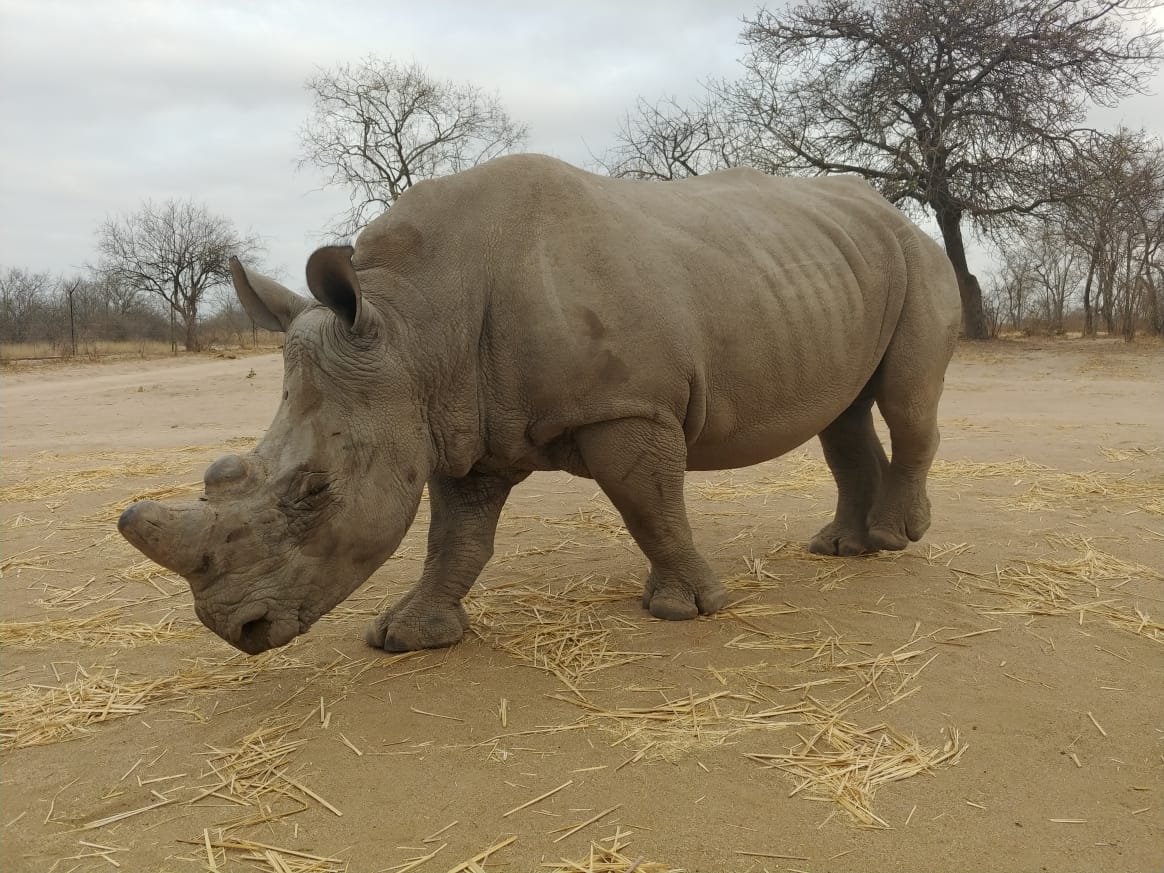
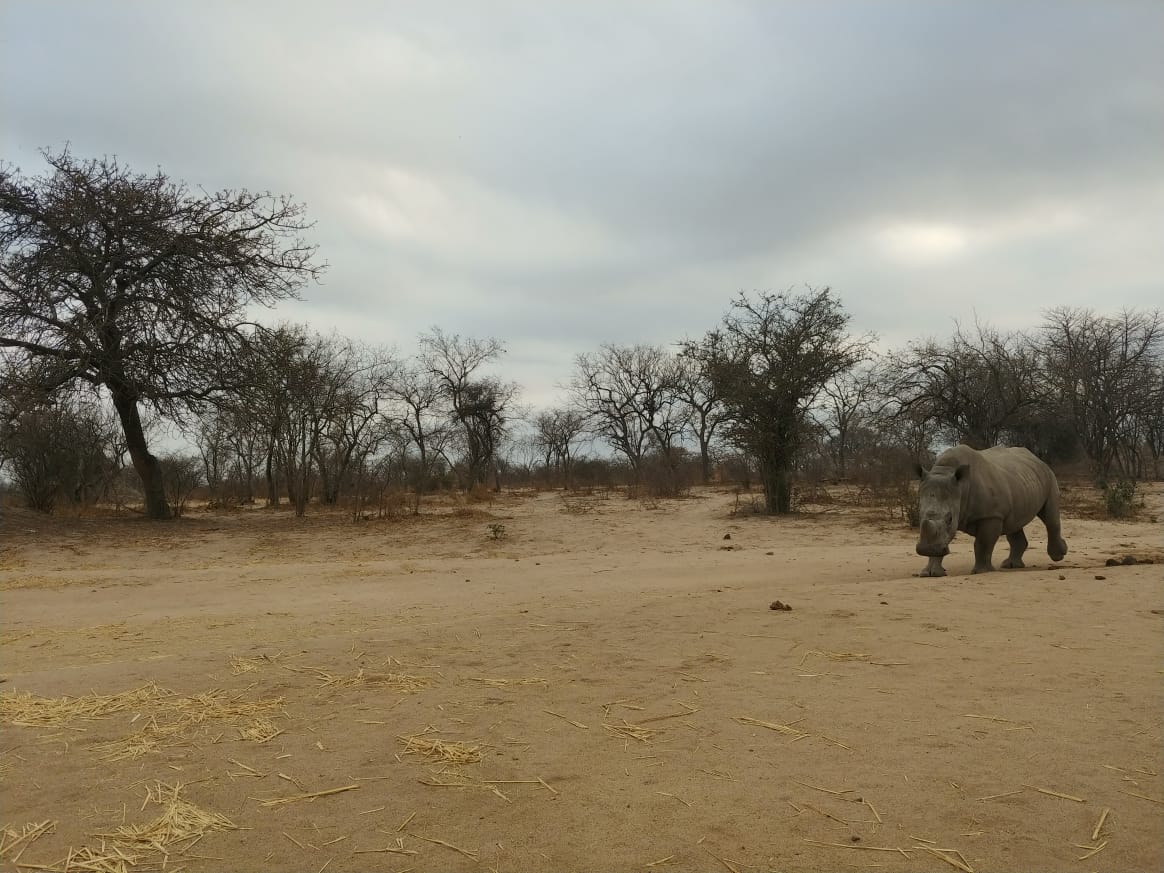
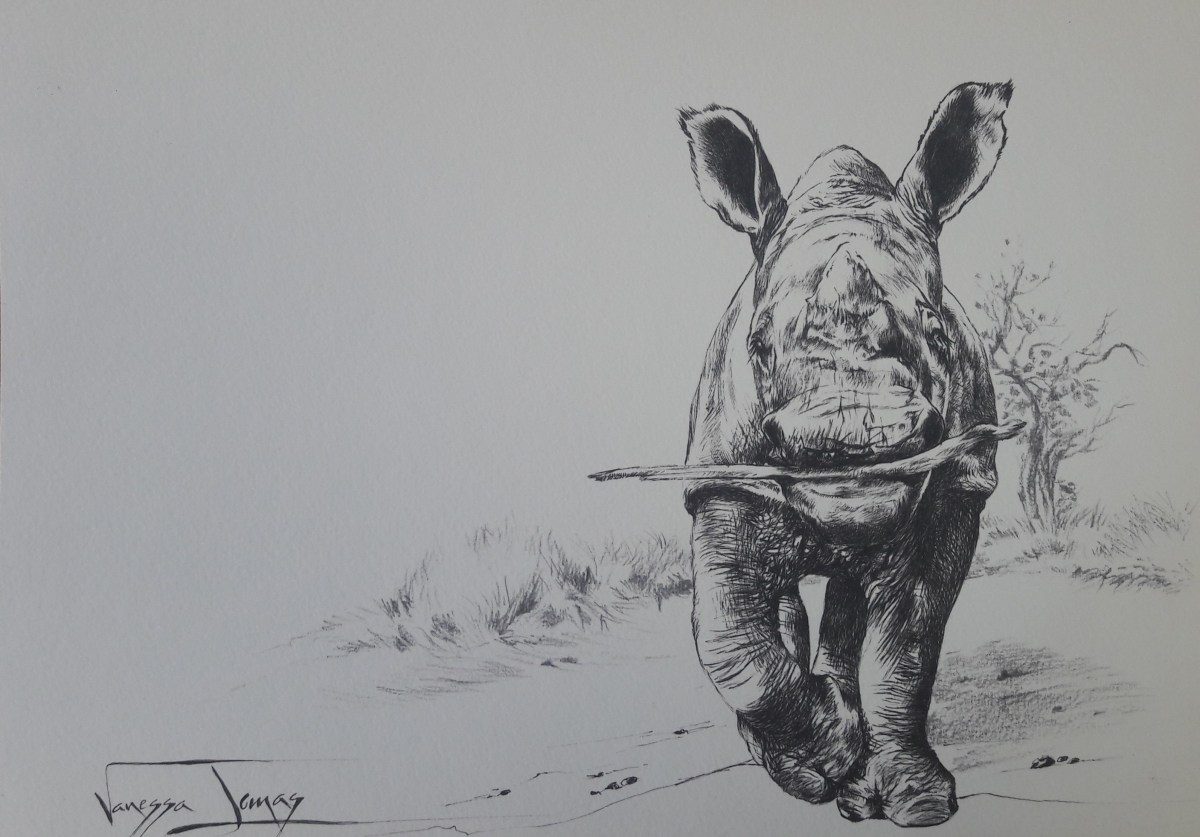
Thompsons Africa is a proud supporter of Gertjie, an orphaned rhino cared for by our partners Hoedspruit Endangered Species Centre​. Gertjie is a male white rhinoceros (ceratotherium simum) born on the 19th of February 2014. On arrival at Hoedspruit Endangered Species Centre, he weighed JUST 100KGS and today he can’t be weighed anymore as he may well break the scale! He is believed to be well over a ton!!

IMG-20180920-WA0016.jpg

Today, Gertjie is a very happy rhino sharing an enclosure with his ‘brother’ Matimba as well as two other rhino survivors, Lions Den and Dingle Dell. He loves his daily feeding of lucern and will even try and eat it off the feeding vehicle while the curators are busy off loading the food. He is doing very well and it is amazing to see how much he has grown from the ‘Little G’ who arrived at the centre in 2014.

IMG-20180920-WA0014.jpg

The funds donated by Thompsons Africa towards the fostering of Gertjie go towards his food and general upkeep, maintaining his living arrangements, medical expenses and the cost of his security.

gertjie-sketch.jpg

Ask us how you too can play a part in supporting the Rescued Rhino’s @ HESC. From as little as R 1 950 per annum, you can make a VERY real difference!

Watch Gertjie in action on our Thompsons Africa home page ‘Featured Video’ http://www.thompsonsafrica.com

Contact us today for more details or to support a rhino @ info@thompsonsafrica.co.za

The ‘Secret Season’ with African Bush Camps

No two safari experiences are ever the same.  And why would you want them to be?  There is a thrill in the unexpected, the wild, raw nature of it all.  So too is there no ‘right’ or ‘wrong’ time to indulge in a safari.
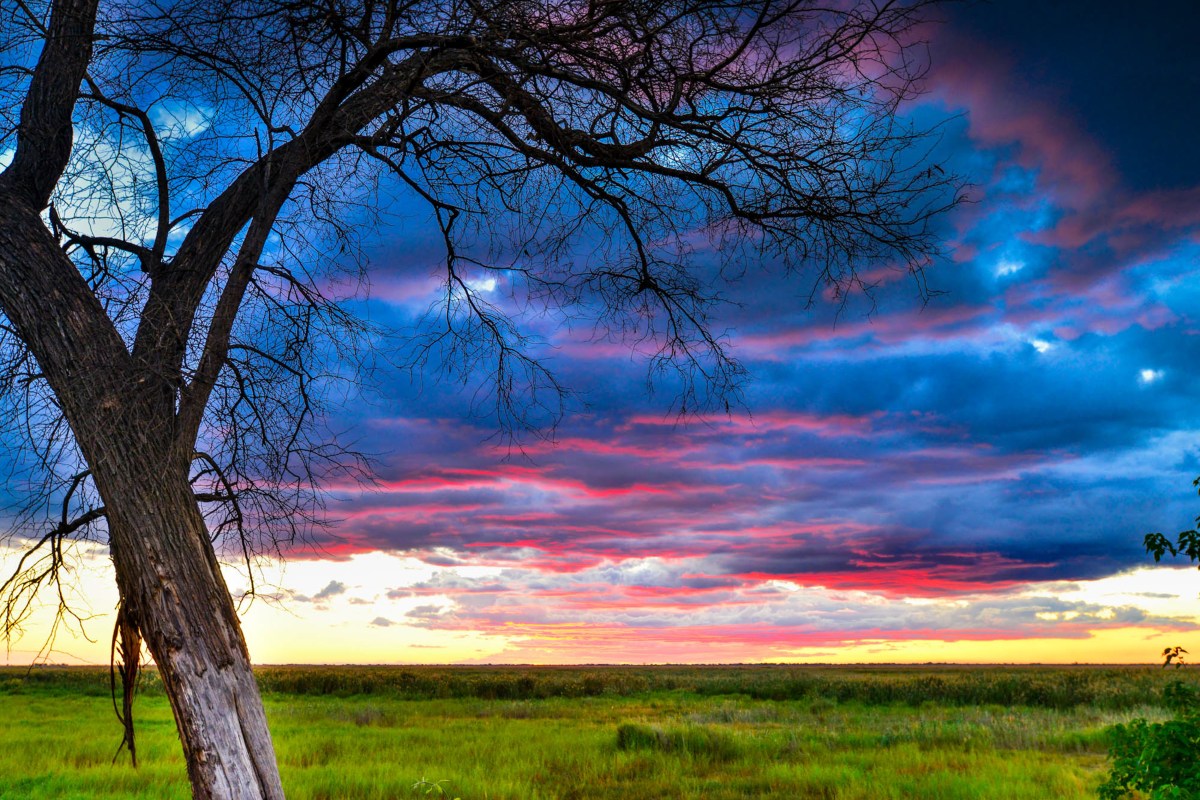
Traditionally, the green season (between the months of December and March), or the rainy season, is considered to be a quieter time in the safari industry.  The perception is that there are less wildlife sightings due to animals being more dispersed rather than concentrated around scarce water sources.  At African Bush Camps, they are acutely aware that it does not mean the animals are not there!  Hence their ‘rebranding’ of the ‘Green Season’ to the ‘Secret Season’.

African Bush Camps Bumi Hills Safari Lodge.JPG

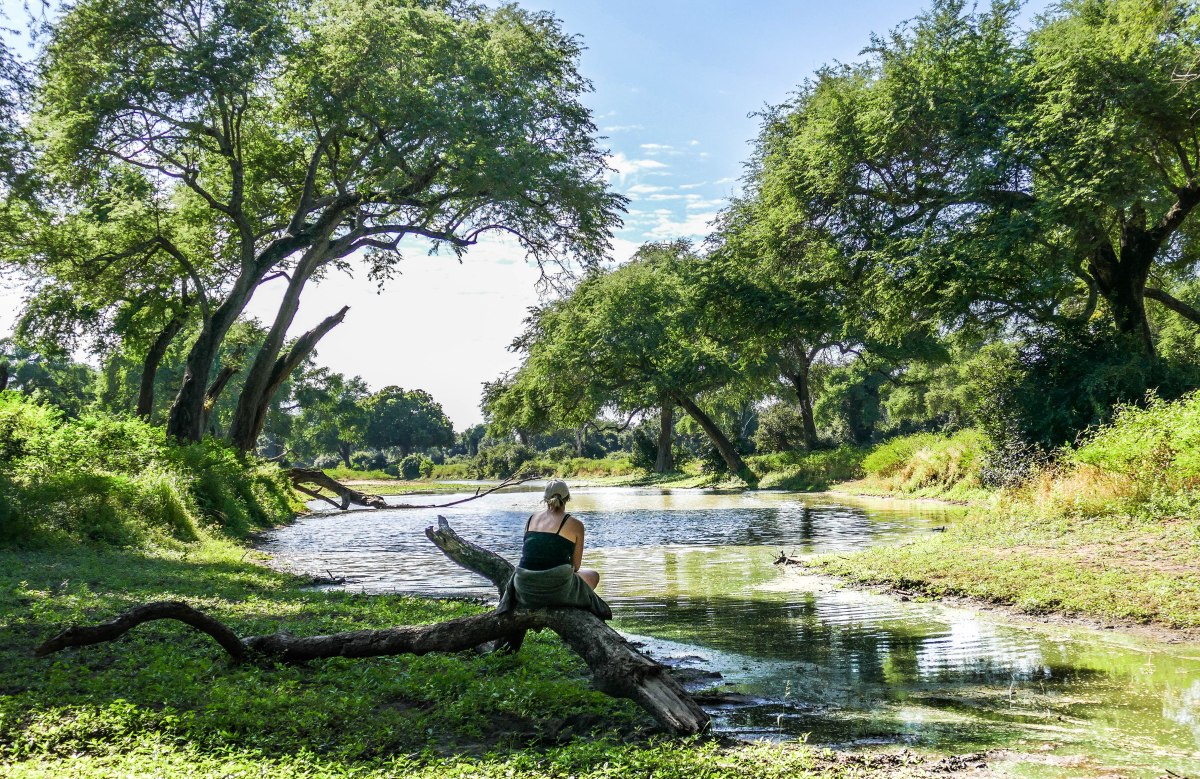
Imagine lush, green bush contrasted against a bright blue sky?  Yes, rain can be expected but its generally in the form of afternoon thunderstorms which clear to blue skies!  The thunderstorms are an attraction in themselves as they move over dramatic landscapes.

African Bush Camps_Zambezi_Expeditions_Mana_Pools_National_Park_Zimbabwe_walking_safari_green_season.JPG

And then there’s the colours….  an abundance of bird species are in their very best breeding plumage, putting on an incredible display of colour.

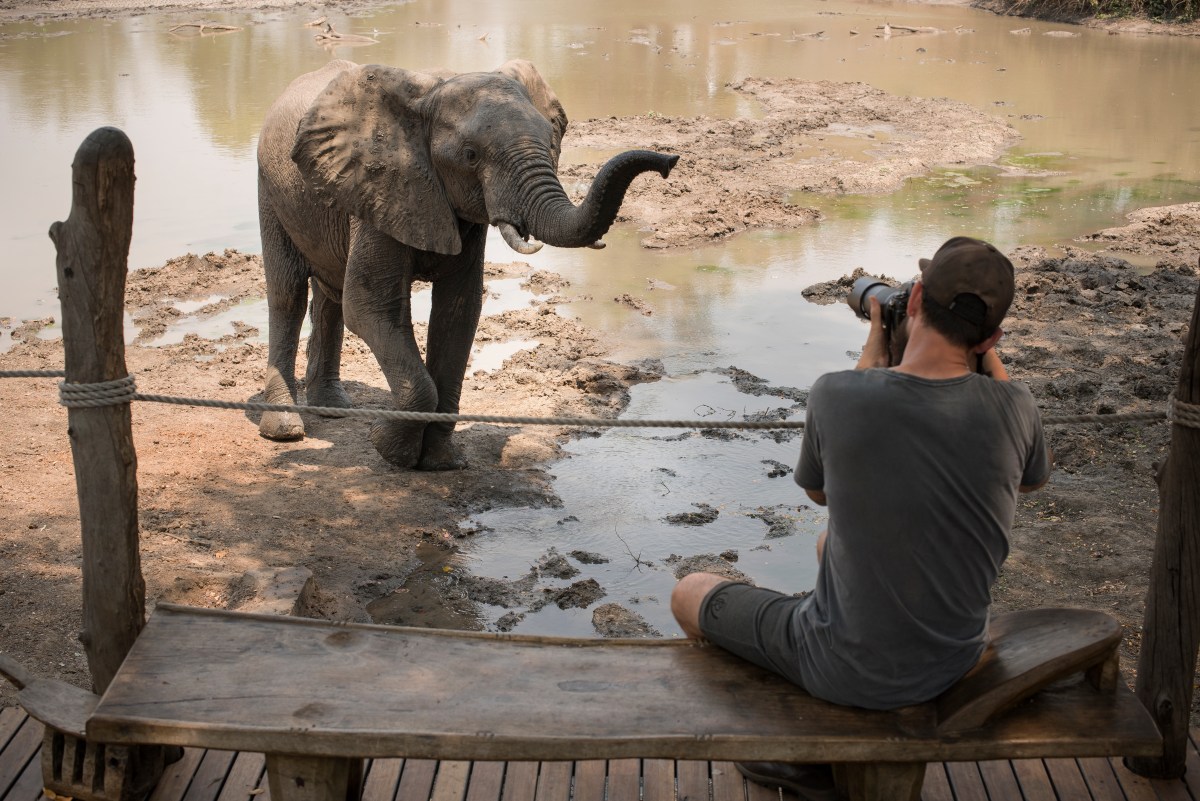
Photographers?  Rains bring vegetation alive with vivid colours and settles the dust and clears the air which is great for photography.

Kanga Camp Mana Pools Zimbabwe African Bush Camps Safari Tented Camp Photo Safaris with elephant (8).jpg

Brochure featured African Bush Camp properties are:

Linyanti Bush Camp and Ebony http://console.virtualpaper.com/thompsons-africa/southern-africa-2019/#38/

Linyanti 2.jpg

Bumi Hills Safari Lodge & Spa http://console.virtualpaper.com/thompsons-africa/southern-africa-2019/#64/

Bush Dinner 2.JPG

Kanga Camp & Zambezi Expeditions http://console.virtualpaper.com/thompsons-africa/southern-africa-2019/#68/.

Kanga Camp 3.jpg

A safari experience for absolutely everyone!

To learn more or to make a booking, contact a Thompsons Africa consultant @ info@thompsonsafrica.co.za


Dining at Oceana Beach & Wildlife Reserve with Ashleigh Hemingway and Team

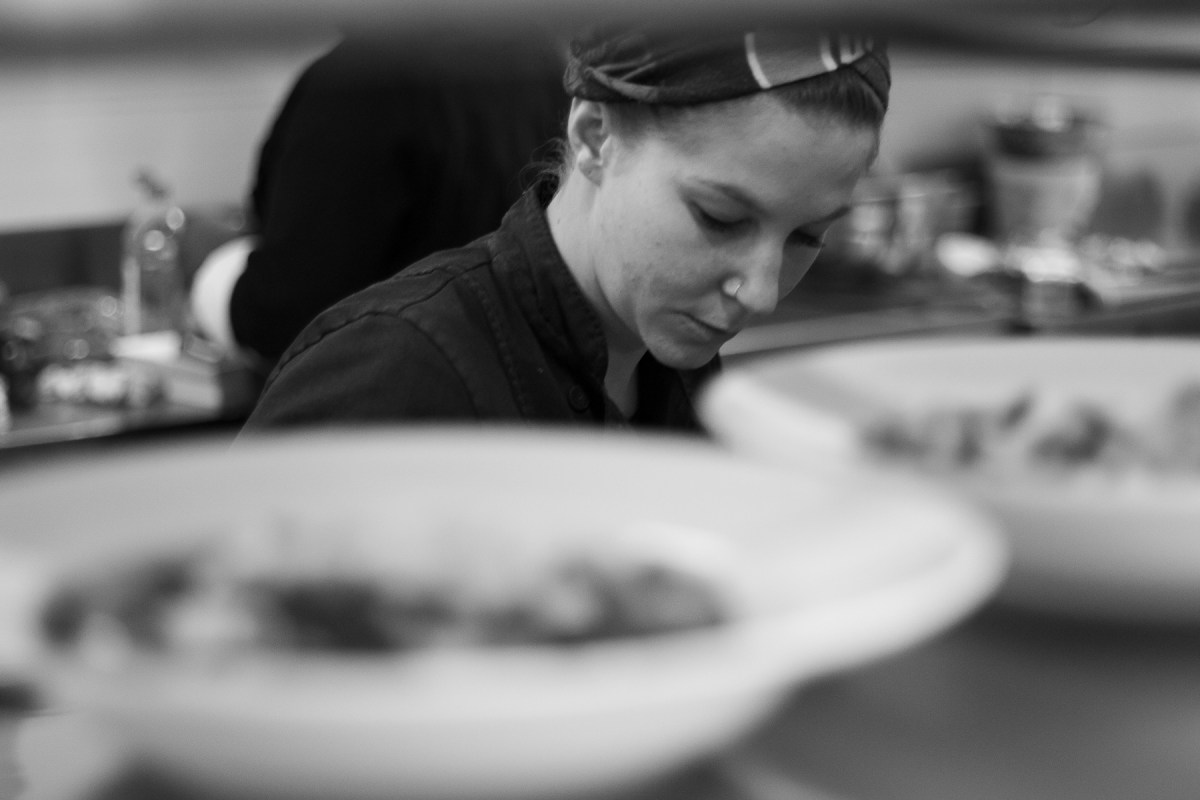
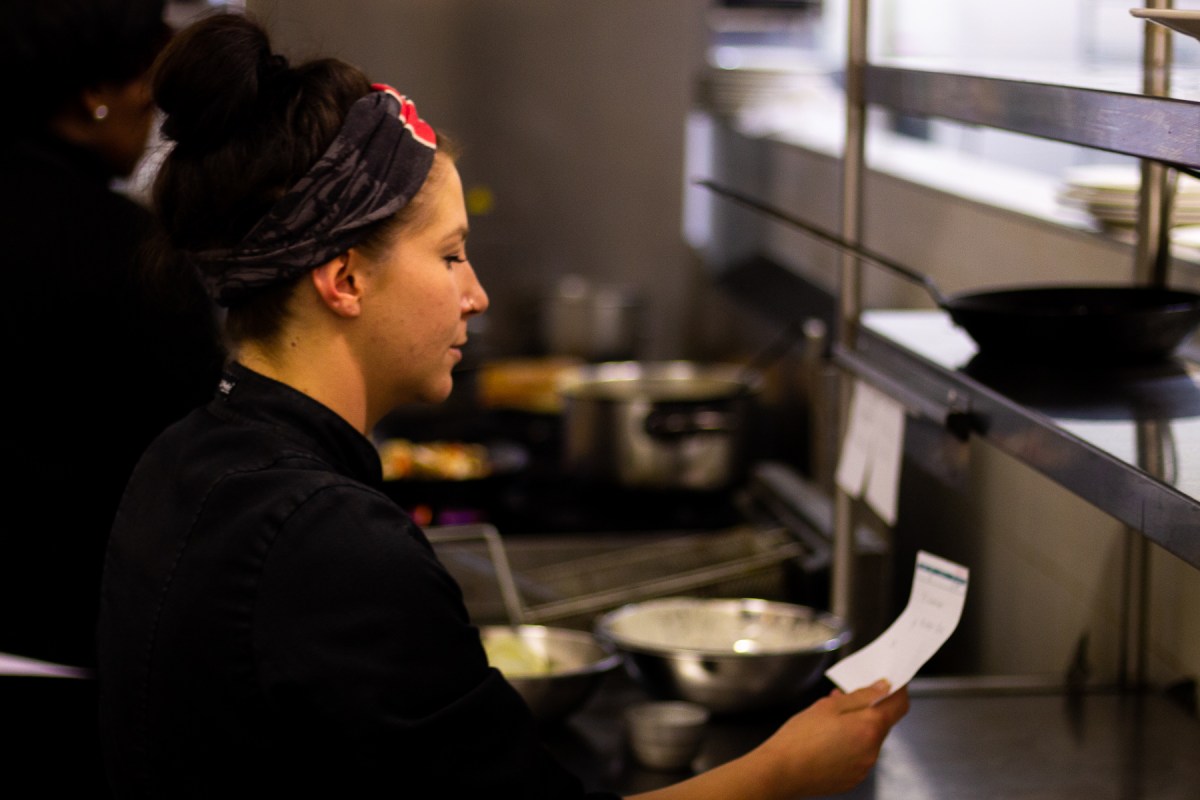
Head Chef Ashleigh Hemingway at Oceana Beach & Wildlife Reserve grew up in Johannesburg and after studying at the International Hotel School spent some time in various game reserves gaining experience. She joined the team at Oceana two and half years ago as the second in charge before being handed over the reins in February of this year.


_MG_6599.jpg

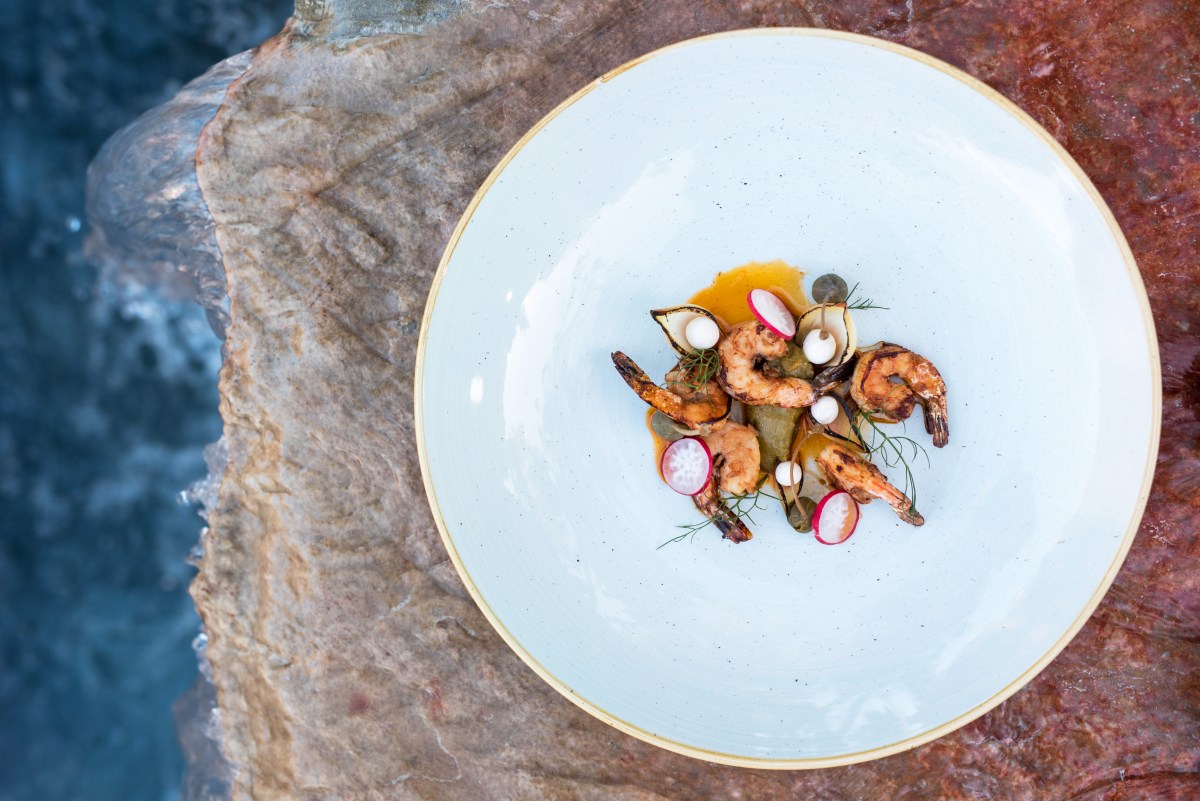
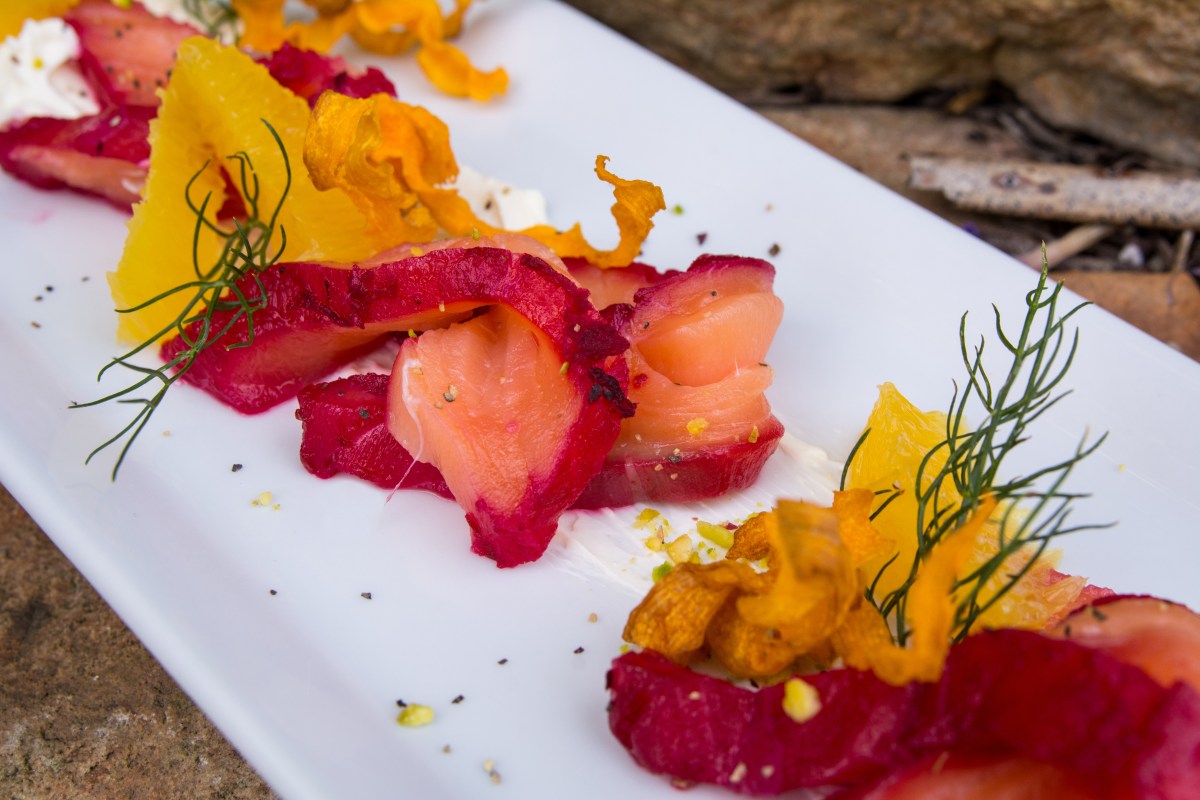
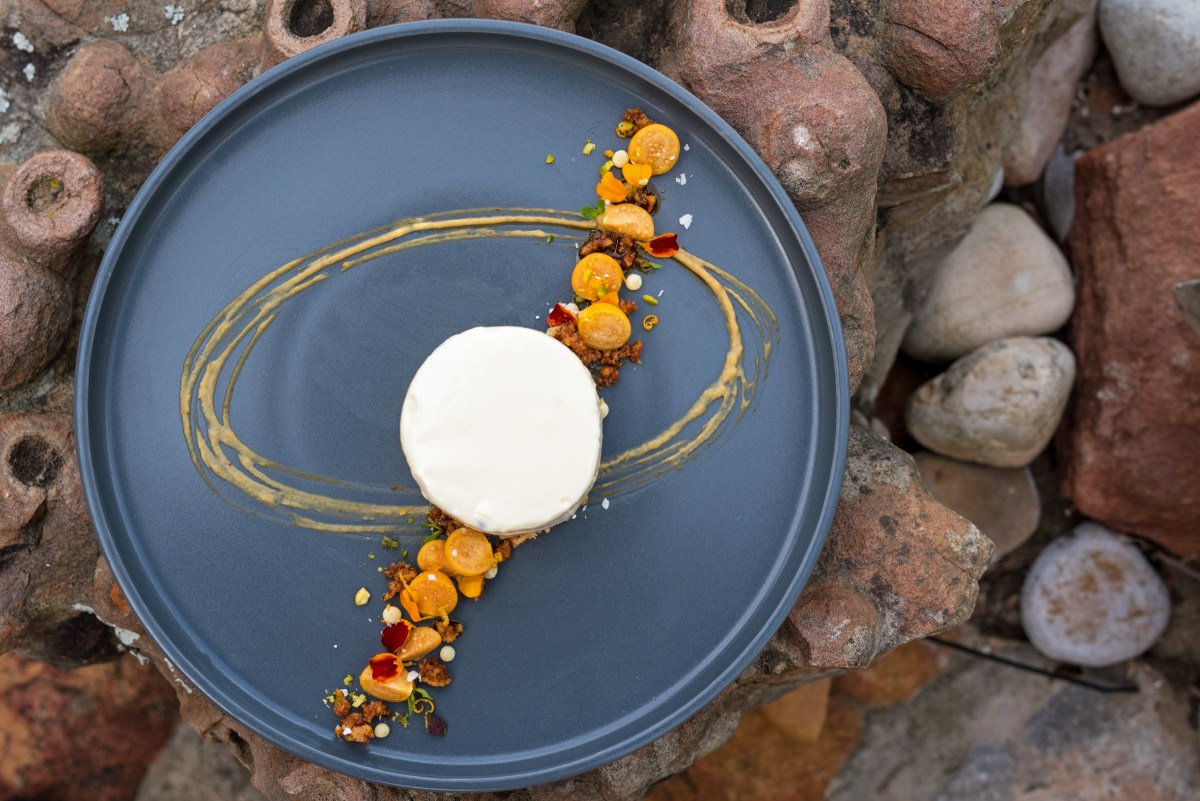
In Ashleigh’s words “I strive to, with the help of my amazing team, put Oceana on the map as far as food goes. We’ve spent a lot of energy bringing our food back down to the basics and then building it up by diversifying with influences from across the world and adding a few unique African twists. What we aim to do is to find a balance between the art of making food beautiful and yet still showing respect to each ingredient in their natural form. As a chef putting yourself out there on a plate is the most terrifying yet rewarding experience.”

23 (2)1011

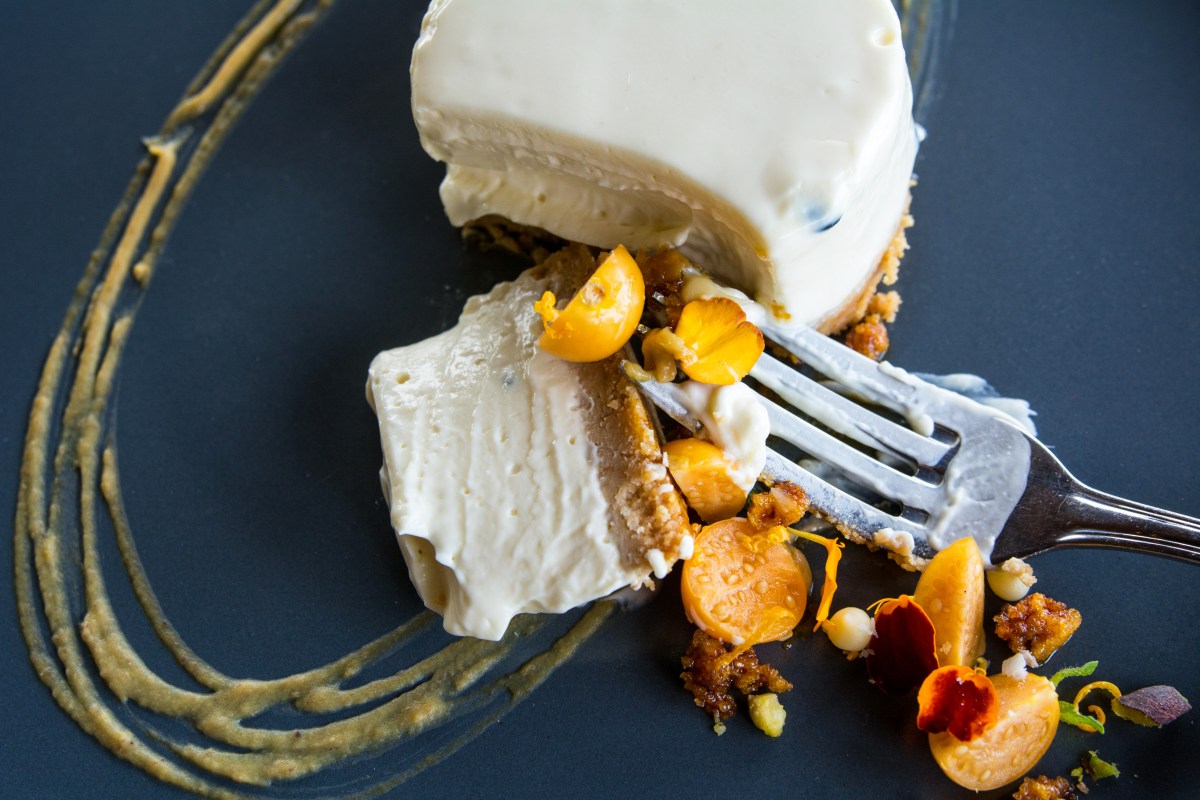
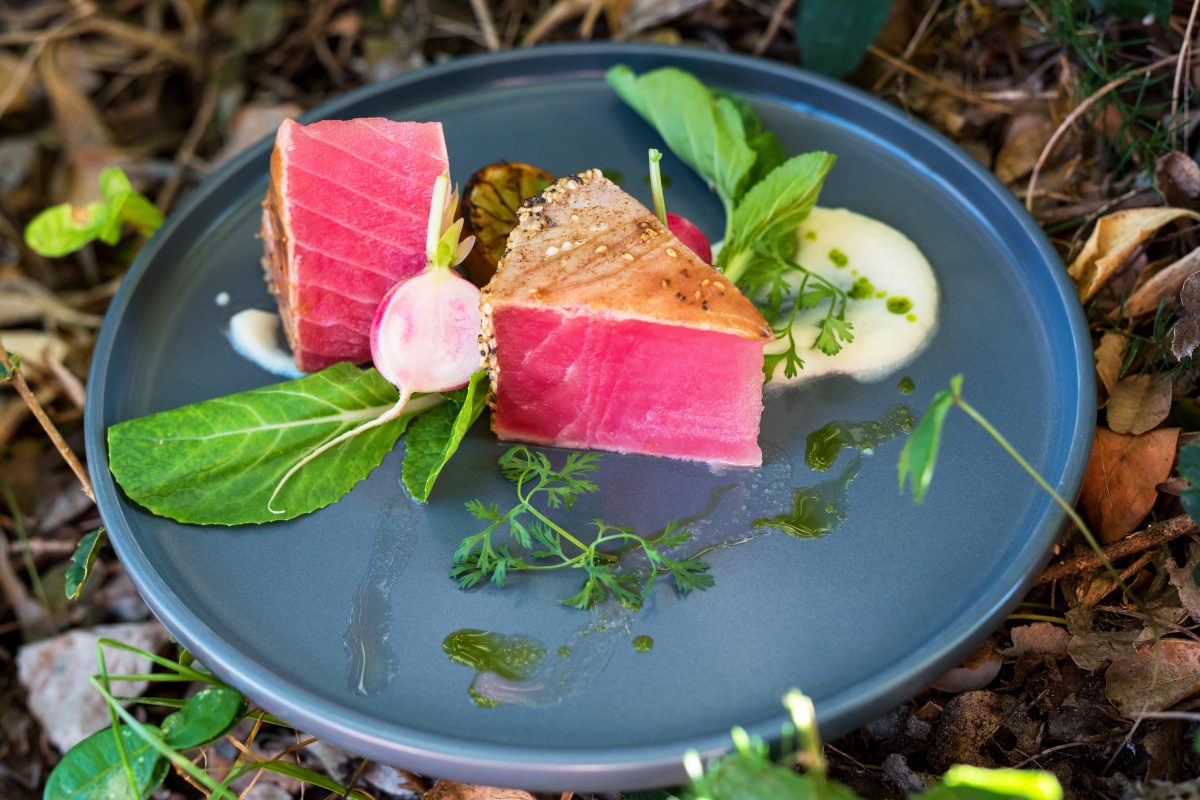
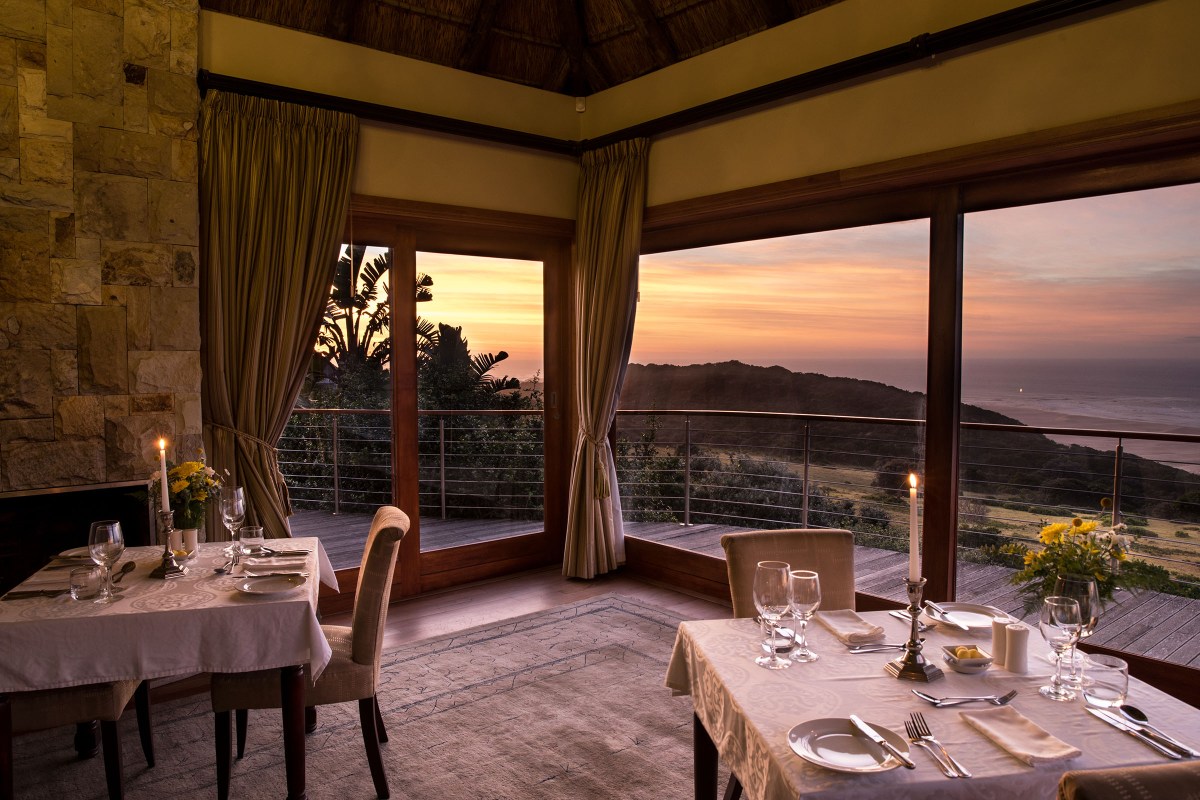
Oceana’s showcase from a food perspective is definitely their five course fine dining dinner served every evening.  Tailor made menus are created each day ensuring that each evening, guests are assured of a unique dining experience while overlooking the reserve and onto the Indian Ocean.  Spectacular!

13142026

Set in a spectacular and unique environment, Oceana offers a truly special luxury boutique experience.  The property is perfectly positioned within a sprawling wildlife sanctuary, fronted by a pristine 7km stretch of private beach.  With absolutely everything taken care of by their discreet staff, this private and intimate destination is where you go for a ‘holiday whilst on holiday’.

On-site attractions include safari drives, spa treatments, fine dining, games room, swimming and beach activities. From golf to fishing, bird watching and more, there are also many other activities to be enjoyed in and around the charming town of Port Alfred.

Oceana is located on the warm Indian Ocean, close to Port Elizabeth as well as Big Five reserves.  Exclusive, yet unpretentious, this property ticks all the boxes for an unforgettable holiday.

Read more and view rates http://console.virtualpaper.com/thompsons-africa/south-africa-2019/#78/ or contact a Thompsons Africa consultant to book now info@thompsonsafrica.co.za.


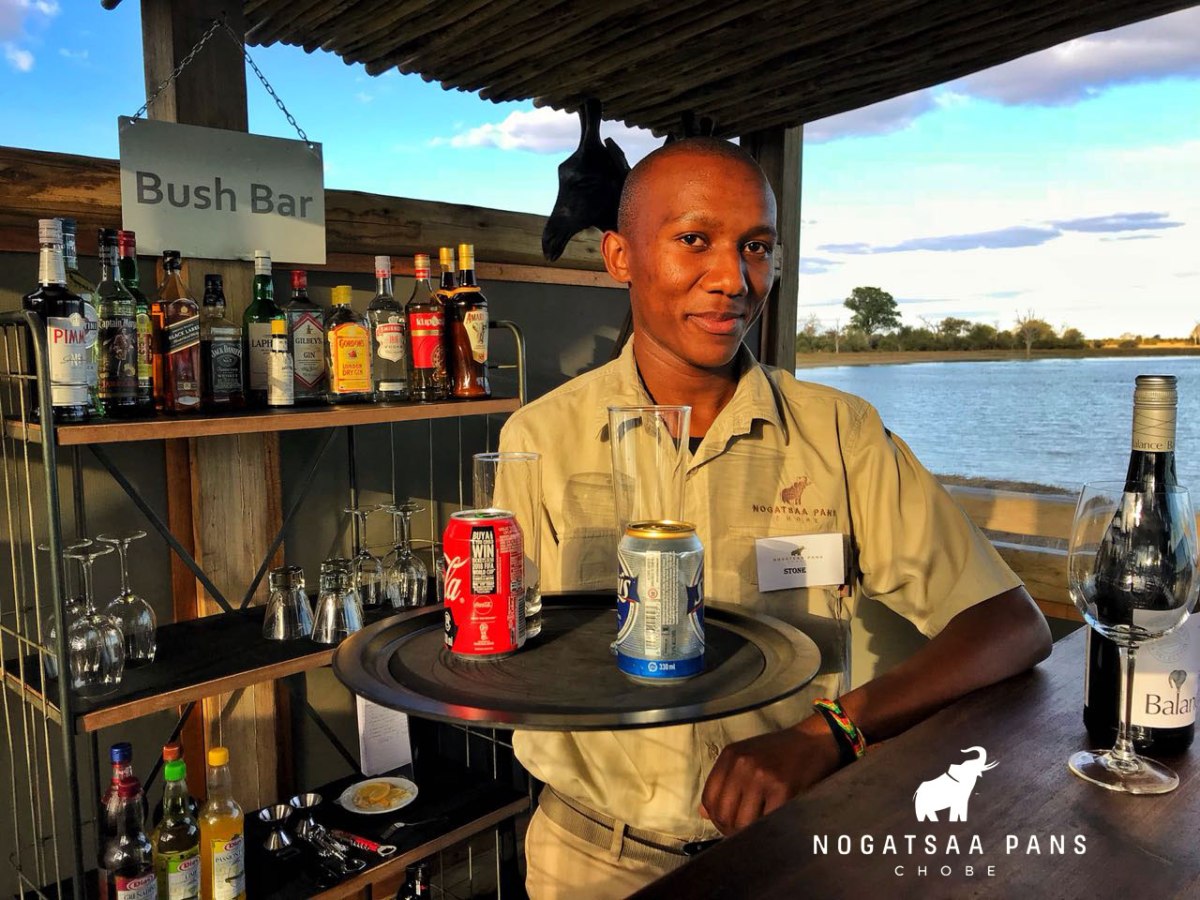
In the Spotlight… Nogatsaa Pans Lodge


Nogatsaa Pans Aerial 2


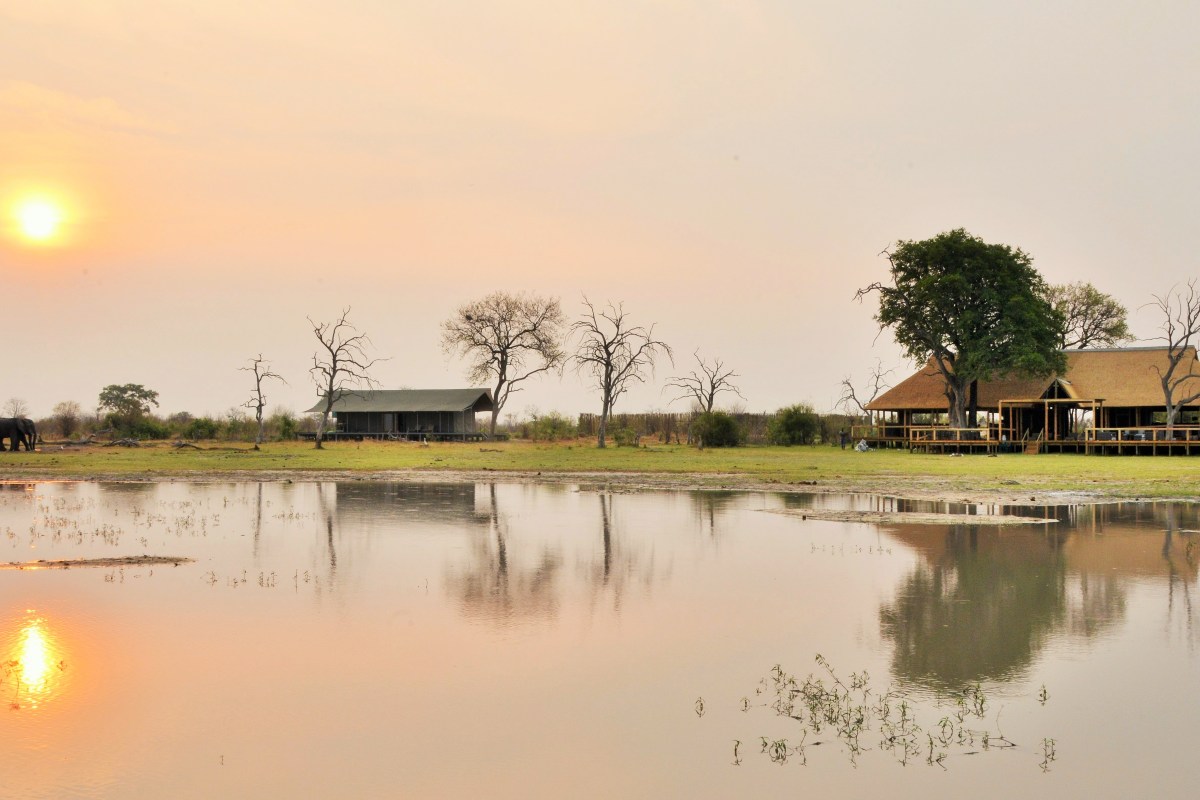
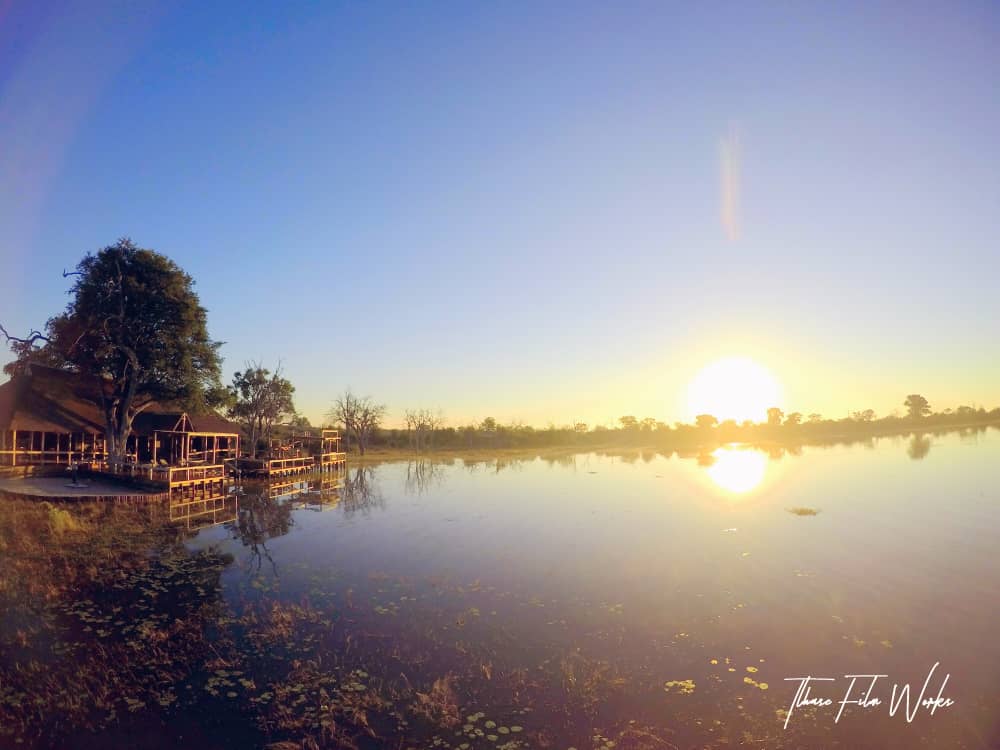
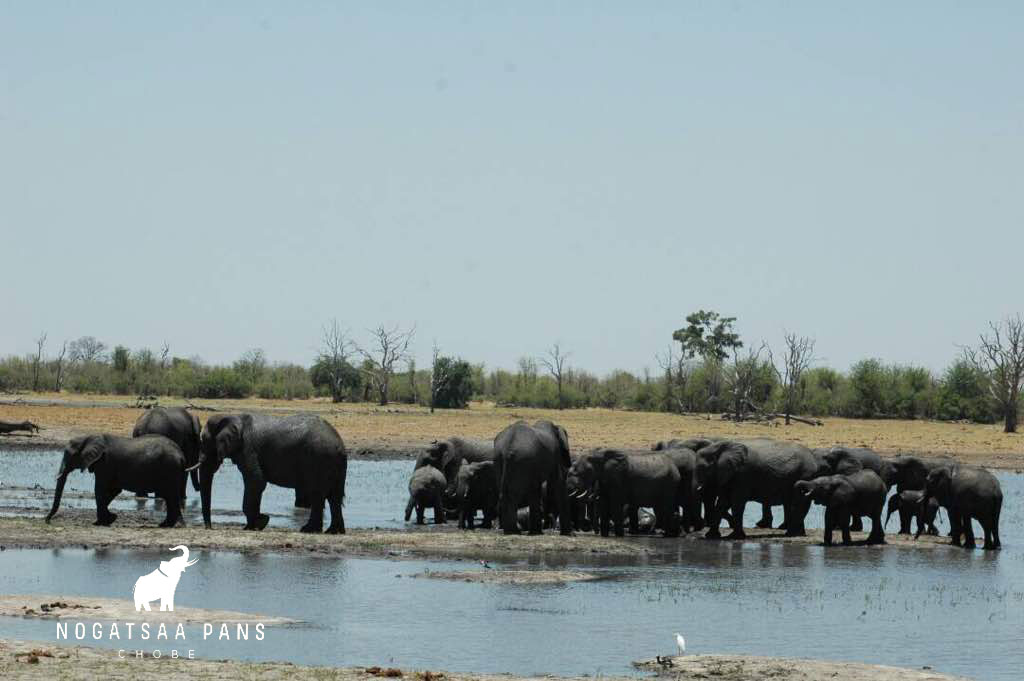
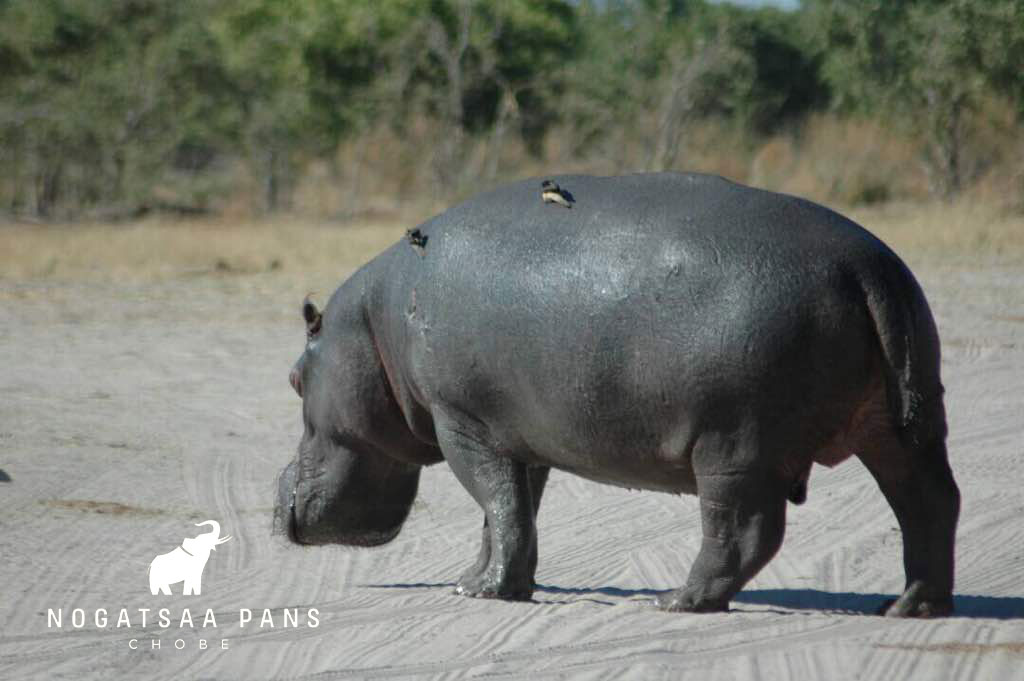
There is nothing quite like sitting quietly watching as the animals of Africa come down to a waterhole to drink.  So what better position for a safari lodge than to overlook an active waterhole?  There is always something to look at, from the resident hippo’s to the elephants and if you’re really lucky, the predators will put on a show for you.


Elephants-Nogatsaa-3Hippo-in-road


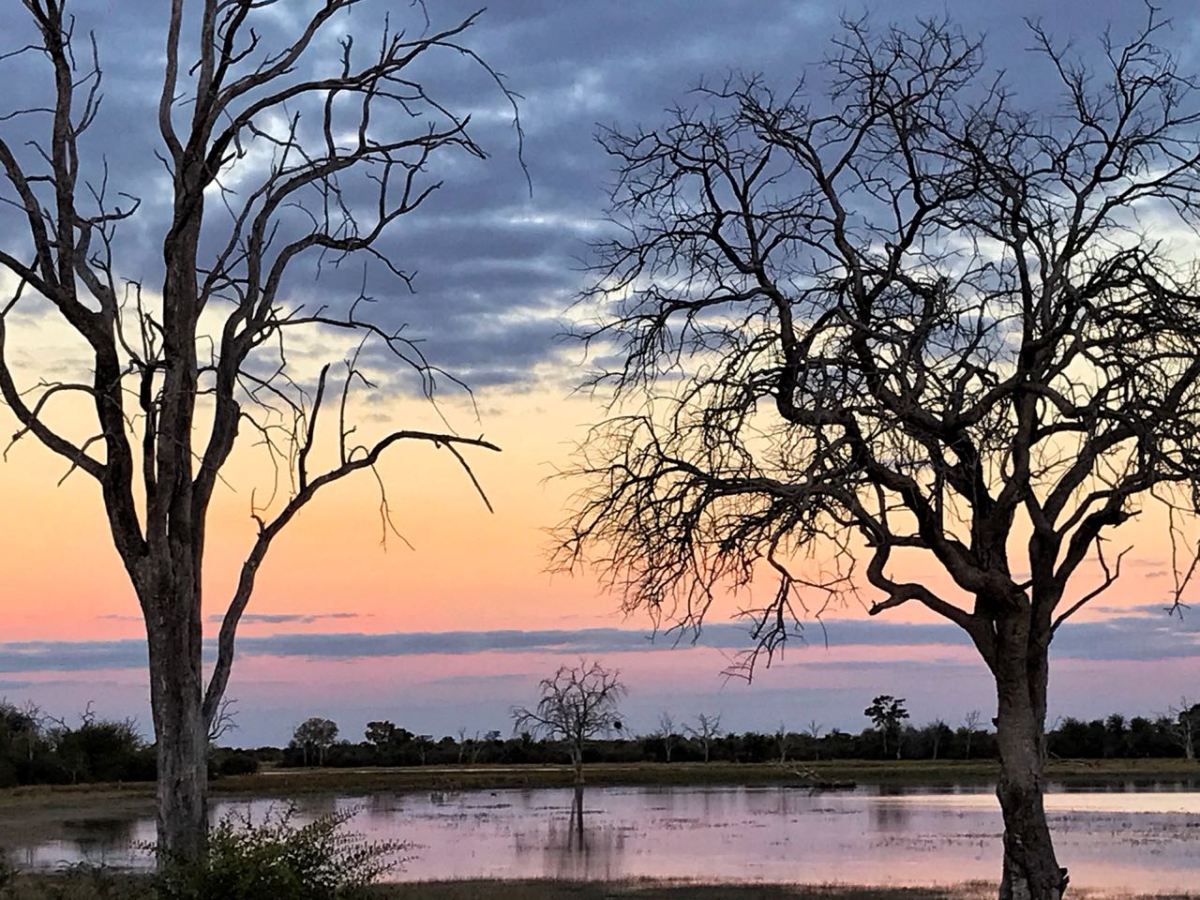
The nights at Nogatsaa are not to be outdone by the spectacular game activities of the day, boasting the ‘chills down the spine’ night sounds of the African Bush and unforgettable stargazing with the Botswana night sky becoming a cosmic show.


NP Sunset.jpg


Nogatsaa Pans Lodge has it all to ensure you leave Botswana with a true ‘in-the-bush’ African experience.  Designed with minimal impact on the environment and great care taken to leave a small carbon footprint, Nogatsaa Pans’ service excellence, synonymous with Ghoha Hills Lodge, is extended in the hospitality offered at Nogatsaa Pans Lodge – with total commitment to comfort and wellbeing.


The fascinating safaris and experiences of Ghoha Hills and Nogatsaa Pans awakens all your senses and is irresistible to those who appreciate excellent service, great hosting, fine fare, romance and adventure.


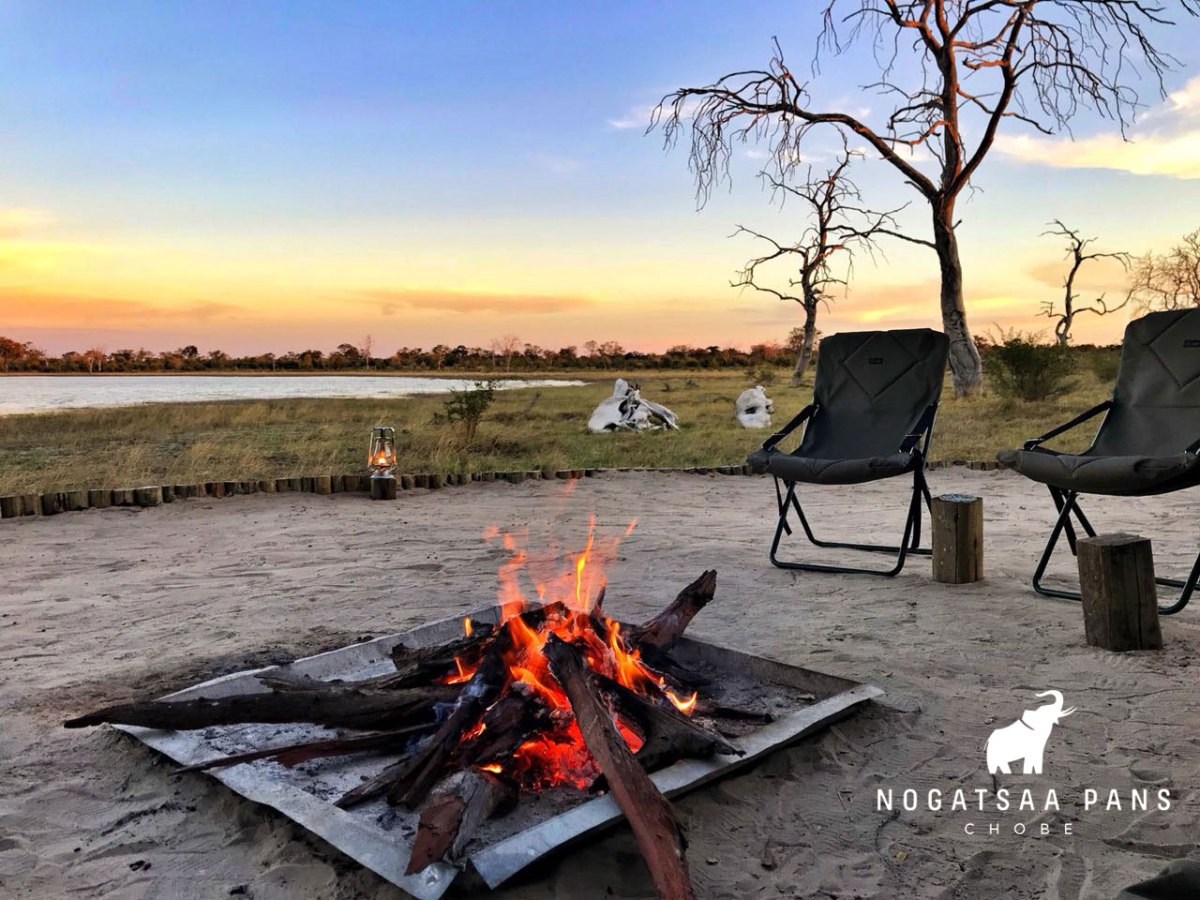
Boma-Fire-&-Sunset-2High-TeaStone-Proudly-serving-drinks-from-the-Bush-Bar-Nogatsaa-Pans


Nogatsaa Pans staff recently underwent leadership and teamwork training, ensuring guests will experience the highest quality service excellence at every touch point.


Nogatsaa Pans Staff.png

View this first time feature in the Thompsons Africa brochure http://console.virtualpaper.com/thompsons-africa/southern-africa-2019/#40/

Contact a Thompsons Africa consultant on info@thompsonsafrica.co.za for more information and to make a booking.

The Travel Corporation Banning Single Use Plastics

The Travel Corporations (TTC) family of brands are banning single use plastics.  The announcement comes as TTC, under the guidance of their not-for-profit TreadRight Foundation, officially instituted an immediate ban of more than 60 types of single-use plastic items such as straws, stir sticks, water bottles, plastic bags, and cutlery from its 40 global offices across its exceptional portfolio of brands.


At Thompsons Africa we have embraced the drive and are recycling all single use plastics in the building (single-use plastic is any plastic that can only be used once before being disposed of).


What We’ve Done As a Start?


Recycling bins have been positioned in our Thompsons Africa Durban Head Office.  Bins from desk areas have been removed.  Staff will be responsible for ensuring their waste is disposed of in the relevant recycling bins provided.  Our canteen EatFresh has committed to the cause and offer discounts when staff use their own coffee mugs for take away coffee, plastic drinking straws are no longer provided, plastic disposable cutlery is being phased out and no further polystyrene take away containers are being provided.


Why Are We Taking This Important Step?


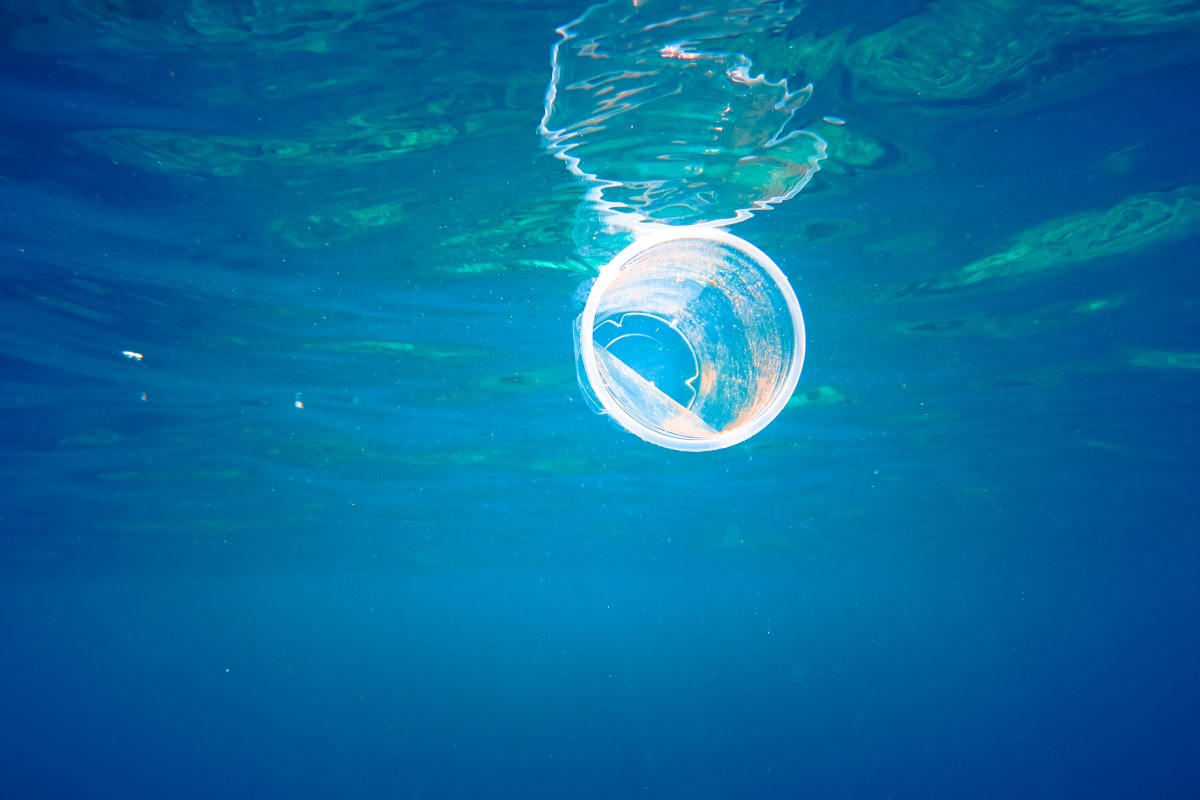
‘Today, our world creates and uses too much plastic. It is one of the most dangerous, damaging by-products of the consumption-oriented world we live in today. The equivalent of a large dump truck of used plastic goes into our oceans each minute, never decomposing but remaining there forever. The disposal of used, non-biodegradable plastics has massive health and other risks associated with their use and disposal. These include, most seriously, the pollution of our oceans, wildlife and water, and there is substantial scientific research available that proves that decomposing plastics are creating serious global problems. Plastics degrade very slowly and can exist in the environment for thousands of years. Annually, over 19 billion pounds of plastics are dumped into our oceans and this is expected to double by 2025. In fact, it is projected that there could be more plastics than fish in our oceans by 2050.’ – Independent UK


We are excited to have taken the first steps in the journey towards changing our world!


Red Carnation Hotel Collection A Winner

Huge congratulations to Red Carnation Hotel Collection on being voted the No. 2 Top Hotel Brand in the world by the luxury US magazine, Travel + Leisure.


Every year Travel + Leisure invites its readers to share their opinions on top hotels, resorts, cities, islands, and more, rating the hotel brands on their locations, rooms and facilities, food, service and overall value.  This year’s list of winners saw the family-run Red Carnation Hotel Collection coming in as a newcomer and securing the No. 2 spot.


12A_MountainWalks_022_S.jpg


‘The accolade is a wonderful endorsement confirming that by putting their guests at the heart of everything they do, delivering personal service and generous hospitality in their signature manner at each and every opportunity, they rise up above the rest.  A fantastic achievement and huge congratulations to all the staff at The Red Carnation Hotel Collection.’ – Michael Tollman


BK Deluxe Room 011 S.jpg


Red Carnation Hotel Collection scored an impressive 95.33

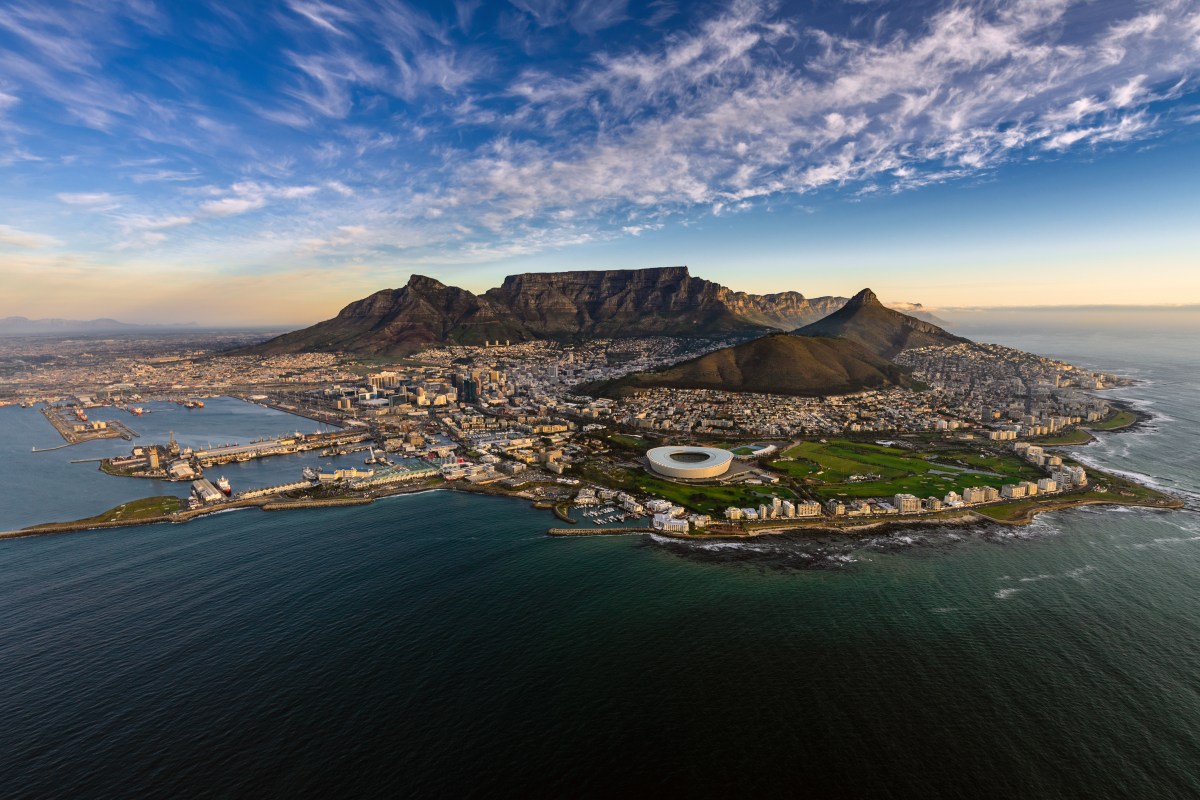
UPDATE ON WESTERN CAPE DAM LEVELS FROM THE OFFICE OF MICHAEL TOLLMAN, CEO OF CULLINAN HOLDINGS

The miraculous increase in Cape Town dam levels continues. Dam levels have now reached the very positive level of 53% at 9th July 2018. With snow on the mountains and more rains predicted next week, Western Cape dam levels could reach 60% by the end of July 2018. This is currently over double the level of Western Cape dam levels in the prior year. With daily water consumption still at 50% of the prior year, the Cape Town drought seems to be well and truly over.
Tourism continues to be the main provider of employment in the Western Cape, and Cape Town is excited to welcome back visitors and tourists who are vital to the Province’s economic and social wellbeing.
Cape Town continues to stand out as an example of what a common commitment to water sustainability can achieve. We recognise and thank all stakeholders who have played an important role in this achievement.

UPDATE ON CAPE TOWN WATER MANAGEMENT AND DAM LEVELS FROM THE OFFICE OF MICHAEL TOLLMAN, CEO OF CULLINAN HOLDINGS

‘A miraculous increase in dam levels in one month with improved winter rains and  a 50% savings in daily water usage  in the Western Cape brings relief to Cape Town’s  water crisis according to Cullinan Holdings‘.

Western Cape Dam levels on June 25th 2018 stood at 42.7% full versus 24.3% in 2017 and 35.7% in 2016.

Western Cape Dam levels on 30 October 2017 were 38.5% and on 30 October 2016 were 60.4%.  Based upon available information Western Cape dam levels at 30 October 2018 are expected to be above 60%. This is a massive and miraculous turnaround from dam levels over the period December 2017 to April 2018.

Cullinan Holdings remains supportive of water restrictions and continued sustainable water wise practices to ensure continued increases in dam levels. Water usage continues to be well controlled by local residents at 50% less daily usage versus the prior year. The Western Cape has also experienced improved winter rains compared to the prior year. Tourists are welcome and are important to the Western Cape economy, and can enjoy all that the amazing Western Cape and South Africa has to offer with peace of mind.  Recognition must be given to the various stakeholders, from government stakeholders to farmers, Cape Town businesses including hotels and local residents for reducing consumption and implementing sustainable water wise practices and reducing daily water consumption. As a result the City of Cape Town has been an example to the world of what can be achieved when all stakeholders come together and work with a common objective.

Tourism continues to be the main provider of employment in the Western Cape, and is crucial to normal daily life. Cape Town is open for business, excited to welcome back visitors vital to the province’s economic and social wellbeing.

Visitors from across South Africa and the world have watched to see when and how Cape Town will recover from this unprecedented water crisis that faces over 120 cities worldwide. Cape Town has come through the crisis wiser, smarter, more united and more committed to tourism than ever.