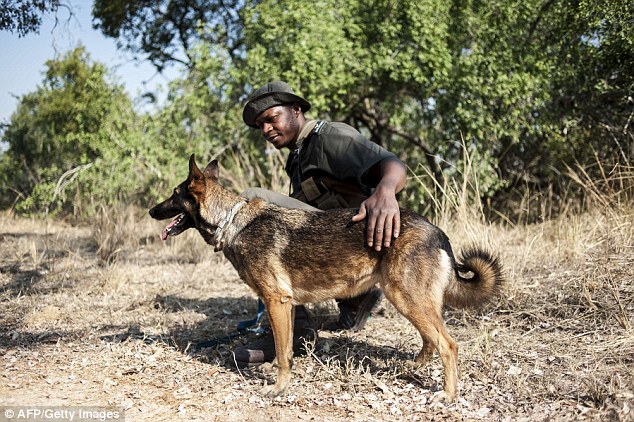
Meet ‘Killer’ the terrifyingly named poacher-catcher who tracks down illegal hunters across South Africa.
Since 2007, rhino poaching has risen rapidly every year in South Africa as animals are killed for their horn, used for its supposed medicinal qualities in predominately China, Vietnam and Thailand. In 2014, a record 1,215 rhino were killed and that number is set to be even higher by the end of this year.
Chosen for his focus and ferocity, the six-year-old jet black and tawny brown Belgian Malinois, Killer is the champion of the canine poacher-catchers. The six-year-old is dropped into search areas in the Kruger National Park by helicopter and accompanied by a group of armed rangers tracks down poachers.
The Belgian Malinois breed has long been excellent service animals and are used by military, police and private security organisations around the world, including US special forces. In 2011, a Belgian Malinois named Cairo was used in the operation to capture and kill Osama bin Laden. This year, the breed has also enjoyed some stardom on screen ‘Max#, a movie about a dog deployed in Afghanistan was released.
Killer was trained for 16 months before being sent to the Kruger aged 18 months to learn how to identify scents, to follow mock trails and to attack. Johan de Beer, kennel master at the Kruger canine unit said: ‘He’s had very good success so far, he’s very good on human scent tracking.’ De Beer adds that despite his name Killer is a gentle dog who is great at his job, ‘He’s actually a very placid dog. He likes riding in a chopper, stuff like that, he’s quite adventurous.’
In the first half of this year, Killer has already helped rangers arrest more than 15 poachers in the Kruger National Park.
Amid the carnage, this is a rare bit of good news thanks to dogs like Killer and Gladys, a lively Springer Spaniel who sniffs out guns and ammunition at park gates. Kruger authorities now plan to boost the number of dogs from 29 to more than 40 by the end of the year.
Virtuoso International Luxury Travel has placed South Africa as the top adventure travel destination in the world for 2016 and in third place as a Top Global Destination, just below Italy and France in first and second place.
Virtuoso is a global luxury travel network consisting of both travel advisors and travel partners. The results were based on the responses of these elite travel advisors who recoginsed South Africa in the respective categories.
It’s no surprise to those of us who are Proudly South African and sell our destination passionately every day. But in case you needed more convincing as to the luxurious offerings South Africa has to offer, just consider that 8 South African hotels/lodges were included in the Top 100 Hotels & Resorts in the World – Readers Choice Awards 2015:
Bushmans Kloof Wilderness Reserve & Wellness Retreat – No 3
&Beyond Lodges & Camps at Sabi Sand Game Reserve – No 17
The events in Paris and Beirut over the past few weeks have had a cascading effect on global society at many levels. The attacks have highlighted issues such as migration and refugees in Europe, increased security checks on travellers of every description, and naturally, on the prospects for foreign travel everywhere. It is the randomness and horror of such terrorist activity, designed to promote fear and a sense of insecurity among the public, that makes it such a potent weapon. It immediately creates a climate of anxiety that begins to threaten even day-to-day life, resulting people clinging to the familiar, reluctant to even travel locally, let alone internationally.
It could be said that these incidents have created a heighted sense of unease amongst prospective and confirmed travellers, leading to cancellations of bookings or even reconsidering possible destinations due to security concerns. We in South Africa have long been exposed to aspects of negative publicity – particularly in terms of violent crime and recently the visa debacle – and have had to develop ways of dealing with this. They remain facts that we must both acknowledge and accept, but generally we are able to find some compensatory factors that can be promoted to counter the apprehension expressed by our travel customers. This is patently obvious since South Africa remains a popular destination for many thousands every year.
A fundamental rule of successful public relations is that one should always deal with bad news up front. There is little point in trying to deny it or hide it under the carpet, because when such information subsequently becomes public – as it inevitably does – it undermines the trust that people may have had in you. Most people would rather know bad news sooner rather than later. To this end it is crucial that we have as much knowledge about events and circumstances as possible, since only then can we realistically provide facts to those who enquire. Also being well informed allows us to make considered statements, risk assessments and public assurances that are all necessary to maintain business relationships with operators and customers alike.
So we must acknowledge that there will be disruption to travel and inconvenience to travellers, in some instance and some destinations this may even be quite considerable. But forewarned is forearmed, and if people are sufficiently prepared for what they are likely to encounter in terms of inconvenience they will be less inclined to blame those in the travel industry for their discomforts.
Having confronted this rather gloomy scenario, is there anything on the horizon that might bring us some cheer?
Well there is a rumour circulating among some economists that the price of crude is set to fall further, and lower fuel costs are always a boon to the travel industry, it is after all, part of our lifeblood. Nassim Taleb, whose 2007 book The Black Swan: The impact of the Highly Improbable, described the extreme impact that certain rare and unpredictable events can have on economies. The idea is centred around: ‘our blindness with respect to randomness, particularly large deviations’. He has made a considerable fortune understanding risk (and also explaining why most of us don’t understand it!). At a recent economics conference in Kilkenny, Ireland, he ventured the opinion that oil prices are headed dramatically downwards. He further suggested that the Saudi economy is far from robust and could even go broke. The consequences of this would put crude into free fall.
Now while that isn’t a brilliant scenario for the oil producing countries it would have a positive and uplifting impact on global travel, because as any elementary economics student will tell you, there is a very direct correlation between price and demand: the higher the price the less demand, and conversely, make things cheaper and more people will buy them. You only have to look at the success of Tony O’Leary’s Ryanair venture (now Europe’s biggest independent airline) to know that the formula works. So we might yet see a boom in business in the not too distant future…
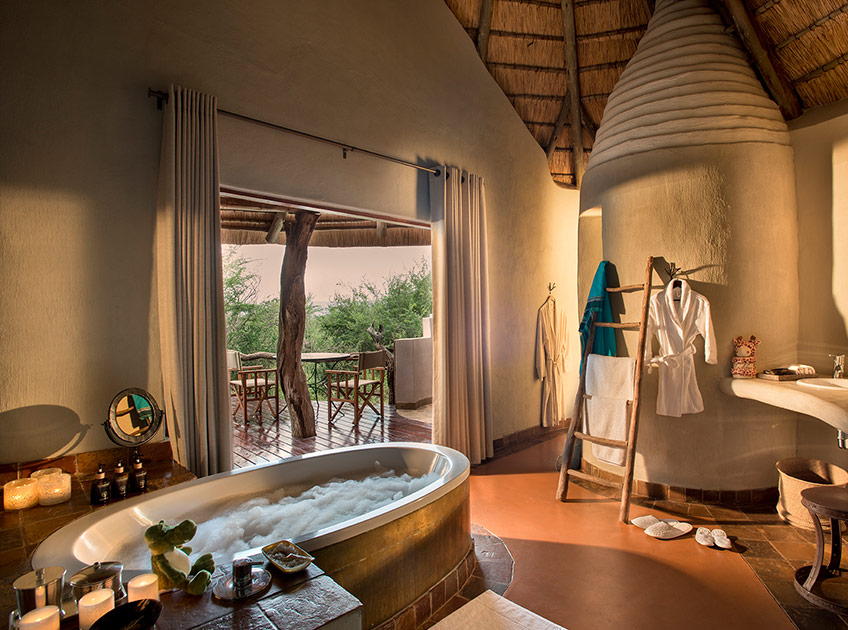
Sanctuary Retreats are delighted to announce a major investment programme for their luxurious Botswana camp, Sanctuary Chief’s Camp.
Renowned for its exceptional levels of service and customer experience, the exclusive camp is consistently rated as one of the top safari camps in Botswana.
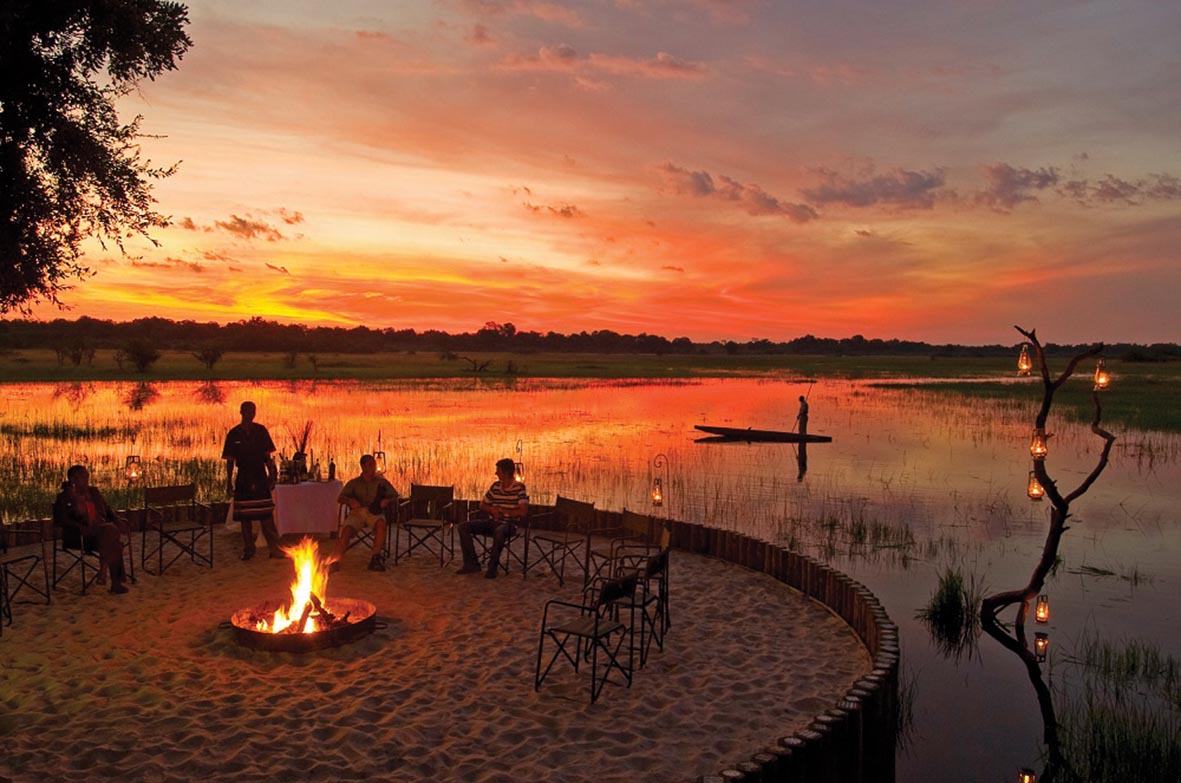
It is located on Chief’s Island in the Mombo Concession of the famous Moremi Game Reserve in Botswana, an area known as the ‘predator capital of Africa’.
This significant investment is scheduled to take place from 9 January 2016 (during which time the camp will be closed), with the exciting new-look camp re-opening to guests on 1 June 2016.
The Moremi Game Reserve is the first reserve in Africa that was established by local residents. Named after Chief Moremi, the Matawana people of Ngamiland under the leadership of Mrs. Moremi, took the bold decision to proclaim Moremi a game reserve in 1963. It is the only officially protected area of the Okavango Delta.
Situated in the central and eastern areas of the Okavango, it boasts one of the richest and most diverse ecosystems on the continent. With the reintroduction of the white and black rhino, the game reserve is now also marketed as a Big Five experience destination.
Just as we value our natural heritage, so do we value every guest that arrives on our shores! We take great pride and pleasure in bestowing a true African welcome to all our visitors.
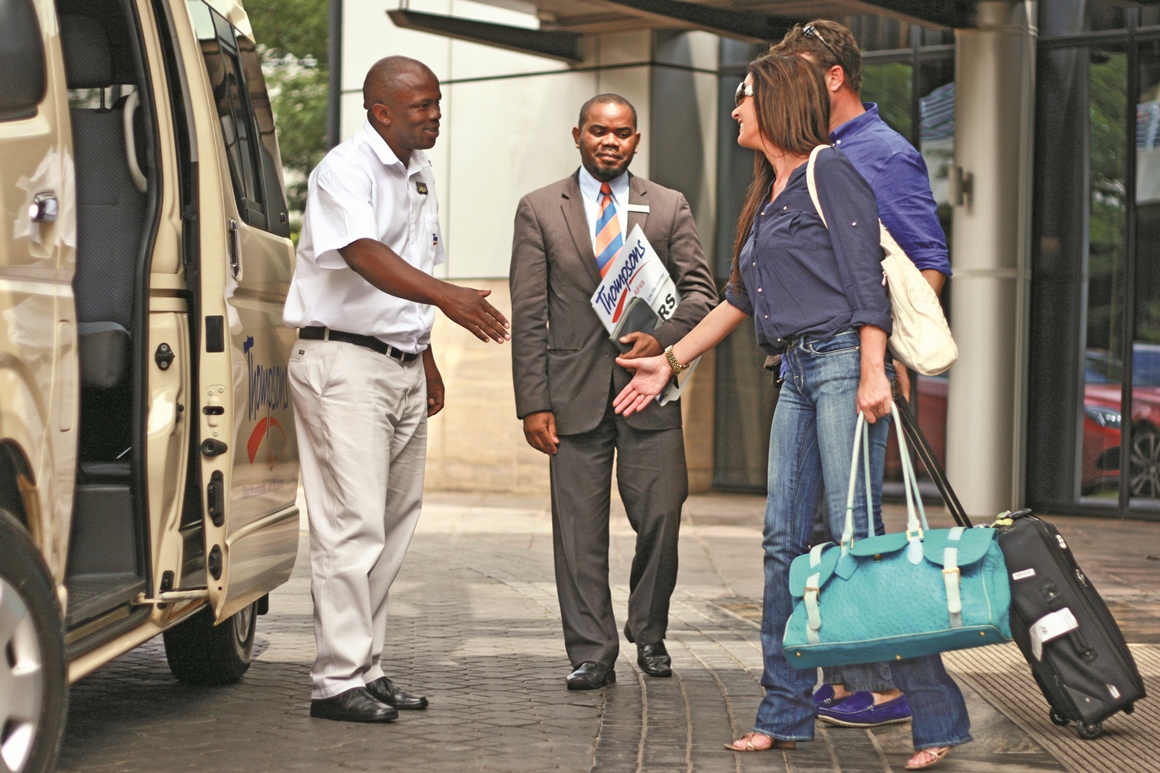
We know that airports can present a challenge to tired or disoriented travellers and that is why we have selected and invested in a remarkable team of people to take care of and assist customers from the very moment that they arrive on our soil.
Our team of hands-on Guest Service Officers are located in most major airports and are at the ready to meet and greet guests and ensure a stress-free start to any holiday.
Even once guests have left the airport, we are still there to give support when life’s mishaps occur! We visit guests in hospital to offer comfort and reassurance. No matter what the situation, we are always there!
THE GOLD WELCOME & PLATINUM WELCOME MEET & GREET SERVICE
Guests are met personally, assisted with luggage, escorted to a restaurant or coffee shop and, while they’re refreshing themselves with a complimentary juice or hot beverage, will be handed their documentation. Thereafter, they’ll be personally assisted with banking, foreign exchange, cellular rental, and any other retail service they need within the terminal building, before being escorted to their onward transportation. Guests feel pampered and secure in the knowledge that they understand their itinerary arrangements, and that any questions or concerns raised, will be answered swiftly.
In addition, offered for the Platinum Welcome Meet & Greet Service – currently only available in Johannesburg and Cape Town – guests are met on arrival straight off the aircraft by our personnel who have official airport clearance to be there. Guests will therefore feel completely at ease, knowing they’ll be escorted from the moment they step onto South African soil.
But don’t take OUR word for it! This is what our guests have to say about our Guest Service Officers:
‘We found our greeter very easily and he set our minds at ease. Patrick was very personable. Wonderful experience.’
‘Wonderful! Very helpful and sweet!! Thank you :)’
‘Very friendly and her sign was very easy to see :)’
‘So nice to be personally greeted.’
‘Friendly faces and smiles to start off our vacation’
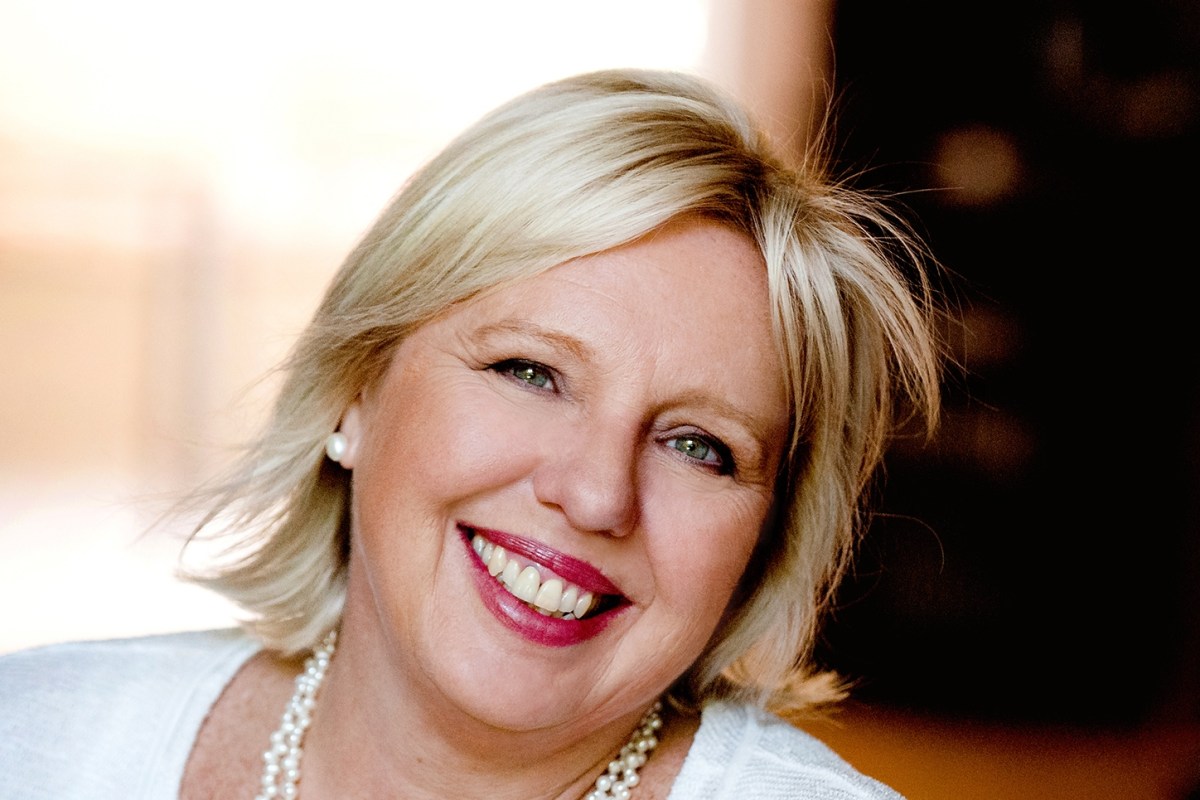
This is a very overdue Linda’s Letter, friends …. The year has had my eye focussed on the very varied changes in our rhythm that came our way. I have also used my writing time to contribute to articles for SA Tourism Update on-line. I have attached the link listing all the stories for your interest, in case you missed them: http://www.tourismupdate.co.za/Author?authorId=40
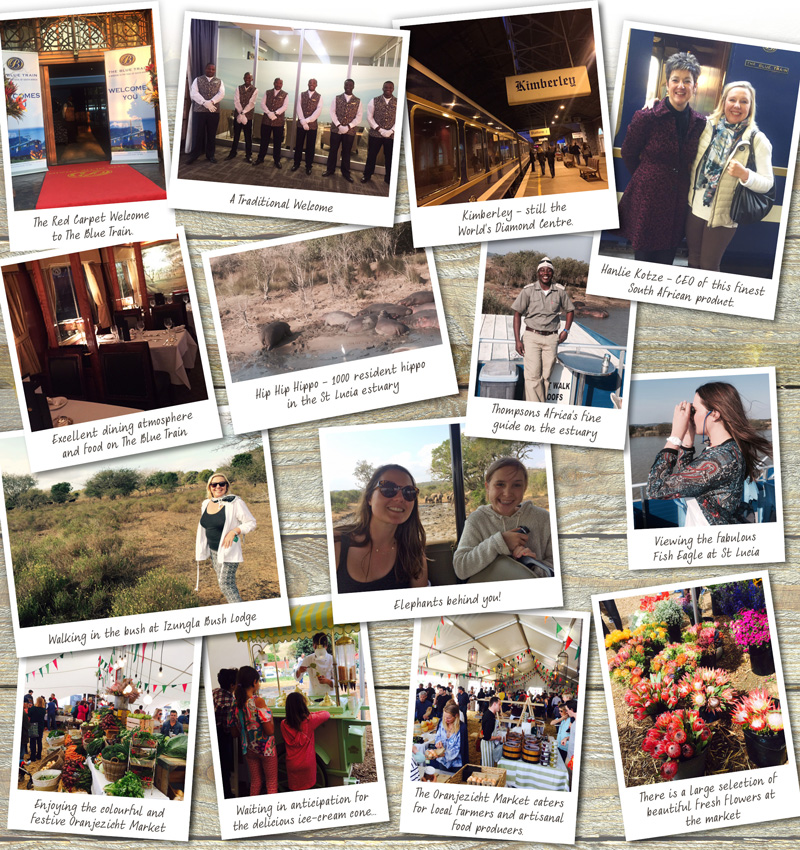
Traveling around our beautiful land this year, took me on the Blue Train – what a lovely experience that was! This magnificent, moving, five-star “hotel-on-wheels” traverses South Africa’s most diverse and beautiful scenery, in spectacular luxury. It travels between Pretoria and Cape Town and Pretoria and Hoedspruit and is also available for private charter. The Blue Train has been indulged on by Kings, presidents and celebrities, as well as honeymooners and ordinary folk like myself.
Throughout the 27-hour journey I enjoyed total comfort – my suite, with its elegant and relaxing lounge during the day, which transforms into a bedroom at night, was even fitted with a bath! It had individually-controlled air conditioning, WI-FI and other electronic options, goose-down and percale-cotton bedding, plush towels and scented bath salts, as well as a butler service, to top it all! The service was warm and friendly and the food exceptional. Cordon Bleu meals, which are incredibly prepared in the tightest of kitchens, are artfully presented in delicate crystal and on fine china. Waking up to a sunrise, with the most magnificent views, was breathtaking, to say the least!
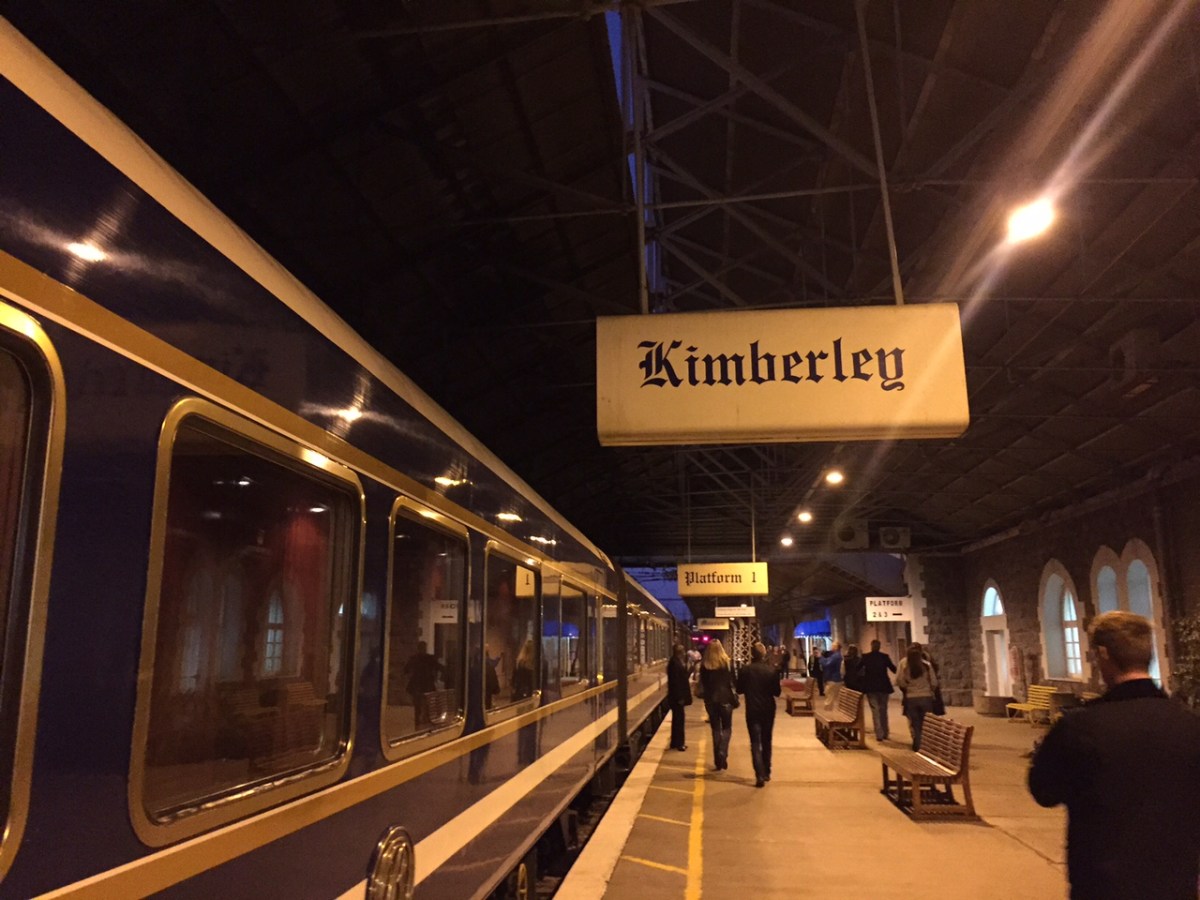
We stopped off in Kimberley, the capital of the Northern Cape Province. It has considerable historical significance due its diamond mining past and the siege during the Second Boer War. We did a tour of the Kimberley Mine Museum, a site that yielded 2 722kg of diamonds, extracted from 22.5 million tons of excavated earth, using only shovels, picks and bare hands! Surrounded by original old buildings from days gone by, “The Old Town” forms a magnificent open air museum, depicting Kimberley in its Victorian heyday during the diamond rush. The Transport Hall contains an assortment of late 19-century vehicles, and De Beers Hall houses a display of uncut diamonds, stones of different colours and items of jewellery. Also on display are the “616” (616 carats), the largest uncut diamond in the world, and the “Eureka”, the first diamond discovered in South Africa. It was fascinating to learn more of the history of what took place here, how this city came to be and the legacy left for us to enjoy today.
South Africa-s diamond treasure-trove did not end in Kimberley, which led to the establishment of what is today known as the largest diamond company in the world – De Beers, controlling about 50-60% of diamond production worldwide. A mere 35 years after the discovery of the first South African diamond, one of the richest diamond Kimberlite pipes was discovered in Cullinan, near Pretoria. It was here that the Cullinan Diamond, weighing a staggering 621g, translating into 3,106 carats, which today forms part of the crown jewels of the United Kingdom’s royal family, was found. Diamonds are still being mined at Cullinan, with the Premier mine producing some of the biggest diamonds in the world.
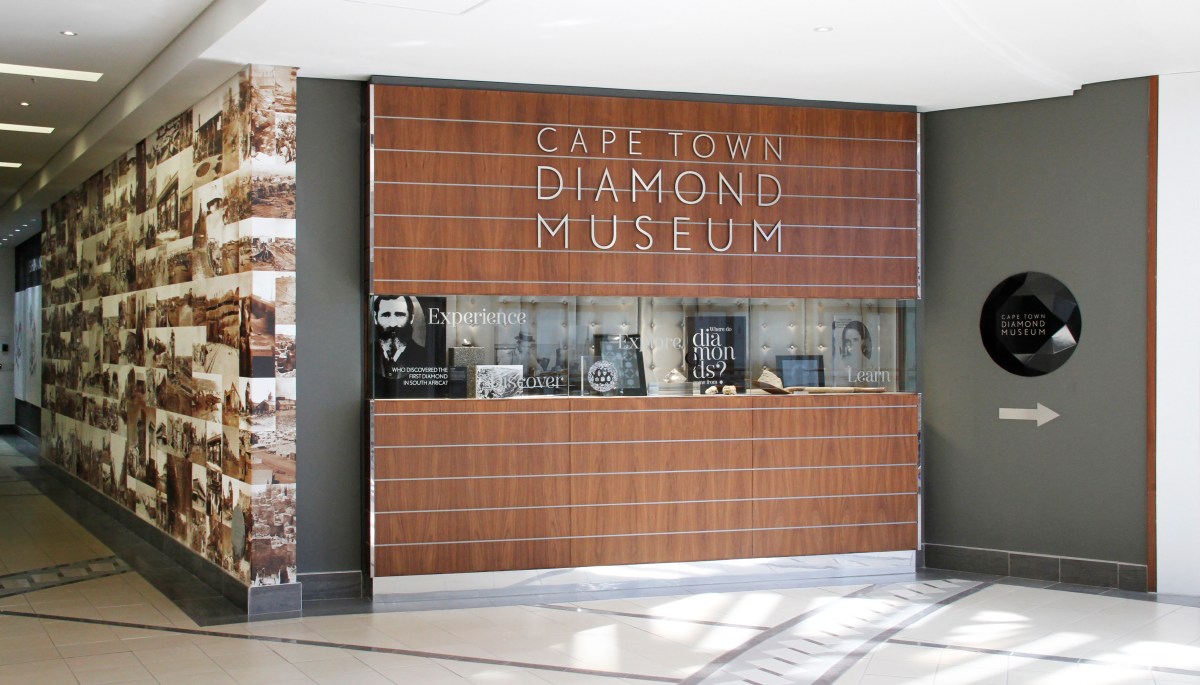
The Cape Town Diamond Museum at the V&A Waterfront, is the only one of its kind in South Africa. A gift from acclaimed jeweller Shimansky to the Mother City, it is a non-profit organisation dedicated to creating a new appreciation for diamonds. A “Diamonds through the ages” visual timeline reveals some of the key moments in the history of the diamond and the history of diamonds in South Africa. The most dazzling display in the museum is a wall dedicated to showcasing life-sized replicas of the world’s most famous diamonds. Other fascinating presentations include an installation detailing how roughdiamonds are transformed into creations of fire and light and a display of historical mining artefacts, such as lamps, sifting pans and even a miner’s lunchbox and mug.
And so, from diamonds to South Africa’s first World Heritage Site, the iSimangaliso Wetland Park, the only place on the globe where the oldest land mammal (the rhinoceros) and the world’s biggest terrestrial mammal (the elephant) share an ecosystem with the world’s oldest fish (the coelacanth) and the world’s biggest marine mammal (the whale). The 332 000 hectare Park contains three major lake systems, interlinking 8 different ecosystems, 700 year-old fishing traditions, most of South Africa’s remaining swamp forests, Africa’s largest estuarine system, 526 bird species and 25 000 year-old coastal dunes – among the highest in the world. The name iSimangaliso means miracle and wonder, which aptly describes this unique place. I revelled in its superlative natural beauty, which stretches along 200km of endless beaches and grasslands with game, tropical forests, coral reefs and colourful under-water life.
Within an hour’s drive is the Hluhluwe-Imfolozi Game Reserve, a very special place that I love to visit as often as possible. Long-established home to the Big Five, the Park, established in 1895, is not only the oldest game reserve in Africa, but has a proud international reputation for its dedication to the successful protection of the then endangered white rhino. In addition to the Big Five, it contains other special sightings, such as cheetah, wild dog, hyena, and other general game species, and is, undoubtedly, not only one of my favourite, but one of South Africa’s finest game parks. While I was there I visited Mzamo Cultural Village, a tiny cultural village run by just one very passionate man. What a sweet experience! Check out the video of my daughter Catherine joining in on the cultural dancing! https://youtu.be/BMXoMQUgPX0
Back in Cape Town, I visited the Oranjezicht City Farm (OZCF) Market Day, now open at the Lookout at the V&A Waterfront every Saturday, between 9am and 2pm. The OZCF is a non-profit project celebrating local food, culture and community, through urban farming. You can buy freshly-grown vegetables and fruit, fresh bread, organic dairy, free-range eggs, honey and muesli and try out some delicious cooked and raw foods. Not only are you inspired about helping to build an alternative food system, but the vibe there is fabulous. Really worth a visit!
South Africa occupies the southern tip of Africa, its coastline stretching more than 2,500 kilometres (1,600 miles) from the desert border with Namibia on the Atlantic (western) coast southwards around the tip of Africa and then north to the border with Mozambique on the Indian Ocean.
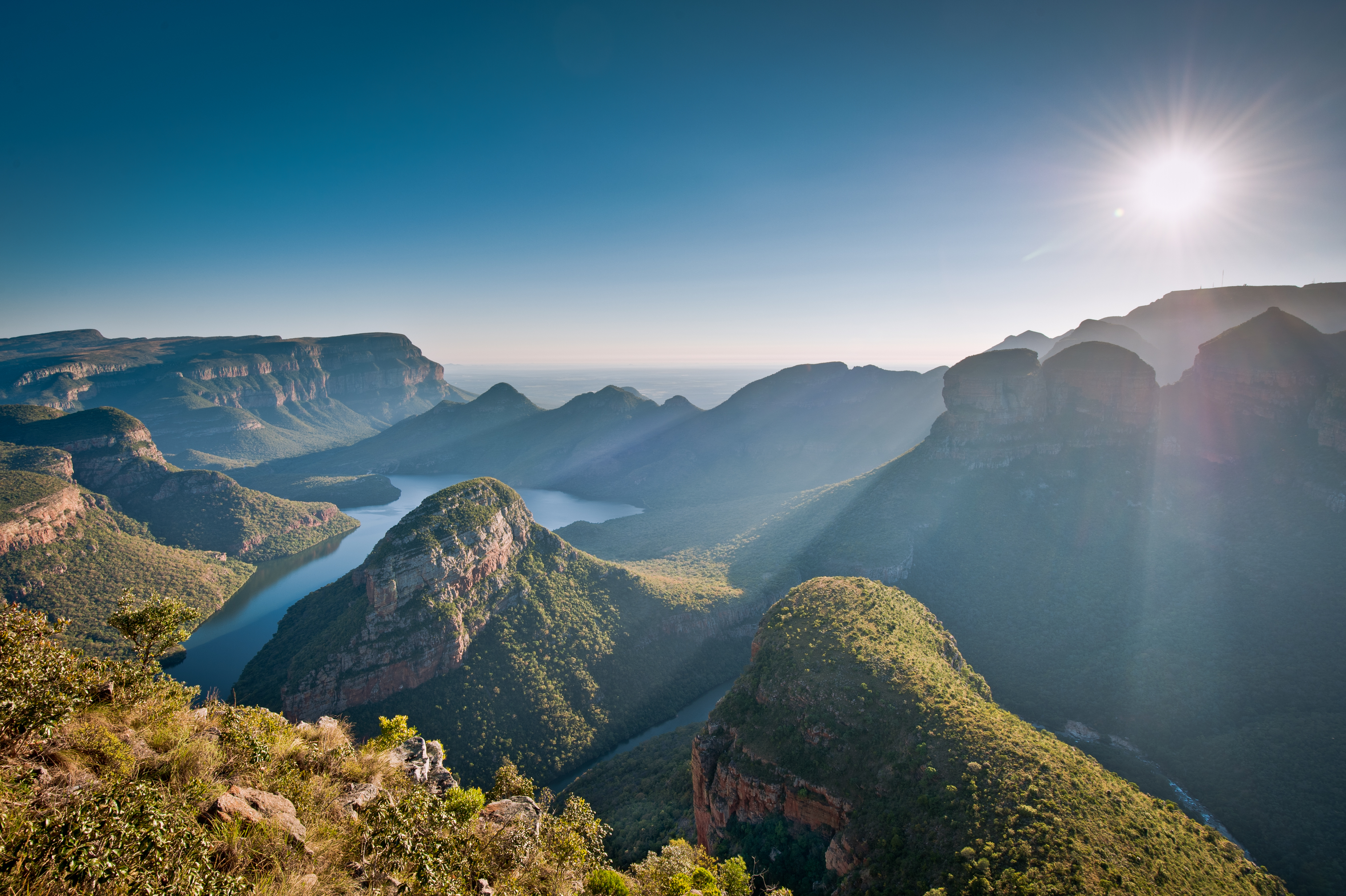
Blyde River Canyon
Capitals
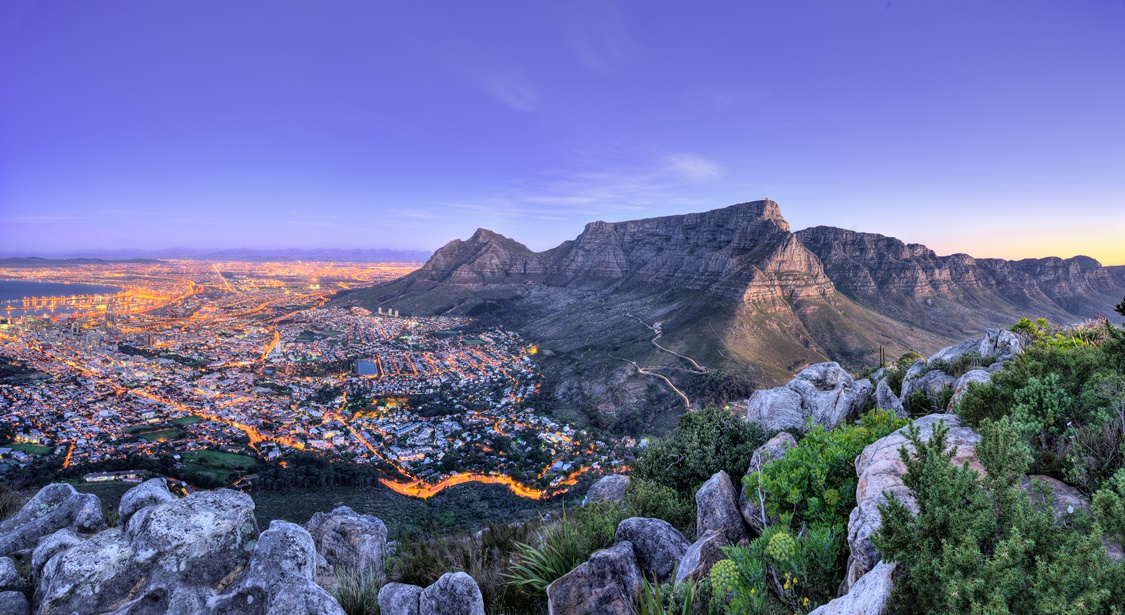
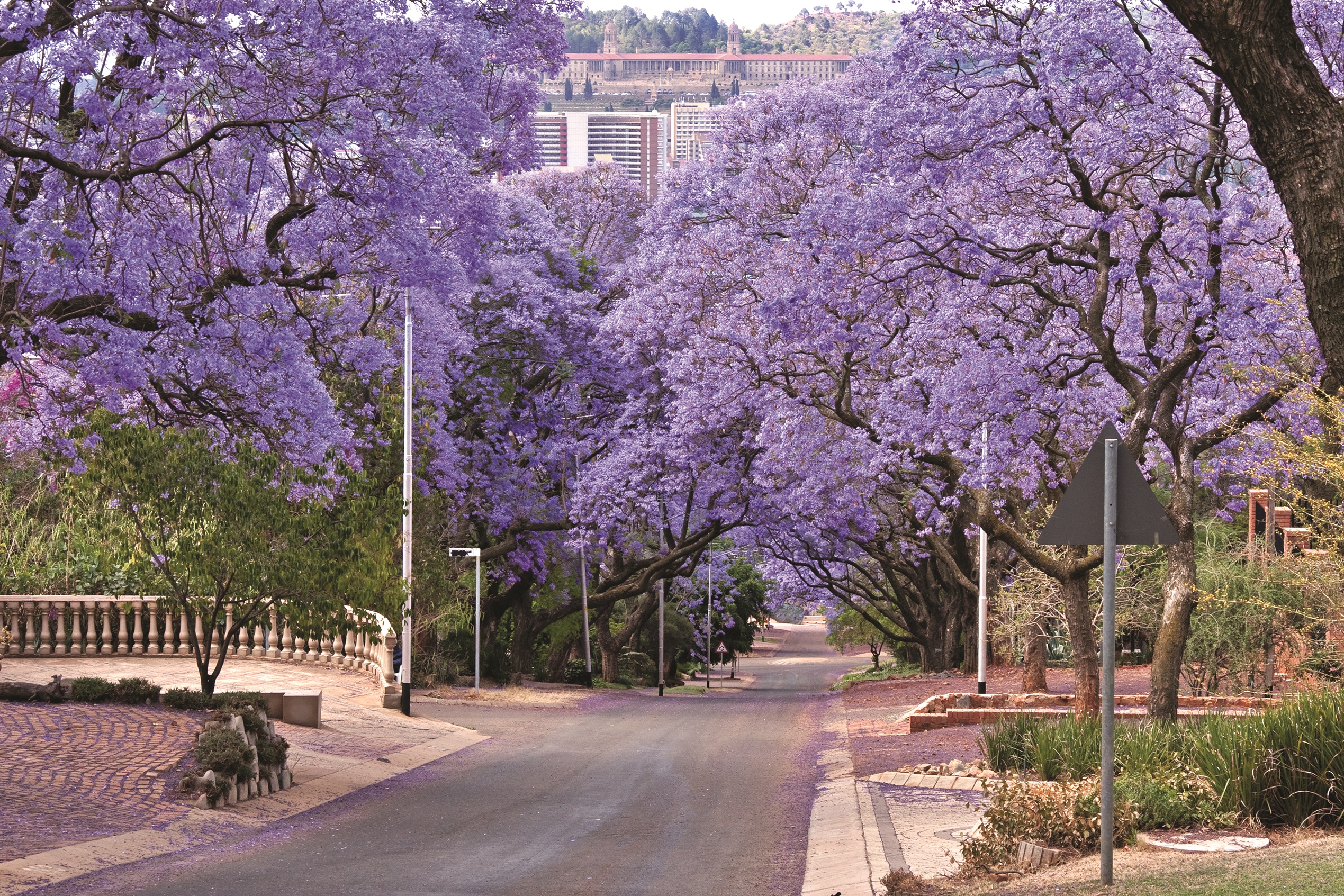
Cape Town, as the seat of Parliament, is the legislative capital; Pretoria, as the seat of the President and Cabinet, is the administrative capital; and Bloemfontein, as the seat of the Supreme Court of Appeal, is the judicial capital, while the Constitutional Court of South Africa sits in Johannesburg. Most foreign embassies are located in Pretoria.
Population
According to the Census 2011 data from Statistics South Africa, in 2011 the country’s population was 51 770 560, of which 26 581 769 (51.3%) were female and 25 188 791 (48.7%) were male.
Africans are in the majority at just over 41-million, making up 79.2% of the total population. The coloured population is 4 615 401 (8.9%), while there are 4 586 838 (8.9%) whites. The Indian/Asian population stands at 1 286 930 (2.5%). In 2011, “other” was included in the Census, and accounts for 280 454 or 0.5% of the total.
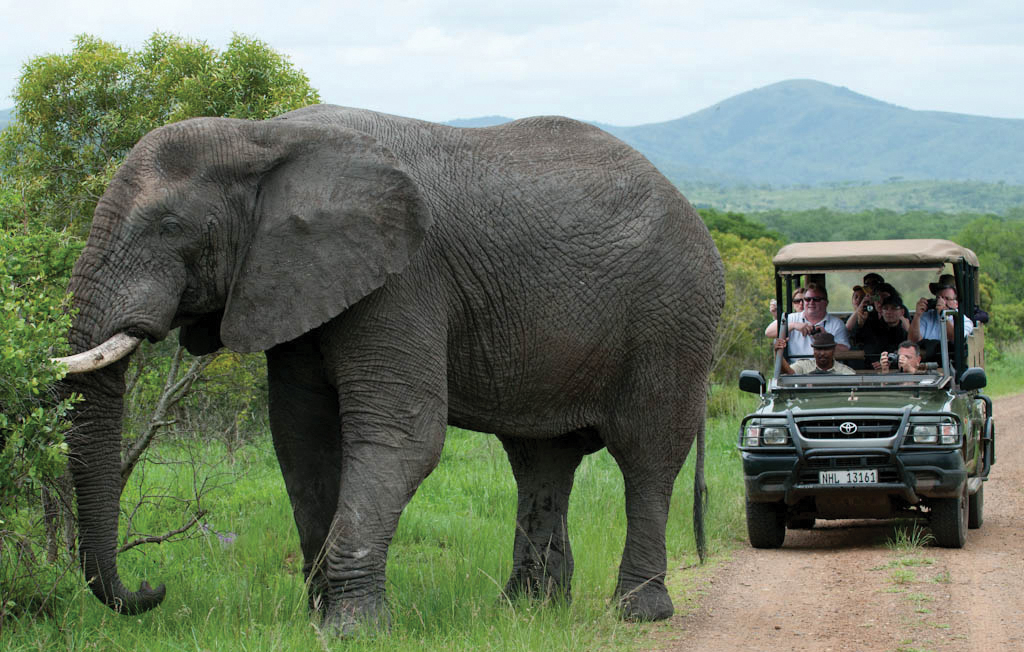
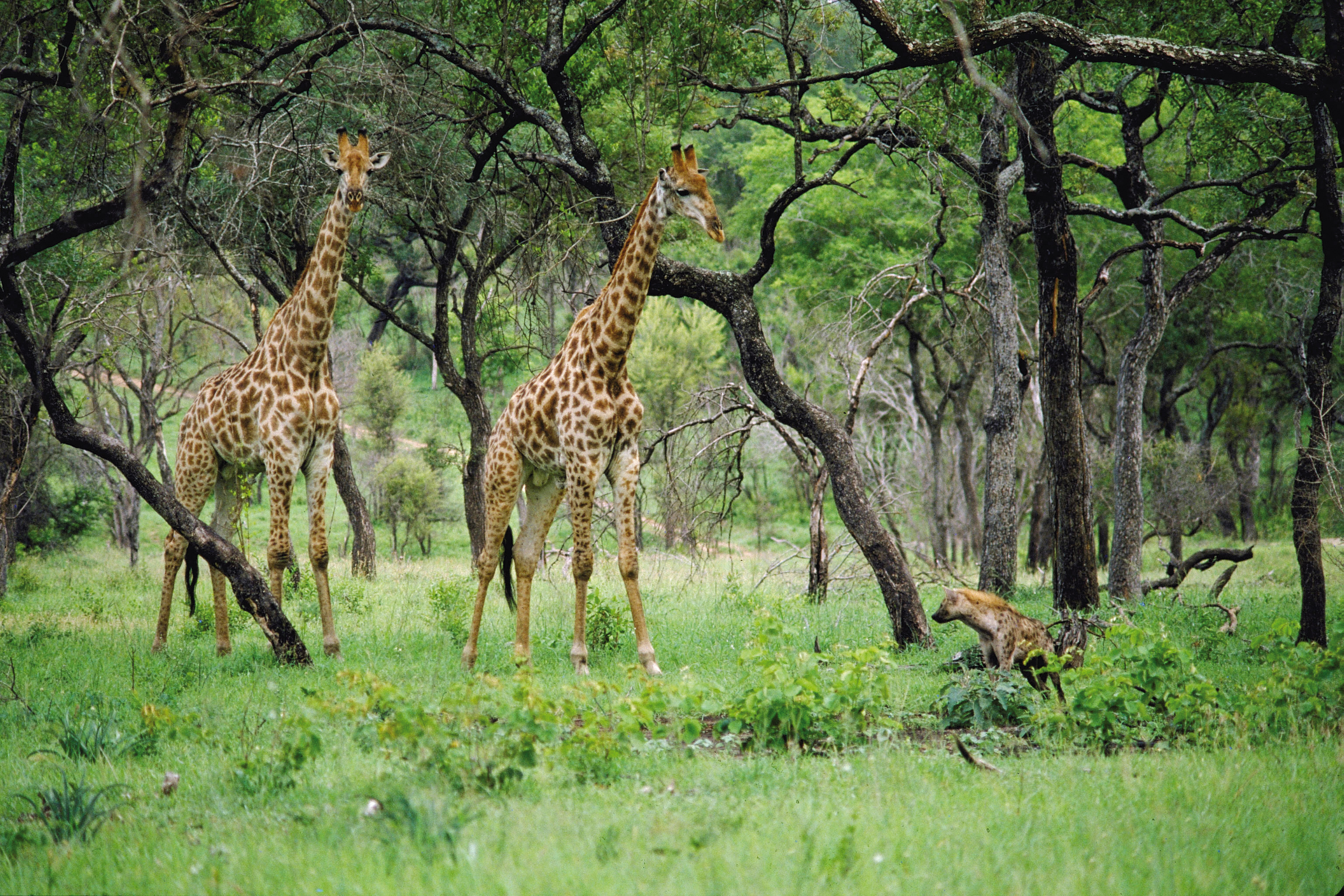
Hluhluwe Game Drive
Currency
The currency in South Africa is the rand which comes in a range of coins (R1 = 100 cents) and note denominations of R10, R20, R50, R100 and R200.
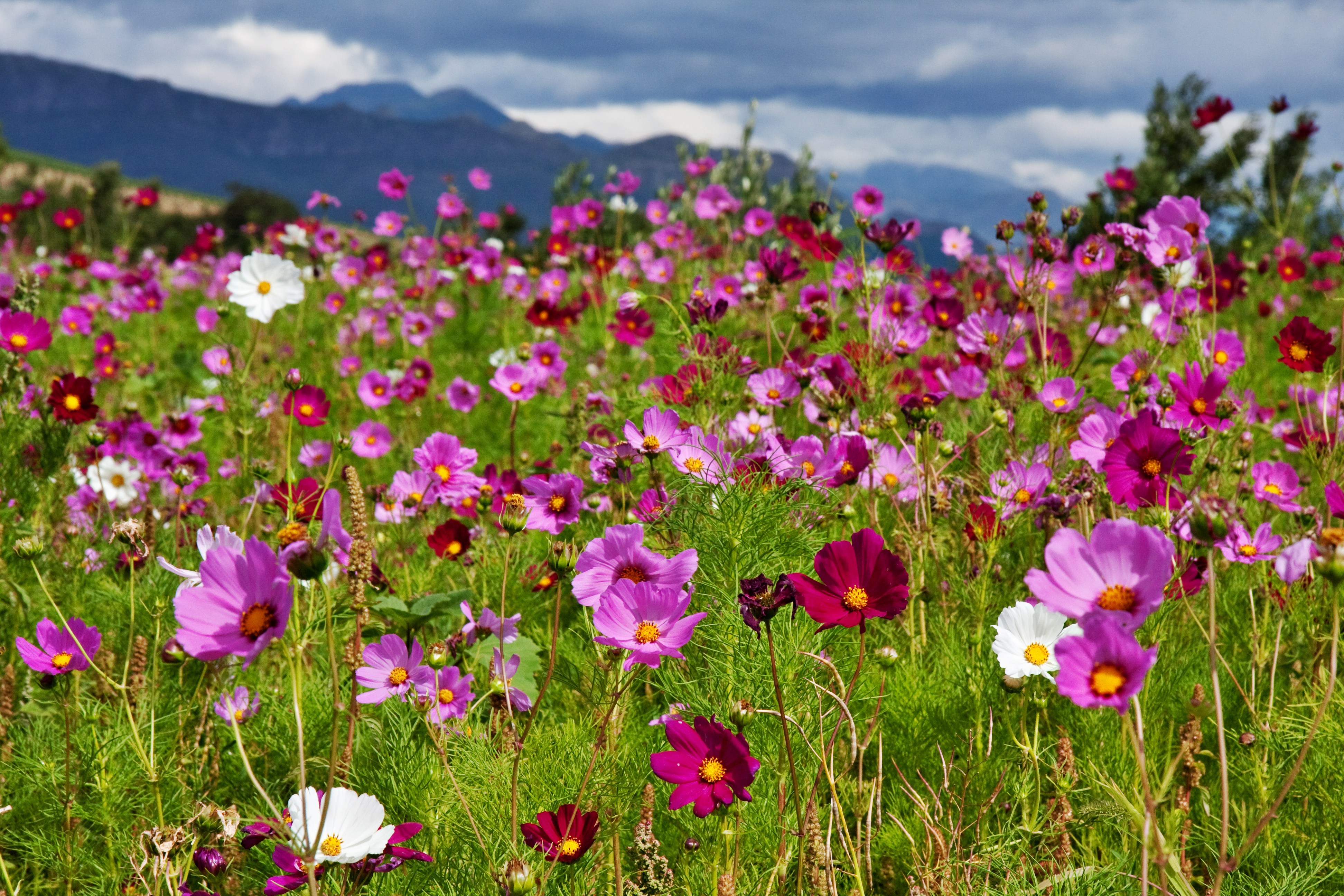
Wildflowers
Climate
South Africa is a sunny country with an average of around 8-10 daily sunshine hours in most regions. The average annual rainfall for South Africa is 450mm. Overall, rainfall is greatest in the east and gradually decreases westward, with some semi-desert areas along the western edge of South Africa. For most of the country, rain falls mainly in the summer months with brief afternoon thunderstorms. The exception is the Western Cape and its capital city Cape Town where it rains more in the wintertime. In the winter months, snow collects on the high mountains of the Cape and the Drakensberg.
Spring: September, October, November Summer: December through February Autumn: March, April, May Winter: June through August
Communications
Telecommunications infrastructure in South Africa provides modern and efficient service to urban areas, including cellular and internet services. Internet and Wi-Fi are easily accessible in most urban areas.
Provinces
The nine provinces in South Africa are: Eastern Cape, Free State, Gauteng, KwaZulu-Natal, Limpopo, Mpumalanga, Northern Cape, North West and Western Cape.
National symbols
National flower: King protea.
National tree: Real yellowwood.
National animal: Springbok.
National fish: Galjoen.
National bird: Blue crane.
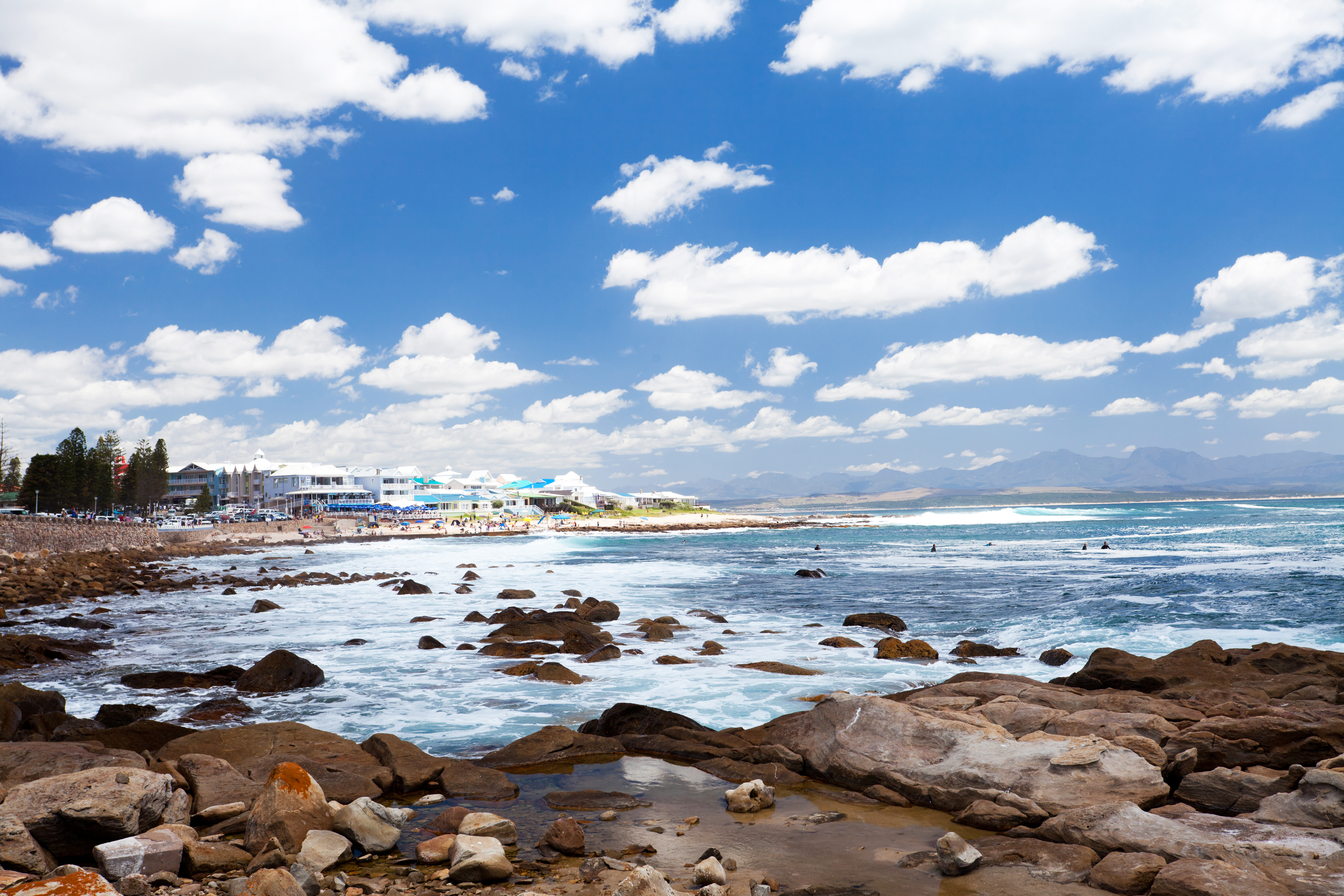
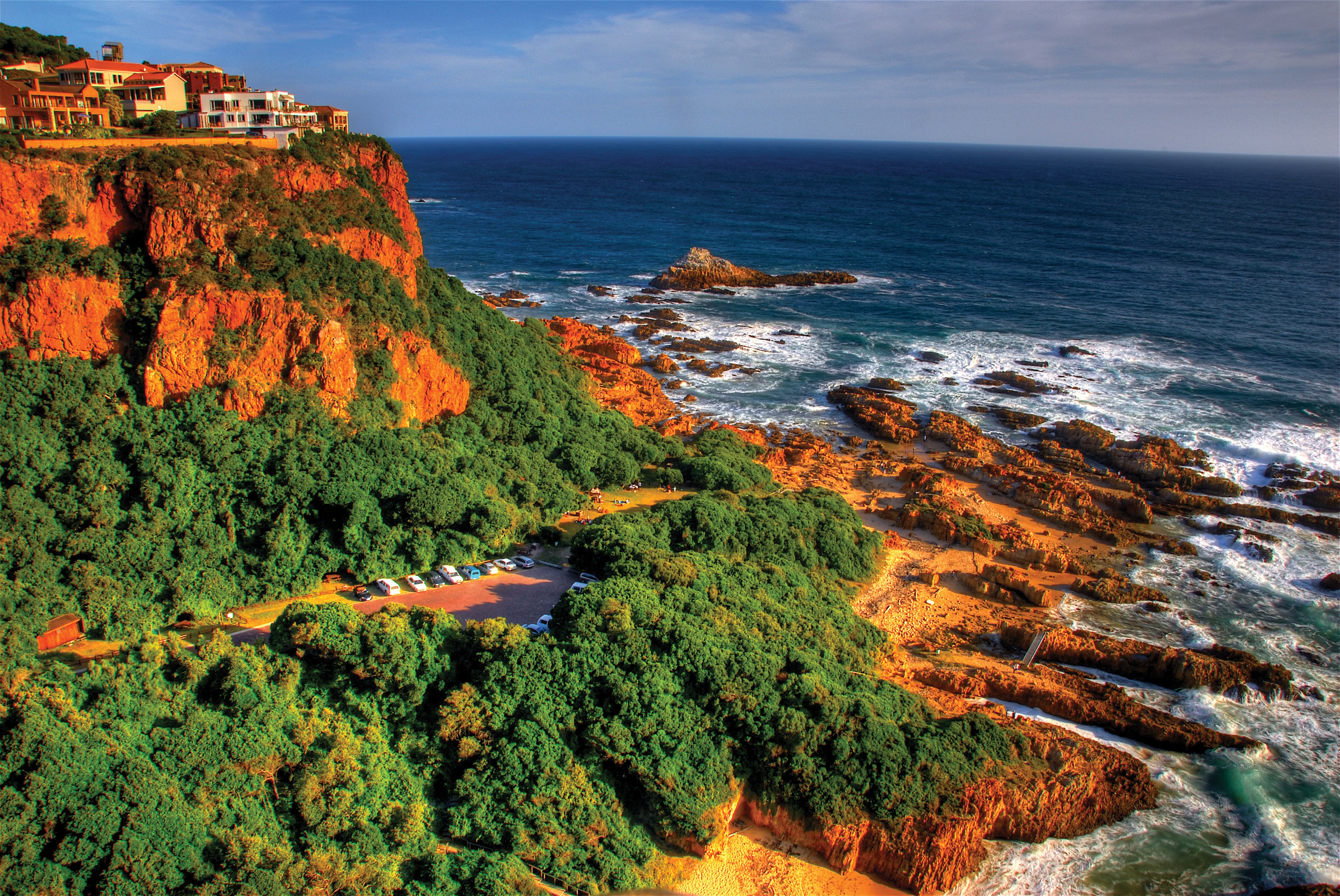
Knysna Heads
Languages
There are eleven official languages of South Africa: Afrikaans, English, Ndebele, Northern Sotho, Sotho, Swazi, Tsonga, Tswana, Venda, Xhosa and Zulu. Fewer than two percent of South Africans speak a first language other than an official one. Most South Africans can speak more than one language.
Water
In urban areas tap water is usually of high quality and safe to drink. It’s quite safe to have ice in drinks and to eat salads. However, when travelling to remote rural areas and the bush you should take your own drinking water along or buy bottled water.
Animals and plants
In 1998 Conservation International declared South Africa one of the 17 megadiverse destinations in the world because of its rich biological diversity. Expect majestic and intimidating animals such as rhinos, elephants and great white sharks, and smaller ‘cute’ ones such as meerkats, bush babies and bat-eared foxes, as well as diverse plant life from succulent Karoo through to fynbos and indigenous forests.
Electricity
The South African electricity supply is 220/230 volts AC 50 HZ. With a few exceptions (in deep rural areas), electricity is available almost everywhere.
Airports
South Africa’s three major international airports are OR Tambo International Airport (Johannesburg); Cape Town International Airport; and King Shaka International Airport (Durban). There are also many regional airports, including the Kruger Mpumalanga International Airport in Mbombela (Nelspruit).
Travel by road and rail
South Africa has an extensive road infrastructure including national highways and secondary roads. Speed limits are set at 120km/h on highways; 100km/h on secondary roads; and 60km/h in urban areas. Most roads are in good condition, but there are a few exceptions. There are rail connections between the main centres, such as Johannesburg and Cape Town.
Health
South Africa has been well known for its medical skill since Professor Christiaan Barnard performed the first successful human heart transplant in the country in 1967. There are many world-class private hospitals and medical centres around the country, especially in the urban areas, while many state hospitals also offer excellent care, among them Groote Schuur Hospital in Cape Town.
Malaria
Most of South Africa is malaria-free, but if you are visiting the Kruger National Park or low-lying parts of northern KwaZulu-Natal, be aware that you are entering malarial areas and should take precautions in the form of prophylactic medication.
Security
Use common sense and take basic safety precautions. Keep valuables locked away and don’t wear expensive watches or jewellery, flash expensive cameras, or walk in deserted areas. Keep car doors and windows locked at all times. If in doubt, ask a guide or at your accommodation for safety guidelines.
Smoking
Smoking is banned in public places, but there are usually designated areas where people can smoke. Under-18s may not enter a designated smoking area or buy cigarettes.
Travelling with children
Most places welcome children and many establishments have special facilities such as family rooms or children’s entertainment programmes. Enquire about these when you book. All national parks are child-friendly.
Disability
There are facilities for disabled people (although fewer than in the United States or many parts of Europe). All major hotels will have facilities for disabled people. When renting a vehicle, discuss special needs and parking dispensations with the car-hire company.
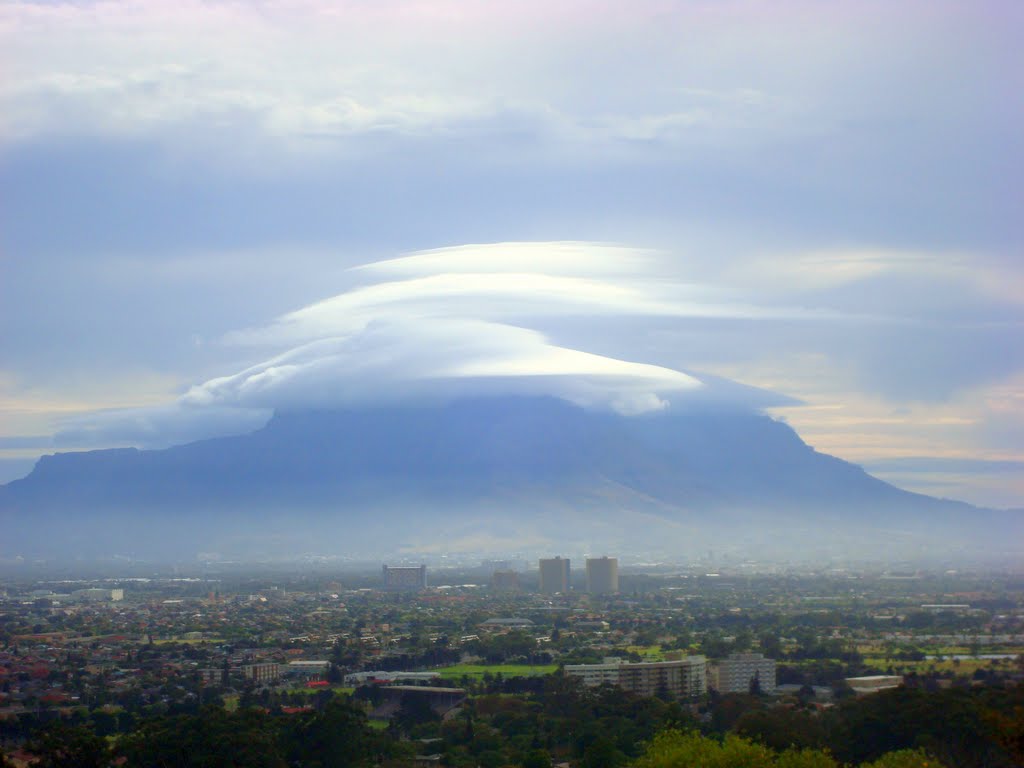
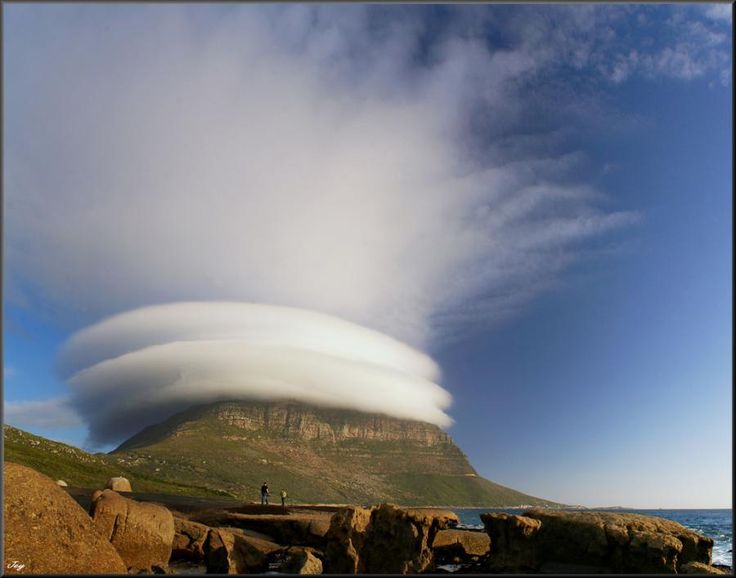
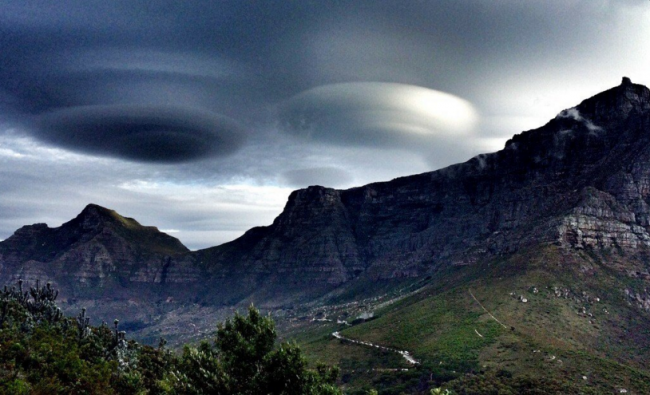
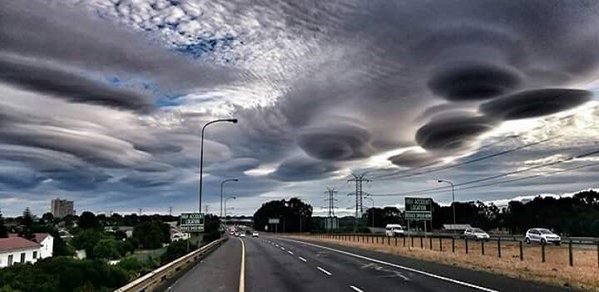
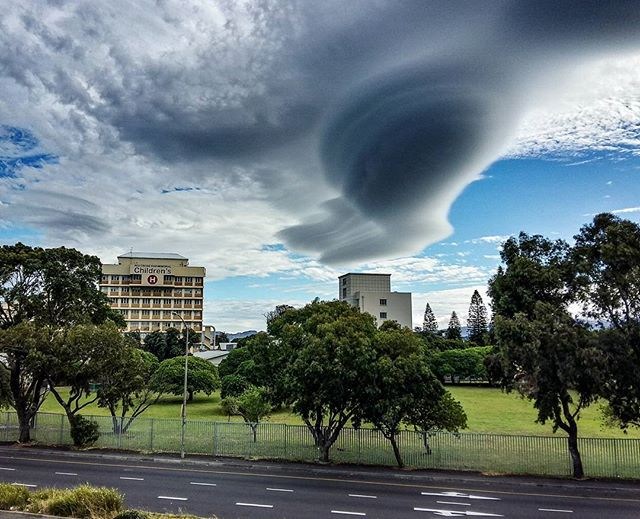
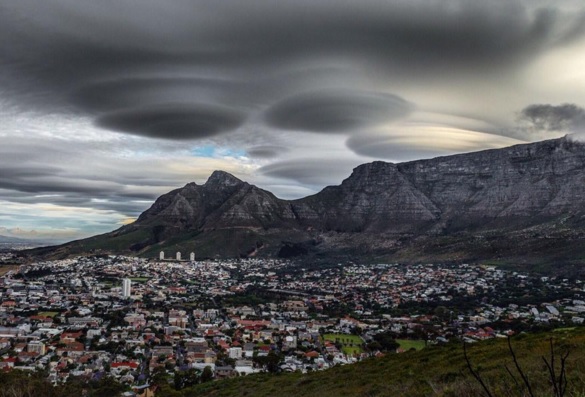
Residents of Cape Town took to social media last weekend posting weird and wonderful photographs of stacked clouds resembling ‘UFO’s’.
Known more scientifically as Lenticular clouds, they created quite a stir! And if you don’t know what Lenticular clouds are, don’t worry, you’re not alone!
Lenticular clouds form when high winds blow over rough terrain, such as mountains and valleys. Scientifically, they are defined as ‘stationary lens-shaped clouds that form in the troposphere, normally in perpendicular alignment to the wind direction. Lenticular clouds can be separated into altocumulus standing lenticularis (ACSL), stratocumulus standing lenticular (SCSL), and cirrocumulus standing lenticular (CCSL). Because of their shape, they have been offered as an explanation for some Unidentified Flying Object (UFO) sightings.’
More common than you think, Lenticular clouds have been regularly confused for UFOs throughout history. They appear as smooth, round or oval lens-shaped structures, often appearing singular or stacked like pancakes.
According to AccuWeather Meteorologist Jesse Ferrell, lenticular clouds are formed when air moves over mountains, cooling sufficiently for condensation to take place. Lenticular clouds are different from other clouds because they don’t move, he said.
‘They are continually reformed over the same location by new air rising up and over a mountain, condensing and producing the clouds,’ Ferrell said.
As a Wildlands Rhino Ambassador, we are not simply paying lip service to rhino conservation. One of the key roles of an ambassador is to share the story of rhino poaching, and elevate it in the consciousness of everybody, as our rhino populations are part of our natural heritage. Rhino poaching needs to be understood as a massive threat to us all, not simply those who are passionate about wildlife and the environment. If poaching isn’t halted, the rhino may simply become a memory or a photograph, a fantasy in our children’s books – and the question is, what next?
Below is an update from Wildlands on the Rhino Poaching Crisis in South Africa as at November 2015
UPDATE ON THE RHINO POACHING CRISIS – NOVEMBER 2015
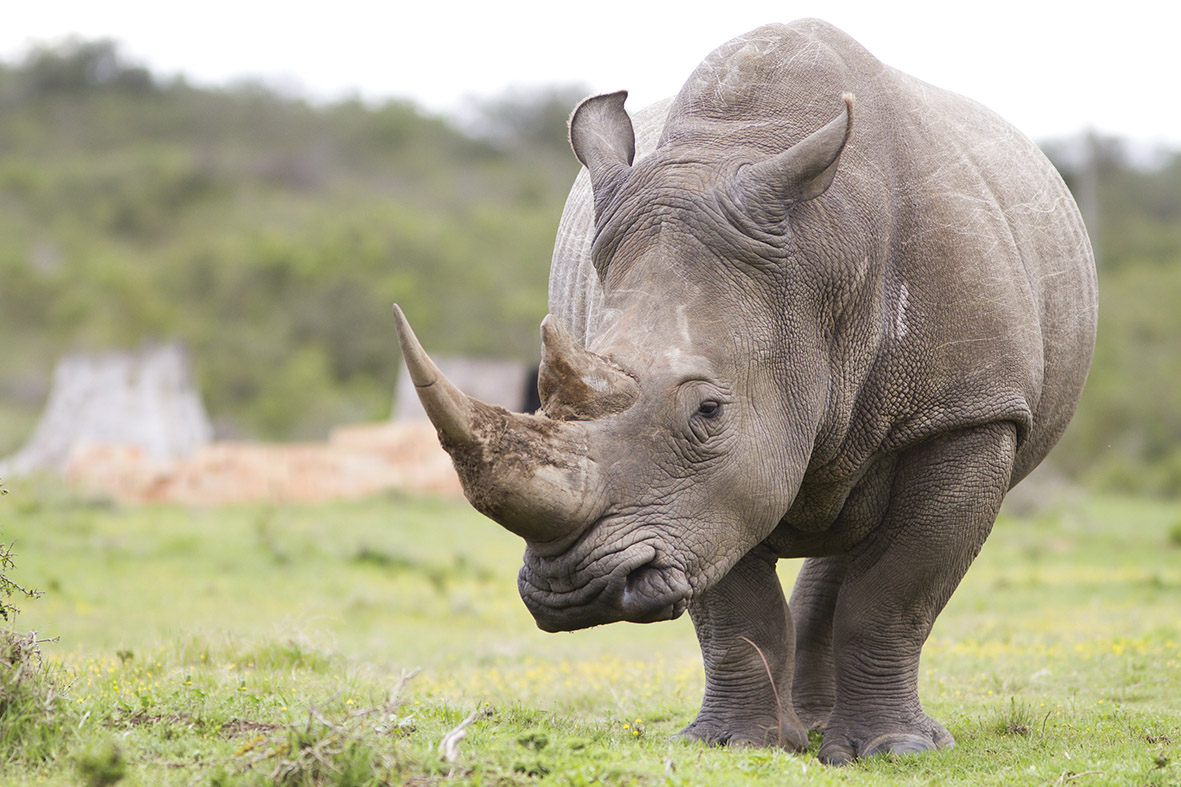
With 2 months of the year left, we have already lost more than 950 Rhino to illegal poaching. The exact number is not known as there continues to be very little information provided from a national point of view. In KwaZulu-Natal, we have breached the 100 mark for the year (102 Rhino poached as of 5 November, including 89 White Rhino and 13 Black Rhino), which is the highest number of Rhino poached ever in a single year in KwaZulu-Natal. According to Dr Richard Emslie (member of the IUCN SSC African Rhino Specialist Group), it is estimated that at least 1314 will probably be lost during 2015, using the current rate of Rhino poaching. Looking broader than South Africa, it is currently being estimated that just over 1500 Rhino will be lost throughout the whole of Africa, indicating the extensive poaching focus in South Africa, which amounts to 4,12 Rhino lost every single day!
LATEST NEWS – CAN FARMING RHINO ASSIST THE PRO-TRADE LOBBY?
In August 2012 TRAFFIC published a report: ‘The South Africa – Viet Nam Rhino Horn Trade Nexus’ highlighting Vietnam as the primary driver of the current Rhino killing spree and the key users groups. It took about two years, not until around mid-2014, for the South African and global media to move from talking about China, traditional Chinese medicine, aphrodisiacs and a 2000 year old culture to finally start talking about Vietnam, status symbol, detox drink and a relatively recent emerging use.
So, the debate continues around the pro-trade / anti-trade lobby, with the pro-trade lobby highlighting the easy of ‘’farming’’ Rhino for their horn. However, research in Asian counties demonstrates that wild animals are considered to be more strength-giving because they have to fight for resources and therefore have greater energy (Chi) and to be ‘pure’ because they eat naturally occurring foods as opposed to farmed animals. The horn that comes from farmed Rhinos isn’t seen as powerful or status giving as the genuine wild article; it is not considered a substitute product by the people who can afford to buy wild Rhino horn. This has been confirmed in several articles who have indicated that Vietnamese don’t want horn from a farmed Rhino and they would pay to get the wild ‘product’. Remember, even as a status symbol Rhino horn is ingested via the so called ‘millionaires detox drink’; a businessman will take it at the end of a networking evening and, as host, will offer it to the peer group he is trying to impress. So its perceived strength/purity is considered important. To further support the notion that these wealthy buyers of Rhino horn don’t see farmed Rhino horn as a substitute product let’s consider the example of the Pangolin – believed to be the world’s most hunted creature and a favourite dish for Vietnam’s wealthy elite. People who farm Pangolins scratch and damage their scales before selling them to restaurants, so they look like they have been taken from the wild. Finally, if you would like additional evidence that the Vietnamese, who can afford to pay for horn from wild Rhino, are not interested in a farmed product. So again, while the demand for Rhino horn remains, the poaching of Rhinos from the wild will continue; farmed Rhino will not help as it is not seen as a substitute product by the Vietnamese elite who can afford genuine, wild Rhino horn.
YOUNG RHINO AMBASSADORS TRAVEL TO VIETNAM
Through the support of the World Youth Rhino Summit, and the #RhinoShoutOutChallenge, a group of South African youth rhino ambassadors – along with Grant Fowlds and Richard Mabanga (dressed in Zulu regalia) – and armed with the WORLD YOUTH WILDLIFE DECLARATION, are currently in Hanoi, Vietnam.
The World Youth Wildlife Declaration has spent the last 12 months travelling South Africa and other countries, collecting thousands of signatures and messages from concerned citizens, ranging from rural school children to global leaders, with a clear message calling for an end to Rhino poaching and all forms of wildlife crime. Notable signatories include Archbishop Desmond Tutu, Dr Jane Goodall, the late Dr Ian Player, representatives from the South African Department of Environmental Affairs, private and state Rhino owners and US government officials.
The team have been in Hanoi for a week now and thousands of Vietnamese youth and dignitaries are adding their messages of support to the Declaration – it’s a world-first. Leading signatories already include:
– Mr Ted Osius – US Ambassador to Vietnam
– Mr Vu Minh Ly – Director of the Vietnam Communist Youth Union
– Mrs Kgomotso Ruth Magau – South African Ambassador in Vietnam
– Mrs Marina van der Westhuizen – First Secretary Political Ambassador, South African Embassy
– Mr Matt Matiwane – Councillor Politic, South African Embassy
– Mrs Hoang Thi Thanh Nhan – Minister of Natural Resources and Environment Administration
Leaders of the Vietnam Biodiversity Conservation Agency
Hosted by Operation Game Change, the delegation’s action-packed daily programme around Rhino horn demand reduction has already included visits to schools, universities, embassies, environmental agencies and youth leaders. The support from Vietnamese host families, government agencies and media has been overwhelming. The energy of our youth team and the African cultural elements that they are showcasing have been like a magnet for the paparazzi: in particular, Richard and Phelisa have been traffic-stopping hits! We need to keep this type of youth-focussed Africa/Asia energy going into the future.
Keep up to date – follow the team members’ daily blogs and video clips of their awareness-raising efforts via our Facebook pages: http://www.facebook.com/projectrhinokzn and http://www.facebook.com/YouthRhinoSummit
INTERESTING INFORMATION
Click here to watch Prince William’s Sky News address to the people of China on the illegal trade in rhino horn and ivory: https://www.youtube.com/watch?v=xJIY0LLOrRw
Governments are frequently criticised by the travel industry for introducing policies that impede tourism growth, so when they get it right they should be congratulated.
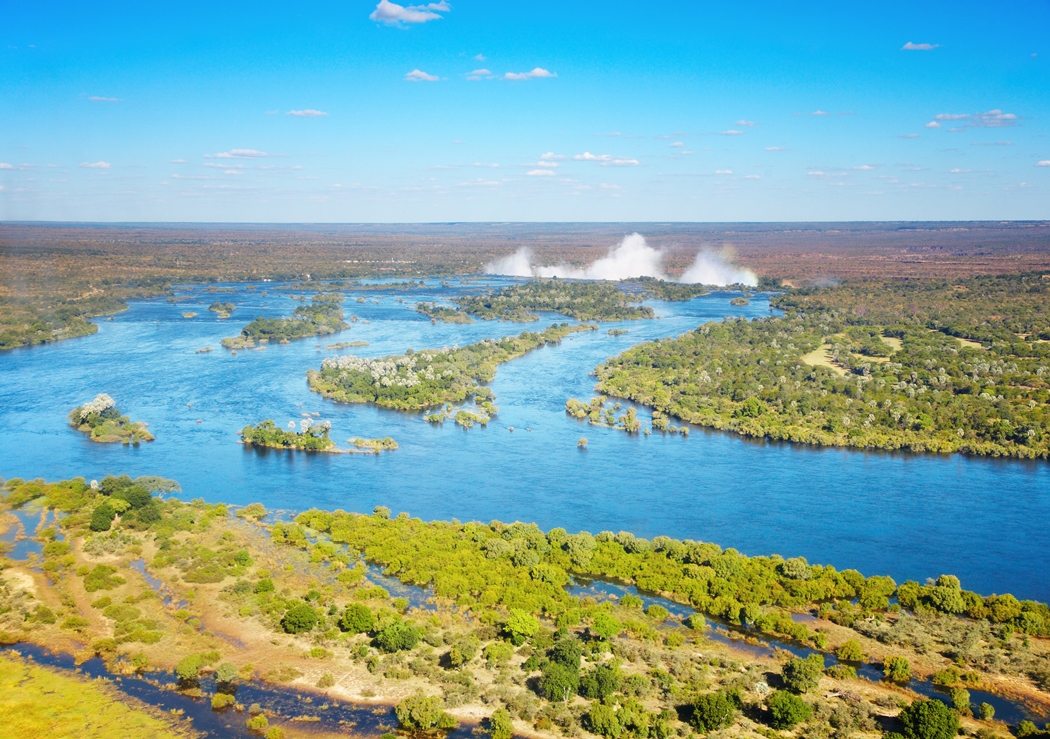
The new uni-visa, jointly introduced by Zimbabwe and Zambia, is such a development. It fundamentally changes how we in the travel trade can sell Victoria Falls to offer the best possible experience and value to visitors.
Traditionally this destination has been generally a matter of making a choice between the Zambian option and the Zimbabwe option. Due to complicated and expensive visa requirements, border delays and time pressures, this has meant that most international visitors tend to opt for one side or the other.
Despite the wonderful variety of wildlife and adventure activities that exist in both these countries, the main reason people visit the destination is to experience the magnificence of the Victoria Falls.
However, anyone who does not view the Falls from the Zimbabwe side during the drier months simply misses out on the glory of the Falls experience and anyone who doesn’t see the Falls from the Zambian side in the wetter months – or doesn’t participate in a Livingstone island trip and swim in the Devil’s Pool – is being denied a lifetime experience.
The uni-visa certainly opens new opportunities for a finer tourist encounter with one of the natural wonders of the world, but it also presents some further challenges to the stakeholders.
To the governments of Zimbabwe and Zambia – well done for recognising the need for this development – but now please go a step further and introduce a uni-parks entrance fee that allows seamless, hassle-free entry to both sides of the Falls.
To the ground-handlers – you need to introduce easy scenic packages that tie both sides of the Falls together – while ensuring the extended journey a cool, fun and stress-free crossing, leaving visitors comfortable and suitably refreshed to enjoy the entire visual experience. What visitors don’t need is to feel hot, bothered, fatigued and harassed by border delays and random vendors.
To the tour operators and agents – we need to change the traditional program and encourage our clients to experience the Falls from both sides – offering greater value for these customers on the scenic, safari and adventure activities, and dining alternatives that the uni-visa now facilitates.
For our clients – it’s all about the experience – whether they choose cheap and cheerful accommodation or expensive and luxurious habitation. The challenge is to get your customers out of the hotels and into the plethora of scenic, wildlife and cultural encounters that the golden triangle (Victoria Falls, Livingstone and Kasane/Chobe) has to offer.
It is these experiences that customers cherish and remember, and their enthusiasm will garner further clients even more effectively than the glossiest of printed brochures!




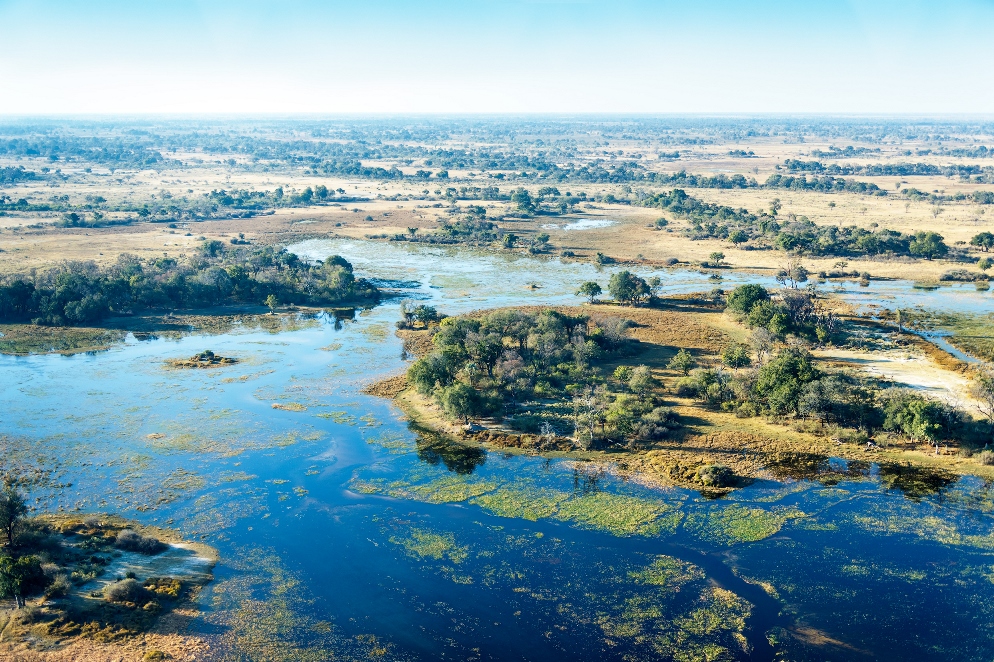 Situated in the central and eastern areas of the Okavango, it boasts one of the richest and most diverse ecosystems on the continent. With the reintroduction of the white and black rhino, the game reserve is now also marketed as a Big Five experience destination.







 thompsonsafricadbn