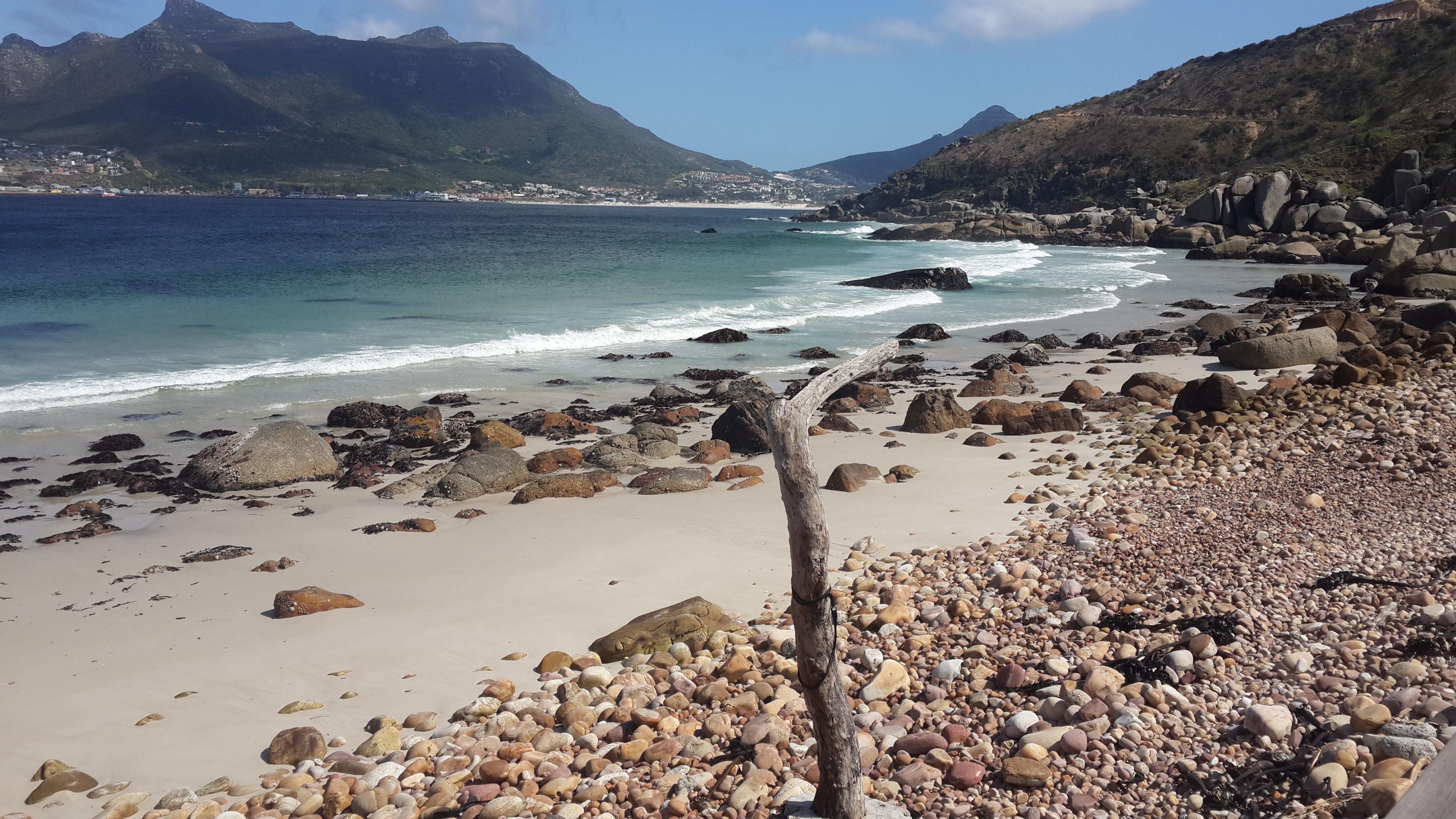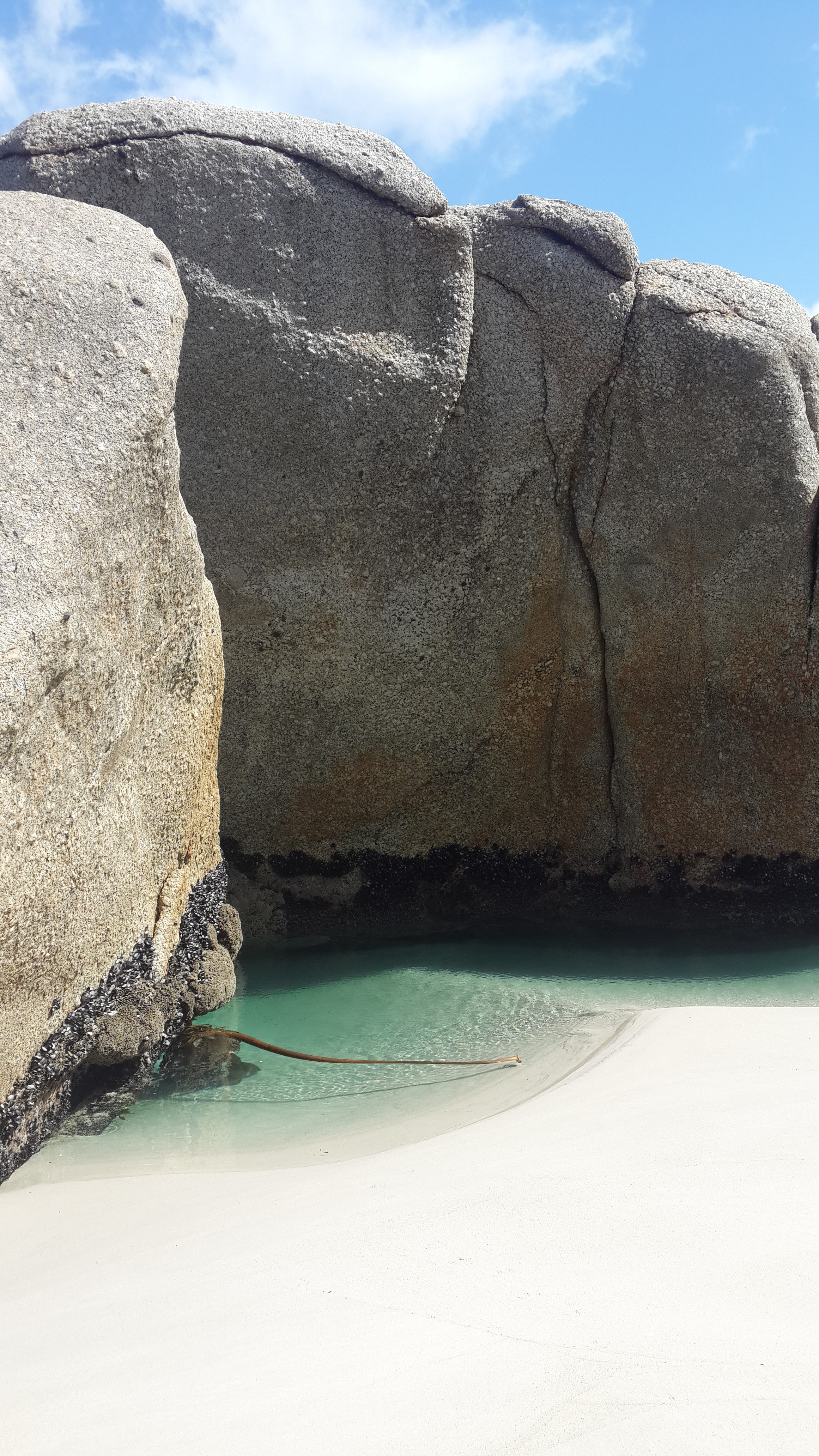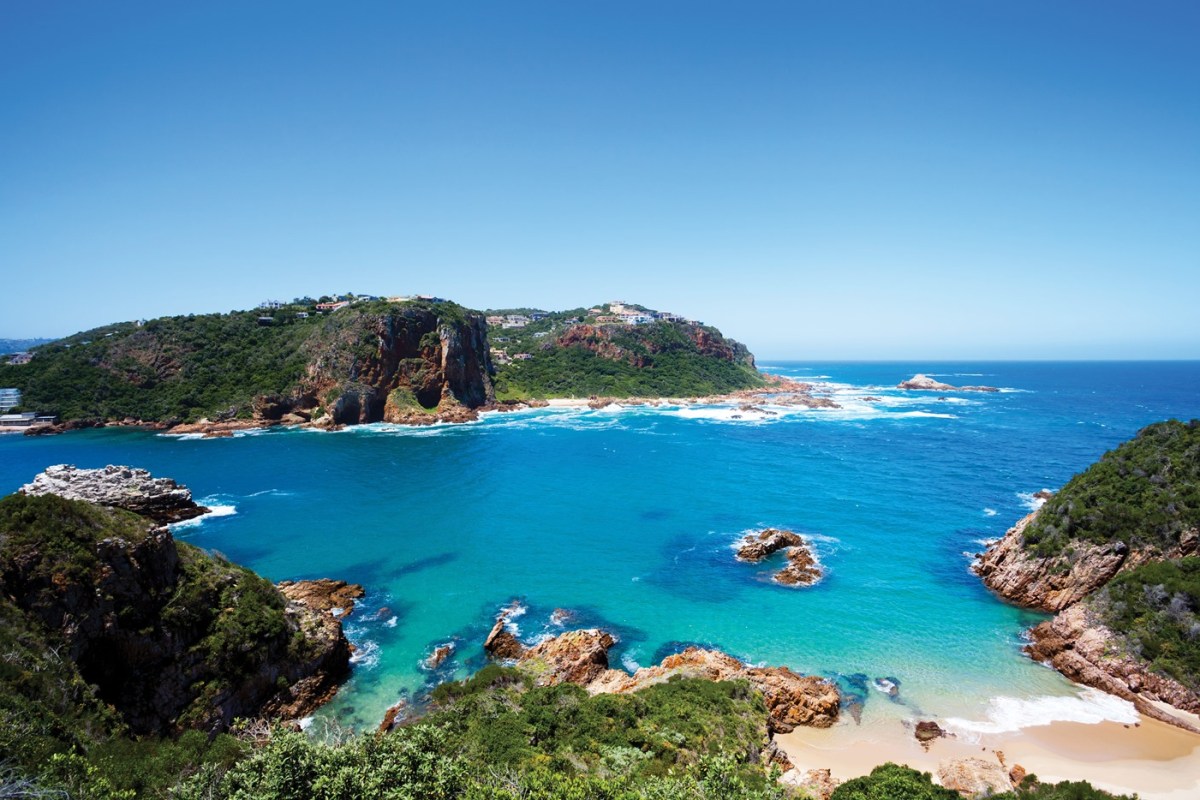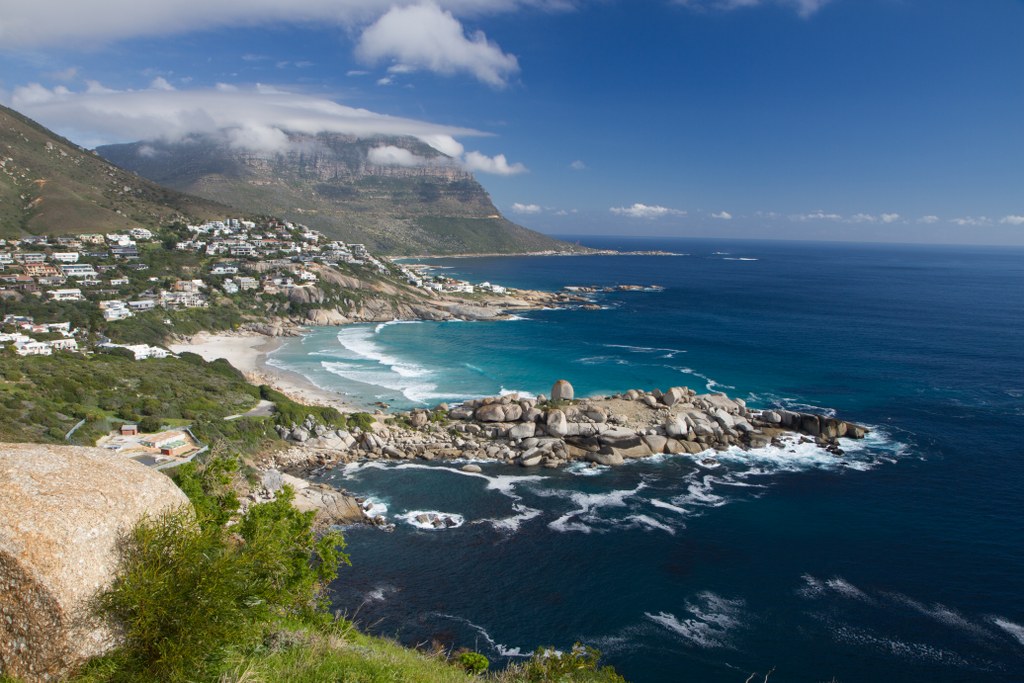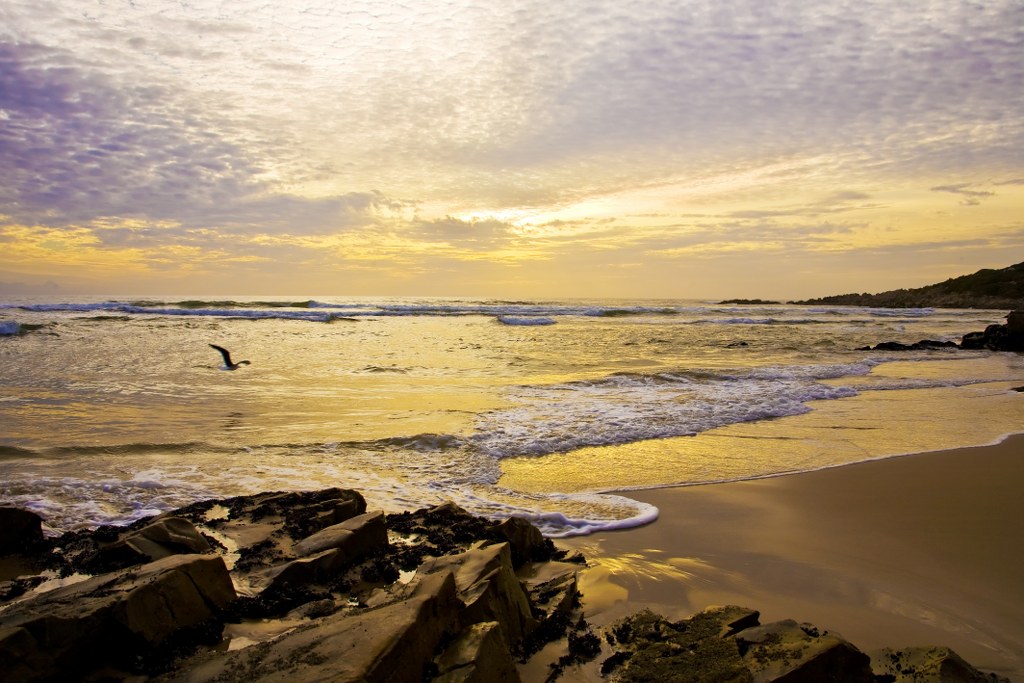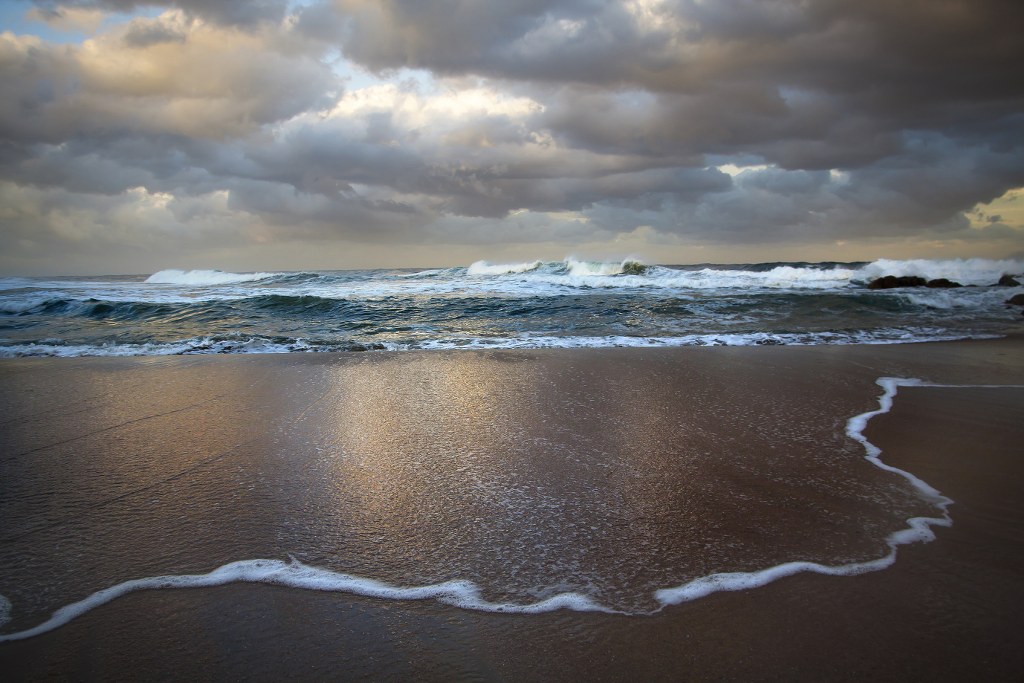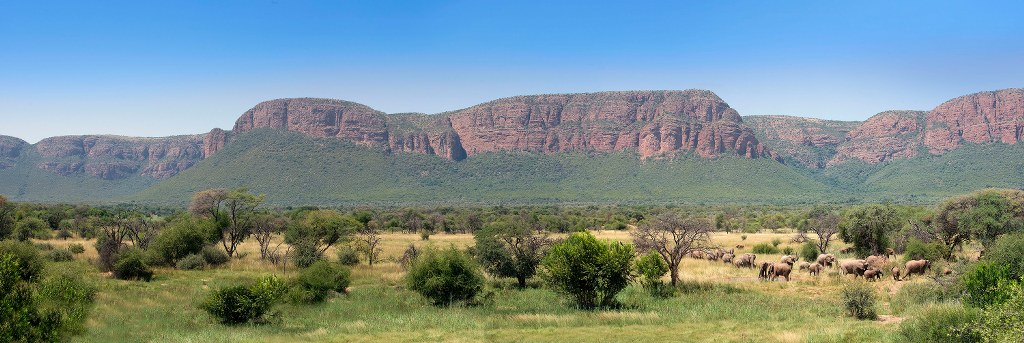
MORE Launches GORGEOUS Marataba Trails Lodge Video! #wanttobehere

View the stunning footage:  https://youtu.be/6fTB7Dv2yFc

Marataba Trails Lodge was designed and created for seasoned hikers who are looking for diverse and challenging trails in a spectacularly beautiful big 5 private reserve where a rich abundance of wildlife roams free.

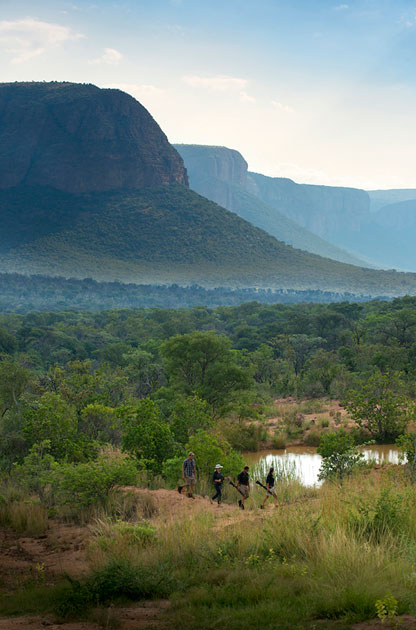
Marataba Trails Lodge is perched on the side of the mountain, with 180degree views into Waterfall Valley. It is utterly remote, in a wilderness world of its own for never more than 8 guests at a time. The original brief to the architect and interior designer was simple. Every stone, ledge, window, piece of furniture and soft finish had to take its cue from the natural environment. The essence here is on the outside, and the lodge had to complement and enhance that – not compete with it. But at the same time every comfort had to be met, and no compromise was to be made on the quality of every single element a guest would encounter through their senses. Only the finest of materials (from timber to cotton sheeting) were to be used, and carefully put together in imaginatively simple ways. And finally, to respect the earth.

The result was an off-the-grid ‘Scandi-Safari’ style luxury lodge perched lightly on the earth and fully powered by the sun’s energy. Those seeking a digital detox will find it here.
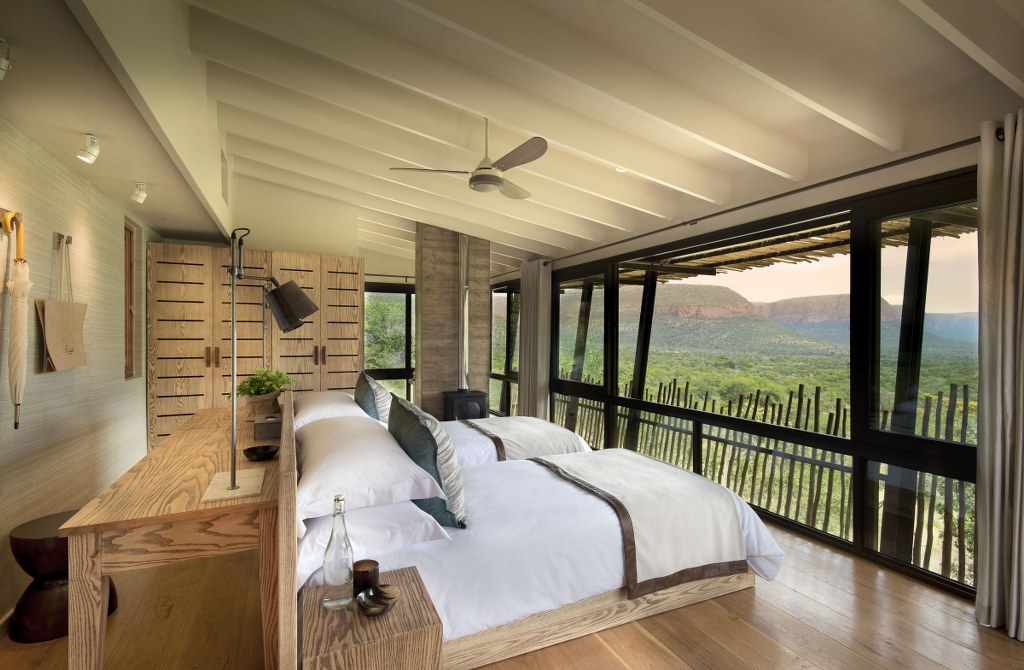
trailslodge-130322_1024x670

MARATABA TRAILS LODGE, QUICK FACTS

  • 5 Luxury Suites for 8 guests
  • Children of 16 and older welcome. (Strictly no under 16 policy)
  • Open plan lounge and dining area
  • Full range of dietary preferences catered for
  • No electricity, but limited solar power available

The lodge is cleverly situated on the hillside at the bottom of Waterfall Valley. It is surrounded by mountain streams, the source of the Matlabas River (which flows into the mighty Limpopo River, and eventually into the Indian Ocean).

The area surrounding the lodge has sweet savannah grasslands in the valley below, and broadleaved sour veld habitat on the hills above, while some of the gorges are filled with riverine forest habitats.

All units have spectacular views down into Waterfall Valley, which is particularly magical at sunset!
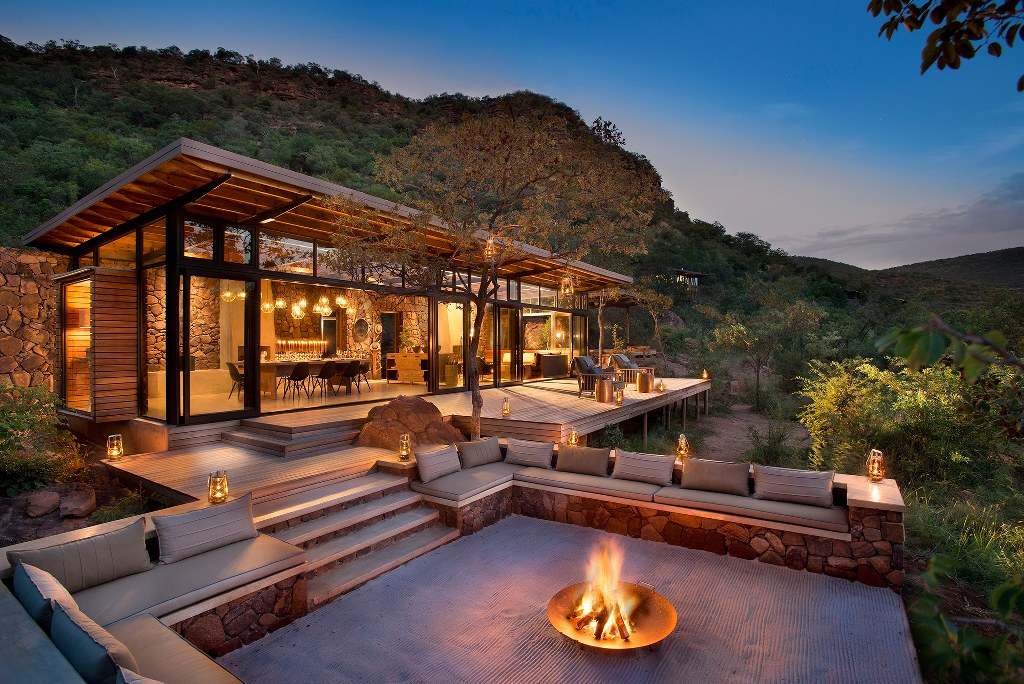
trailslodge-130119_1024x684A TYPICAL FULL DAY AT MARATABA TRAILS LODGE

  • There will be an early start to the day prior to meeting in the main lodge for a coffee and pre-trail snack. This early trail will be the longer (3-4 hours) of the two trails of the day. Trail options will be discussed and agreed to the night before. A mid-walk refreshment break will be offered at one of the stunning view or points of interest.
  • On return to the lodge a sumptuous, healthy breakfast will be served before walkers get the chance to relax, read, snooze, sketch, paint and just be at one in the camp. They can even avail themselves of a complimentary foot & hand massage!
  • A light lunch will be served at the lodge before a recommended afternoon nap!
  • The shorter afternoon walking trail starts after a snack – these walks include water holes with hippos, vantage points and short gorge walks.
  • On return to camp, a special sundowner is offered prior to heading to an interactive experience in the BOMA where guests will learn about the intricacies of cooking “bush style”
  • After dinner there are stories around the fire – including local legends, traditional tribes of the region and astronomy.

In winter one of the two full days will be swopped around with a lie in, later breakfast, followed by one long walk and a picnic, returning to camp mid afternoon for some R&R.

Departure Day

  • Guests will have the option of heading out on a short two hour trail or having a relaxing lie in. The trail taken will be of a gentle nature so as to let the guests “take it easy” before their onward travels
  • A final “Trails Breakfast” will then be served at the lodge.
  • A chance to freshen up, pack up and take in the incredible views for one last time
  • Guests will then be transferred by their guides back to Marataba Safari Lodge for onward travel, arriving back at the lodge at 11:30
trailslodge-130336_513x768

WHAT TO BRING

  • A pair of hiking boots
  • A pair of gaiters
  • A light weight rain jacket
  • A hat
  • Sunglasses
  • Sunscreen
  • A back pack/ camel bak (for personal items and water)
  • A camera

BEST TIME TO TRAVEL

  • This is a year-round trails destination where experience is varied based on temperature rather than wildlife sightings.
  • The best bird-watching is from October to April.
  • Winter trails leave from the camp later in the morning and earlier in the afternoon to make the most of the winter sun.
  • Summer trails take place early morning and late afternoon so as to escape the heat of a typical African day in the bush.

OUR GUIDES

Our Guides are senior trails guides with years of experience in leading guided walks in Big 5 territories. Not only are they fully qualified to lead these walks, but they have been carefully chosen on their personalities and how they are able to interact with guests. There are two senior trails guides at all times. It is imperative that there are two guides on every walk, no matter the number of walking guests. The maximum amount of guests we can walk with at one time is eight.
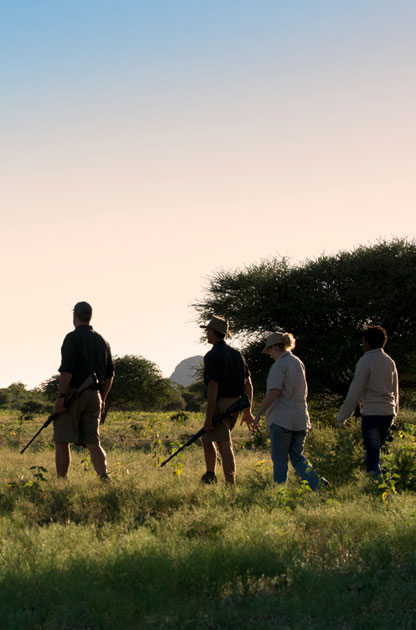
Walk-Giraffe-Expandible

ABOUT THE RESERVE

Marataba Reserve is one of the most spectacularly beautiful places we have seen, and we were left breathless when we first took it all in. Rich red mountain rock bears down on the verdant plains at its feet, and it is not hard to imagine a time long past when Stone Age settlers sought refuge in the sanctuary of Marakele.

Some of the interesting areas to explore include:

  • Pinnacle Iron Age Ruins
  • Bushman’s Gorge

Contrasting mountain landscapes, grass-clad hills and deep valleys characterize the park. Rare finds of yellowwood and cedar trees, 5m high cycads and tree ferns are some of the plant species you will find. All of the large game species from elephant and rhino to the big cats, as well as an amazing variety of birds (including the largest colony of endangered Cape vultures in the world, with between 600 and 800 breeding pairs) have settled here.

UNIQUE ASPECTS OF MARATABA’S WALKING TRAILS

  • The Marakele Reserve is unique in respect of topography, flora and fauna.
  • Walking Marataba offers the only Malaria-free Big 5 walking trail in South Africa.
  • The variety of terrain and vegetation makes for a unique walking experience every time you leave the camp.
  • These are true wilderness trails, with no sign of civilization. It’s just you and the wilderness.
WALK_Expandible-Recovered

Tintswalo Atlantic by Janine Southwood

Last week I was invited to Cape Town for the re-opening of Tintswalo Atlantic. This lodge belongs to Ernest and Gaye Corbett and Warwick and Lisa Goosen who also own Tintswalo Waterfall and Tintswalo Lodge in the Manyeleti . The hotel was completely burnt down in the fires earlier this year and has taken 7 months to rebuild and get back on their feet ready for the high season ahead.

It took me around 30 minutes to get to Tintswalo Atlantic from Cape Town City bowl. It was a beautiful drive passing Camps Bay, Llandudno and through Hout Bay. The lodge is located within the Table Mountain National Park. I dropped my car off at the top, and similarly if you were being transferred you would wait here while a vehicle is sent up to collect you. The drive down to the lodge itself is steep and windy.

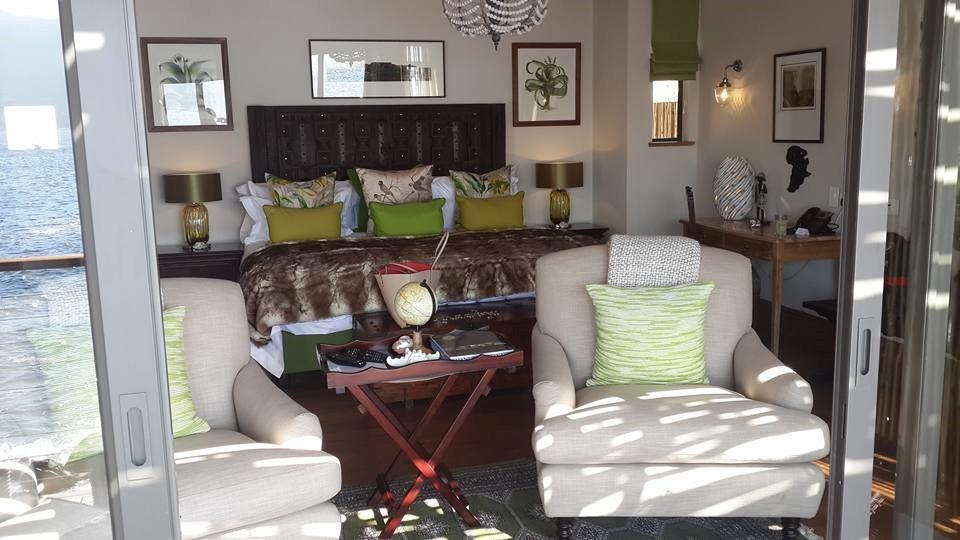
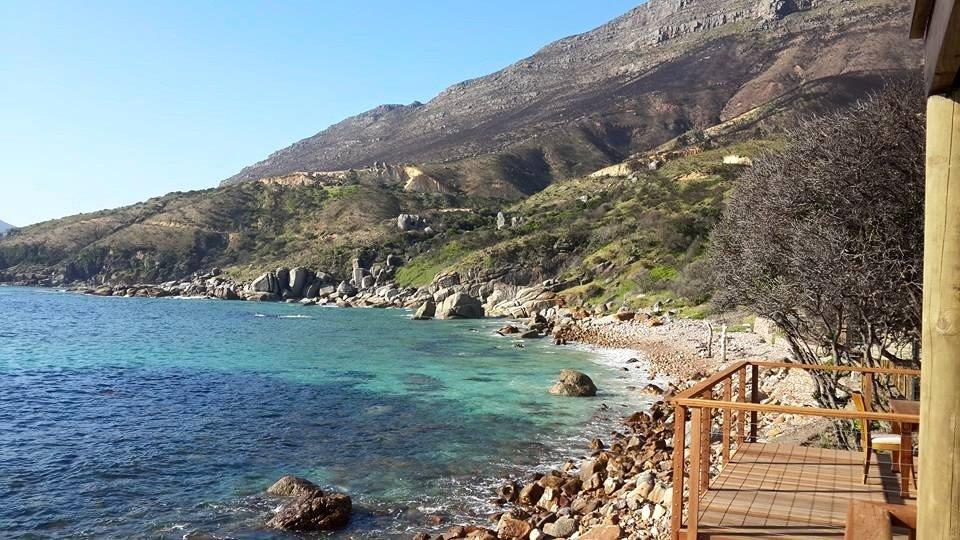
11220793_10153095516916176_622632491861653296_n 12191977_10153095516791176_524563254581153029_n

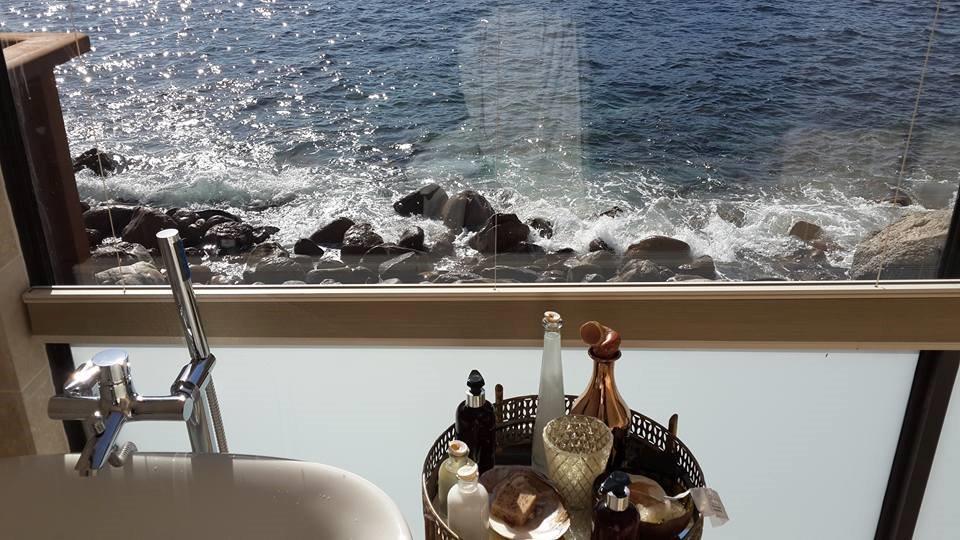
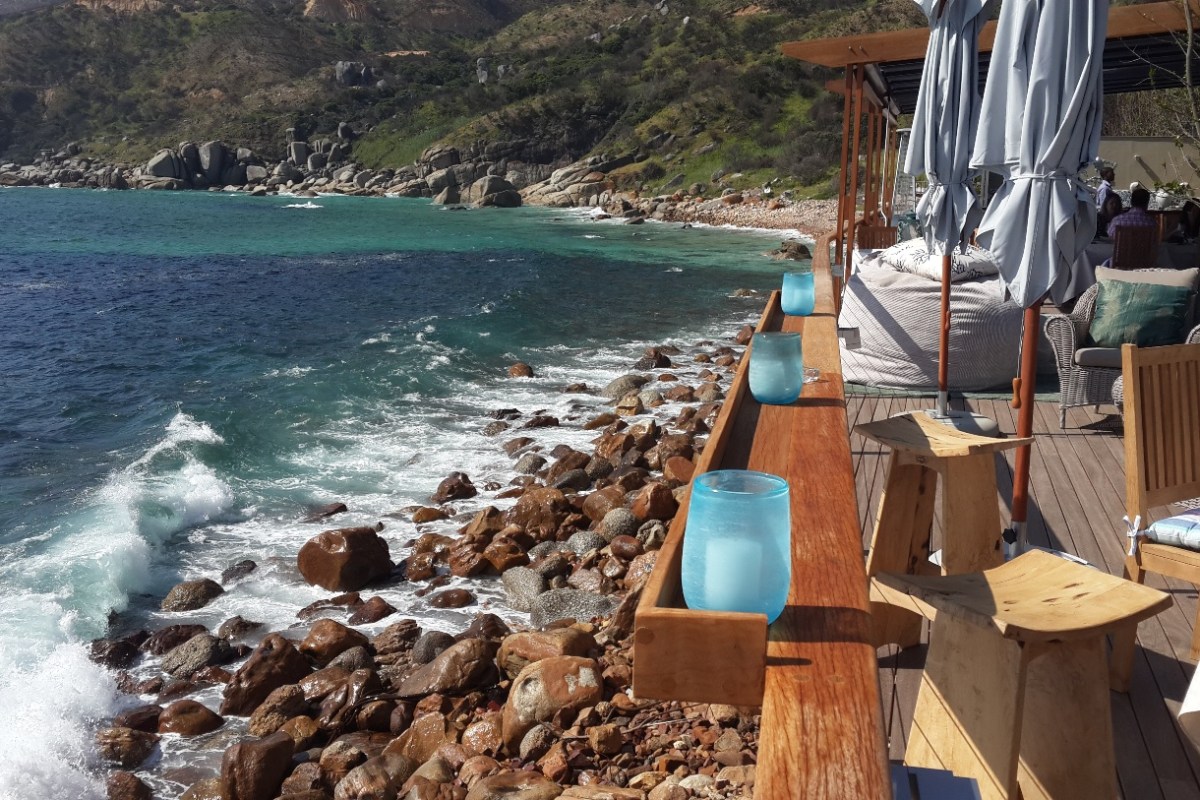
About a kilometre down you will find the most gorgeous lodge – tucked away between the curves of the Chapman’s Peak Mountains. It is totally hidden away and you are truly isolated. The lodge faces the bay of Hout Bay and the sound of crashing waves against the rocks literally beneath the hotel is consistent and mesmerising.

The reception is in the little shop as you arrive – The hotel is made up of 10 individually decorated suites and a presidential suite. Each suite has a unique design and theme. All suites are sea facing and right on the shoreline however Presidential suite is a level up and more secluded.

Robben Island (my room) – this room pays tribute to of course, Nelson Mandela. It has very calming colours yet quirky and hip.

Princes Island – There are a total of 9 islands in the northwest sea of Marmara known as the Princes’ Islands (around Turkey region) – use of colours are terracotta and clay.

Antigua Island – As the name says this room has very Caribbean “shabby-chic” theme – bright blues and yellows.

Madura Island – Dark colours depicting the Balinese Islands so blues and browns.

Cousine Island – Cousine Island is a Seychelles Island famous for the beautiful species of shells, fish and marine life. Lots of aqua colours.

Sante Marie Island – Santé Marie is a beautiful Island off the coast of Madagascar. No blue in this room but lots of glass and light. Most feminine suite.

Sicily Island – Most famous Italian island, this suite pays tribute to classic Italian Style.

Lamu Island – Lamu Island is a Swahilian Island just off the East coast of Africa and formerly a penal colony. The interior is fun, natural and organic – a distinct African feel.

Ithaca Island – Ithaca Island Suite takes its name from the Greek Island and represents the country in classic Grecian style. Has a crisp, minimalist feel with blues and indigo look and feel.

Zanzibar Island – as name says, again an East Africa look and feel. It has a vibrant historical look. (This suite is a wheelchair friendly room).

Presidential Suite (Elba and Corsica) – this suite consists of 2 island suites joined by a common living area. It is decorated in classic Atlantic style.

Although located about 30 minutes out of town, guests are privileged to the most beautiful scenes with Hout Bay Mountains and bay area. Whales and dolphins do visit the bay (whales from around late July to November but spotted often through to February). The location of the hotel is most definitely unbeatable. It is recommended for guests looking for exclusivity and privacy and is ideal for honeymooners. They do take children however I wouldn’t suggest it as it is a very quiet hotel and not much to do for children.

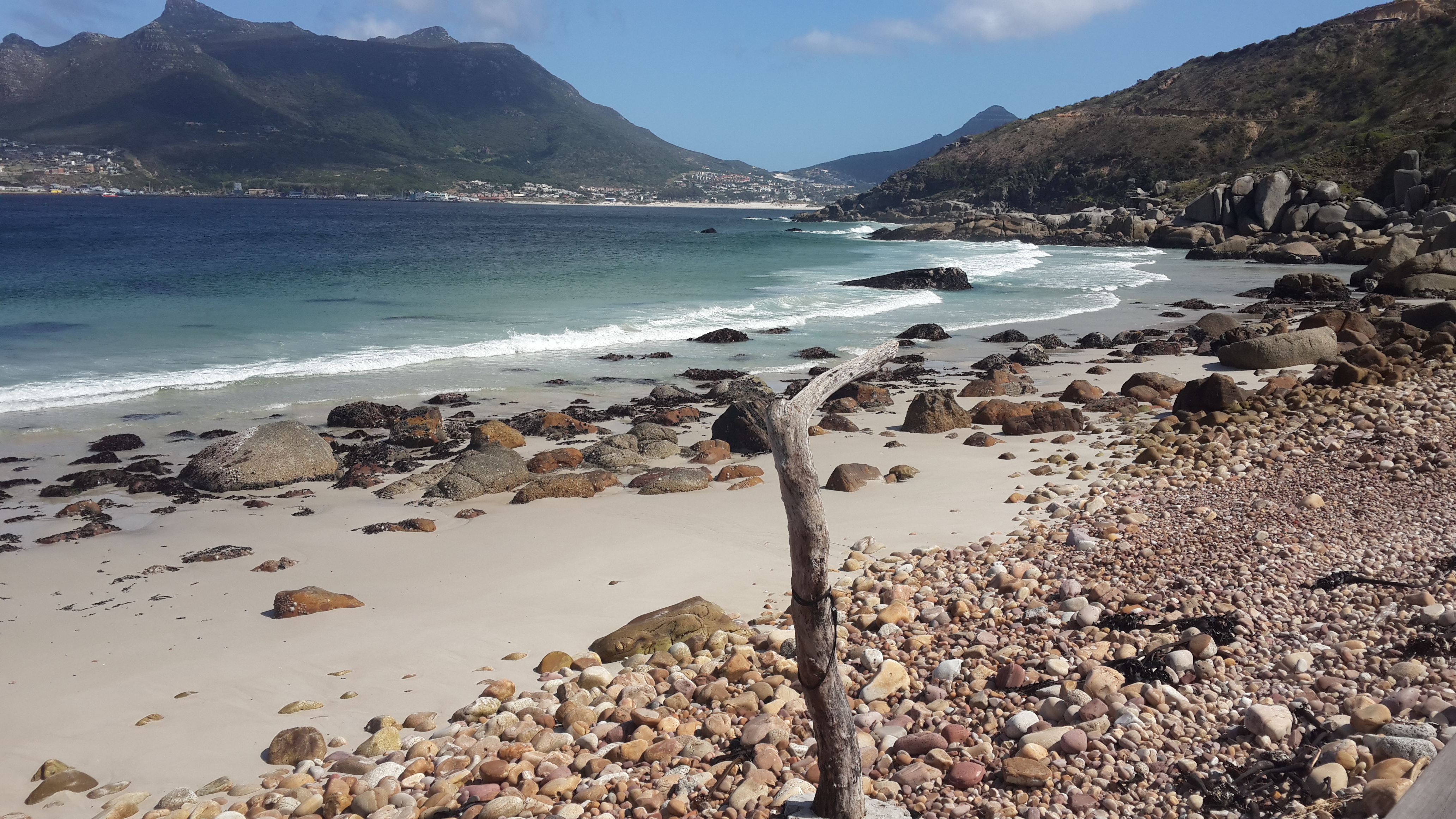
When the tide goes out, you can walk a little in front of the hotel and you will be re-introduced to our beautiful natural beaches and so untouched, no litter… just crabs and shells, mussels, rocks.

20151029_095530 11216580_10153095516841176_8984239043882911446_n

On the 2nd evening I returned after a dinner in Camps Bay and was waiting at the gate for my courtesy vehicle to take me back down. I looked out towards Noordhoek and it was absolute darkness, not a light in sight – just the natural night light. Noordhoek was hidden by one of the Chapman Peaks mountains. The feeling was quite eerie knowing how the first settlers to Cape Town must have felt. So although so close to Cape Town, this hotel is really isolated and uninhabited and absolutely unforgettable and a true gem.

                     20151029_095530        20151029_100624

The management couple, Ryno and Melissa, have been there for around 8 years so are very much a part of the Tintswalo family – so accommodating and professional. Nothing is a problem and anything can be arranged.

Janine Southwood – Head of Luxury Collection (Thompsons Africa)

Inspirational Garden Route – Boutique Guided Journey

Thompsons Africa’s 6-day ‘Inspirational Garden Route’ Tour is a leisurely, expertly-guided journey that explores some of South Africa’s truly unique, unrivalled, scenic beauty and life-changing experiences through Cape Town, Stellenbosch, Hermanus, Outshoorn, Tsitsikama and Port Elizabeth.

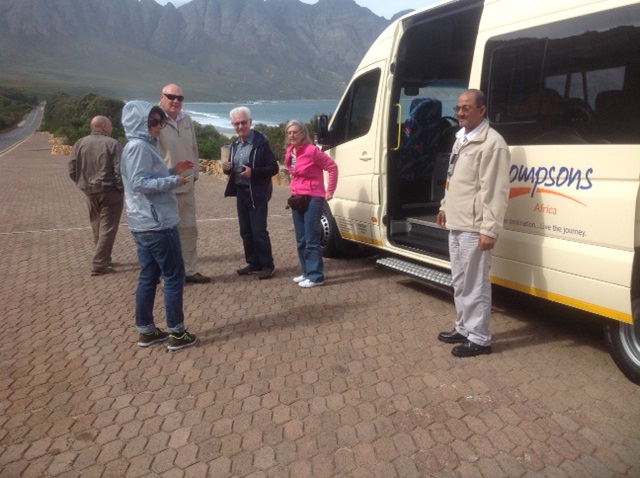
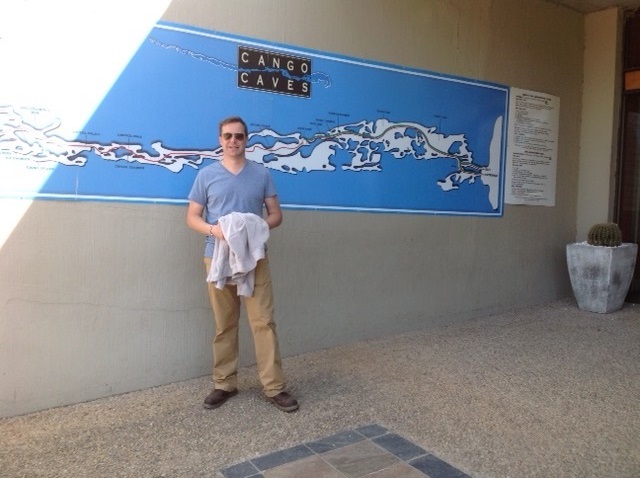
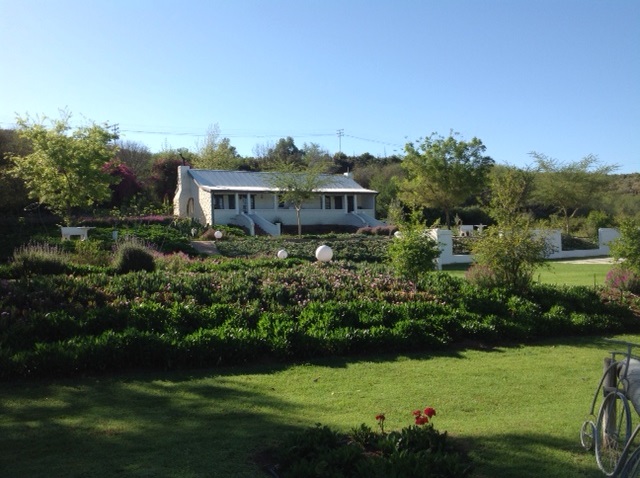
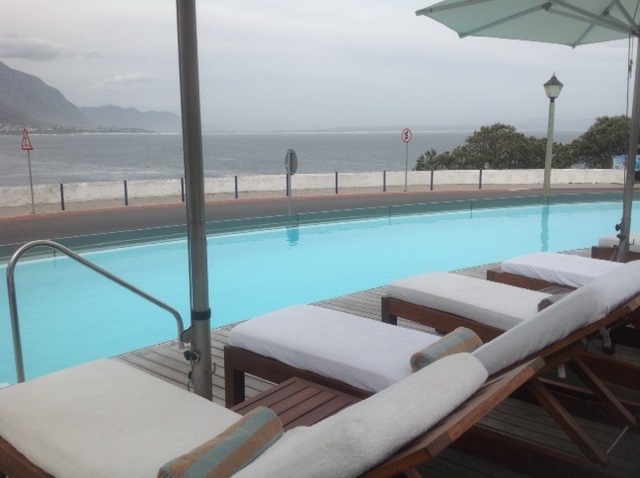
Outeniqua Pass with George in the background Thompsons Africa Guides Whale Coast drive en-route to Betty's Bay Cango Caves 2

A distinctive feature of the Tour is its carefully-selected boutique accommodation, where each property has its own specific individuality and style, offering superb service, fine-dining and some of the best wines South Africa has to offer. The Tour is limited to a smaller group of Guests, catering to a more personal experience.

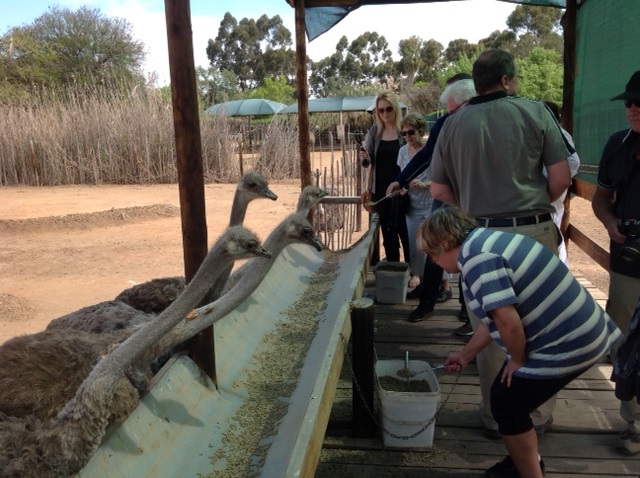
Included are the exquisite Cape Floral Kingdom, one of the richest areas of plant-life in the world, as well as ‘Hemel-en-Aarde’, or ‘Heaven on Earth’, one of South Africa’s newest wine routes, with tasting at a boutique winery. Other special highlights are whale-watching in season, Oudtshoorn’s Cango Caves, a guided tour of a working ostrich farm, an ocean safari to view dolphins and seals up close, the Featherbed Nature Reserve and the pristine Tsitsikamma Forest, with a breath-taking walk along the suspension bridges at Storms River Mouth.


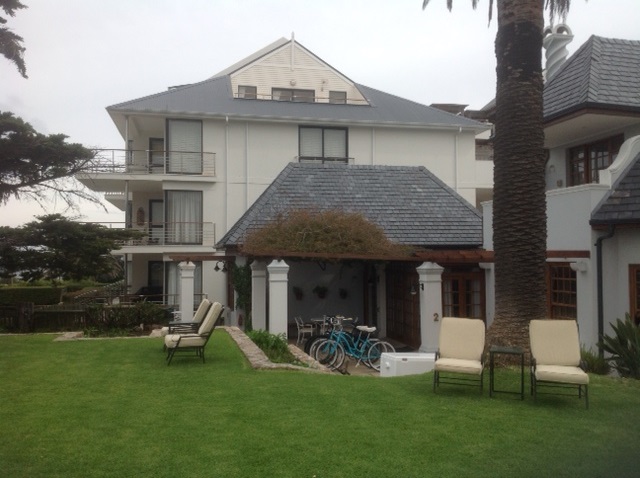
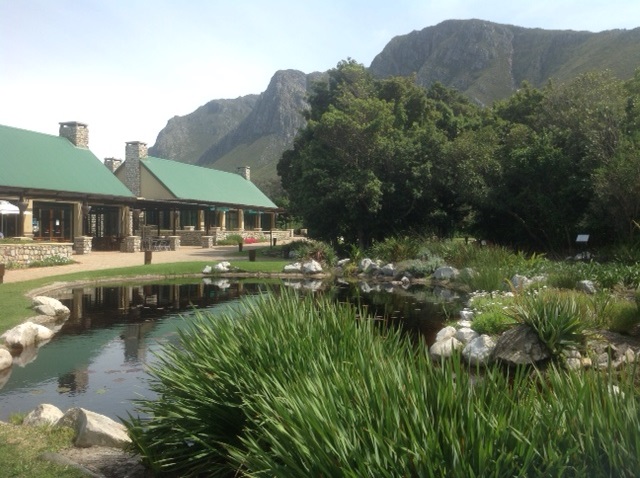
De Opstal Harbour House 1 Harbour House 2 Harold Porter National Botanical Garden 1

Says, Craig Drysdale, who has recently returned as a mystery-shopper, “What makes this Tour special is the perfect combination of ocean and inland viewing, driven at an easy pace, with time to fully admire each attraction and plenty of breathing space to enjoy the facilities at each hotel.”

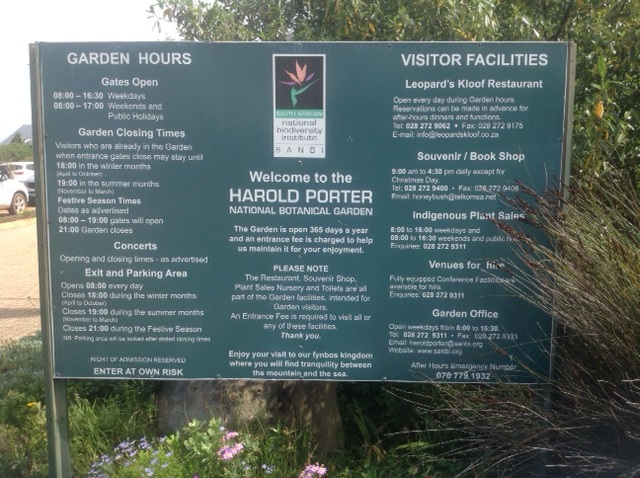
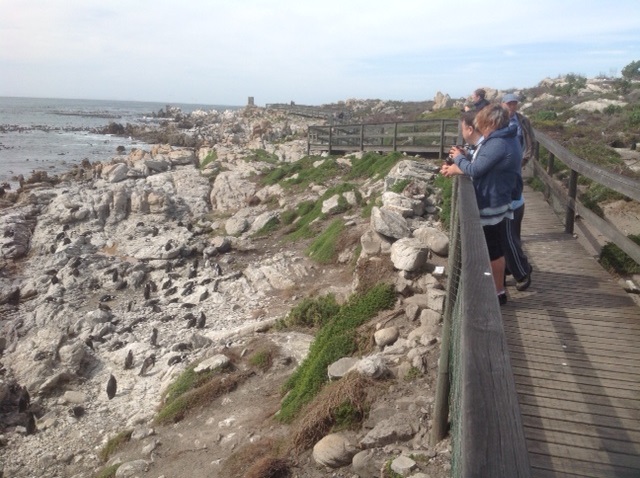
Harold Porter National Botanical Garden 2 Hermanus 3 Safari Ostrich Farm 1 Stony Point Penguin Sanctuary 2

Departures are on a Monday, twice a month, from Cape Town or Stellenbosch, starting from 7 December 2015.

Some Lessons from the World Cup

The Japanese Brave Blossoms (aka the Cherry Blossoms) stunned the rugby world when they beat the highly favoured Springboks in Brighton on September 19th, but they also provided us with a number of valuable lessons.

The first was determination and self-belief. The Blossoms set out to win, not just play on the same field as the Boks. Every scrum, loose ball and line out was contested, and nothing was left unchallenged. Their self-belief was exemplified by eschewing a penalty option for an equaliser in the final moments and instead opting to back themselves to get over a heavily defended game line – which they did.

The second was that the victory was a team effort. Everyone participated in making the outcome happen. And they did so for every single minute of the game.

The third was to sidestep predictability. They set out to do things differently on the field, and do so they did. They challenged the Boks where the South Africans thought they were unassailable – in the rucks and scrums – and prevailed. They got to the loose balls faster than their opponents and they handled the ball with certainty and dexterity. It all added up to a scintillating performance that brought its due reward.

The fourth lesson that this sporting cameo offered was how the underdogs were taken to heart by the rugby-viewing public, including South African supporters, as this excerpt from The Guardian noted: “Back in Brighton, Springbok fans applauded the Japan team on to their bus as they travelled back to their Warwick base. Others shook Japanese fans’ hands and formed a guard of honour as they boarded trains out of the city at the end of a quite extraordinary day.”

And finally, they broke their mould as an also-ran team by preparing hard with a good coach and delivering the goods. This has massively increased their profile both nationally and globally. The victory over the Boks rewrote history for Japanese rugby, it has moved from a third rate sport (behind baseball and football) into the full spotlight of national pride and glory.

So what can we in the South African tourism industry take from this?

In terms of tourism Team South Africa is facing some heavy odds – load-shedding, ill-advised tourist legislation with burdensome paperwork and unforeseen consequences, discouraging media coverage, a tenuous but persistent association with West African plagues, a negative perception due to crime, a teetering national airline, to name but a few.

Does this now mean that we lie down and accept a second rate status in terms of international tourism? Are these odds really that insurmountable? I think not.

Here is where we should take a leaf out of the Blossoms’ book. We need to view ourselves positively despite the setbacks, and sell ourselves positively – with vigour and enthusiasm. We have a great package to offer visitors, but they need to know about it. They need to see us perform, so we have to sharpen our act in the public sphere. Great work mustn’t just be done, it must also be seen to be done – and the optimal way to do that is to give our visitors the best possible experience that they can have. Raise the standards of service so that they are not simply adequate, but excellent. Ensure that the packages deliver everything and more that the brochures promise. Make customer satisfaction a number one priority. And we must do that in every sphere of our game, from our sales through our services to our delivery.

Challenge the odds, don’t accept them. Make the effort, break the mould, commit to the outcome, it will pay off and you will be appreciated nationally and globally. And remember, it is a team effort and everyone must play their part, so get them all on board. South African tourism should be a source of massive national pride and be part of the way we identify ourselves and our country. We deserve no less.
Linda Pampallis – CEO Thompsons Africa

Summary of the Changes to Immigration Regulations South Africa

On the 21st October the Inter-Ministerial Committee (IMC) task team (established to investigate the effects of SA’s controversial immigration regulations) recommended that the requirements be revised.

Below is the official Cabinet Statement, which includes the details of the IMC’s recommendations:

Statement on Cabinet meeting of 21 October 2015
23 Oct 2015
Cabinet was briefed on the progress on the Inter- ministerial committee on Immigration Regulations which was led by the Deputy President.
The President had set up this IMC so as to investigate the unintended consequences that were raised by the stakeholders in the tourism sector. Having investigated and explored areas that can be adjusted to deal with both the security consideration and the unintended consequences the IMC made the following recommendations.
Application in person:
Concessions that will take effect within the next 3months.
– Countries where no South African missions exist, the Department of Home Affairs (DHA) will accept applications sent by post.
Thereafter, the biometrics and photos of those travellers will be captured on arrival at ports of entry. This concession will only be applicable to visitors/medical Visa.
– The DHA will implement the biometrics (including fingerprints and photos) at ports of entry starting. The pilot sites will be at OR Tambo Airport; King Shaka Airport and Cape Town International Airport.
– DHA will introduce an Accredited Tourism Company (ATC) Programme for China, India and Russia with possible extension to other visa requiring countries.
– DHA will continue to issue a long-term Multiple Entry Visa to frequent travellers. This will be valid for a period exceeding 3 months but not exceeding 3 years.
Concessions that will be effective within 3 months to 1 year.
– DHA will increase Visa Facilitation Centres (VHC) in China, India, United Kingdom, Nigeria Democratic Republic of Congo, Angola, Ghana, Kenya and Uganda. The DHA will fast-track the opening of VFC in Zimbabwe, UAE and Botswana.
Concessions that will be effected beyond one year.
– The DHA will install systems for pre-flight checks (including operation-centres) at international airports.
– The DHA will upgrade Advance Passenger Processing (APP) systems and implement a Passenger Name Record (PNR) to enhance risk assessment.
– The DHA will finalise the automation of the visa and permitting system.
Child-travel requirements: South African children:
In respect of South African children (outbound travel) the IMC accepted the implementation of the current child-travel requirements, including the parental consent affidavits as these seek to protect children.
Concessions to be effective within the next 3 months.
– School principals will issue letters confirming the permission for children to travel on school tours. This authority will also be extended to include registered sports bodies.
– The validity of the Parental Consent Affidavit will be extended to a period no longer than 6 months.
Concessions to be effective within the next 3 months to a year.
– The term “Unabridged Birth Certificate” will be changed to “Birth Certificate containing parental details”
– Details of parents will be printed in passports, so that parents whose particulars are printed would therefore not be required to carry birth certificates.
Child-travel requirements: foreign children.
In respect of inbound travellers, the IMC took the position that where visas are required, provision of original birth certificates or certified copies of required documents should continue during the visa application process as this is in line with practise in many other countries.
In respect of children from visa-exempt countries, the IMC recommended a dispensation in terms of which:
– Travellers will be strongly advised to bring along proof of the relation and consent from the absent parent/s or guardian/s
All the other administrative issues affecting the relevant departments will be resolved through inter-departmental engagements. Cabinet endorsed these recommendations and believes these will address the unintended consequences that were raised and also the safety of the children will not in any way be compromised.
Cabinet further endorsed that the DHA should facilitate the legal instrument to implement the recommendations. It further mandated all the relevant departments to engage with their relevant stakeholders to present these approved recommendations.
Cabinet extended the life of the IMC in order to be able to deal with any issues that may arise whilst implementing the Cabinet decision.
Ends.

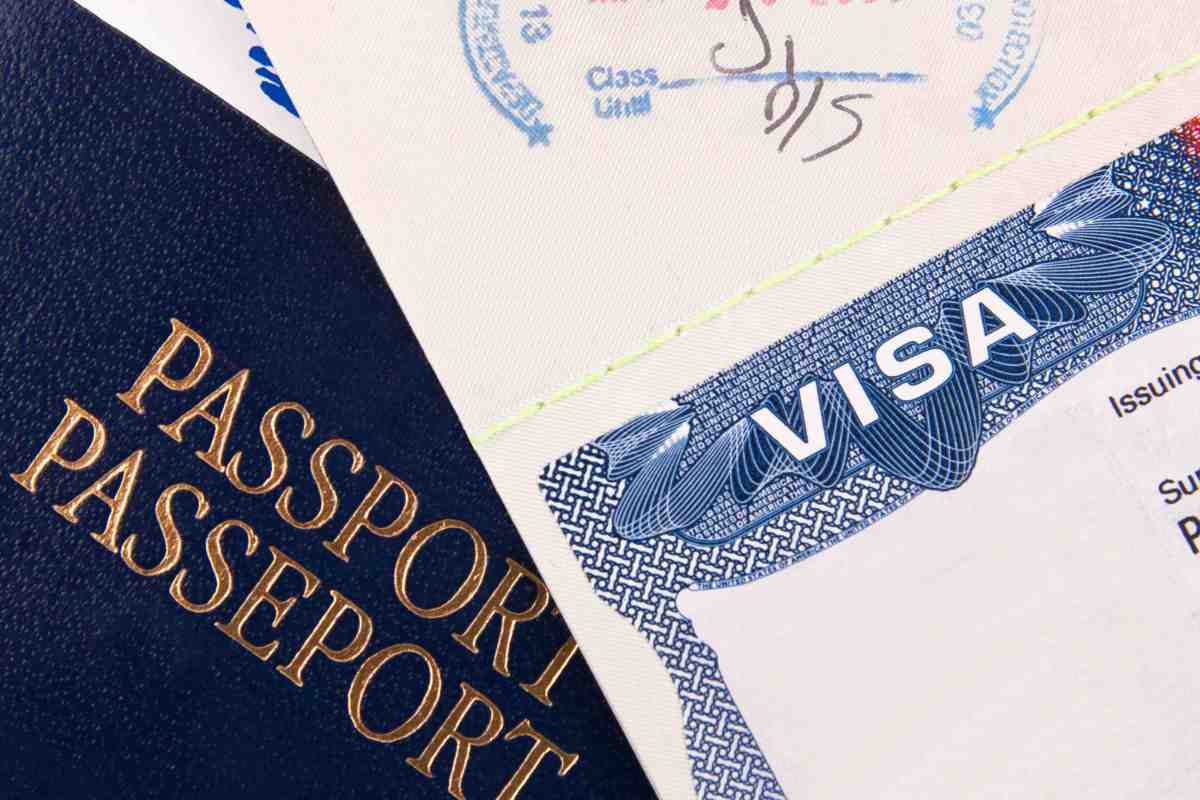
Zambia Launches e-Visa

The Zambia Tourism Agency (formerly Zambia Tourism Board) is pleased to announce that the Government of the Republic of Zambia through the Ministry of Home Affairs (Department of Immigration) launched the e-Visa facility on Wednesday, 14th October, 2015 at Mulungushi International Conference Centre in Lusaka which was officiated by the Minister of Home Affairs.

The e-Visa facility is open to all foreign nationals who require visas to come to Zambia and can be accessed through the web portal indicated below:

http://e-Visa.zambiaimmigration.gov.zm/#/

What is an e-Visa?

An e-Visa is an alternative to conventional visas issued by the Department of Immigration in Zambia (through Headquarters, Ports of Entry and Zambia Missions) permitting foreigners who require visas to enter Zambia. Applicants therefore, may obtain their e-Visa approval letter electronically after submitting required information and payment is made by Cash and Credit or Debit Card (Master or Visa) at the point of entry.

The link to download your e-Visa is given on the final step where you will be informed that your application has been completed successfully. In addition, the same link to download your e-Visa will be emailed to you. Immigration Officers at Ports of Entry can verify your e-Visa on their system. However, you are advised to download and keep the hard copy of your e-Visa Approval Letter.

As in the case with other visas, respective Zambian Officials at the Port of Entry reserve the right to deny entry into Zambia to a holder of an e-Visa Approval Letter without any explanation.

Eligibility

All foreign nationals who require visas to come to Zambia are eligible to apply for an e-Visa.

e-Visa Fees

The normal visa fees shall apply as follows:

  • Single Entry-US$ 50
  • Double /Multiple Entry -US$ 80
  • Transit US $50
  • Day Tripper US$ 20

For regular updates, visit the Immigration website: www.zambiaimmigration.gov.zm

Validity

Normal validity rules shall apply

e-Visa processing time

For nationals that may obtain visas at ports of entry, the e-Visa will take 3 working days to process and for nationals that require visas prior to travel to Zambia processing time will take a minimum of 5 working days.

Benefits

  • Convenient and reduces logistical cost
  • Paperless administrative processes
  • Broader reach
  • Optimised use of human resources

Further Details

For further details and enquiries, please get in touch with:

The Public Relations Office

Department of Immigration Headquarters

LUSAKA

Tel: +260 211 255282 (PR)

Tel: +260 211 252622 (Customer Service Centre)

Email: pro@zambiaimmigration.gov.zm

marketing@zambia.travel

The Hidden Promoters

All the different avenues of promoting tourism are worth taking note of. In particular I note expatriates who have made South Africa their home. These ‘settlers’  in our country do an enormous amount of good public relations for us. Typically they have lived in here for 10 to 30 years and have really made this their primary home. Many have businesses and agricultural interests and then of course there are the retirees.

Frequently these fellow lovers of South Africa bring their friends out and are constantly telling their network of the happiness of their lives here.   This is a major positive factor for our tourism industry.

Furthermore, our expatriate friends are typically very adventurous and love to discover our land. It is through this spirit of adventure that they visit so many of our well known and  less-charted gems. They then take their visitors to these places and so the country gets known by a small but very effective publicity network.

This contrasts with many of our born-and-bred South African émigrés who seem to constantly promote the negative, pushing out sad jokes and boringly adverse situations to justify their own decisions to emigrate. I am faced with this barrage on Facebook from many of my own network of émigrés.

Of course , I must at this point balance my previous comment : On the other end of the scale are the South African émigrés who are now slightly “homesick” and bring small groups of friends and family out every year – these faithful friends of Africa have long got over the reasons for their change of land and have made successes of their new lives and enjoy their tales of Africa and take the greatest joy in arranging these trips which sometimes include their visiting ‘home’ for up to six weeks… wonderful J

On the other hand our expatriate community are so thrilled and enthused about our land!

We have all met them …. Those who work in the tourism industry in particular we rely on hugely! Those guides that we use (because we are not a nation that has studied foreign languages as a necessity), and rely heavily on to promote and make a holiday ‘one of a lifetime’ for so many of our tourists. Chinese, Japanese,  French, German,  Spanish,  Turkish, Hebrew, Arabic and so on. Then there are the General Managers of our wonderful hotels – many are also immigrants – who also contribute such a lot to the great quality and value we are so proud of in South Africa. And of course the many tour operators who work in the markets that need this language skill – they are great promoters and are extremely successful in bringing in thousands of tourists. Their understanding and knowledge of their motherlands’ is a huge plus in creating the offering that the customer needs.

As we all know, it is getting more and more difficult to be an immigrant worker in South Africa. Work visas are expensive and difficult to obtain and less and less migrants with language skills are landing on our shores. We in the travel game all know that we have to keep the pool going, it is a subject that we are all working on and a subject of discussion around many boardroom tables!

I salute this community of influential linguists that we have the pleasure of knowing, who work with passion to promote our country and our products. And finally: …. as we have been recently reminded – it all began with Jan Van Riebeeck!

Linda Pampallis – CEO Thompsons Africa

BREAKING NEWS! Change to Immigration Regulations South Africa

http://traveller24.news24.com/TravelPlanning/VisaInfo/Visa-requirements-for-foreigners-travelling-to-SA-revised-20151023

South African children under the age of 18 will still be required to travel with an unabridged birth certificate, but the Inter-Ministerial Committee (IMC) task team – established to investigate the effects of SA’s controversial immigration regulations has recommended that the requirement be revised for children of foreign visitors.

Cabinet approved the recommendations on Friday, which included changing the term “unabridged birth certificate”  to “birth certificate containing parental details”.

Child-travel requirements 

South African children travelling out of the country will still be required to submit the current child-travel requirements, including a parental consent affidavits as a means to protect the minors – with the validity of the affidavit extended to no longer than 6 months.

Details of parents will also be printed in passports, so that parents whose particulars are printed would therefore not be required to carry the birth certificates.

In respect of inbound travellers, the IMC took the position that proof of original birth certificates or certified copies would only be required during the application process, as this is in line with practise in many other countries.

Certain application to be accepted via post

Visitors travelling from countries where no visa facilitation centres exist will be allowed to submit their application to the Department of Home Affairs (DHA) by post. These individuals will then be required to submit biometrics, including fingerprints and photos on arrival at ports of entry.  This concession will only be applicable to visitors/medical Visa, Cabinet said.

The Biometric pilot site Ports of entry are, OR Tambo Airport, King Shaka Airport, Cape Town International Airport.

Cabinet said all other administrative issues affecting the relevant departments will be resolved through inter-departmental engagements, and believed the endorsed recommendations would address the unintended consequences raised, without compromising the safety of the children travelling to and from the country.

Article courtesy of traveller24.news24.com

South Africa… Great Value for a High Net Worth Experience

Most locals travelling from South Africa are painfully aware that going overseas is an expensive business both in terms of journey costs and living and entertainment expenses. However, this fact should work in favour of our local industry, since every shocked comment on relative cost by financially-stretched South Africans is an inadvertent promotion for the markedly lower costs encountered when they are back home. To this end the tourism industry as a whole should be at pains to point out the incredible value which visitors to this country can anticipate – So for a moment, let’s consider this argument from a South African perspective.

When it comes to dining out in South Africa our alternatives are particularly attractive, and the range of cuisine on offer is every bit as wide and diverse as that which a traveller might encounter abroad. Looking at food an average main course being between R200 and R300 and – a steak usually starts at €18 going upwards of €20 and the bottom range for a bottle of wine in a restaurant starts at about €20 a bottle (currently R280 a bottle on the exchange rate) – of mediocre quality.

And then one must consider the cost of hiring and running a car. While car hire itself is reasonably competitive in Europe, insurance and fuel costs are definitely higher. Given that petrol in Europe is presently retailing at about R22.40 a litre, you can get motoring in South Africa for just over half that amount, as the price per litre is still hovering around the R12 mark.

Accommodation is another area where we score, both in terms of quality and price. Often one finds that our 3-star establishments in many cases will match European 4-stars equivalents and in some cases even beat 5-stars in Europe. It’s the details that make the difference, with such items as the finish and facilities of bathrooms for example and overall room sizes that often don’t even begin to bear comparison with South African equivalents.

Our quality and value is just amazing – we serve world class meat and fish and our vegetables, fruit and other produce are top quality.

Combine this with our abundant wildlife, geographical splendour and varieties of flora, we have a destination product that reflects many unique opportunities for tourists that cannot be replicated anywhere else in the world. South Africa offers developed world medical facilities and transport infrastructure, sophisticated communications and service coupled with the wildness of Africa – and it remains easily affordable for many.

The fact is that travellers are usually overwhelmed by the quality and value they receive here and the issue is how we communicate this without appearing a ‘cheap and cheerful’ destination. First time visitors are always pleasantly surprised at the value they finds here. This is one of our major selling points that enhances all the other attractions we have to offer. We need to emphasise that South Africa is great value and a high net worth experience!

Linda Pampallis – CEO Thompsons Africa

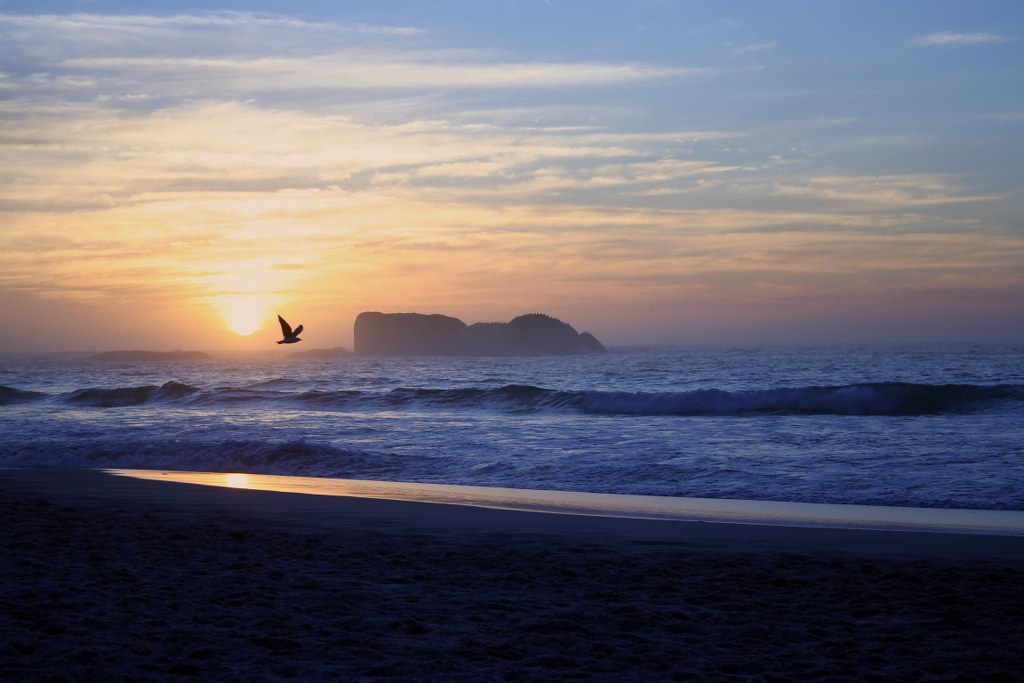
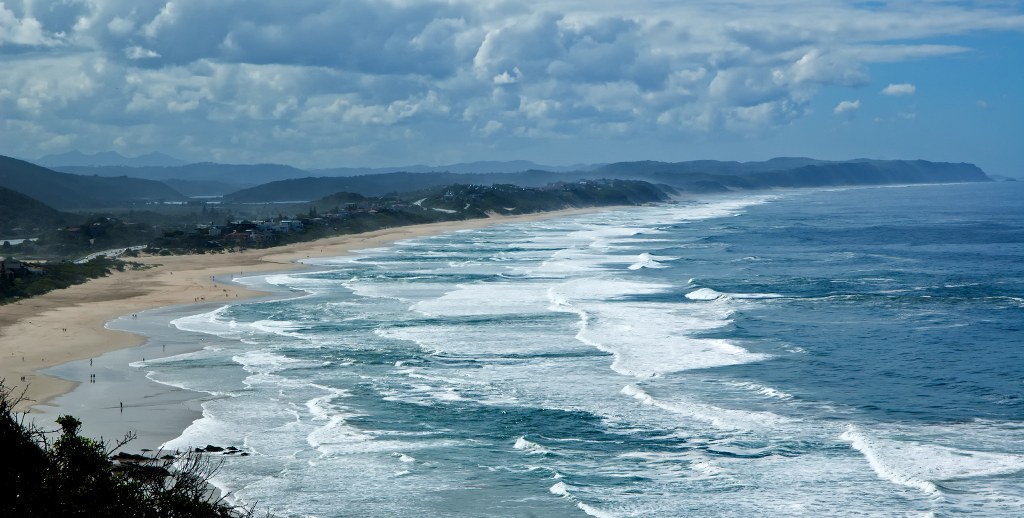
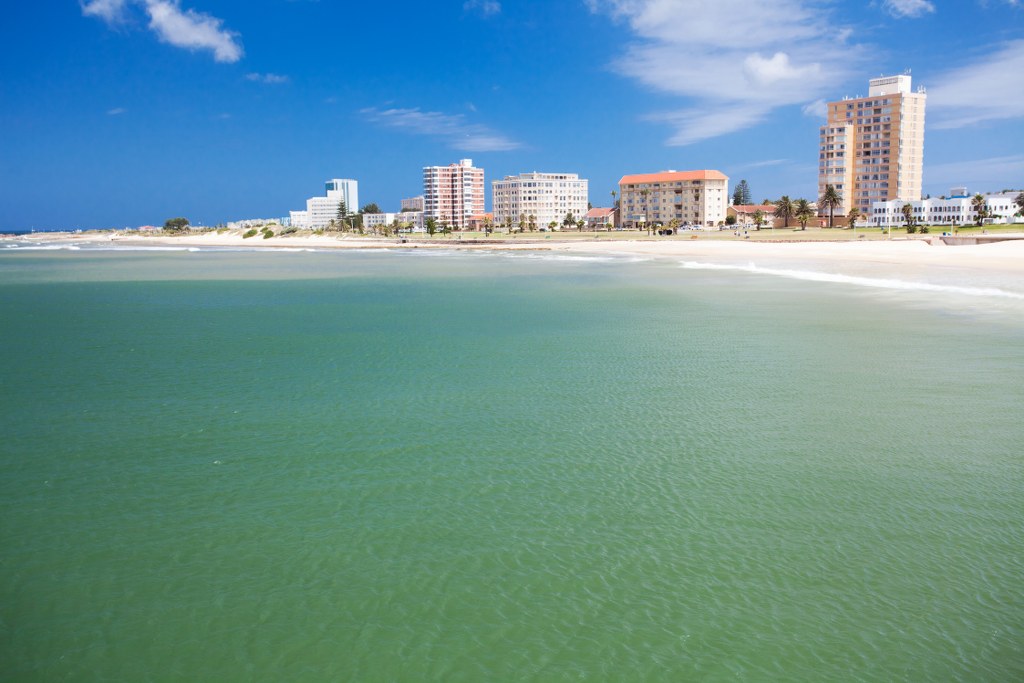
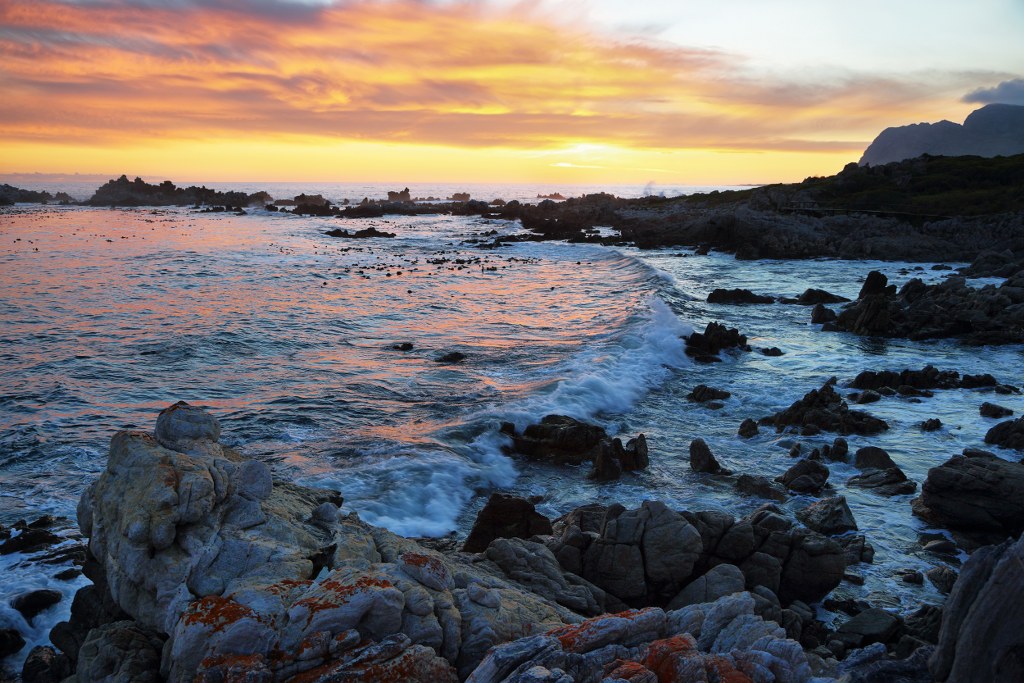
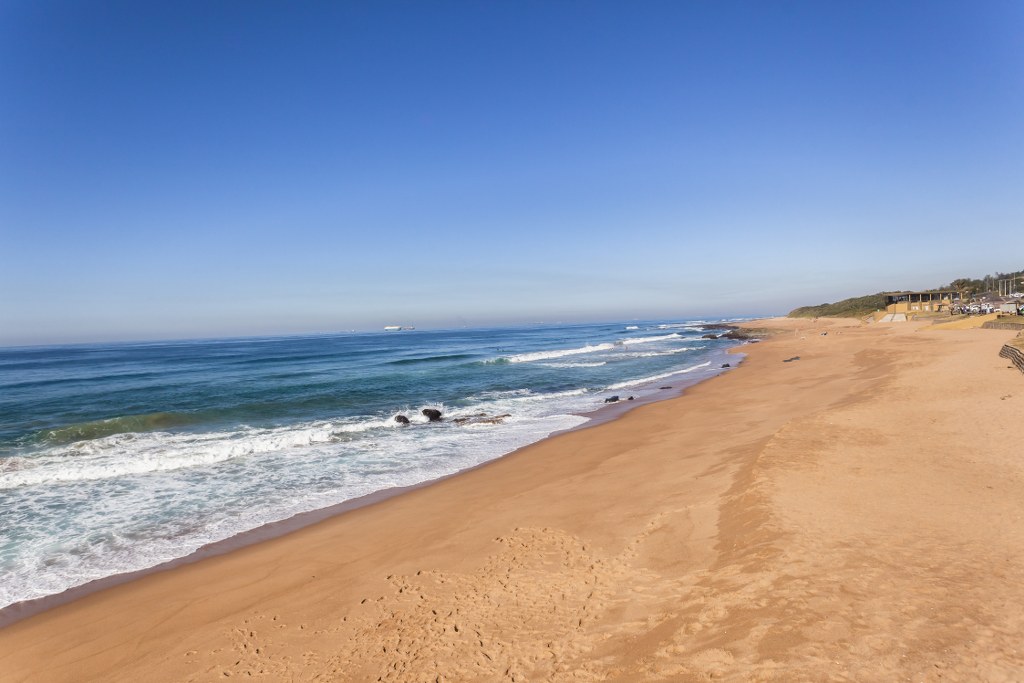
Blue Flag Beaches – What does it mean?

Blue Flag status is an international award given to beaches, boats and marinas that meet excellence in the areas of safety, amenities, cleanliness and environmental standards.  There is a strict set of criteria set by the Foundation for Environmental Education (FEE), the co-oridinators of the Blue Flag campaign in Europe.

The Wildlife and Environmental Society of South Africa (WESSA) manages the Blue Flag programme in South Africa together with participating local authorities.  Outside of Europe, South Africa is the first country to win Blue Flag accreditation for its beaches.  15 years later, we continue to rate among the top beaches in the world!

On the 6th October 2015, WESSA Blue Flag held the Blue Flag South Africa National Launch in Hermanus, Western Cape.  To view the full list of Blue Flag accredited beaches in each of the participating provinces, click on the link provided.

http://blueflag.org.za/wessa/western-cape/

http://blueflag.org.za/wessa/kwa-zulu-natal/

http://blueflag.org.za/wessa/eastern-cape/

But don’t take our word for it!  A picture is worth a thousand words as they say….

Clifton 4th_32256181_1024x683
Clifton 4th Beach Cape Town
Dolphin_127146164_1024x518
Dolphin Beach Jeffrey’s Bay
Hobie_92001902_1024x683
Hobie Beach Port Elizabeth
Kleinmond_257373958_1024x683
Kleinmond Beach near Hermanus
Llandudno_228285166_1024x683
Llandudno Beach Cape Town
Lookout_143070364_1024x683
Lookout Beach Plettenberg Bay
Ramsgate_120113476_1024x683
Ramsgate Beach South Coast Kwazulu-Natal
Santos_228167017_1024x685
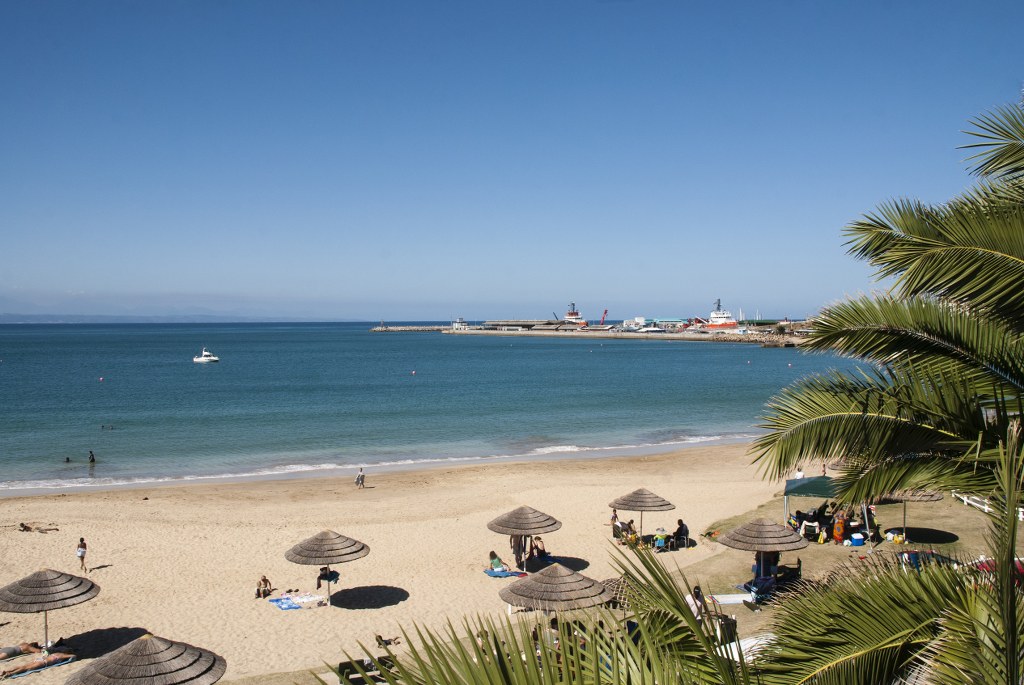
Santos Beach Mossel Bay
Strandfontein_317563775_1024x684
Strandfontein Beach, False Bay Cape Town
Struisbaai_54448018_1024x683
Struisbaai Beach Southern Cape
Westbrook_298825511_1024x683
Westbrook Beach Dolphin Coast Kwazulu-Natal